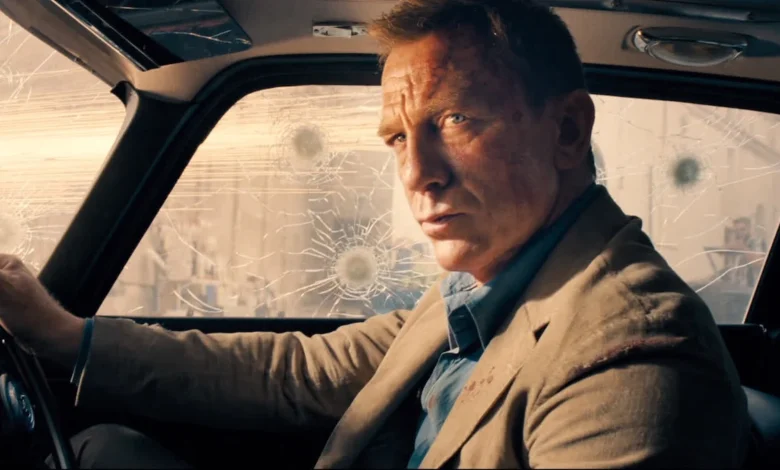
With visionary filmmaker Denis Villeneuve officially attached to helm the next installment of the long-running James Bond franchise, the global film industry has entered a familiar cycle of speculation. As cinephiles and franchise loyalists eagerly debate who will ultimately inherit the coveted 007 tuxedo following Daniel Craig’s dramatic departure in 2021’s No Time to Die, fundamental questions regarding the artistic direction of the series have taken center stage. While casting rumors invariably dominate entertainment headlines, a more critical creative decision lies ahead for Eon Productions and Metro-Goldwyn-Mayer: determining the tonal and aesthetic framework of a post-Craig cinematic universe. Among the various stylistic choices awaiting the director, one defining element from the franchise’s storied history demands a deliberate resurgence: the sophisticated, high-tech gadgetry engineered by the Quartermaster, universally known as Q.
The Evolution of 007 and the Phasing Out of Practical Q-Branch Inventions
To understand the potential impact of reintroducing high-tech espionage hardware, one must examine the trajectory of the franchise over the past two decades. For generations, the James Bond mythos was inextricably linked to whimsical yet lethal inventions handed down in subterranean laboratories. From the multifunctional attaché case featured in From Russia with Love to the explosive Parker fountain pen in 1995’s GoldenEye, and the iconic, gadget-laden Aston Martin DB5, Q’s provisions served as essential narrative devices. These tools not only provided Bond with improbable escapes from inescapable scenarios but also injected a distinct flavor of escapism into the proceedings.
However, the modernization of the franchise under Daniel Craig’s tenure—beginning with 2006’s Casino Royale and culminating in No Time to Die—systematically dismantled this foundational trope. Driven by a desire for gritty realism, psychological depth, and grounded espionage, producers Barbara Broccoli and Michael G. Wilson steered the character away from absurd contraptions. While the Aston Martin made periodic, modernized returns and Skyfall briefly introduced a micro-radio transmitter and a fingerprint-secured Walther PPK, the era of laser-cutting watches, invisible cars, and exploding keychains was largely relegated to the past. The focus shifted toward hand-to-hand combat, visceral gunplay, and geopolitical realism, leaving behind a cinematic vacuum where imaginative hardware once thrived.
A Chronological Overview of the Franchise’s Tonal Shifts
The James Bond series has continually reinvented itself across more than six decades, balancing adherence to Ian Fleming’s source material with the sociopolitical climate of each successive decade:
- 1962–1971 (The Connery Era): Establishment of the cinematic formula, blending cold war tension with exotic locales and foundational Q-Branch gadgetry.
- 1973–1985 (The Moore and Dalton Eras): A lean into heightened camp, space exploration, and increasingly outlandish inventions, culminating in high-concept Cold War thrillers.
- 1995–2002 (The Brosnan Era): A transitional phase attempting to bridge classic espionage with 1990s action cinema aesthetics, highlighted by invisible vehicles and digital-age threats.
- 2006–2021 (The Craig Era): A comprehensive deconstruction and grounding of the character, prioritizing emotional vulnerability, serialized storytelling, and stark realism over fantasy elements.
- Present Day (The Villeneuve Appointment): An impending transition point where the franchise must reconcile its gritty modern identity with its legacy of larger-than-life spectacle.
Adapting Espionage Hardware for the Contemporary Technological Landscape
As Denis Villeneuve prepares to conceptualize his iteration of the British Secret Service’s premier operative, the contemporary technological landscape offers unprecedented opportunities for creative world-building. Modern audiences live in an era where automated home appliances, advanced smartphones, and biometric security measures are integrated into daily life. Consequently, the definition of an extraordinary gadget has fundamentally evolved since the height of the Pierce Brosnan or Roger Moore eras.

Rather than returning to the cartoonish inventions of the past, a director of Villeneuve’s caliber could ground modern spy equipment in plausible, cutting-edge science. Advanced innovations such as 3D-printed modular weaponry—allowing operatives to bypass stringent international security checkpoints via unorthodox methods—or encrypted quantum-computing communication devices could seamlessly fit into a contemporary narrative. Furthermore, the cinematic success of tactical innovations in adjacent action franchises, such as the armored, ballistic-resistant suits popularized in the John Wick series, demonstrates that heightened defensive technology can be utilized without sacrificing dramatic tension or physical vulnerability.
Bridging Auteur Vision with Franchise Tradition
Skeptics of this creative direction often argue that elaborate gadgetry contradicts the austere, atmospheric filmmaking style that has defined Denis Villeneuve’s career. Recognized for his deliberate pacing, striking visual symmetry, and brooding philosophical undertones in films like Arrival, Sicario, and Prisoners, the French-Canadian director is frequently viewed through a lens of uncompromising solemnity.
However, a retrospective analysis of Villeneuve’s recent science fiction epics—specifically Blade Runner 2049 and the critically acclaimed Dune duology (Part One and Part Two)—directly refutes the notion that he is incapable of managing high-concept technology within a narrative. Both cinematic universes showcase a masterclass in production design, expertly balancing futuristic machinery with utilitarian, occasionally gritty technology. From complex retinal scanners and flying transport vehicles to the lethal, autonomous hunter-seeker assassin drones utilized in the deserts of Arrakis, Villeneuve has repeatedly proven his ability to visualize advanced hardware with tactile authenticity. If a director can successfully breathe life into the complex ecosystems of the Imperium or a neo-noir dystopian Los Angeles, updating James Bond’s signature arsenal for the modern geopolitical stage falls well within his established capabilities.
Implications for the Future of the 007 Franchise
The integration of signature franchise elements under a prestigious auteur like Denis Villeneuve carries significant implications for the commercial and artistic longevity of James Bond. As cinematic universes face diminishing returns through formulaic repetition, the Eon Productions leadership faces the dual challenge of respecting historical continuity while attracting sophisticated, contemporary audiences.
By restoring a measured, intelligent approach to Q-Branch inventions, the filmmakers can reestablish the sense of wonder and international escapism that originally defined the character. James Bond has always thrived as a symbol of aspiration—traversing iconic global coordinates, engaging with memorable antagonists, and operating with a distinct panache that separates him from standard-issue military operatives. Reintroducing sophisticated hardware does not require a regression into camp; rather, it provides a narrative mechanism to emphasize Bond’s elite status as a master spy navigating an increasingly complex, technological world.
As pre-production milestones approach and official casting announcements draw closer, the broader implications of Villeneuve’s creative vision will become clearer. Whether the next 007 steps out of an Aston Martin equipped with traditional firearms or state-of-the-art tactical enhancements, the successful marriage of auteur-driven storytelling and franchise tradition will ultimately determine the enduring legacy of the world’s most famous secret agent.
Related posts: