Ungraded Revolutionizes the Trading Card Market with High-Definition 3D Imaging Technology

The landscape of the multi-billion-dollar trading card game (TCG) industry is poised for a significant shift this July as a new marketplace startup, Ungraded, prepares to launch its platform. Founded by a team of dedicated collectors based in Cornwall, United Kingdom, the company aims to solve the persistent challenges associated with the online trade of "raw"—or non-professionally graded—cards. By integrating sophisticated, high-resolution 3D imaging technology into its marketplace, Ungraded seeks to eliminate the ambiguity and fraud risks that have long plagued platforms like eBay and various independent social media trading circles.
The Problem with the Current Secondary Market
For decades, the TCG secondary market, encompassing titans like Pokémon, Magic: The Gathering (MTG), and Yu-Gi-Oh!, has relied on a binary system of trust. At the high end of the market, cards are typically submitted to professional grading services such as PSA, BGS, or CGC. These companies encapsulate cards in tamper-evident plastic slabs and assign them a numerical grade based on condition, effectively standardizing their value. However, the costs and turnaround times associated with professional grading make it economically unfeasible for the vast majority of cards in circulation.
For the average collector, the "raw" market remains a volatile frontier. Buyers are often forced to rely on low-quality smartphone photography provided by sellers. This lack of transparency has facilitated a rise in fraudulent listings, undisclosed damage, and discrepancies in item condition upon arrival. The risk is significant: a single microscopic scratch or a slight misalignment in the print centering can devalue a "near-mint" card by hundreds or even thousands of dollars. Historically, this has forced collectors to either pay a premium for pre-graded inventory or accept the inherent risks of a "buyer beware" environment.
The Ungraded Technological Solution
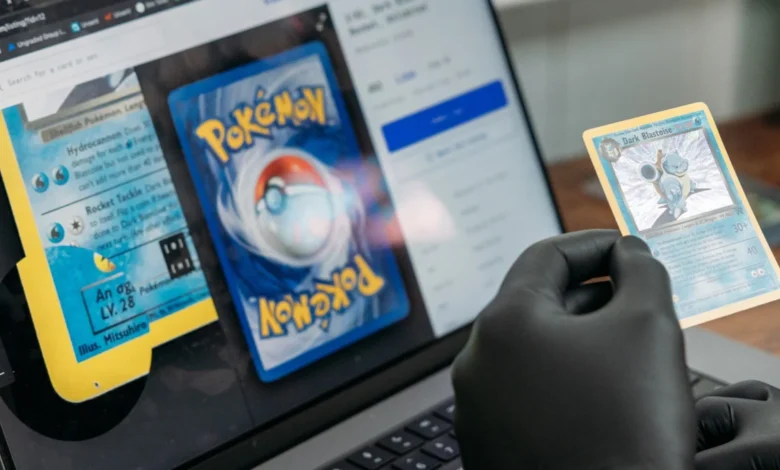
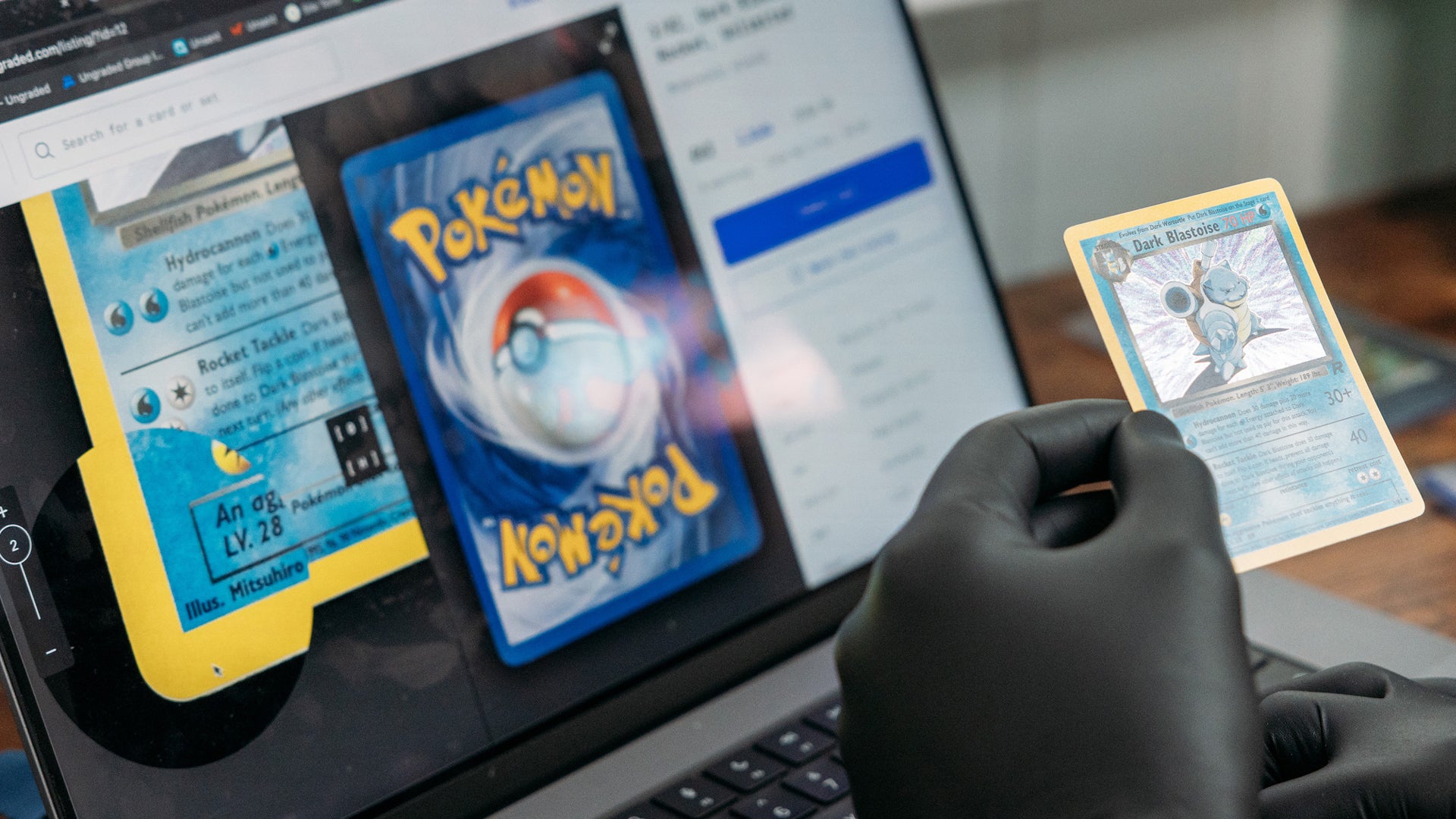
Ungraded proposes a centralized intermediary model that leverages advanced digital imaging to provide transparency. Instead of listing cards themselves, sellers submit their raw cards to the company’s facility. Once received, Ungraded utilizes proprietary imaging hardware to capture hundreds of ultra-high-definition photographs of each item. These images are stitched together to form a fully interactive 3D digital replica.
This technology allows potential buyers to manipulate the card on their screens, rotating it to inspect surface reflections and zooming in to examine specific physical attributes. According to the company, the resolution is sufficient to reveal microscopic details, including CMYK print patterns, surface scuffs, scratches, and the centering of the card’s artwork. By providing this digital "twin," Ungraded intends to offer buyers the same level of confidence typically reserved for in-person inspections, without the overhead costs of third-party slab-based grading.
Chronology and Operational Timeline
The development of the platform has been a multi-year effort, culminating in an ambitious rollout strategy for the summer of 2024. The operational roadmap is as follows:
- Pre-Launch Phase (Late May): Ungraded will initiate a series of "auction drops." These events will serve as a stress test for the platform’s infrastructure and will feature a curated selection of Pokémon, Yu-Gi-Oh!, and Magic: The Gathering cards.
- Official Platform Launch (July): The full marketplace will go live, allowing collectors globally to submit and list their inventory.
- Post-Listing Maintenance: Once a card is listed, it remains in the custody of Ungraded. If a card remains unsold for 30 days, a storage and maintenance fee of 1% of the card’s average market value is applied every 30 days thereafter, incentivizing sellers to price their items competitively.
Economic Framework and Fee Structure
Ungraded has implemented a tiered commission model designed to balance affordability with the costs of logistics, insurance, and high-fidelity scanning.
For fixed-price listings, the seller incurs a flat 15% commission fee. In the auction format, the buyer assumes a portion of the transaction cost. For cards valued at £250 or less, the buyer pays a 20% premium on the hammer price. For mid-range items valued between £250 and £1,000, the fee drops to 17.5%. High-value assets exceeding £1,000 are subject to a 15% buyer’s premium.
To ensure the platform remains accessible for lower-value trades, there is a £5 minimum fee for cards valued under £25. A notable feature of the Ungraded model is the company’s commitment to covering postage and insurance costs for the transit of goods, a significant value-add for sellers who would otherwise have to navigate complex shipping logistics and risk loss or damage during transit.
Contextual Analysis: The Broader TCG Economy
The emergence of Ungraded occurs against the backdrop of an unprecedented boom in the TCG industry. Following the COVID-19 pandemic, interest in collectible card games surged, leading to record-breaking auction prices. The market for rare cards has become a legitimate asset class, drawing interest from institutional investors and high-net-worth individuals.
However, this growth has also attracted bad actors. Counterfeit cards—particularly "proxies" that are passed off as authentic—have become increasingly sophisticated. By acting as a centralized processing hub, Ungraded effectively functions as a verifier of authenticity before the card is ever digitized for sale. This creates a "gatekeeper" effect that could significantly reduce the incidence of scams, provided the company’s internal authentication standards remain rigorous.

Industry Implications and Expert Perspectives
Market analysts suggest that the "Ungraded" model represents a middle-ground evolution. By maintaining the raw, un-slabbed nature of the cards, the company appeals to collectors who prioritize the tactile experience of handling cards over the investment-focused, slab-heavy culture of modern collecting.
"The transition from static images to interactive 3D modeling is the logical next step for e-commerce in high-end collectibles," notes one industry consultant familiar with the project. "If the technology performs as promised, it removes the primary friction point of online trading: the inability to see what you are actually buying. However, the challenge will be scaling their logistics. Receiving, scanning, storing, and shipping thousands of cards is an operationally heavy business. Their success will depend entirely on their ability to maintain speed and security at volume."
Challenges Ahead
Despite the optimism surrounding the launch, the company faces stiff competition from established giants like eBay, which has recently invested heavily in its own "Authenticity Guarantee" programs. Furthermore, the 1% unsold fee structure may be perceived as aggressive by casual collectors who are accustomed to the "list and forget" nature of legacy platforms.
There is also the question of trust in the company’s internal grading standards. While they do not "grade" the cards in the traditional sense, they are effectively providing a visual assessment that will influence market price. If their digital representations fail to capture a significant defect, the company could face the same reputational risks that have impacted other grading services.
As the July launch approaches, the hobbyist community remains cautiously optimistic. The success of Ungraded will likely serve as a barometer for whether the trading card market is ready to embrace a new, technology-first standard of digital verification. Should it succeed, it may force larger, more entrenched competitors to upgrade their own visual listing tools, ultimately benefiting the collector who is currently forced to gamble on blurry photos and seller descriptions. For now, the spotlight remains on the Cornish startup to see if their technological vision can translate into a sustainable and secure marketplace for the global trading card community.