Hello Wizard I Have a Problem is a newly developed tabletop roleplaying game (TTRPG) that explores the intersection of high-fantasy magic and profound incompetence, inviting players to inhabit the roles of spellcasters whose reach frequently exceeds their grasp. Designed by Sam Armstrong with illustrations by Evlyn Moreau, the project has recently concluded its primary funding phase on the Kickstarter platform, marking a significant entry into the growing landscape of rules-light, comedy-focused tabletop experiences. The game prioritizes collaborative storytelling and improvisational humor, drawing inspiration from the absurdist traditions of British comedy to create a play environment where failure is not merely a possibility but a central mechanic of the narrative.
The Mechanics of Magical Misadventure
Unlike traditional fantasy roleplaying games such as Dungeons & Dragons or Pathfinder, which often emphasize power progression, tactical combat, and the mastery of complex spell lists, Hello Wizard I Have a Problem focuses on the inherent chaos of the arcane. The game utilizes a "GM-less" or "rotating GM" structure, a design choice that significantly lowers the barrier to entry for new players and reduces the preparation burden typically associated with the hobby.
In a standard session, players take turns occupying the "spotlight." During these scenes, a single player portrays their wizard attempting to resolve a situation through magic. However, the role of the Game Master (GM) is distributed among the remaining participants. While the active player describes their intended spell and its desired effect, the collective group of "non-active" players determines how the magic manifests—or, more frequently, how it catastrophically malfunctions. This democratic approach to world-building ensures that the narrative remains unpredictable and that no single player is responsible for maintaining the entire story’s momentum.
To facilitate this constant stream of chaotic outcomes, the rulebook includes a proprietary "Problem Generator." According to the developer, this system is capable of producing over 200,000 unique prompts for magical disasters. This high degree of variability is achieved through a series of interlocking tables, allowing players to roll or select combinations of effects that range from the mildly inconvenient to the surreal. This mechanic serves as the engine for the game’s humor, ensuring that even veteran players encounter scenarios they have not previously experienced.
Creative Pedigree and Artistic Vision
The development of Hello Wizard I Have a Problem is led by Sam Armstrong, an established figure in the indie TTRPG scene. Armstrong’s previous portfolio includes All Bastard, a fantasy game that subverts traditional heroic tropes by focusing on the aftermath of "heroic" actions, and Slasher, a horror-themed RPG that emulates the tropes of 1980s cinema. Armstrong’s design philosophy often leans toward "rules-light" systems that prioritize tone and player agency over numerical crunch, a trend that has seen significant growth in the tabletop industry over the last decade.
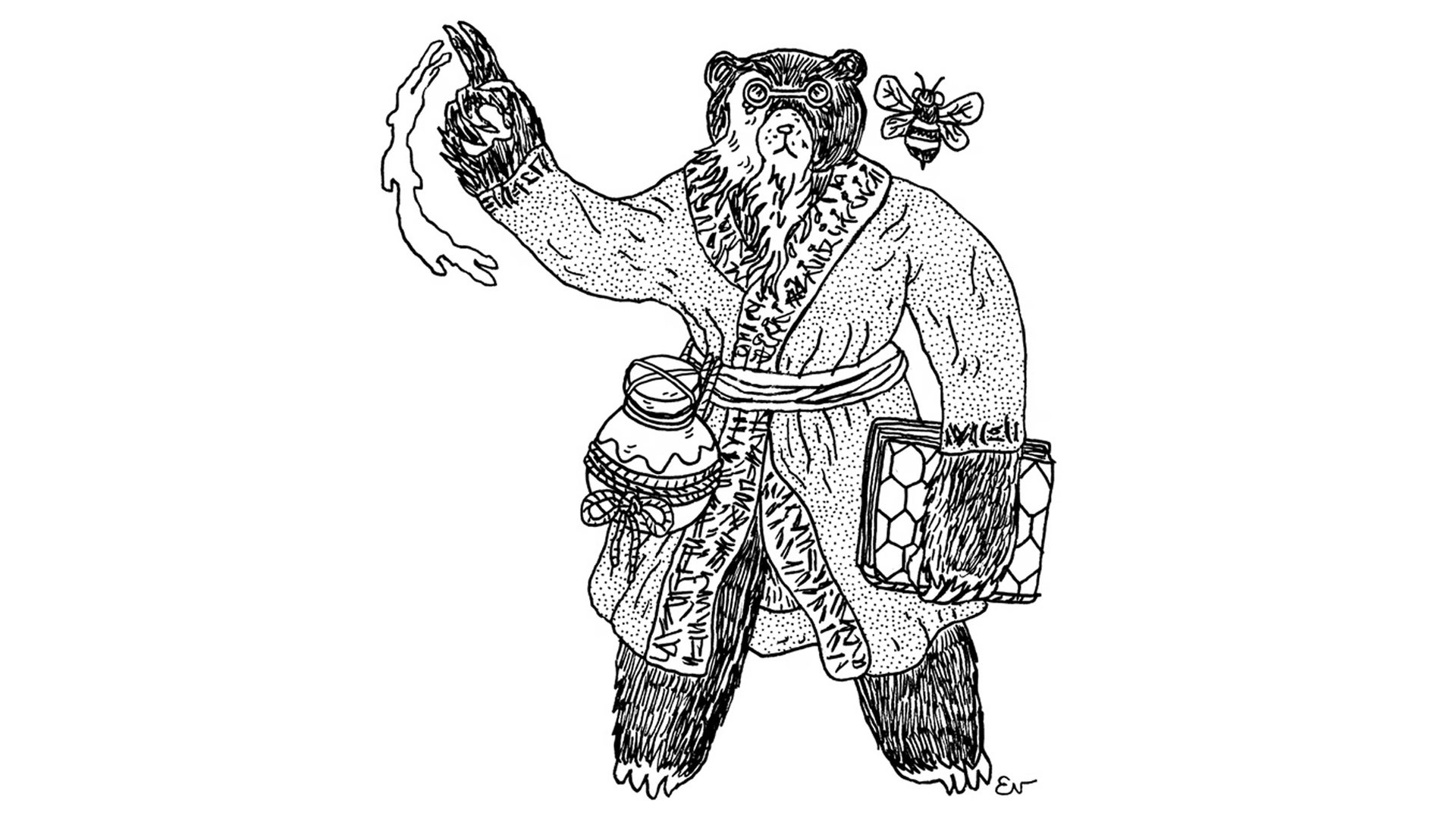
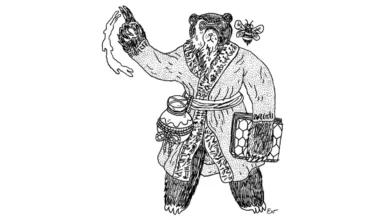
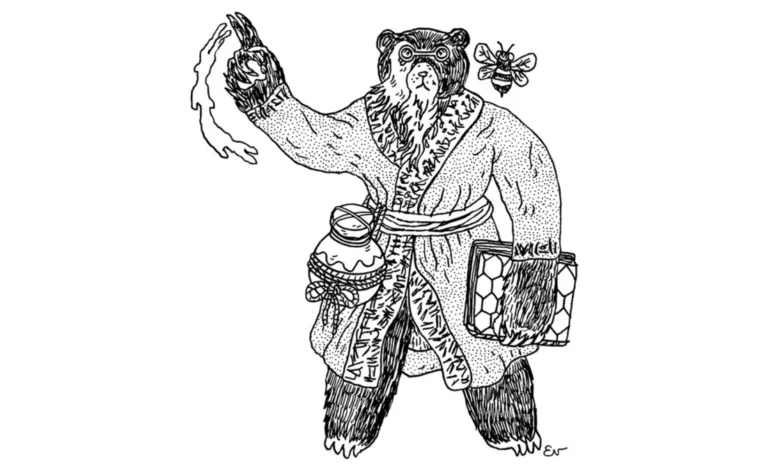
The visual identity of the game is provided by Evlyn Moreau, an illustrator known for her distinct, whimsical, and often slightly macabre style. Moreau has previously contributed to high-profile indie projects such as Liminal High School and various "Zine Quest" initiatives. Her artwork for Hello Wizard I Have a Problem emphasizes the "scruffy" and "unrefined" nature of the protagonist wizards, moving away from the polished, regal depictions of sorcerers found in mainstream high-fantasy media. This artistic direction reinforces the game’s central premise: that these characters are fundamentally out of their depth.
Influences and Cultural Context
The narrative tone of the game is explicitly modeled after iconic works of British absurdist comedy. The developer cites Monty Python, The Mighty Boosh, and the mockumentary style of What We Do in the Shadows as primary influences. These works share a common thread of "competence porn" reversal—where characters who should be experts or powerful beings are revealed to be petty, confused, or hindered by mundane bureaucracy.
By channeling these influences, Hello Wizard I Have a Problem taps into a specific niche of the TTRPG market that values "fail-forward" mechanics. In many traditional games, a failed dice roll results in a "miss" or a dead end, which can stall the narrative. In Armstrong’s system, failure is the catalyst for the next scene. The "loose improv system" mentioned in the rules allows players to tally "points" based on the creativity and entertainment value of their magical mishaps, rather than their character’s survival or wealth accumulation. This shifts the win condition from "winning the combat" to "telling the most memorable story."
The Crowdfunding Landscape and Production Timeline
The project’s launch on Kickstarter reflects a broader trend in the tabletop industry where independent creators bypass traditional publishing houses to reach audiences directly. The crowdfunding campaign offered a low-cost entry point, with digital PDF versions of the rulebook priced at £4 ($5) and physical copies at £8 ($10). This pricing strategy aligns with the "Zine" movement in tabletop gaming—small, focused booklets that provide a complete game experience without the need for 300-page hardback manuals.
The production timeline for the game is notably aggressive. Following the conclusion of the Kickstarter campaign, physical copies are slated for distribution in June. This suggests that the game’s development was largely complete prior to the launch of the funding round, a practice increasingly favored by backers who are wary of long delays in crowdfunding fulfillment. For those who missed the initial campaign, Armstrong has indicated that the title will be made available on the digital storefront Itch.io, a hub for independent game developers.
Market Analysis: The Rise of Rules-Light RPGs
The emergence of games like Hello Wizard I Have a Problem is indicative of a shift in the tabletop gaming market. Data from industry reports suggests that while industry giants like Dungeons & Dragons still command the largest market share, there is a burgeoning demand for "one-shot" games—titles designed to be played in a single evening with minimal setup.

Several factors contribute to this trend:
- Demographic Shifts: As the player base for TTRPGs ages, many enthusiasts find themselves with less time for the extensive "session zero" preparations and multi-year campaigns required by heavier systems.
- Streaming Culture: The rise of "Actual Play" shows (such as Critical Role or Dimension 20) has popularized the idea of roleplaying as a form of collaborative performance. Games that facilitate quick, funny interactions are naturally suited to this medium.
- Accessibility: Rules-light games are easier to teach to non-gamers, making them ideal for social gatherings or "gateway" experiences for those curious about the hobby.
Hello Wizard I Have a Problem positions itself at the center of these trends. By removing the traditional "Dungeon Master" role and replacing it with a collective "Problem Generator," the game democratizes the storytelling process, making it accessible to anyone with a penchant for improvisational comedy.
Broader Implications for Indie Development
The success of Armstrong’s project further validates the viability of the "micro-RPG." These games prove that a compelling hook—in this case, the comedy of magical incompetence—can be more valuable than a massive budget or a 50-year-old brand name. Furthermore, the collaboration between Armstrong and Moreau highlights the importance of "artist-forward" design in the indie space. In a market saturated with AI-generated imagery and generic stock art, the unique, hand-drawn aesthetic of Moreau serves as a primary selling point and a mark of artisanal quality.
As the tabletop industry continues to evolve, the distinction between "serious" gaming and "party" gaming continues to blur. Hello Wizard I Have a Problem occupies a middle ground, offering the structural framework of an RPG with the low-stakes, high-energy atmosphere of a party game. It challenges the notion that magic in games must be a tool for power, suggesting instead that it can be a tool for delightful, unpredictable disaster.
Conclusion
Hello Wizard I Have a Problem represents a distillation of the modern indie TTRPG spirit: collaborative, irreverent, and deeply focused on the joy of shared storytelling. By leaning into the humor of failure and providing players with a robust engine for generating chaos, Sam Armstrong has created a system that prioritizes laughter over logistics. As the project moves toward its June release, it stands as a testament to the enduring appeal of the "incompetent wizard" trope and the continued vitality of the independent tabletop publishing scene. Whether for a dedicated gaming group looking for a "palette cleanser" between serious campaigns or a group of friends looking for a night of absurdist fun, the game offers a well-crafted portal into a world where the most dangerous thing a wizard can do is try to be helpful.
Related posts: