4 Year Old Does Moms Make Up So Adorable
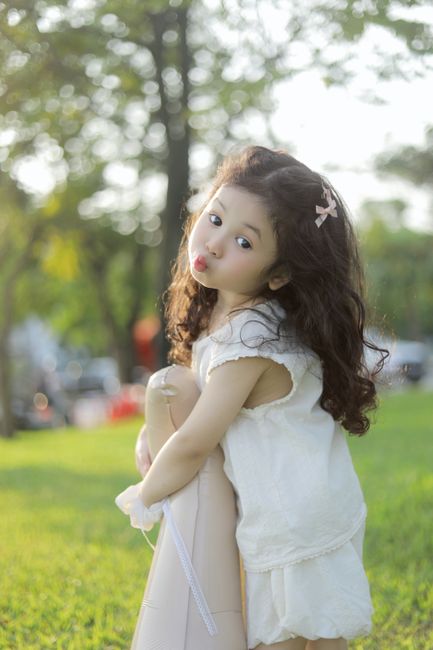
The Enchanting World of Toddler Glamour: Why 4-Year-Olds Doing Mom’s Makeup is the Ultimate Bonding Experience
The sight of a four-year-old approaching their mother with a makeup brush in hand is a rite of passage that bridges the gap between chaotic play and tender connection. While the immediate result might be a smudged eyebrow, a heavy-handed application of neon blue eyeshadow, or blush concentrated strictly on the bridge of the nose, the experience transcends aesthetics. This developmental stage, characterized by rapid cognitive leaps and the desire for imitation, transforms a simple vanity session into a profound exercise in observation, motor skill development, and emotional mimicry. When a preschooler decides to play makeup artist, they are not just "making a mess"; they are stepping into the role of the caregiver, processing the world through the lens of those they admire most.
The Developmental Psychology of Imitative Play
At four years old, children are in the prime of "pretend play." This is the developmental sweet spot where symbolic thinking flourishes. When a toddler watches their mother apply makeup, they are witnessing a complex ritual of self-care and transformation. By mimicking this action, the child is practicing what psychologists call "social learning." They observe the intent behind the brush strokes: the smoothing of skin, the enhancement of eyes, and the final look in the mirror.
For the child, performing this on their mother is an act of role reversal. By taking the lead, the child assumes the mantle of the "expert" or the "nurturer." This shift is vital for building confidence and agency. The act of carefully applying a product to a parent’s face requires a level of patience and focus that is rare for a typical, high-energy four-year-old. It teaches them to slow down, respect personal space, and engage in the intricate mechanics of eye-hand coordination.
The Motor Skills Behind the Makeup Brush
Applying makeup, even clumsily, is an excellent fine motor activity. At age four, children are refining their grip on pencils, crayons, and utensils. Holding a makeup brush or a lipstick tube requires a different kind of dexterity than holding a chunky marker. They must learn to apply the right amount of pressure—too little, and the color won’t show; too much, and they might accidentally poke their mother in the eye.
This exercise mimics the precision required for future skills like writing, buttoning clothes, and using scissors. As the child navigates the contours of their mother’s face, they are developing spatial awareness. They learn that the face has distinct parts—cheeks, eyelids, lips—and that each requires a different approach. This "mini-lesson" in anatomy and geometry, masked as a game, provides a low-stakes environment for the child to practice steadiness and intentional movement.
Emotional Bonding Through Sensory Exploration
The ritual of doing makeup is inherently sensory. It involves textures (creamy lipsticks, powdery blushes, soft bristles), scents (the distinct smell of foundation or floral-scented glosses), and visual stimulation. For a mother and child, this sensory interaction fosters deep emotional connection. It is a quiet, intimate moment that defies the typical high-octane pace of household life.
During these moments, there is a physical closeness that releases oxytocin—the "bonding hormone"—for both parties. The child feels safe and seen, while the parent is forced to sit still, relinquish control, and simply be present. The laughter that ensues when the child inevitably draws a line across the forehead is just as important as the concentration. It builds a history of shared joy and mutual vulnerability. It creates a space where the child feels that their contribution to their mother’s appearance is valid and cherished, regardless of the final outcome.
Encouraging Creativity Without Judgment
In a world that often demands perfection, letting a four-year-old do your makeup is a radical act of letting go. Parents often struggle with the need to maintain appearances or control their environment. By allowing a toddler to apply makeup, the parent models the idea that perfection is secondary to the experience.
When you look in the mirror and see a face painted with wild, artistic abandon, you are teaching your child that creativity is not about adherence to a standard, but about personal expression. The child learns that it is safe to experiment, to color outside the lines, and to show their work to the world. When a parent smiles at the messy reflection, they reinforce the child’s sense of self-worth and artistic identity. It transforms the vanity table into a canvas where there are no "mistakes," only unique interpretations of beauty.
Tips for a Stress-Free Beauty Session
If you want to lean into this bonding experience without the stress of ruined furniture or skin reactions, a little preparation goes a long way. First, curate the "kit." Instead of using your high-end, pigment-heavy professional products, create a "toddler-safe" makeup bag. Include old, empty containers, clean brushes, and perhaps some safe, non-toxic, or child-friendly palettes that are easy to wash off.
Second, set the stage for success. Drape a towel over your shoulders to protect your clothes. Use products that are hypoallergenic and easily removable with a wet wipe. If you are worried about the mess, do the session in the bathroom near the sink, making cleanup part of the fun.
Most importantly, give verbal feedback that focuses on the process rather than the result. Instead of saying, "That’s wrong," try, "I love how careful you were with that brush," or "You chose such a bright color for my cheeks!" This positive reinforcement encourages the child to continue exploring their creative instincts.
The Lesson of Transience
The beauty of this ritual is that it is ephemeral. One day, the child will be a teenager who is perhaps too focused on their own reflection or social pressures to sit and paint their mother’s face. The phase where they see their mother as the ultimate beauty icon—the person they want to emulate, pamper, and transform—is fleeting.
These moments serve as a reminder to parents to savor the small, often messy, parts of childhood. While the makeup will eventually be washed off, the memory of the soft brush against the skin and the look of intense, loving focus in the child’s eyes will remain. It is a testament to the fact that, at four, the world is still small enough to fit within the confines of a vanity mirror, and the most important person in that world is you.
Why We Should Embrace the "Messy Look"
Often, the internet is flooded with "perfect" parenting images. The "mommy makeover" by a toddler is the perfect antidote to this perfectionism. Sharing these photos—or simply keeping the memory for yourself—is a way to embrace the reality of parenthood. It is unposed, unpolished, and undeniably authentic.
Embracing the messy face is a form of self-love. It acknowledges that you are a person behind the role of a parent—a person who can be decorated, played with, and admired. It strips away the armor of professionalism or household management and invites a moment of pure, unfiltered play.
Fostering Independence through Ritual
Giving a child autonomy over your face gives them a small, safe taste of power. At four, children are constantly told what to eat, what to wear, and how to behave. By turning the tables, you allow them to be the ones in control of the situation. This autonomy is crucial for their developing identity.
When they finish their work and hand you the mirror, look at yourself with delight. Watch their reaction—the pride, the excitement, the validation. They aren’t just looking at their makeup work; they are looking at how their actions have changed their environment. This is the foundation of self-efficacy.
Concluding Thoughts on Toddler Glamour
The 4-year-old "makeup artist" is a symbol of the unique, complex, and beautiful relationship between parent and child. It is a collision of curiosity, love, and growth. While it may result in a strange-looking reflection in the mirror, the emotional reward is immeasurable. By encouraging this play, you aren’t just teaching them about beauty—you are teaching them that their ideas have value, their efforts are appreciated, and their company is the greatest luxury you possess.
So, the next time those small hands reach for your bronzer or your lipstick, don’t hesitate. Pull up a chair, hand over the brush, and let them get to work. In the grand tapestry of childhood, these are the moments that hold the most color. When you eventually wash your face that evening, you won’t just be removing pigments; you will be preserving the memory of a four-year-old who saw you, loved you, and tried to make you even more beautiful in their own, wonderful way. The mess is temporary, but the bond forged in the glow of the vanity mirror is lasting. Embrace the smeared blush, the crooked eyeliner, and the joy of being the canvas for a tiny artist who thinks the world of you.

