Investing In Commodities Pros Cons And What You Need To Know
Investing in Commodities: A Comprehensive Guide to Pros, Cons, and Strategic Execution
Commodities—the raw materials that power the global economy—represent one of the oldest and most fundamental asset classes in existence. From energy sources like crude oil and natural gas to agricultural staples like wheat and corn, and precious metals like gold and silver, these tangible goods form the backbone of industrial production and consumer consumption. For investors, commodities offer a unique mechanism to diversify portfolios, hedge against inflation, and potentially capitalize on global macroeconomic shifts. However, the commodity market is notoriously volatile, influenced by complex variables ranging from geopolitical tensions and supply chain disruptions to weather patterns and currency fluctuations. Understanding how to navigate this sector requires a deep dive into the underlying mechanics of price discovery, the various investment vehicles available, and the inherent risks that come with exposure to physical goods.
The Macroeconomic Role of Commodities
Commodities serve as the primary inputs for virtually every sector of the global economy. Because their prices are dictated by the laws of supply and demand on a global scale, they often act as a barometer for economic health. When an economy is expanding, demand for industrial metals and energy typically rises, driving up prices. Conversely, during periods of economic contraction, commodity prices often sag. This sensitivity makes them an excellent tool for hedging against inflation. Unlike fiat currencies, which can be debased by central bank policy, commodities have intrinsic value. When the purchasing power of a dollar or euro declines, the nominal price of commodities usually increases, protecting the investor’s real wealth.
Methods of Investing in Commodities
Investors have several avenues through which they can gain exposure to commodities, each with varying levels of risk, liquidity, and complexity.
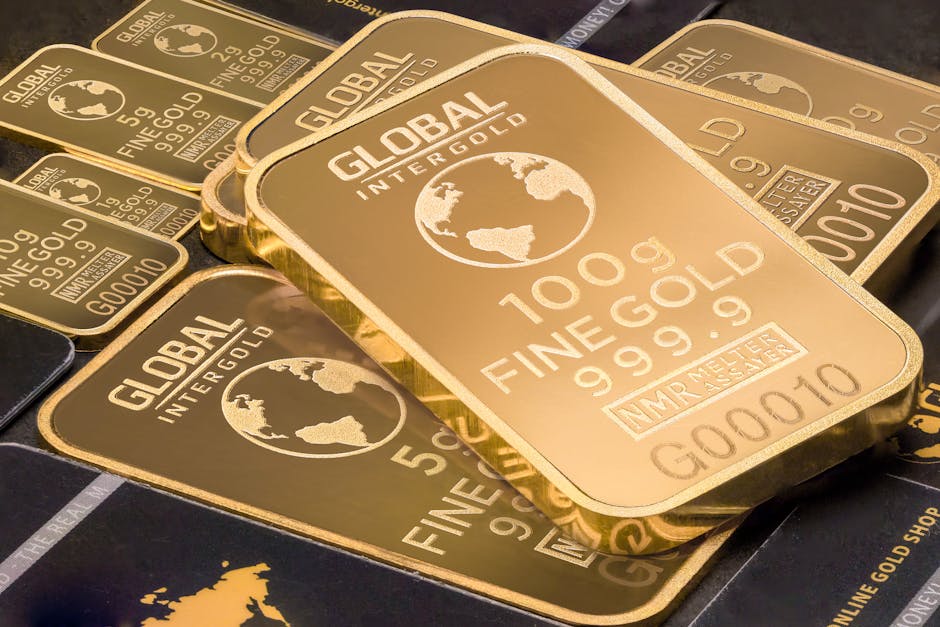
1. Physical Ownership: This is the most direct approach. Investors purchase physical bars of gold or silver, or store agricultural products. While this provides a tangible asset, it comes with significant drawbacks: storage costs, insurance, and security concerns. Furthermore, physical commodities are inherently illiquid compared to stocks or bonds; you cannot easily sell a ton of copper on a moment’s notice without significant logistical hurdles.
2. Commodity Exchange-Traded Funds (ETFs) and Notes (ETNs): For most retail investors, ETFs represent the most accessible entry point. These funds track the price of a commodity or a basket of commodities without requiring physical delivery. Some ETFs, like those tracking gold, hold the physical metal in a vault. Others use futures contracts to mimic price movements. ETNs, meanwhile, are debt instruments issued by banks that promise to pay the return of a commodity index. It is vital to distinguish between physically backed ETFs and those that use futures, as the latter can suffer from "contango"—a situation where future prices are higher than current spot prices, leading to "negative roll yield" that erodes returns over time.
3. Commodity Futures and Options: This is the domain of professional and institutional traders. Futures contracts are legal agreements to buy or sell a specific quantity of a commodity at a predetermined price at a specified date in the future. These allow for significant leverage, meaning a small initial margin can control a massive position. While the profit potential is high, the risk of total capital loss is equally high, particularly for inexperienced traders who may not understand margin calls or contract expiration protocols.
4. Commodity Producer Stocks: Instead of buying the commodity itself, investors can purchase shares in the companies that produce them—such as mining conglomerates, oil supermajors, or large-scale agricultural firms. This approach offers indirect exposure while benefiting from company-specific growth, dividends, and management efficiency. However, these stocks are still correlated with the broader equity markets and carry company-specific risks, such as poor management, labor strikes, or environmental liabilities.
The Pros of Commodity Investing
The primary benefit of commodities is their role as a portfolio stabilizer. Because commodities often move independently of traditional stocks and bonds, they offer excellent diversification. Low correlation to the S&P 500 means that when equity markets falter due to interest rate hikes or slowing growth, commodities can sometimes rally, reducing the overall volatility of an investment portfolio.
Inflation hedging is another critical advantage. During periods of rampant inflation, the cost of goods rises. Because commodities are the building blocks of those goods, their prices tend to skyrocket, allowing investors to maintain their standard of living. Gold, in particular, is historically viewed as the "ultimate safe haven" during times of geopolitical instability or currency devaluation.
Furthermore, commodities offer a way to profit from global growth. As emerging markets in Asia, Africa, and Latin America continue to modernize, their hunger for copper, steel, oil, and food increases exponentially. Investing in commodities is essentially a bet on the continued expansion of global industrial infrastructure.
The Cons and Risks of Commodity Investing
Despite their benefits, commodities are not a "set and forget" investment. The most significant risk is extreme price volatility. Prices are frequently driven by events outside of any investor’s control, such as a drought in Brazil affecting coffee prices, or a sudden change in OPEC policy affecting oil.
Another persistent risk is the complexity of derivative markets. Investors who use futures or leveraged ETFs may find themselves victims of "contango" and "backwardation." In a contango market, the future price is higher than the spot price. ETFs that track these futures must sell expiring contracts at a loss to buy the next month’s more expensive contract. This process consistently bleeds value from the fund, meaning an investor could lose money even if the spot price of the commodity remains flat.
Regulatory and geopolitical risk is also a major factor. Governments may impose export bans, change mining regulations, or seize assets. In energy markets, geopolitical tension in the Middle East or Eastern Europe can lead to overnight price spikes that catch retail investors off guard, leading to massive liquidation events for those who are over-leveraged.
Strategic Considerations for Investors
Before diving into the commodities market, an investor must determine their risk tolerance and time horizon. Commodities are generally not suitable for long-term "buy and hold" strategies in the same way that broad-market index funds are. Instead, they are best used as tactical allocations—smaller, strategic slices of a portfolio that are adjusted based on the current economic cycle.
Allocation Size: Most financial advisors recommend limiting commodity exposure to 5% to 10% of a total portfolio. This provides the diversification benefits of the asset class without exposing the entire portfolio to the extreme volatility inherent in the sector.
Understanding the Commodity Cycle: Investors should look at the "Commodity Supercycle." These are multi-year periods where supply fails to keep up with demand, leading to sustained price increases. Recognizing where the global economy sits in relation to these cycles is crucial. For instance, the transition to green energy is creating a long-term "supercycle" for metals like lithium, cobalt, and nickel, which are essential for battery production.
Researching ETFs: For those choosing the ETF route, one must conduct due diligence on the fund’s structure. Read the prospectus. Does it hold the physical commodity, or does it hold futures? If it holds futures, how does it manage the "roll" process? Are the expense ratios high? Many commodity ETFs carry higher management fees than traditional index funds because of the complexity of managing physical storage or derivative contracts.
Tax Implications
Taxation on commodities can be complicated. In many jurisdictions, gains from physical gold or collectible-type commodities may be taxed at different rates than capital gains on stocks. Furthermore, commodity futures often receive preferential tax treatment (such as the "60/40 rule" in the United States, where 60% of gains are taxed at the lower long-term capital gains rate regardless of how long the position was held). Consult with a tax professional before entering into complex derivatives, as the reporting requirements can be burdensome and the tax implications significant.
Final Thoughts on Market Timing
Attempting to time the market is a fool’s errand for most retail participants. Instead of chasing short-term price movements, investors should focus on the underlying fundamentals of the specific commodity they are interested in. Are supply chains constrained? Is demand growing due to a new technology or demographic shift? These fundamental drivers are far more reliable indicators of future value than short-term technical patterns or news-driven noise.
Investors must also be prepared for the psychological toll of commodity investing. These markets can drop 10% or more in a single trading session during a "risk-off" event. If you do not have the stomach to watch your investment fluctuate wildly, you should consider limiting your exposure to commodity-producing stocks rather than direct commodity products.
Ultimately, commodities remain an essential, if volatile, component of a sophisticated investment strategy. By balancing the need for inflation protection and diversification against the realities of market risk and product complexity, investors can successfully utilize this asset class to fortify their wealth against the uncertainties of the global financial system. Whether through the simple purchase of gold coins or a diversified basket of natural resources via ETFs, a disciplined and informed approach is the key to weathering the storms of the commodity markets.

