Castles in the Air Tabletop RPG Explores the Emotional Arc of Coming of Age in the American Gilded Age


The landscape of tabletop roleplaying games (TTRPGs) is undergoing a significant shift, moving beyond the traditional confines of dungeon crawling and high-fantasy combat to embrace more nuanced, character-driven narratives. The latest entry into this evolving genre is Castles in the Air, a collaborative storytelling game designed to capture the bittersweet transition from childhood innocence to the complexities of adulthood. Developed by Storybrewers Roleplaying, the studio behind the critically acclaimed Jane Austen-inspired RPG Good Society, this new title draws heavy inspiration from classic 19th-century domestic literature and period dramas.
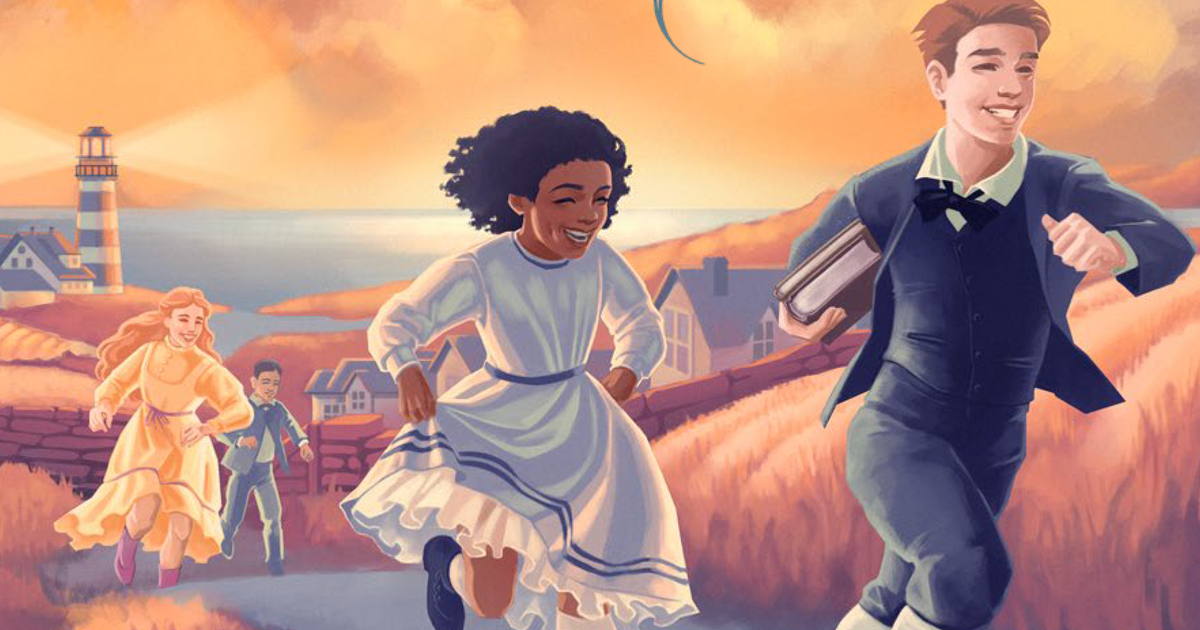
Castles in the Air invites players to step into a world reminiscent of Louisa May Alcott’s Little Women and Lucy Maud Montgomery’s Anne of Green Gables. It focuses on a tight-knit group of friends growing up during the American Gilded Age, a period spanning roughly from the 1870s to the 1900s. The game is structured to facilitate a multi-generational narrative, where the "castles in the air"—the grand dreams and aspirations of youth—either find foundations in reality or vanish under the pressures of a changing world.
Literary Foundations and Cinematic Inspiration
The core appeal of Castles in the Air lies in its deep roots in the "coming-of-age" genre. The developers have explicitly cited the 2019 film adaptation of Little Women, directed by Greta Gerwig, as a stylistic touchstone. Much like the film’s non-linear exploration of the March sisters’ lives, the RPG encourages players to examine how the bonds formed in the nursery or on the playground dictate the trajectories of their adult lives.
Similarly, the influence of Anne of Green Gables, particularly the aesthetic and emotional tone of the 2017 Netflix series Anne with an E, is evident in the game’s rural setting and its focus on "bosom friends" and "heated rivalries." By channeling these beloved stories, Castles in the Air provides a framework for players to explore themes of ambition, family duty, social mobility, and the inevitable loss of childhood wonder.
Setting the Stage: The American Gilded Age
While many narrative-heavy RPGs lean toward European settings, Castles in the Air is firmly rooted in the American Gilded Age. This era was defined by a paradox: it was a time of unprecedented economic growth, rapid industrialization, and the rise of the "robber barons," but it was also a period of intense social struggle, rural isolation, and rigid class structures.
For the characters in the game, this historical backdrop provides the friction necessary for compelling drama. A child growing up on a peaceful farm in the 1870s might find themselves facing the smog-choked reality of a bustling metropolis by the 1890s. The shift from agrarian life to the industrial machine serves as a metaphor for the internal shift from the freedom of play to the responsibilities of labor and marriage. The Gilded Age setting allows players to engage with the specific social mores of the time, including the expectations placed on young women, the pressures of maintaining family prestige, and the widening gap between the wealthy elite and the working class.
Collaborative Storytelling and Game Mechanics
Castles in the Air utilizes a collaborative storytelling model that prioritizes narrative flow over complex mathematical systems. The game is divided into distinct phases, beginning with "The Spring of Youth." During this initial stage, players portray children who possess "great expectations" but live relatively quiet, rural lives. Mechanics focus on shared activities—swimming in lakes, exploring farmlands, and stargazing—to establish a deep emotional baseline for the characters.
As the narrative progresses into "The Autumn of Adulthood," the mechanics shift to reflect the growing complexity of the characters’ lives. Relationships that began as simple friendships may evolve into romantic entanglements or bitter rivalries. The game introduces prompts and archetypes that help players navigate these transitions.
Character Archetypes and Roles
Players choose from a variety of roles that represent classic literary tropes of the 19th century. These include:
- The Troublesome Scamp: A character defined by their energy and penchant for mischief, often masking a deeper sensitivity.
- The Studious Bookworm: A character who seeks escape and knowledge through literature, often dreaming of worlds far beyond their small town.
- The Spoiled Princess: A character burdened by high social expectations and the material comforts that often come with a lack of personal agency.
Beyond these roles, players define their characters through specific "dreams," family backgrounds, and established relationships with other players. A unique feature of the game is the "bosom enemy"—a character with whom the player has a deep-seated friction that drives much of the interpersonal drama throughout the campaign.
The Creative Team: Storybrewers Roleplaying
The development of Castles in the Air is led by Melia Carraway, with significant design contributions from Storybrewers Roleplaying co-founders Vee Hendro and Hayley Gordon. The studio has built a reputation for excellence in the "niche" RPG market, specifically within the realm of "romance and manners" gaming.
Their previous success, Good Society, demonstrated that there is a substantial audience for games that eschew traditional combat in favor of social maneuvering and emotional stakes. By applying the lessons learned from Good Society to the American Gilded Age, the team at Storybrewers is expanding the boundaries of what TTRPGs can achieve. Their design philosophy emphasizes "safety and consent" tools, ensuring that while the drama can be intense, the experience remains supportive and enjoyable for all participants.
Crowdfunding and Market Trends
The launch of Castles in the Air on Kickstarter reflects a broader trend in the tabletop industry. Independent creators are increasingly turning to crowdfunding to bypass traditional publishing hurdles and reach a dedicated audience directly. As of late May 2024, the campaign has seen significant interest, highlighting a demand for "cozy" or "emotional" gaming experiences.

The pledge tiers for the project are structured to accommodate different levels of engagement:
- Digital Tier: For AU$ 34 (approx. £18/$26), backers receive a digital version of the game, making it accessible to a global audience.
- Physical Tier: For AU$ 99 (approx. £52/$77), backers receive a high-quality physical copy of the book, which is expected to ship in March 2025.
The production timeline suggests a meticulous approach to art and layout, with the physical book intended to serve as an aesthetic piece that reflects the Gilded Age period.
Analysis: The Rise of Narrative-First Gaming
The emergence of games like Castles in the Air signifies a maturation of the TTRPG hobby. For decades, the industry was dominated by systems like Dungeons & Dragons, where character growth is primarily measured through numerical statistics and combat prowess. However, a new generation of players is seeking games that provide a structured way to explore human emotion and personal growth.
Castles in the Air fills a specific void in the market by providing a "low-stakes, high-emotion" environment. It appeals not only to veteran roleplayers looking for a change of pace but also to fans of historical fiction and classic literature who may have never considered themselves "gamers" before. The emphasis on "growing up" is a universal theme, making the game relatable across different cultures and age groups.
Furthermore, the game’s focus on "drifting apart and meeting again" introduces a level of narrative sophistication rarely seen in tabletop games. Most campaigns assume a party of adventurers will stay together indefinitely; Castles in the Air acknowledges the reality of life—that people change, move away, and evolve, and that these changes are what make a story worth telling.
Timeline and Future Outlook
The Kickstarter campaign for Castles in the Air is scheduled to conclude on June 9, 2024. Following the conclusion of the funding phase, Storybrewers Roleplaying will move into the final stages of writing, art commissioning, and layout.
- June 2024: Kickstarter campaign ends.
- Late 2024: Final playtesting and manuscript completion.
- Early 2025: Digital distribution to backers.
- March 2025: Physical shipping of the hardcover books.
As the tabletop industry continues to diversify, Castles in the Air stands as a testament to the power of niche storytelling. By focusing on the quiet moments of a life lived—the star-filled nights of childhood and the difficult choices of maturity—Storybrewers Roleplaying is offering a unique experience that celebrates the ordinary beauty of the human experience. Whether players are seeking to recreate the sisterhood of the March family or the spirited independence of Anne Shirley, this game provides the tools to build "castles in the air" and, eventually, the ground on which to stand.
Related posts: