Revisiting Supergirl: Woman of Tomorrow: A Critical Reassessment Ahead of the DC Universe Film


The impending cinematic adaptation of Supergirl: Woman of Tomorrow, slated for release on June 26, 2026, has ignited a fervent re-examination of the original eight-issue comic miniseries. Initially met with widespread critical acclaim upon its 2021 debut, the Tom King-penned, Bilquis Evely-illustrated, and Matheus Lopes-colored series is now undergoing a more rigorous and often divisive scrutiny, particularly among long-time fans of Kara Zor-El. This renewed discourse, spurred by the comic’s foundational role in James Gunn’s nascent DC Universe, compels a deeper analysis of its narrative choices, characterization, and the implications for Supergirl’s future on the big screen.
The Genesis and Initial Reception of a Critically Acclaimed Series
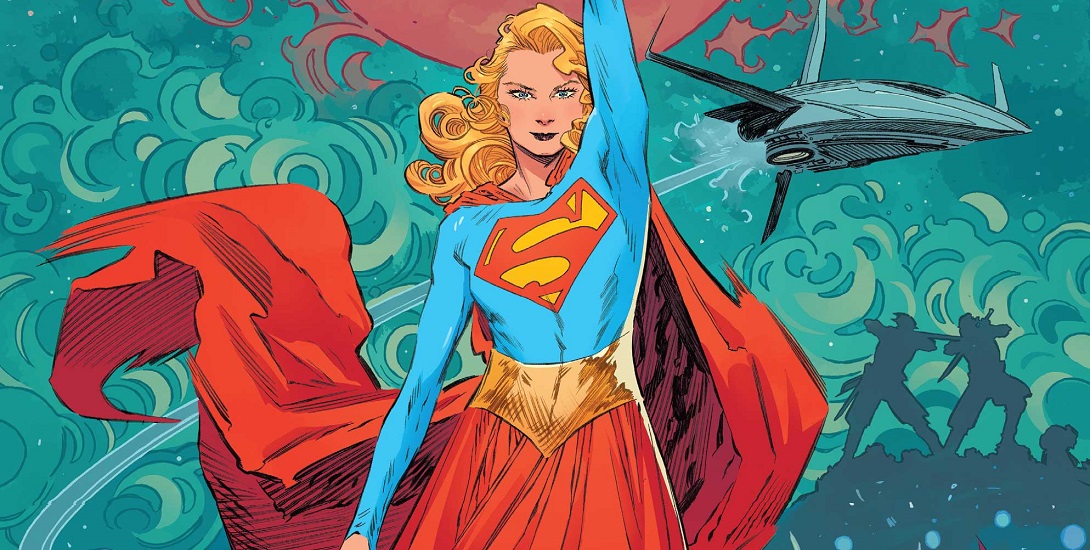
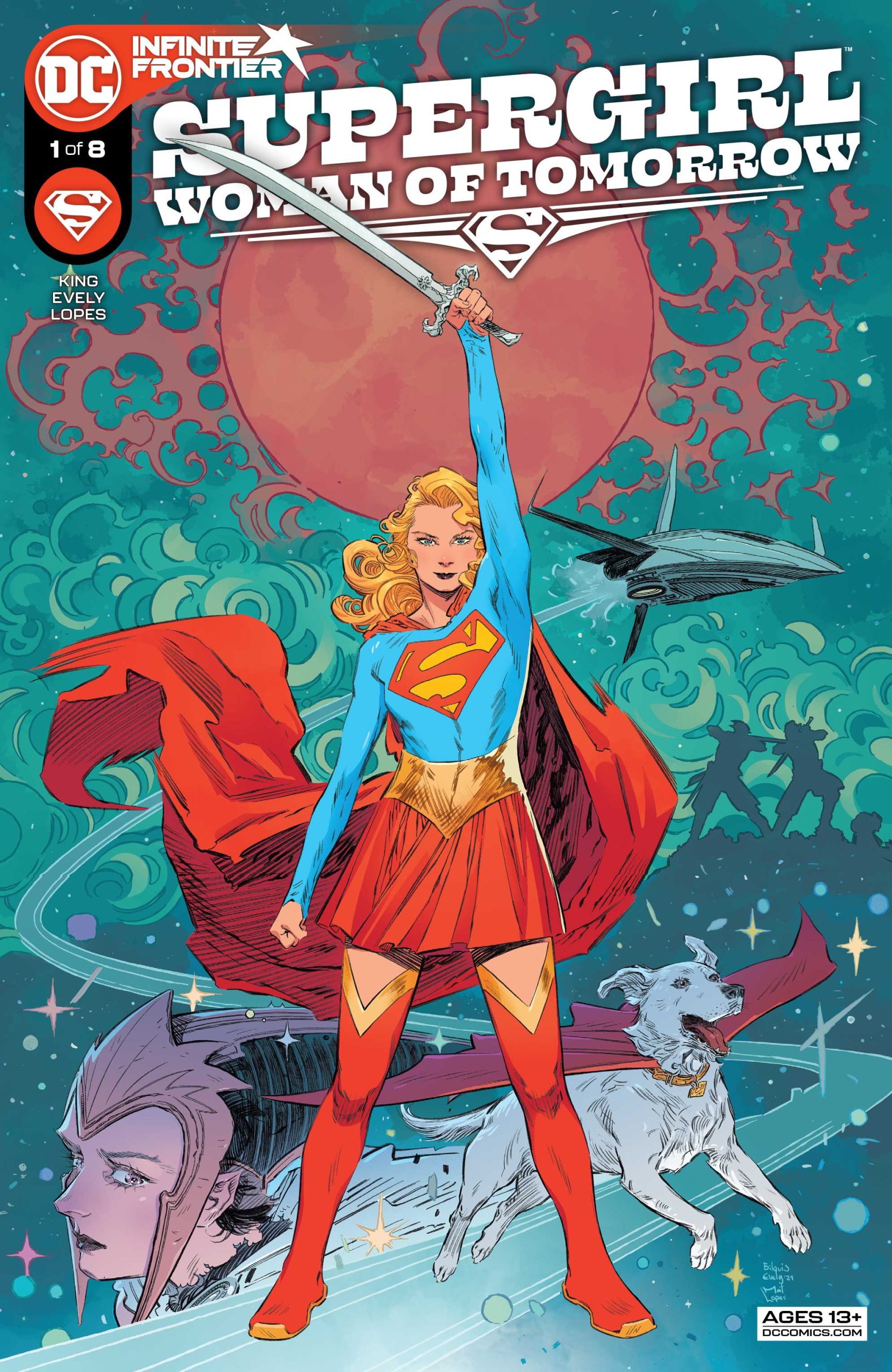
Supergirl: Woman of Tomorrow, published by DC Comics, presented a bold reimagining of Kara Zor-El, sending her on a cosmic journey of revenge alongside a young alien girl named Ruthye. The series was lauded for its striking visuals, poetic narration, and ambitious thematic scope. Critics in 2021 frequently highlighted its maturity and exploration of trauma, loss, and the nature of heroism through a more grounded, albeit still fantastical, lens. Many early reviews, including those published by DC Comics News, celebrated the series as a poignant and visually stunning take on a character often overshadowed by her cousin, Superman. Its aggregated critic score on platforms like Comic Book Roundup reflected this initial enthusiasm, generally hovering in the high 8s to low 9s out of 10. The series quickly became a bestseller for DC, underscoring its immediate impact and popularity within the comic book market.
Tom King, known for his psychologically complex and often polarizing work on titles like Batman, Mister Miracle, and Strange Adventures, brought his signature style to Supergirl. His narratives frequently delve into the aftermath of trauma, exploring the darker facets of heroism and the human (or Kryptonian) condition. This approach often results in stories that challenge established character interpretations, leading to both fervent praise for their depth and sharp criticism for perceived deviations from core character traits. Bilquis Evely’s artwork, characterized by its intricate detail and expressive figures, combined with Matheus Lopes’s vibrant, otherworldly color palette, was universally praised as a standout element, creating a distinct visual identity that elevated King’s script.
The Cinematic Imperative: Woman of Tomorrow as a DCU Cornerstone
The announcement that Supergirl: Woman of Tomorrow would serve as the direct inspiration for the DC Universe’s cinematic Supergirl debut solidified its status as a pivotal work. James Gunn, co-CEO of DC Studios, explicitly stated his admiration for the series, citing its unique tone and compelling narrative as the perfect foundation for introducing Kara Zor-El to a new generation of filmgoers. Milly Alcock, known for her role in House of the Dragon, has been cast as the new cinematic Supergirl, signaling the studio’s commitment to this specific interpretation.
This direct adaptation strategy, where a specific comic run forms the bedrock of a film, is a calculated move by DC Studios to establish a cohesive narrative universe. For Supergirl, it means that the themes, character arcs, and potentially even the controversial ending of Woman of Tomorrow are likely to significantly influence how audiences perceive Kara Zor-El for years to come. This high-stakes adaptation has naturally prompted a return to the source material, with both new readers and seasoned fans meticulously dissecting every panel and narrative choice.
A Critical Re-evaluation: Unpacking the Controversies

The intervening four years since the comic’s release, coupled with the film announcement, have allowed for a more extensive and critical dialogue around Woman of Tomorrow. What was once broadly celebrated is now viewed through a more complex lens, particularly concerning its portrayal of Supergirl. Many long-time enthusiasts of the character, distinct from fans of the series or King’s broader work, have voiced significant concerns regarding how Kara is depicted.
One of the most frequently cited points of contention revolves around the "drunk Supergirl" scene in the first issue, presented as part of her 21st birthday celebration. The scene depicts a lonely, self-isolating Kara consuming alcohol. While the original review acknowledged this as a reasonable moment for a young woman feeling misunderstood, the re-evaluation questions its placement and underlying justification. The narrative posits a Supergirl "who had fallen into hopelessness and nihilism," but critics now argue that the comic fails to adequately establish the build-up to such a profound emotional state.
Traditional portrayals of Supergirl, particularly in her post-Crisis iterations, often emphasize her resilience, optimism, and her journey of finding belonging on Earth, becoming a symbol of hope distinct from Superman’s more established role. While she carries the trauma of Krypton’s destruction, it has typically been depicted as a catalyst for her compassion and determination, not a descent into nihilism. The comic’s decision to present her at such a low point, seemingly disconnected from her established support network (Clark Kent, Lois Lane, other heroes), feels incongruous to many who view Kara as having largely moved beyond a debilitating, lasting trauma.

The absence of a clear narrative impetus for her despair on her 21st birthday is also highlighted. The opportunity to connect this significant age to a Kryptonian rite of passage – perhaps a guild choosing, as explored in previous runs – could have provided a palpable, culturally specific reason for her feelings of loss and displacement. Instead, her isolation feels less earned and more imposed, serving a specific thematic purpose for King rather than organically flowing from the character’s established history. This raises questions about whether the series acknowledges Kara’s extensive history or largely disregards it to serve its own narrative.
Narrative Techniques and the Reread Experience
A second reading of Woman of Tomorrow often reveals narrative devices that were less apparent on first pass. King’s thematic parallelism, aligning Ruthye’s trauma of witnessing her father’s murder with Kara’s trauma of losing Krypton, becomes strikingly clear. This technique is central to understanding the comic’s ultimate message and its controversial ending. The story frames their shared journey as a mutual exploration of grief, justice, and the allure of revenge.
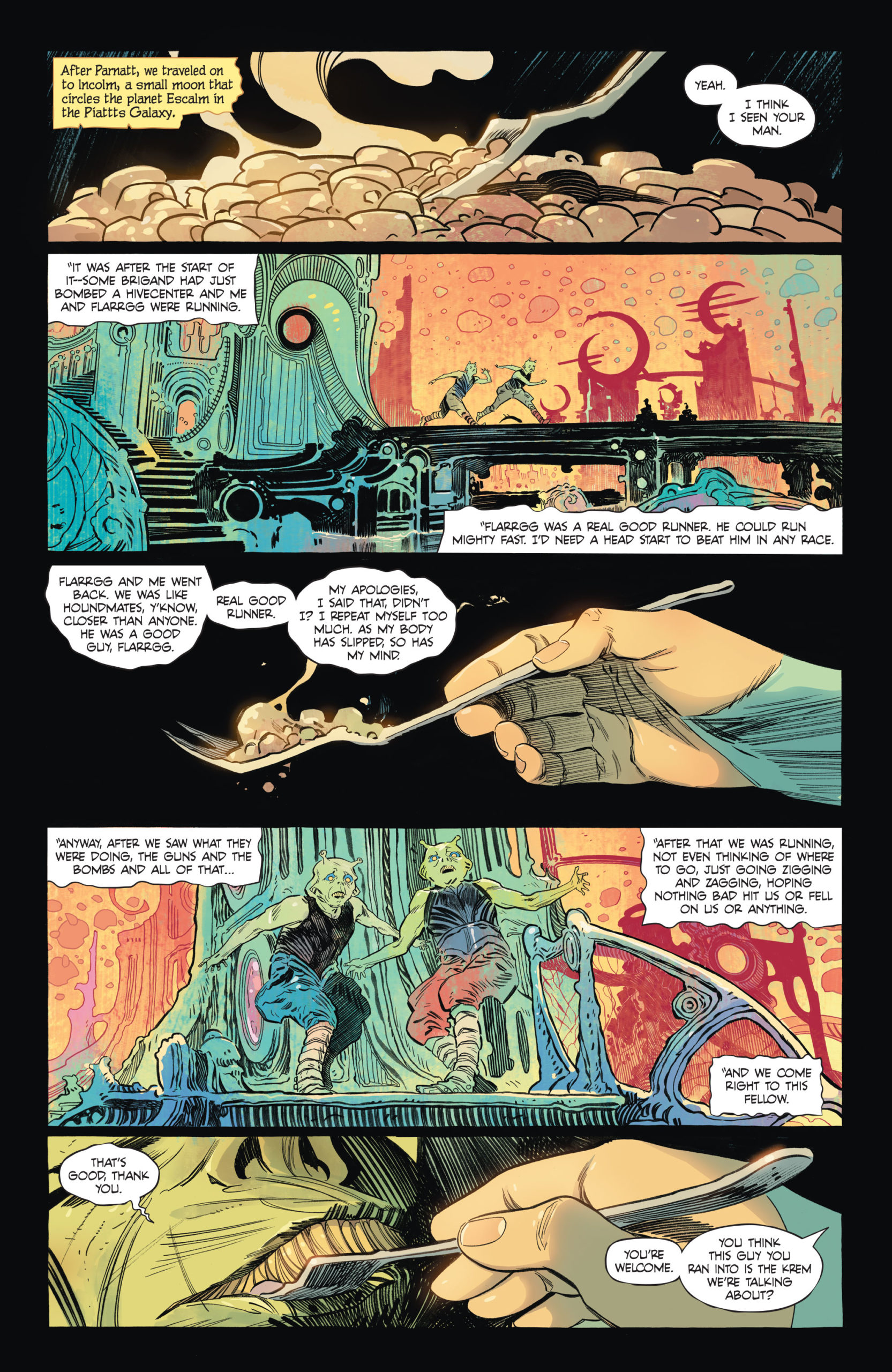
However, for some, the narrative’s heavy reliance on internal monologue and the pre-determined knowledge of the ending can detract from the reread experience. The initial read is driven by questions: Will Krypto be saved? Will Krem be found? Can Supergirl dissuade Ruthye from revenge? Once these plot points are known, the journey itself, characterized by extensive dialogue and internal narration, can feel "overwritten" or "tedious." While still containing powerful moments of Supergirl’s compassion and strength, the urgency of the central quest diminishes, exposing what some perceive as a lack of compelling mid-story development that deeply impacts Kara’s character.
The Artistic Triumph: Evely and Lopes
Amidst the vigorous debates surrounding King’s script and characterization, one aspect of Supergirl: Woman of Tomorrow remains consistently and universally lauded: the art. Bilquis Evely’s detailed, dynamic pencils and inks, complemented by Matheus Lopes’s breathtaking colors, are widely considered the series’ undisputed strength. Their collaboration crafts a visually stunning cosmic odyssey, rendering alien worlds, action sequences, and intimate emotional moments with equal mastery.
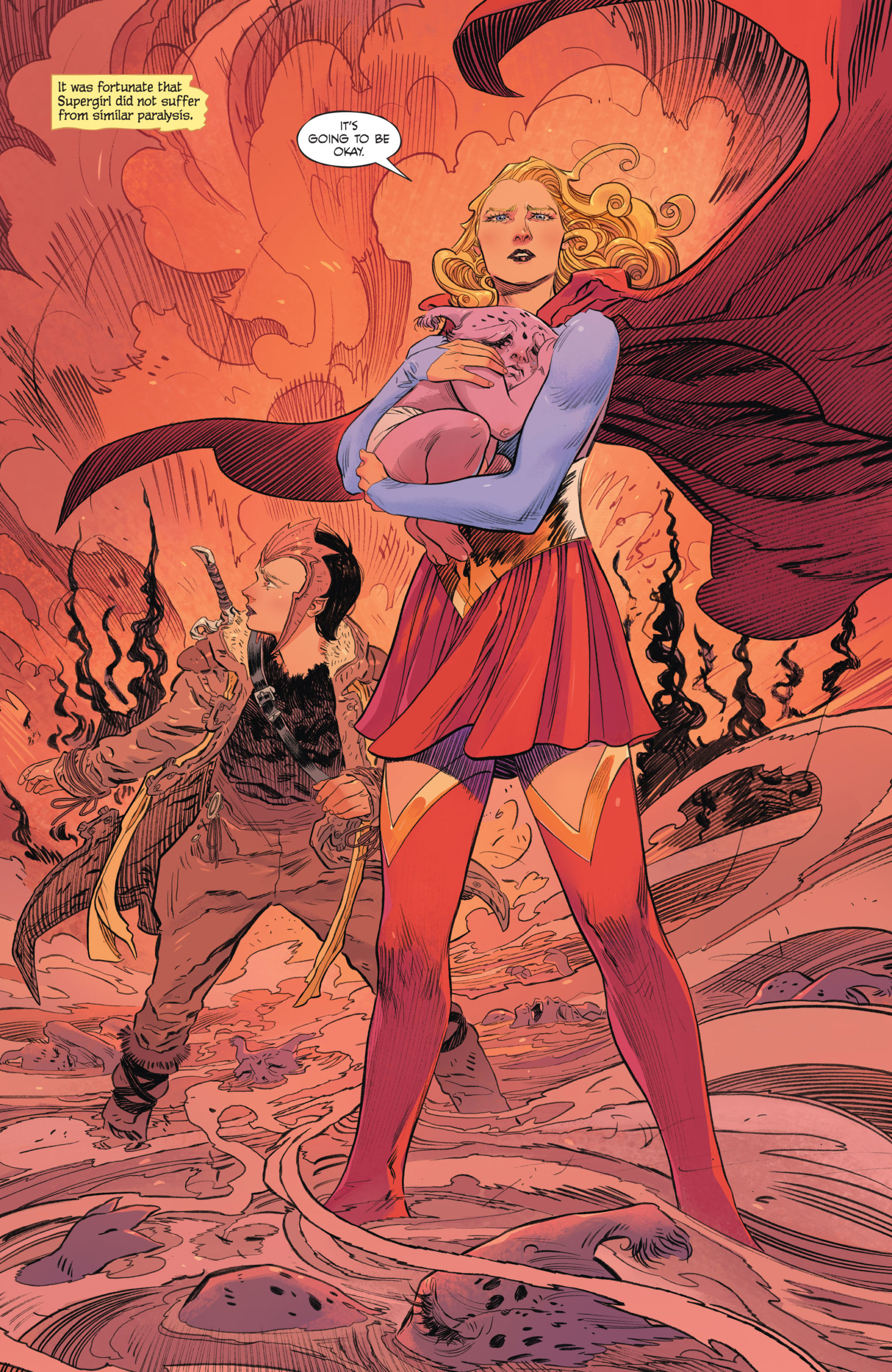
Many critics and readers argue that the art alone makes the series worth experiencing, even for those who find the narrative or character choices problematic. This phenomenon is not entirely new for King’s works; several of his projects, including Mister Miracle (with Mitch Gerads) and Strange Adventures (with Gerads and Evan "Doc" Shaner), have been praised for their exceptional artistic contributions, often seen as elevating or even salvaging controversial narratives. In Woman of Tomorrow, Evely and Lopes’s work ensures that, regardless of one’s take on the story, there are numerous pages that stand as masterpieces of comic book illustration.
The Divisive Climax: Murder, Nihilism, and Character Transformation
The most contentious element of Supergirl: Woman of Tomorrow is undoubtedly its ending, particularly the climax where Supergirl confronts Krem and the final scene involving Ruthye. In issue #8, Supergirl holds Krem at sword-point, delivering a passionate speech about the temptation of murder as a proxy for her own Kryptonian trauma. While initially interpreted by some as a rhetorical flourish—Supergirl, a known hero, would never truly succumb to murder—a closer re-reading, particularly in light of King’s broader thematic intentions, suggests a genuine temptation. This interpretation posits that King intentionally portrays Supergirl as dangerously close to committing murder, driven by unresolved grief and nihilism. For many long-time fans, this portrayal represents a fundamental mischaracterization, arguing that Supergirl’s moral compass is far too strong for such an action. King’s propensity for writing characters "out of character" to serve his narrative agenda is a recurring criticism leveled against his work, and this scene is seen as a prime example.

The final page, set years later, after Krem has served his time in the Phantom Zone, shows Ruthye striking Krem. Supergirl is present but remains silent as Ruthye walks away in one direction and Supergirl in another. The initial reception to this ending was largely one of confusion, its ambiguity leading to varied interpretations. However, a deeper analysis, particularly considering the narrative parallelism established throughout the series, points strongly towards Ruthye killing Krem. The final panel mirrors the first panel of issue #1, where Krem murdered Ruthye’s father, creating a classic cinematic and comic book technique of echoing events.
If Ruthye indeed kills Krem, it profoundly alters the thematic landscape of the series and Supergirl’s character arc. Supergirl’s silence in the face of this act, despite her previous efforts to dissuade Ruthye from revenge and the Phantom Zone warden’s report of Krem’s penitence, signifies a radical shift. It suggests that Supergirl, far from overcoming her trauma, has implicitly endorsed revenge, effectively descending into a state of nihilism and hopelessness. She becomes defined by the destruction of Krypton, unable to transcend her past and embrace the hopeful future she typically embodies. This interpretation presents a Supergirl who has undergone a significant, and for many, deeply unsettling, character transformation, one that fundamentally redefines her moral stance and her place as a paragon of justice. The alternative interpretation—that Ruthye merely "bops" Krem lightly—is seen as thematically hollow and incongruent with the serious tone and profound emotional stakes of the preceding narrative.
Implications for the DC Universe Film and Supergirl’s Legacy

The critical re-evaluation of Supergirl: Woman of Tomorrow and its divisive ending presents a unique challenge and opportunity for James Gunn’s DC Universe. The film will need to navigate these contentious aspects carefully. Will the cinematic adaptation embrace the darker, more nihilistic interpretation of Kara, or will it soften these elements to present a more traditionally heroic Supergirl? The chosen path will have significant implications for how Supergirl is perceived in the new DCU, setting the tone for her character for years to come.
Adapting a story with such a polarizing characterization demands a delicate balance. The film could lean into the comic’s psychological depth, exploring the nuances of Supergirl’s trauma and the complexities of justice and revenge. Alternatively, it could use the comic as a starting point, perhaps depicting Kara’s journey away from nihilism and towards a more hopeful, inspiring role, aligning more closely with long-standing fan expectations for the character. The decision will not only shape the individual film but also influence the broader narrative fabric of the DC Universe, demonstrating how its heroes grapple with darkness and define their moral boundaries.
In conclusion, Supergirl: Woman of Tomorrow has transitioned from a celebrated miniseries to a complex touchstone for the future of a major superhero. Its impending film adaptation has cast a new light on its narrative choices, particularly its portrayal of Kara Zor-El’s emotional state and the implications of its ambiguous, yet powerful, ending. As the cinematic release approaches, the ongoing critical discourse ensures that the "Woman of Tomorrow" remains a character fiercely debated, deeply analyzed, and undeniably impactful in the evolving tapestry of superhero narratives.