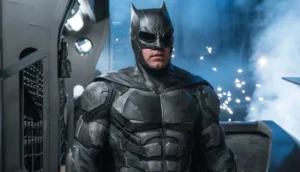
Warning: Major spoilers ahead. Most movies are built around the idea that the hero will survive. That is exactly why it is so memorable when filmmakers decide to do the opposite. Sometimes the ending feels tragic, sometimes heroic, and sometimes completely inevitable, but these films show that a protagonist’s death can be many stories’ only logical culmination. A recent Reddit discussion asked movie fans to name the best films where the main character dies, and the answers covered everything from action classics to emotional dramas. These are the movies people could not stop mentioning, even knowing exactly how they end.
The exploration of mortality in cinema, particularly when the protagonist meets their end, offers a profound departure from conventional narrative arcs. While many films are meticulously crafted to ensure the hero’s survival, a subgenre of storytelling thrives on the deliberate subversion of this expectation. These narratives leverage the finality of death to imbue their conclusions with a unique resonance, ranging from the heart-wrenching to the defiantly triumphant. This artistic choice, often perceived as a bold narrative gamble, can elevate a film from mere entertainment to a thought-provoking examination of life, sacrifice, and legacy.
A recent online discourse, originating from a popular Reddit thread dedicated to cinematic discussions, sought to identify the most impactful films where the central character’s demise is a pivotal plot point. The responses garnered from this community spanned a wide spectrum of genres, reflecting the diverse ways in which filmmakers have utilized this narrative device. The films that repeatedly surfaced in these discussions are those whose endings, while potentially foreshadowed or inevitable, leave an indelible mark on the viewer, demonstrating that a protagonist’s death can serve as the only fitting conclusion to their unique story.
This compilation, drawing from the collective sentiment of film enthusiasts, highlights cinematic achievements where the protagonist’s ultimate sacrifice or unfortunate end is not merely a plot twist but a thematic cornerstone, resonating long after the credits roll.

Unforgettable Departures in Modern Cinema
The landscape of contemporary filmmaking has seen numerous instances where the central figure’s fate is sealed, leaving audiences to grapple with the emotional and thematic weight of their demise. These films often push the boundaries of conventional storytelling, forcing viewers to confront the stark realities of loss and consequence.
The Departed (2006)
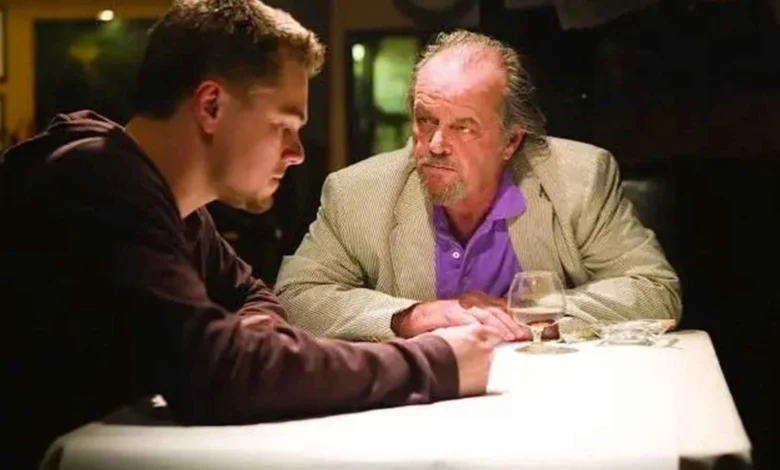
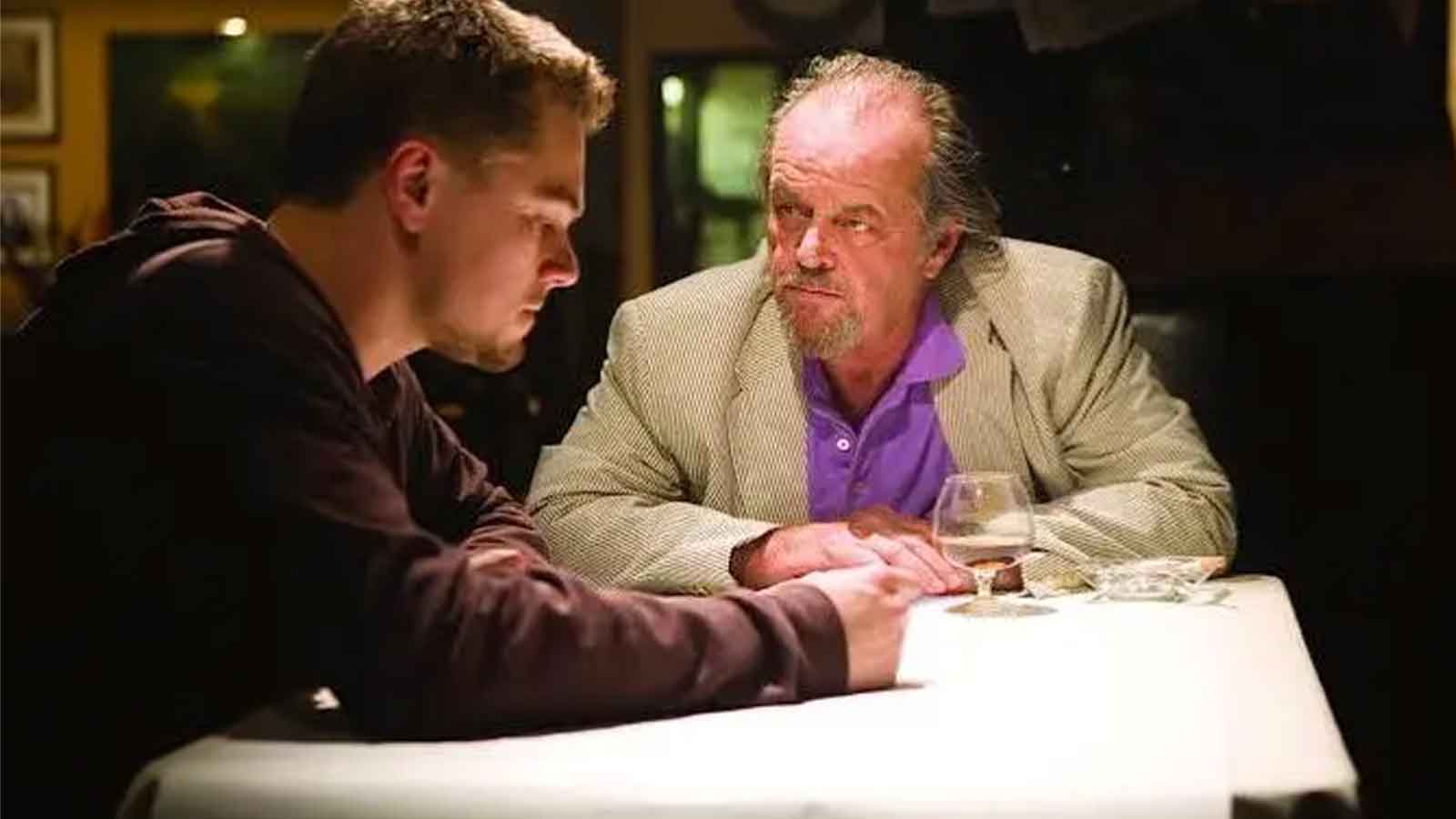
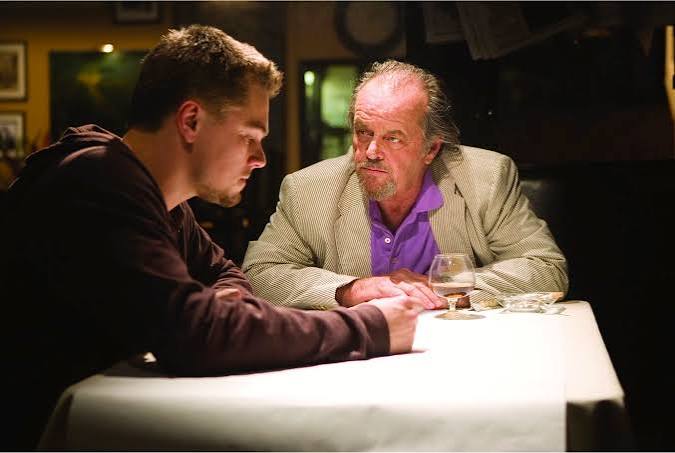
Martin Scorsese’s critically acclaimed crime thriller, The Departed, features one of the most shocking and impactful character deaths in recent cinematic history. The film meticulously builds tension as Billy Costigan, portrayed by Leonardo DiCaprio, infiltrates an Irish mob organization while a mole within the police force, Colin Sullivan (Matt Damon), works to maintain his cover. Costigan’s relentless pursuit of justice and his increasingly precarious position culminate in a brutal and unexpected end, catching countless audiences completely off guard. The film’s exploration of identity, betrayal, and the corrosive nature of deception makes Costigan’s fate a stark reminder of the high stakes involved in his undercover operation. The film, a remake of the Hong Kong thriller Infernal Affairs, garnered significant critical praise and commercial success, ultimately winning the Academy Award for Best Picture, solidifying its place as a landmark in the crime genre.
Gladiator (2000)
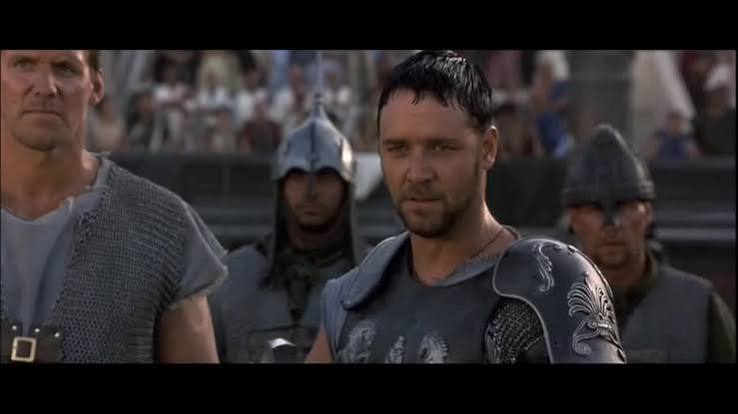
Ridley Scott’s epic historical drama, Gladiator, presents a powerful narrative of vengeance and redemption. Maximus Decimus Meridius, played by Russell Crowe, is a betrayed Roman general forced into gladiatorial combat. His journey through the arena, fueled by a desire to avenge his murdered family and overthrow the tyrannical emperor Commodus, culminates in a final, triumphant victory. However, this ultimate triumph comes at the ultimate cost. Maximus succumbs to his wounds, his death rendering the film one of the most satisfying and emotionally resonant conclusions ever committed to film. The film’s sweeping visuals, intense action sequences, and a compelling performance by Crowe earned it widespread acclaim, including the Academy Award for Best Picture.
Braveheart (1995
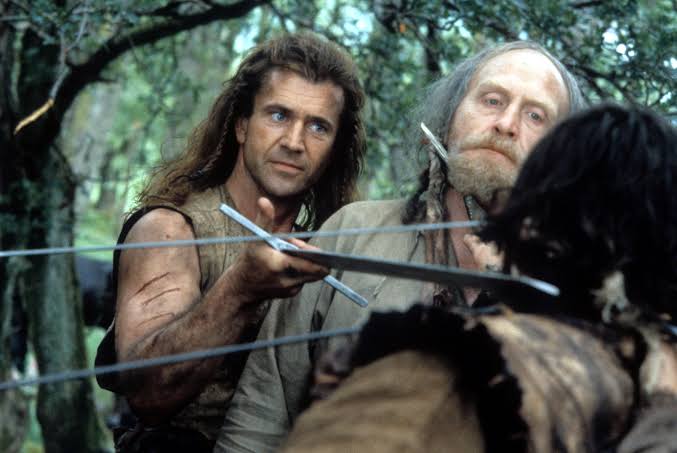
Mel Gibson’s directorial and starring effort, Braveheart, chronicles the life and legend of Scottish warrior William Wallace. The film depicts Wallace’s fierce rebellion against English rule in the late 13th century. His unwavering commitment to freedom and his inspiring leadership rally the Scottish people. The film’s climax sees Wallace captured and subjected to a brutal execution. However, his death transforms him into an enduring symbol of Scottish resistance and independence, making the ending as profoundly inspiring as it is heartbreaking. Braveheart was a critical and commercial success, earning five Academy Awards, including Best Picture and Best Director.
Logan (2017)
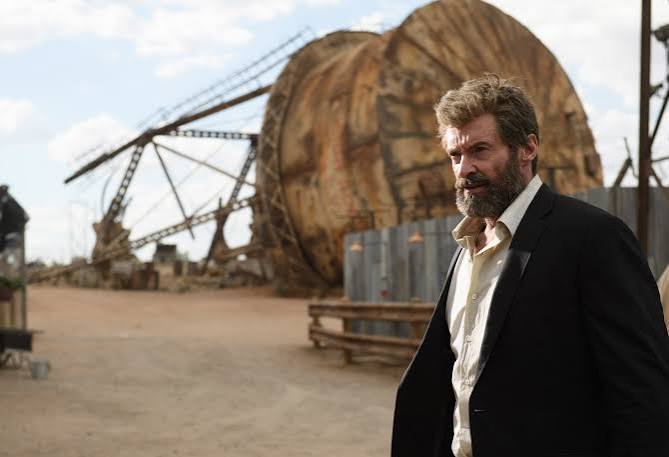
James Mangold’s Logan offers a gritty and emotionally charged farewell to Hugh Jackman’s iconic portrayal of Wolverine. Set in a dystopian future, the film finds a weary and aging Logan, his mutant healing factor failing, protecting a young mutant named Laura. The film culminates in a profoundly moving sacrifice, where Logan gives his life to ensure Laura’s safety and escape. This deeply emotional ending is widely regarded as a fitting and powerful conclusion to one of superhero cinema’s most enduring characters. The film’s mature themes and character-driven narrative distinguished it within the superhero genre, earning critical praise for its bold approach.
Gran Torino (2008)
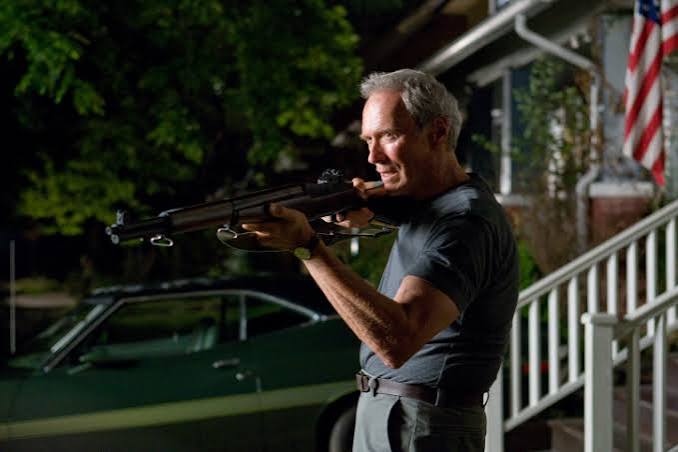
Clint Eastwood’s Gran Torino is a poignant drama that explores themes of prejudice, redemption, and community. Eastwood stars as Walt Kowalski, a Korean War veteran and widower who harbors deeply ingrained prejudices. His life takes an unexpected turn when he forms a complex relationship with his Hmong neighbors, particularly a young teenager named Thao. In a final act of self-sacrifice, Walt orchestrates his own death to protect his neighbors from a local gang, bringing the powerful drama to a moving and meaningful close. The film was lauded for its nuanced portrayal of character development and its exploration of intergenerational and intercultural relationships.
No Country for Old Men (2007)
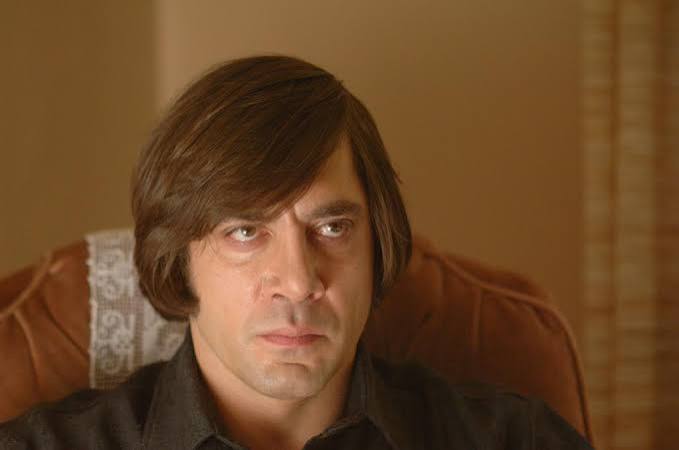
The Coen Brothers’ neo-Western thriller, No Country for Old Men, is renowned for its stark portrayal of violence and fate. The film follows Llewelyn Moss (Josh Brolin), a Vietnam veteran who stumbles upon a drug deal gone wrong and absconds with a briefcase full of money. His decision triggers a relentless pursuit by the psychopathic Anton Chigurh (Javier Bardem). In a significant departure from traditional narrative expectations, Llewelyn Moss dies off-screen, a chillingly abrupt end that still surprises first-time viewers and underscores the film’s bleak and unpredictable nature. The film was a critical triumph, securing four Academy Awards, including Best Picture.
American Beauty (1999)
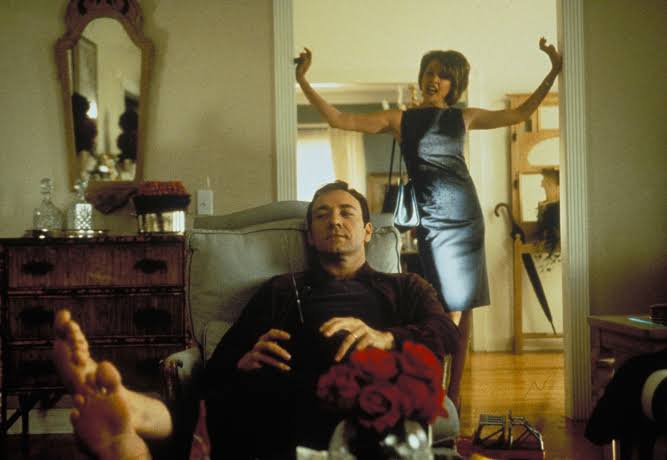
Sam Mendes’ directorial debut, American Beauty, offers a darkly comedic and satirical look at suburban disillusionment. Kevin Spacey stars as Lester Burnham, a man experiencing a profound midlife crisis who becomes infatuated with his daughter’s teenage friend. The film’s narrative structure is intricately woven with Lester’s retrospective narration, which provides unexpected and poignant meaning to the events leading up to his death. His demise, though violent, is framed as a liberation from the mundane and the superficiality he despises. The film garnered widespread critical acclaim and numerous awards, including the Academy Award for Best Picture.
The Green Mile (1999)
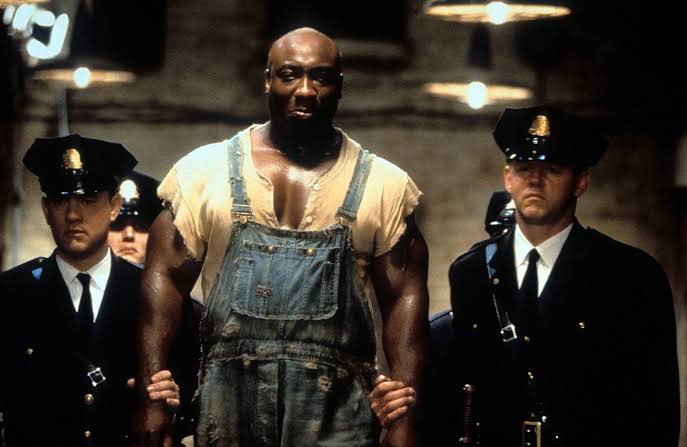
Based on Stephen King’s novel, Frank Darabont’s The Green Mile is a deeply moving supernatural drama set on death row. Tom Hanks stars as Paul Edgecomb, a prison guard who witnesses the extraordinary abilities of John Coffey (Michael Clarke Duncan), an inmate wrongly convicted of murder. Coffey’s gentle nature and miraculous healing powers starkly contrast with his grim fate. The film’s depiction of John Coffey’s eventual execution remains one of the most emotional and tragic moments in Stephen King adaptations, exploring themes of innocence, injustice, and divine intervention.
Thelma & Louise (1991)
Ridley Scott’s iconic road movie, Thelma & Louise, starring Geena Davis and Susan Sarandon, tells the story of two friends whose weekend getaway turns into a desperate flight from the law. As their options dwindle and their rebellion against societal constraints intensifies, they face a monumental choice. The unforgettable final drive, where they drive off a cliff into the Grand Canyon, transformed the film into one of Hollywood’s most powerful and celebrated endings, symbolizing their ultimate freedom in the face of capture. The film was nominated for six Academy Awards and has become a touchstone for feminist cinema.
Enduring Legacies of Protagonist Deaths
The impact of a protagonist’s death in cinema extends beyond the immediate shock or sadness; it can fundamentally alter the audience’s perception of the film’s themes and the character’s journey, leaving a lasting impression.
The Wrestler (2008)
Darren Aronofsky’s The Wrestler provides a raw and unflinching portrayal of Randy "The Ram" Robinson (Mickey Rourke), a washed-up professional wrestler grappling with the physical and emotional toll of his career. The film’s ambiguous final scene, which depicts Randy preparing for a dangerous leap from the top rope, deliberately leaves room for interpretation. However, most viewers interpret his final, determined action as the end of his journey, a poignant and tragic embrace of his chosen, albeit destructive, path. The film was critically acclaimed, particularly for Rourke’s comeback performance.
Donnie Darko (2001)
Richard Kelly’s cult classic, Donnie Darko, presents a complex and mind-bending narrative about a troubled teenager. Jake Gyllenhaal plays Donnie, a high school student who is plagued by visions and guided by a six-foot-tall rabbit named Frank. The film’s intricate plot culminates in Donnie’s ultimate sacrifice, where he travels back in time to save his loved ones and prevent a catastrophic event. His death provides the film’s intricate story with its profound emotional and philosophical payoff, solidifying its status as a unique and thought-provoking cinematic experience.
Rogue One: A Star Wars Story (2016)
Gareth Edwards’ Rogue One: A Star Wars Story marked a significant departure from the typical Star Wars narrative by featuring the deaths of its entire main team. The film, set immediately before the events of Star Wars: A New Hope, follows Jyn Erso (Felicity Jones) and a ragtag group of rebels as they embark on a perilous mission to steal the Death Star plans. In a display of ultimate sacrifice, every member of the central team gives their lives to ensure the success of their mission, a stark and powerful demonstration of commitment to the Rebel cause. The film’s darker tone and thematic focus on sacrifice resonated with audiences and critics alike.
Leon: The Professional (1994
Luc Besson’s stylish and intense thriller, Léon: The Professional, introduces Léon (Jean Reno), a seasoned hitman who reluctantly takes in 12-year-old Mathilda (Natalie Portman) after her family is murdered. Their unusual bond develops as Léon trains Mathilda in his deadly profession. The film’s climax sees Léon make the ultimate sacrifice to save Mathilda, delivering an ending that is both profoundly tragic and strangely hopeful, as Mathilda carries on his legacy. The film was praised for its performances, direction, and unique blend of action and emotional depth.
Road to Perdition (2002)
Sam Mendes’ atmospheric crime drama, Road to Perdition, stars Tom Hanks as Michael Sullivan, a hitman for the Irish mob during the Great Depression. Following a betrayal that leads to the death of his wife and son, Sullivan embarks on a violent quest for revenge alongside his young surviving son. While Sullivan ultimately achieves a form of closure and ensures his son’s safety, his own survival is fleeting, giving the story a bittersweet and poignant conclusion. The film’s masterful cinematography and Hanks’ departure from his typical heroic roles garnered critical acclaim.
Butch Cassidy and the Sundance Kid (1969)
George Roy Hill’s beloved Western, Butch Cassidy and the Sundance Kid, stars Paul Newman and Robert Redford as the titular outlaws. The film chronicles their exploits and their desperate flight from the law. The legendary freeze-frame ending, as the duo faces an overwhelming posse, leaves little doubt about their ultimate fate. This iconic conclusion not only provides a definitive end to their outlaw journey but also cemented the film as one of cinema’s most celebrated and enduring finales, embodying the spirit of adventure and defiance. The film was a massive critical and commercial success, winning four Academy Awards.
The deliberate choice by filmmakers to have their protagonists meet their end is a powerful narrative tool that can elevate a film’s thematic depth and emotional impact. These cinematic moments, whether tragic, heroic, or inevitable, serve as potent reminders of the human condition and the profound narratives that can emerge when conventional storytelling is bravely defied. The enduring popularity of these films, even with their spoiler-laden conclusions, speaks to the power of a well-executed and thematically resonant ending.