The Tragic Origins of Doctor Doom and the Looming Threat to the Marvel Cinematic Universe

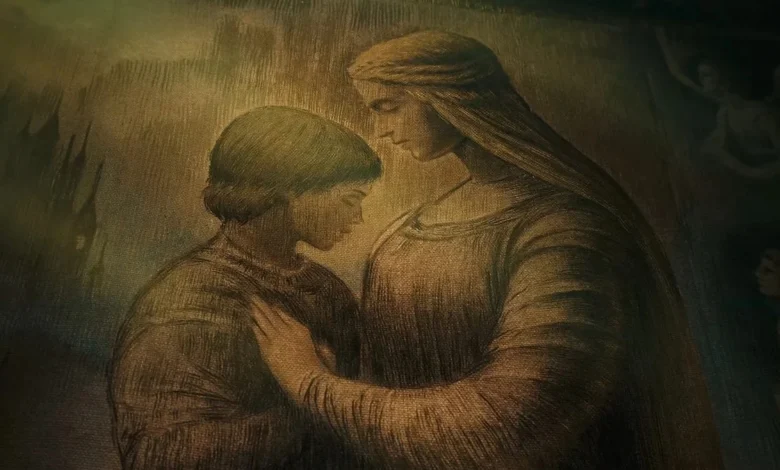
The landscape of the Marvel Cinematic Universe (MCU) is set to undergo a fundamental shift with the upcoming release of Avengers: Doomsday. As the studio prepares to pit its most iconic ensemble against one of comic book history’s most formidable antagonists, new details regarding the motivation and psychological profile of Victor von Doom have emerged. Co-director Joe Russo, speaking with Empire, has characterized this iteration of the character as a "Gothic" figure—a dark sorcerer defined not merely by his formidable intellect and magical prowess, but by a profound, irreparable trauma. Unlike previous iterations of the character in either cinematic history or the foundational Marvel source material, the MCU’s Doctor Doom is a father mourning the loss of his child, a narrative choice that adds a layer of emotional volatility to his quest to dominate the multiverse.

The Evolution of a Villain: From Source Material to Screen
In the extensive history of Marvel Comics, Victor von Doom’s family life has been a subject of complex storytelling. His history is rooted in the tragic loss of his mother, Cynthia von Doom, and his father, Werner, but the inclusion of a biological child who dies—serving as the primary catalyst for his villainy—is a departure from canonical lore. In the comics, Doom has historically been associated with an adopted son, Kristoff Vernard, who was groomed to be his heir. While Kristoff has played a significant role in various storylines, his character arc does not revolve around his death.
The decision to pivot to a narrative of parental grief represents a strategic shift by Marvel Studios. By anchoring Doom’s malice in the universal experience of loss, the filmmakers are creating a character who is not merely interested in world domination for its own sake, but one who believes his actions are justified by a reality that has failed him. This creates a terrifying, proactive antagonist who feels he has nothing left to lose.

Kevin Feige on the Identity of Victor von Doom
One of the most persistent rumors surrounding the casting of Robert Downey Jr. as Victor von Doom was the concern that the character might be a "variant" of Tony Stark, potentially serving as a multiversal shortcut to bring back a beloved hero. However, Marvel Studios President Kevin Feige has moved decisively to quash these theories.
In recent commentary, Feige emphasized the autonomy of the character. When asked about potential connections between the technological genius of Stark and the sorcery of Doom, Feige noted that the audience’s tendency to search for variant connections is a byproduct of the current "Multiverse Saga" storytelling structure. He clarified that the version of Victor von Doom appearing in Avengers: Doomsday is a standalone entity, independent of the Iron Man legacy. This distinction is vital for the film’s stakes; if Doom were simply an alternate version of a known hero, his actions might be viewed through a lens of redemption or tragedy. By confirming his status as a distinct, original figure, Marvel ensures that Doom’s malice is unburdened by the audience’s affection for the actors’ previous roles.

Chronology of the Multiverse Saga
The trajectory toward Avengers: Doomsday has been carefully calibrated across several years of film and television content. The foundation was laid during the conclusion of the Infinity Saga, followed by the introduction of the multiverse concept in Spider-Man: No Way Home and Doctor Strange in the Multiverse of Madness.
- 2021-2022: The establishment of the multiverse and the introduction of "incursions"—the collision of realities—created the environmental pressure for a character like Doom to emerge.
- 2024: The announcement of Robert Downey Jr.’s casting sent shockwaves through the industry, signaling a shift in tone for the MCU.
- 2025-2026: Leading up to the theatrical release of Doomsday, the narrative focus has shifted toward the fragility of the hero’s existence. Trailers and promotional materials have specifically highlighted the "stolen lives" narrative, wherein Doom perceives the heroes of the MCU as entities that have defied the natural order of death and loss.
A Calculated Threat: Targeting the Parental Instinct
The most chilling implication of the film’s premise lies in the demographic of the Avengers themselves. The current roster of the MCU, along with the expanded cast of mutants and allies, is comprised largely of parents. Thor, who recently adopted the daughter of Gorr the God Butcher; Hawkeye; Ant-Man; Hulk; and the members of the Fantastic Four, including Reed and Sue Richards, all have deep personal stakes in the safety of their children.

If, as the narrative suggests, Doctor Doom is driven by a nihilistic response to the death of his own child, his strategy may involve more than just global conquest. A villain who views the world through the lens of a grieving parent is capable of targeting the familial foundations of his enemies. By forcing the heroes to witness the same loss he has endured, Doom could attempt to prove that the universe is inherently cruel and that their "heroism" is merely a thin veil over a chaotic, indifferent reality.
Analysis of Implications for Future MCU Content
The introduction of such a heavily traumatized, "damaged" villain necessitates a change in the pacing and emotional weight of the Avengers films. In previous entries, the conflict was often resolved through physical might or a sacrifice of the hero. With a character like Doom, the struggle becomes philosophical and psychological.
Supporting data from recent box-office trends suggests that audiences are increasingly drawn to "grounded" stakes within the spectacle of the superhero genre. By focusing on the internal landscape of the villain, Marvel is attempting to mirror the success of character-driven antagonists, a move that could potentially reinvigorate interest in the franchise. The stakes are no longer just the destruction of a city or the planet; the stakes are now the emotional security of the heroes themselves.
Furthermore, the "Gothic" aesthetic described by the Russo brothers suggests a departure from the high-tech, sleek visuals of the Stark-era MCU. The inclusion of murals, mystical artifacts, and a sense of history that predates the modern heroes suggests that Doom will bring an ancient, somber weight to the screen. This aesthetic choice is not merely visual; it serves to highlight the antiquity of his pain and the permanence of his objective.

Conclusion
As the release date for Avengers: Doomsday approaches, the narrative portrait of Victor von Doom continues to solidify. He is a man defined by the absence of his child, a sorcerer who has rejected the boundaries of mortality, and a formidable opponent who views the existence of the Avengers as an affront to the natural order. Whether he targets the children of the heroes or seeks to rewrite the laws of the multiverse to reclaim what he lost, one thing remains clear: this iteration of Doctor Doom is designed to be the most intimate and frightening threat the MCU has ever faced. The era of the "big bad" who simply wants to destroy the world is being replaced by something more complex, more personal, and undeniably more dangerous. The heroes of the Marvel Cinematic Universe are about to encounter a force that does not want to win; it wants to ensure that everyone feels the weight of the grief it has been forced to carry alone.