The long-lost 2009 educational film Als Brain A 3-D Journey Through the Human Brain is now available for public viewing

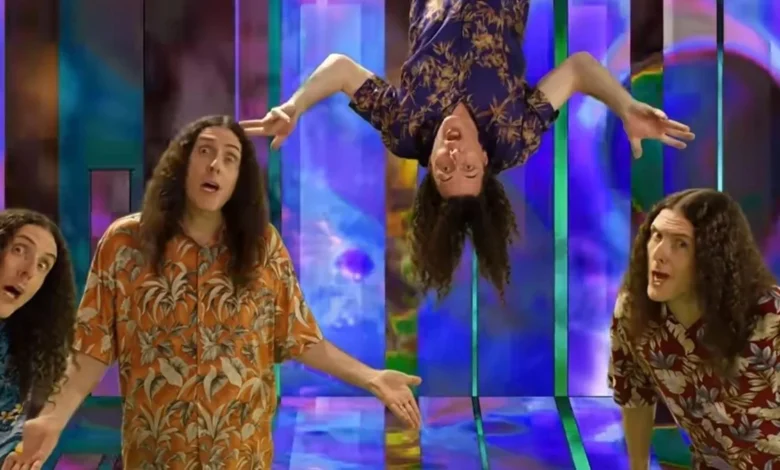
For over four decades, Alfred Matthew Yankovic—professionally known as "Weird Al"—has maintained a singular position in American popular culture as the preeminent master of musical parody. Since the 1980s, Yankovic has bridged the gap between avant-garde comedy and mainstream commercial success, achieving a level of longevity rarely seen in the music industry. While his career is defined by iconic parodies of artists ranging from Michael Jackson to Lady Gaga, his creative output has frequently extended into film, television, and experimental multimedia. Recently, a previously elusive piece of his filmography, the 2009 educational short Al’s Brain: A 3-D Journey Through the Human Brain, was officially released online, ending a 17-year period of relative obscurity for the production.
Context and Origin of the Production
The film originated as a site-specific project intended for exhibition at state fairs across the United States. During the late 2000s, the state fair circuit served as a unique venue for high-concept, short-form entertainment, often utilizing early 3D projection technology to engage younger audiences. Al’s Brain was commissioned to function as an educational tool, designed to simplify complex neurological concepts into a palatable format for children and families.
Yankovic, who served as both the lead performer and a creative architect for the project, approached the educational material with his signature brand of surrealist humor. The production was not merely a series of dry, scientific facts; it was framed as a narrative journey, utilizing a blend of live-action performances and computer-generated imagery (CGI). At the time of its release in 2009, the film was screened exclusively in specialized venues, making it inaccessible to the general public once the fair tours concluded. For nearly two decades, the film existed primarily in the memories of those who attended the fairs and as a fragmented entry in fan archives, fueling curiosity about its contents.
Chronology of the Lost Film
The timeline of Al’s Brain is indicative of the challenges inherent in preserving niche digital media.

- 2009: The film premieres at various state fairs as a traveling 3D attraction.
- 2010–2025: The production is largely retired from the public eye. While the audio track for the film’s central musical component, "The Brain Song," was later salvaged and released in the 2017 box set Squeeze Box: The Complete Works of “Weird Al” Yankovic, the visual component remained locked in archival status.
- September 2026: Following years of inquiries from fans and archivists, Yankovic officially uploaded the high-definition master of the film to his official YouTube channel, marking its first legitimate, widespread release since its theatrical run.
The Intersection of Science and Celebrity
The production is notable not only for its subject matter but for its unexpected cast list. Yankovic, known for his vast network of industry peers, successfully recruited several prominent figures in comedy and entertainment for cameo appearances. The film features performances by Patton Oswalt, Tim Heidecker, and Eric Wareheim, alongside the professional model and television personality Fabio.
Perhaps the most significant inclusion is a brief appearance by Sir Paul McCartney. The cameo serves as a testament to Yankovic’s stature within the music industry; his ability to secure such an iconic figure for an educational short underscores the collaborative, often whimsical nature of his professional relationships. The inclusion of these figures served to ground the film’s educational goals in a recognizable, high-energy environment, likely intended to sustain the attention of a younger demographic.
Technical Analysis and Production Value
A critical observation regarding Al’s Brain is its visual aesthetic, which reflects the technical limitations and aesthetic trends of the late 2000s. The CGI, which appears dated by contemporary standards, serves as a time capsule for the era’s digital animation styles. Industry analysts often note that educational films produced for traveling exhibits frequently faced strict budgetary constraints, which necessitated a prioritization of clear, didactic messaging over high-fidelity rendering.
Despite these limitations, the film succeeds in its stated mission: communicating the functions of the human brain. The integration of "The Brain Song"—a track written and performed specifically for the project—acts as a mnemonic device. By utilizing song structure to deliver scientific information, the film employs established pedagogical techniques that remain effective in informal learning environments.
Industry Implications and Archival Significance
The release of Al’s Brain into the digital commons provides a case study in the importance of media preservation. In an era where digital content is often lost to server migrations, format obsolescence, or simple neglect, the recovery of this film is significant for pop culture historians.
The move also highlights a growing trend among veteran performers to curate and digitize their own back catalogs. By taking ownership of the distribution of his early and obscure works, Yankovic is able to bypass the gatekeeping of traditional physical media, ensuring that his creative legacy is accessible to new generations of fans. This approach aligns with the broader shift in the entertainment industry toward "direct-to-consumer" archival, where artists leverage their own platforms to manage their historical footprint.
Furthermore, the release serves as a reminder of the niche, yet commercially viable, market for educational entertainment. While the film is primarily viewed today as a curiosity, its structure—combining humor, celebrity, and science—remains a viable template for educational content. The positive reception of the video on platforms like YouTube suggests that there is a persistent interest in the "deep cuts" of long-standing public figures, as audiences seek to understand the breadth of an artist’s career beyond their primary hits.
Conclusion: The Legacy of a Creative Polymath
The recovery and publication of Al’s Brain are consistent with the trajectory of Yankovic’s career, which has consistently pushed against the boundaries of traditional music industry expectations. By documenting his own work and making it available, Yankovic has effectively ensured that this minor footnote in his career is not erased by the passage of time.
As the film now resides on a permanent, public-facing platform, it transitions from a "lost" artifact to a piece of verified historical record. It stands as a curious, humorous, and educational testament to the inventive spirit that has allowed Weird Al Yankovic to remain a household name for nearly half a century. Whether analyzed as a piece of experimental comedy or as an unconventional educational tool, Al’s Brain provides a comprehensive look at an artist who, even when working on a modest budget for a state fair audience, remained committed to providing high-quality, entertaining content.
Related posts: