The first trailer for the highly anticipated film Avengers: Doomsday has ignited a firestorm of speculation and excitement among Marvel enthusiasts worldwide. However, alongside the cinematic spectacle, Marvel Studios unveiled a new poster for the film that, upon closer examination, offers a profound hint at a deeply resonant narrative thread, potentially centering on the iconic Doctor Strange and the complex history of Doctor Doom. This poster, eschewing the typical ensemble cast of heroes, instead focuses on a solitary figure, Doctor Doom, ascending a grand staircase towards a significant tapestry. The central image on this tapestry – a planet overlooked by a young boy and his mother – strongly suggests a pivotal moment from Doom’s formative years, specifically the tragic fate of his mother, Cynthia Von Doom. This imagery not only grounds the formidable villain in a poignant personal history but also directly alludes to one of the most critically acclaimed Doctor Strange comic book narratives, Doctor Strange and Doctor Doom: Triumph and Torment.
Unveiling a Hidden Narrative: The Avengers: Doomsday Poster’s Significance
While the Avengers: Doomsday trailer showcased a galaxy of Marvel heroes, including potential appearances from the X-Men, Fantastic Four, and Wakandan forces, the accompanying poster presents a starkly different vision. It features only Doctor Doom, depicted from behind as he approaches a richly detailed tapestry. This artistic choice is deliberate, drawing the viewer’s attention to the imagery woven into the fabric. At the heart of the tapestry lies a celestial body, a planet, under which stand two figures: a young boy and a woman, presumably Victor Von Doom and his mother, Cynthia. This visual cue immediately signals the importance of Doom’s maternal lineage and its impact on his character.
The inclusion of Cynthia Von Doom is particularly resonant for long-time comic book aficionados. Her tragic backstory, as depicted in various Marvel narratives, is intrinsically linked to the origins of Victor Von Doom’s villainy and his complex relationship with magic. This focus on Doom’s personal history, specifically his maternal ties, suggests that Avengers: Doomsday may delve deeper into the psychological underpinnings of its antagonists, moving beyond mere cosmic threats to explore the roots of their motivations.
Echoes of a Classic: Doctor Strange and Doctor Doom: Triumph and Torment
The visual narrative presented on the Avengers: Doomsday poster directly invokes the landmark 1989 graphic novel, Doctor Strange and Doctor Doom: Triumph and Torment, penned by Roger Stern with unforgettable art by Mike Mignola. This seminal work, widely regarded as one of the finest Doctor Strange stories ever told, provides a crucial narrative framework for understanding the potential Doctor Strange-centric plot hinted at by the poster.
In Triumph and Torment, Stephen Strange assumes the mantle of Sorcerer Supreme, a position that carries a significant obligation: to grant a boon to one of his rivals for the title. The mystical triumvirate known as the Vishanti decree that this boon must be bestowed upon none other than Victor Von Doom. Reluctantly, and driven by a deeply buried personal quest, Doom accepts Strange’s assistance to embark on a perilous journey into the Underworld. Their objective: to liberate the soul of Cynthia Von Doom, who has been held captive by the demonic entity Mephisto since he orchestrated her death.
This narrative arc in Triumph and Torment is not merely an action-packed adventure; it serves as a profound character study for both Doctor Strange and Doctor Doom. For Strange, the experience teaches him humility and the importance of looking beyond simplistic notions of good versus evil, crucial lessons as he steps into his role as the supreme protector of Earth’s mystical dimension. For Doom, the journey exposes the deep-seated sorrow and vulnerability beneath his megalomaniacal facade. It reveals a villain whose actions, however destructive, are often fueled by a desperate yearning for recognition, love, and a desperate attempt to rectify past injustices, particularly those inflicted upon his mother.
The Complex Tapestry of Doctor Doom’s Motivations
While the poster’s immediate impact lies in its connection to Cynthia Von Doom and Triumph and Torment, it’s essential to contextualize Victor Von Doom’s character within the broader Marvel canon. Doom’s identity is a complex weave of intellectual arrogance, a fierce desire for control, and a deeply buried capacity for genuine emotion. His rivalry with Reed Richards and the Fantastic Four is legendary, a constant drive to prove his own superior intellect and power. Furthermore, his tragic first love, Valeria von Frazen, after whom he names his goddaughter (and Reed and Sue Storm’s daughter), adds another layer of emotional complexity, highlighting his capacity for profound, albeit often misdirected, affection.
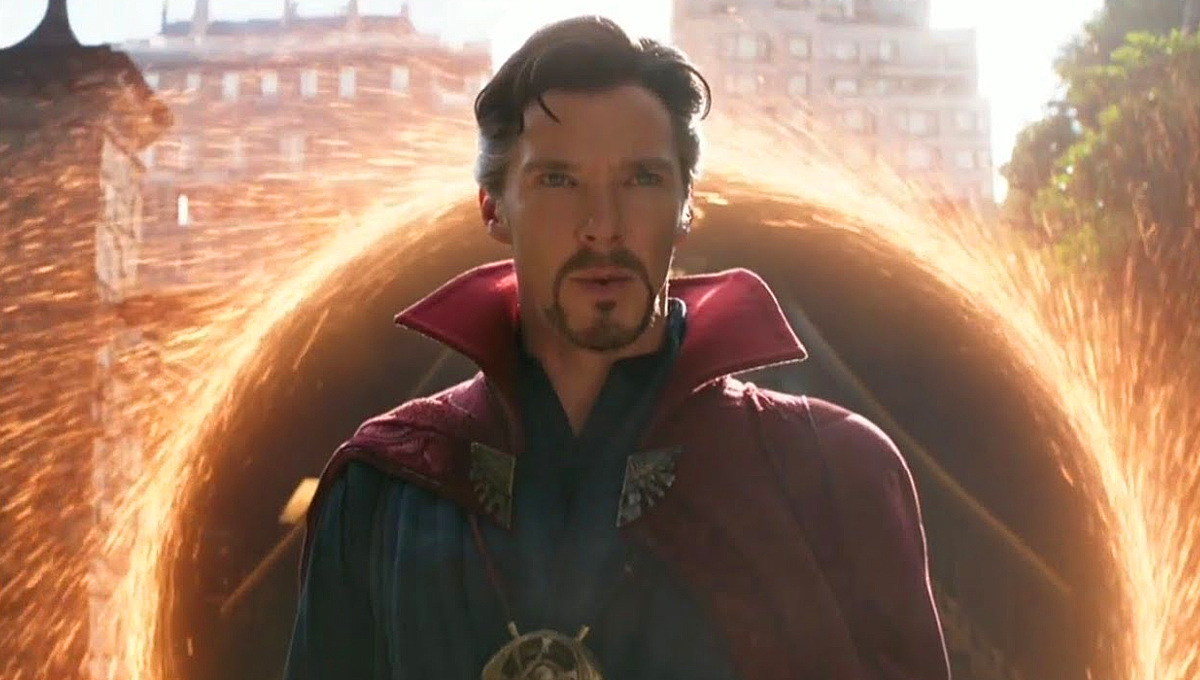
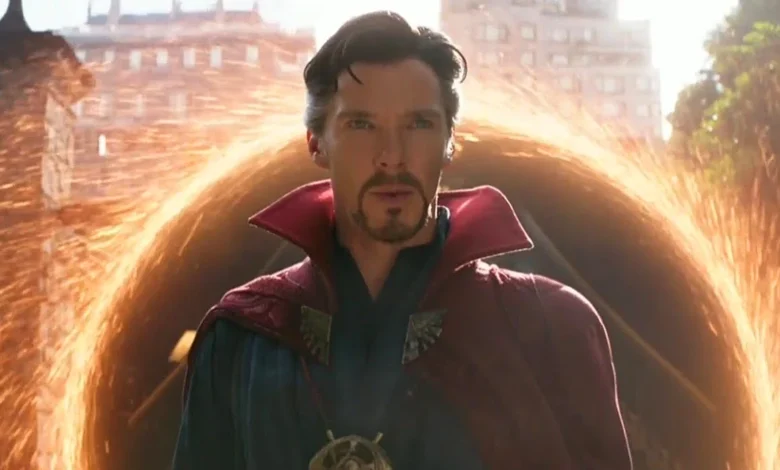
However, the influence of his mother, Cynthia, cannot be overstated. A Romani woman with an aptitude for magic in the oppressed land of Latveria, Cynthia’s life was cut tragically short. Her mastery of arcane arts attracted the unwanted attention of a local baron, and her inability to save his ailing wife led to her brutal murder. This event shattered her husband, Werner, and young Victor, forcing them into exile. Victor’s subsequent rise to power, his embrace of both science and magic, and his tyrannical rule over Latveria are all, in part, a response to the profound trauma of his mother’s death and the systemic oppression he witnessed and experienced. While science initially failed him, it was his mother’s legacy of magic that ultimately became a cornerstone of his formidable power.
Artistic Vision and Thematic Depth in Triumph and Torment
Roger Stern’s writing in Doctor Strange and Doctor Doom: Triumph and Torment masterfully captures a Bronze Age sensibility, characterized by verbose declarations and heightened dramatic flair. This style, while potentially challenging for some modern readers, perfectly complements the larger-than-life personalities of Doctor Strange and Doctor Doom, as well as the fantastical beings they encounter. The ensuing confrontations are not just battles of might but also clashes of wills and philosophical debates, all delivered with a theatrical flourish that enhances the surreal and epic nature of the narrative.
The artistic contributions of Mike Mignola are equally crucial to the graphic novel’s enduring legacy. Best known as the creator of Hellboy, Mignola’s predilection for monsters and gothic horror is vividly displayed. His work on Triumph and Torment shows a clear influence from Jack Kirby, evident in the robust, blocky figures and dynamic action sequences. However, Mignola’s signature use of deep shadows and negative space is less pronounced here, replaced by lighter lines and a more sketched aesthetic. This, combined with Mark Badger’s softer inks and watercolor washes, creates a visual texture that is both foreboding and emotionally resonant. The interplay of light and shadow, the subtle rendering of Victor’s anguish as he descends into the underworld, imbues the story with a profound sense of pathos, underscoring the personal stakes of his quest.
Beyond the visual and narrative spectacle, Triumph and Torment delivers on the promise of superhero action. Panels depicting Doom and Strange unleashing devastating magical attacks against demonic hordes are as thrilling as anything found in The Avengers or Fantastic Four. While Mephisto, a master trickster, cannot be defeated through brute force alone, the comic provides ample opportunity to witness Doom and Strange’s formidable combat prowess as they navigate the treacherous landscape of the Underworld.
Ultimately, however, the true triumph of Triumph and Torment lies not in its action sequences but in its thematic depth. The graphic novel serves as a powerful re-evaluation of both central characters. For Doctor Strange, it is a lesson in empathy and the recognition that the lines between good and evil are often blurred, a vital understanding for a newly appointed Sorcerer Supreme. For Doctor Doom, it humanizes the seemingly one-dimensional megalomaniac, revealing the profound sadness and the deeply personal motivations that drive his villainy. It showcases a character capable of immense power but also profound grief and a desperate, albeit twisted, desire for maternal vindication.
Implications for Avengers: Doomsday and the Future of the MCU
The deliberate focus on Doctor Doom’s past and his connection to his mother, Cynthia, through the Avengers: Doomsday poster, strongly suggests that the film will explore these themes in a significant capacity. If the film can successfully translate even a fraction of the emotional depth and artistic brilliance of Triumph and Torment, Avengers: Doomsday has the potential to transcend the typical superhero blockbuster. It could evolve into a nuanced, character-driven narrative that explores the complexities of villainy, the enduring power of familial bonds, and the philosophical quandaries that define the Marvel universe.
The inclusion of Doctor Doom as a central figure, possibly even as a primary antagonist or a more complex anti-hero, signals a potential shift in the MCU’s approach to its villains. Rather than presenting purely malevolent forces, the narrative may delve into the tragic circumstances and personal histories that forge such characters, offering audiences a more profound and empathetic understanding of their actions. This approach has the potential to elevate the film beyond a mere spectacle of explosions and CGI, offering a rich cinematic experience that resonates long after the credits roll.
The release of Avengers: Doomsday is slated for December 18, 2026. The anticipation surrounding this film has now intensified, with fans eager to see how the seeds of Doctor Doom’s past, as hinted at by the evocative poster, will blossom into a compelling and potentially award-winning storyline. The convergence of Doctor Strange’s mystical prowess and Doctor Doom’s complex, sorrowful history promises a narrative that is not only epic in scope but also deeply personal and emotionally resonant, potentially marking a new benchmark for superhero storytelling within the Marvel Cinematic Universe. The tapestry depicted in the poster is not just an artistic choice; it is a narrative promise, hinting at a story that is as rich in character as it is in cosmic conflict.