Supergirl: New Trailer Offers Fresh Look at Milly Alcock’s DC Universe Debut Amid High-Stakes Expectations

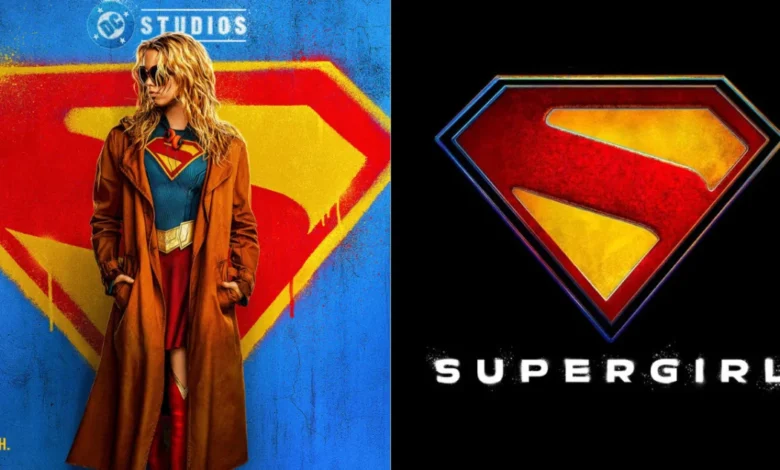
The cinematic landscape of the DC Universe is currently navigating a pivotal juncture, marked by the release of the latest trailer for Supergirl. Featuring Milly Alcock as the titular heroine, the promotional footage aims to recalibrate audience expectations following a period of intense public scrutiny and mixed reactions to initial previews. As the film approaches its scheduled release date of June 26, 2026, the studio is under significant pressure to demonstrate that this entry can successfully anchor a new era of superhero storytelling under the stewardship of DC Studios co-heads James Gunn and Peter Safran.
A Chronology of the Supergirl Production Cycle
The journey toward this latest trailer began with the formal casting announcement of Milly Alcock, whose rise to prominence in HBO’s House of the Dragon made her a top candidate for the role. Following her introduction into the DC Universe—specifically through her performance in the 2025 Superman film—expectations for her solo project reached a fever pitch.
However, the road to the screen has been fraught with challenges. When the first promotional footage debuted late last year, the response was polarized. While Alcock’s portrayal of Kara Zor-El was widely lauded for its emotional resonance and "punk rock" intensity, critics and fans alike expressed concerns regarding the film’s visual identity. The prevailing critique focused on a perceived lack of the vibrant, saturated color palette characteristic of the source material, specifically Tom King’s acclaimed Supergirl: Woman of Tomorrow comic run.
Subsequent reports from early test screenings, which emerged in the months following the initial teaser, suggested that the film was undergoing internal adjustments. These reports indicated that audiences responded favorably to Alcock’s performance but were less certain about the surrounding narrative structure and aesthetic choices. Such feedback is common in major studio blockbusters, yet given the high stakes of the rebooted DC Universe, these reports fueled speculation regarding the film’s stability.
Analyzing the Updated Footage
The latest trailer release serves as a strategic response to the initial criticism. Visually, the footage offers a more refined look at the film’s world, balancing the gritty, grounded tone established in the DC Universe’s new foundation with the cosmic scope required for a Kryptonian protagonist.
Key sequences in the new trailer highlight the isolation of the character, emphasizing the "Woman of Tomorrow" narrative arc. By showcasing moments of vulnerability alongside high-octane action, the studio appears to be leaning into the strength of its lead actor to anchor the film. The technical quality of the visual effects also appears to have seen significant refinement, suggesting that the post-production window has been utilized to address concerns regarding the film’s aesthetic finish.
DC Studios’ Strategic Marketing and Management
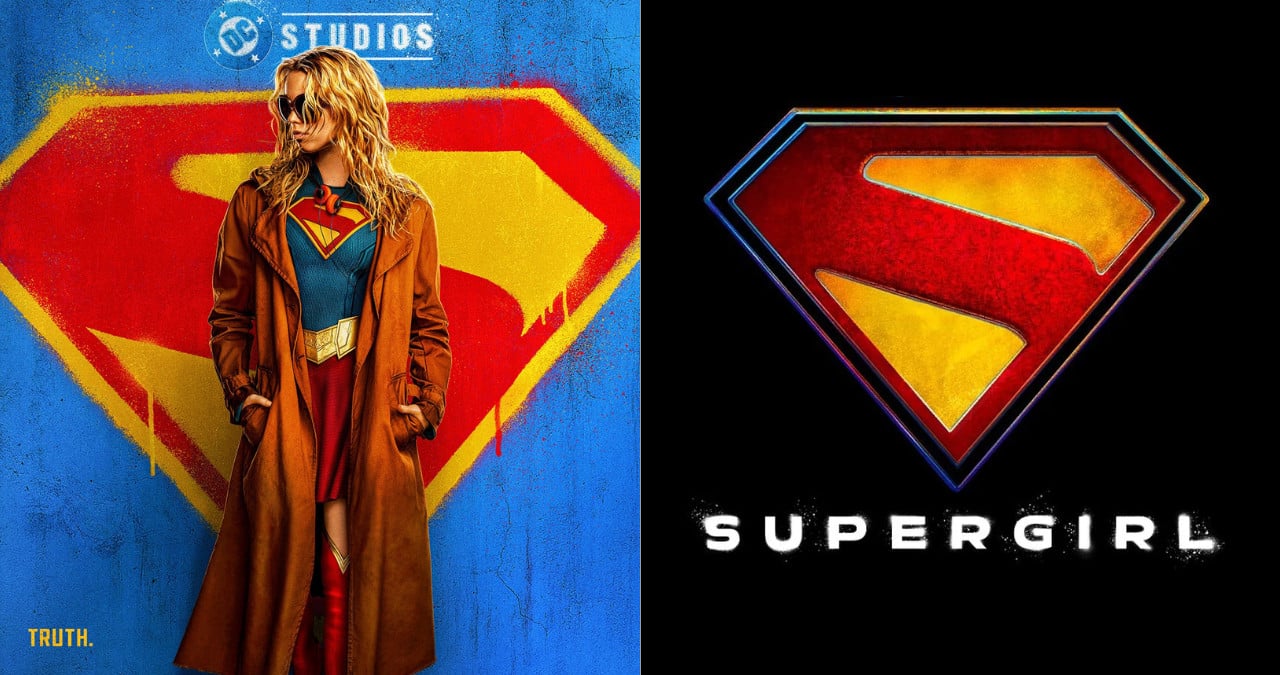
James Gunn, known for his proactive engagement with the fan community, recently shared a new official poster for the film. This is part of a broader, calculated marketing strategy intended to sustain momentum through the spring months. Historically, DC Studios has favored a "slow burn" approach to trailer drops, typically reserving the most revealing footage for the month preceding a film’s premiere.
Industry analysts suggest that the marketing timeline for Supergirl will likely follow a standard progression:
- The Teaser Phase: Establishing the protagonist and the basic premise (Completed).
- The Adjustment Phase: Addressing fan feedback and refining visual tone (Ongoing).
- The Final Push: A comprehensive theatrical trailer expected in May 2026, followed by localized teasers in June.
This incremental release schedule allows the studio to monitor audience sentiment in real-time, adjusting the narrative focus of subsequent clips to highlight elements that resonate most strongly with the demographic that has shown the most support.
The Broader Implications for the DC Universe
The success of Supergirl is not merely about a single character; it is a bellwether for the viability of the entire DC Universe reboot. Following the conclusion of the previous cinematic iterations of these characters, DC Studios has invested heavily in creating a cohesive, interconnected mythology. Supergirl sits at the center of this strategy, acting as both a bridge to the established Superman lore and a springboard for future cosmic-level narratives.
From a financial perspective, the pressure is immense. In an era where "superhero fatigue" has been a frequent topic of industry discussion, a film’s aesthetic and emotional authenticity are more critical than ever. Data from recent box office trends suggests that audiences are increasingly prioritizing character-driven stories over generic spectacle. By centering the marketing almost exclusively on Milly Alcock, DC Studios is signaling that they recognize this shift in consumer preference.
Furthermore, the involvement of creative talent known for character-first storytelling implies that the studio is attempting to avoid the common pitfall of focusing on world-building at the expense of individual character arcs. If the film performs well, it will likely validate the decision to integrate characters like Supergirl into the foundational stages of the DC Universe rather than relegating them to later, disconnected sequels.
The Role of Test Screenings in Modern Filmmaking
The discourse surrounding the Supergirl test screenings highlights a wider trend in Hollywood: the democratization of the editing process. While test screenings have been a staple of the studio system for decades, the immediacy of internet feedback has turned these private sessions into public news events.
For Supergirl, the challenge for the creative team has been to balance the "vision" of the director with the "expectations" of a highly vocal, comic-literate fan base. The decision to incorporate elements that seem to address specific critiques—such as the visual tone—suggests a level of responsiveness that could either result in a more polished product or, conversely, a disjointed one if the creative vision is compromised. However, early indications suggest that the current direction is an attempt to synthesize the best of both worlds: maintaining the DC Universe’s new "punk rock" aesthetic while ensuring the color and tone pay homage to the comic roots.
Looking Toward the Summer 2026 Release
As the June 26, 2026, release date approaches, the industry will be watching closely to see if the adjustments made since the initial trailer launch have successfully broadened the film’s appeal. The success of Supergirl will likely dictate the tone and pace of upcoming DC projects, including planned ensemble pieces and solo character studies.
For fans, the wait continues. Between now and the premiere, it is anticipated that several short-form teasers will be released, each likely focusing on different facets of the film—from the supporting cast to the specific antagonist threats that Kara Zor-El will face. These snippets will serve as the final diagnostic tests for the film’s reception before the full-length feature arrives in theaters.
Ultimately, Supergirl represents a high-stakes bet on the part of DC Studios. By betting on a singular, compelling performance from Milly Alcock and adapting to the feedback of its audience, the studio is attempting to craft a film that is not only a commercial success but also a creative cornerstone for the next decade of DC storytelling. Whether or not the final product lives up to these expectations will remain the central question of the 2026 summer blockbuster season. For now, the latest trailer provides a glimpse of a film that is clearly evolving, seeking to find its identity in a crowded market while staying true to the character that has captivated comic readers for generations.