Kevin Feige and Ryan Coogler Reflect on the Enduring Legacy of Chadwick Boseman and the Human Side of Marvel Studios

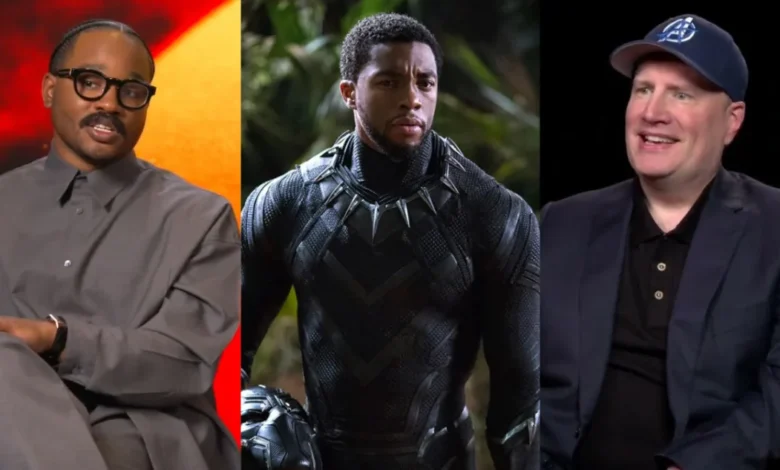
The sudden and unexpected passing of Chadwick Boseman in August 2020 sent shockwaves through the global film industry, forever altering the trajectory of the Marvel Cinematic Universe (MCU) and leaving a profound void in the hearts of his collaborators. Years later, as the franchise continues to evolve, Marvel Studios President Kevin Feige and acclaimed filmmaker Ryan Coogler have opened up about the personal toll of that loss, offering rare, candid insight into the human connections that persist beneath the veneer of a multi-billion-dollar corporate enterprise. During a recent public appearance at the University of Southern California, the two creative architects of the Black Panther franchise discussed the intersection of professional obligations and deep, personal grief.
A Chronology of a Profound Loss
To understand the weight of their recent reflections, one must look back at the timeline of the Black Panther phenomenon. Chadwick Boseman debuted as T’Challa, the King of Wakanda, in 2016’s Captain America: Civil War, before headlining the 2018 cultural milestone Black Panther. The film became a global sensation, grossing over $1.3 billion worldwide and earning the first-ever Best Picture nomination for a superhero film at the Academy Awards.
For years, Boseman managed a private battle with colon cancer while simultaneously filming grueling action sequences and maintaining a rigorous press schedule. When he passed away on August 28, 2020, at the age of 43, the news was entirely unforeseen by the public and many of his closest colleagues. At the time, the world was already in the midst of the COVID-19 pandemic, a period of global isolation that compounded the difficulty of processing such a significant death.
In the immediate aftermath, Marvel Studios faced the unprecedented challenge of navigating the production of Black Panther: Wakanda Forever without its lead actor. The subsequent years have seen the franchise continue under the direction of Coogler, who has since transitioned into further critical acclaim, including his recent success as the writer and director of the film Sinners.
The Regret of the "Next Time"
During their joint conversation at the University of Southern California, Kevin Feige provided a poignant reflection on the nature of his professional relationships. The Marvel executive admitted that the high-paced, relentless nature of studio filmmaking often leads to a false sense of security regarding time.
"We will be back in there, that was always my expectation," Feige remarked, discussing the tendency to push social interactions aside in favor of immediate production demands. "So the need to set a dinner or a lunch to say hi, I just never do. Because we’re busy and because we’re going to have a next time. And that hit me like a ton of bricks when I realized that there wasn’t going to be a next time."
This sentiment underscores a broader, often overlooked aspect of the entertainment industry: the transition from colleagues to friends. Feige’s admission highlights the vulnerability of creators who operate in a cycle of constant, high-stakes output, where the assumption of longevity is a survival mechanism that, when shattered, leaves a lasting impact on how they approach their work and their people.
Behind the Scenes: The Human Response
Ryan Coogler’s perspective provided a critical look at how the leadership at the Walt Disney Company handled the crisis. In an industry often criticized for prioritizing intellectual property and financial projections over personnel, Coogler revealed that the initial response from Feige and Disney CEO Bob Iger was entirely devoid of "corporate" agendas.
Coogler recalled a period during the 2020 lockdown when Feige and Iger personally reached out to him. Rather than initiating a strategy meeting regarding the future of the Black Panther franchise, their focus was on the welfare of the director.
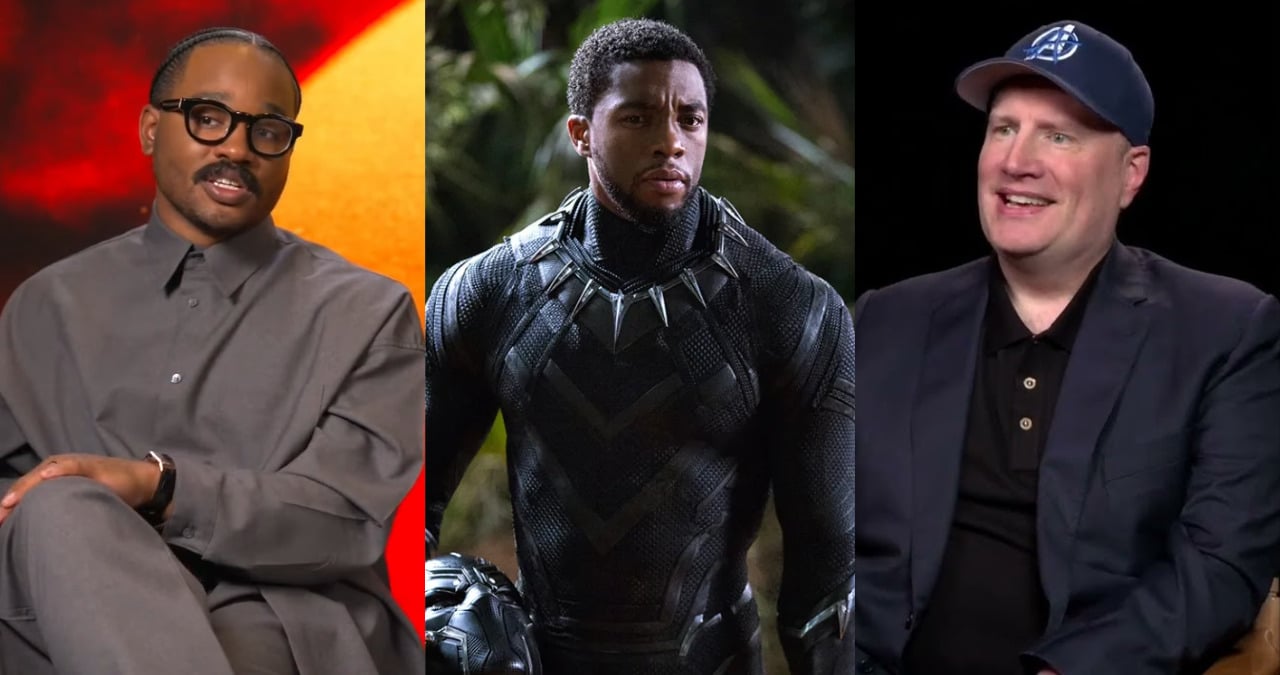
"They came to our apartment in lockdown… and we walked around the Richmond Arena and just talked," Coogler shared. "And that was the first real check-in. And it wasn’t ‘Hey, what are we going to do about this franchise?’ It was about, ‘Hey, are you OK? How are you taking it?’ It was a real moment where you see the humanity beyond the corporate things and the financial responsibilities."
This anecdotal evidence serves as a significant contrast to the public perception of the MCU as a singular, machine-like entity. It highlights that even within the highest echelons of the studio system, the loss of a pivotal figure like Boseman necessitated a pause in operations to prioritize human empathy over the demands of the box office.
The Legacy and Future of the Franchise
The implications of Boseman’s death continue to ripple through the development of the MCU. As Kevin Feige steers the studio toward the conclusion of the Multiverse Saga, the question of how to honor the legacy of T’Challa remains a central theme in industry discourse.
Rumors continue to circulate regarding the potential for recasting the role of T’Challa in future installments, a move that would be met with both anticipation and scrutiny. However, Coogler’s statement—"There was only one Chad, bro. And there was only one character that was really meant for him"—suggests a deep, protective sentiment regarding the work they achieved together.
As Black Panther 3 enters the development phase, the challenge for the studio remains balancing the desire to expand the Wakandan universe with the immutable fact that the initial success was predicated on a unique, once-in-a-generation partnership between the director and his lead actor.
Broader Impact: The Changing Landscape of Heroic Cinema
The conversation between Feige and Coogler also serves as a case study in how modern cinema handles the loss of an icon. In previous decades, the loss of a star often meant the recasting of a role or the sudden cancellation of a series. In the age of the MCU, the narrative has shifted to incorporate the loss into the canon of the story itself, as seen in the emotional trajectory of Wakanda Forever.
This approach allows the audience to grieve alongside the filmmakers, turning a production obstacle into a narrative pillar. By acknowledging the reality of the loss, the studio maintains a level of authenticity that resonates with fans who have grown attached to the characters.
Furthermore, the public nature of this discussion signals a shift in transparency for Marvel Studios. By allowing their top executives and directors to speak candidly about their grief and the internal culture of the studio, they are reshaping the narrative of the franchise to be less about the "multiverse" and more about the collective experience of the artists behind the camera.
Conclusion
The reflections of Kevin Feige and Ryan Coogler offer a sobering look at the reality of high-level creative collaboration. While the Marvel Cinematic Universe will undoubtedly continue to produce massive, globe-spanning spectacles, the lessons learned from the loss of Chadwick Boseman have fundamentally altered the studio’s internal culture.
The emphasis on checking in, the prioritization of the individual over the institution, and the recognition that professional "next times" are never guaranteed are hallmarks of a mature creative environment. As the franchise moves forward, the legacy of Chadwick Boseman will remain not just in the celluloid of his films, but in the evolving, more human-centric philosophy of the studio that brought the King of Wakanda to life. For now, the focus remains on the upcoming third chapter of the series, a project that will inevitably serve as both a continuation of the Wakandan legend and a testament to the enduring bond between the people who built it.