The Enduring Legacy of Nicolas Roegs Don’t Look Now and its Modern Cinematic Influence

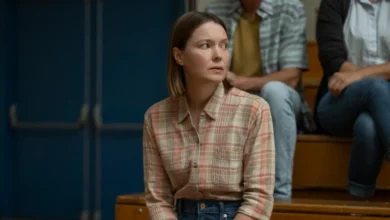
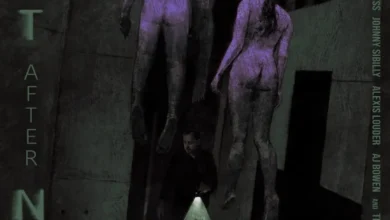
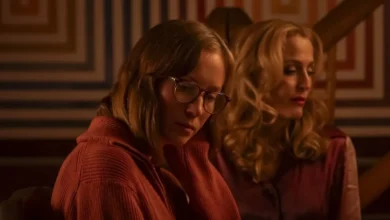
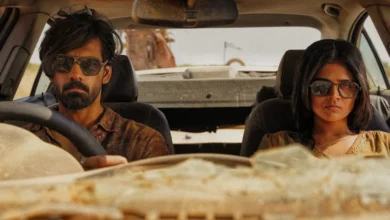
The 1973 psychological thriller Don’t Look Now remains a foundational pillar of modern genre cinema, serving as a primary point of reference for contemporary filmmakers like Sophie Thatcher and Dave Boyle. While the film, directed by Nicolas Roeg and based on the short story by Daphne du Maurier, is frequently cited by critics as a masterpiece of atmospheric horror, its influence has expanded well beyond the confines of the genre. Recent discussions with industry figures regarding films such as Her Private Hell and Never After Dark highlight a recurring pattern: modern directors continue to deconstruct Roeg’s visual language, editing techniques, and thematic explorations of grief to inform their own narratives. Despite the film being over half a century old, its status as a seminal work of British cinema remains unchallenged, warranting a deeper analysis of its production, cultural impact, and the mechanics that allow it to remain relevant to current filmmakers.
A Chronology of Psychological Horror
The development of Don’t Look Now began in the early 1970s, a period marked by significant shifts in the horror genre. Following the success of his previous work as a cinematographer and his directorial debut Performance, Nicolas Roeg was commissioned to adapt du Maurier’s 1971 short story. The production was shot primarily in Venice during the winter of 1972, a choice that proved instrumental in establishing the film’s unique aesthetic. Unlike the romanticized version of the city typically seen in period dramas, Roeg captured a decaying, labyrinthine Venice characterized by stagnant, murky canals and cold, monochromatic architecture.
The film follows John and Laura Baxter, portrayed by Donald Sutherland and Julie Christie, who relocate to Venice following the accidental drowning of their daughter, Christine. The narrative serves as a meditation on the intersection of grief and the supernatural. The couple encounters two sisters, one of whom is blind and claims to be a medium, asserting that she can see the spirit of their deceased daughter. The tension arises not merely from the potential supernatural threat, but from the intellectual and emotional friction between John—a rationalist and architect—and the mounting evidence of the uncanny.
Supporting Data and Production Context
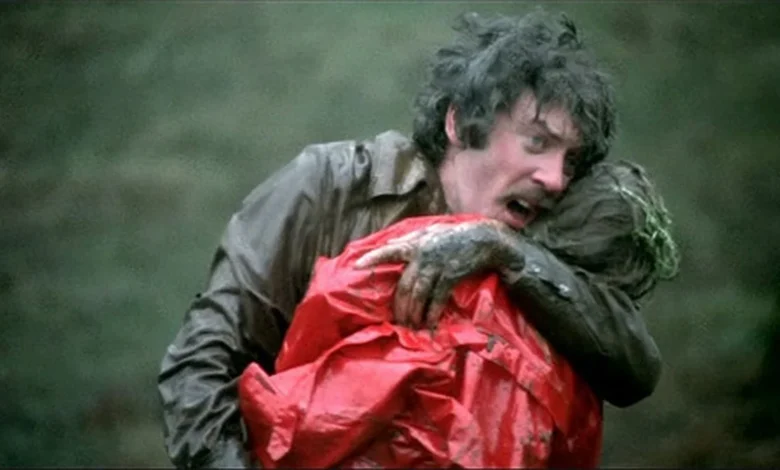
The technical achievement of Don’t Look Now lies largely in its non-linear editing style. Roeg, a former editor, utilized a sophisticated technique that spliced together fragmented memories, premonitions, and reality. This approach mirrored the characters’ fractured psychological states. The film’s most recognizable visual motif—the recurring appearance of a small, red-coated figure—serves as a narrative anchor that bridges the gap between the past trauma of the Baxters and their present reality in Italy.

From a production standpoint, the film was a significant risk. The budget for the film was approximately $2 million, a substantial sum for a psychological thriller at the time. Its commercial performance was bolstered by the star power of Sutherland and Christie, both of whom were at the height of their careers. Critically, the film was lauded for its cinematography, which utilized a muted color palette punctuated by the intense, symbolic use of the color red. This specific aesthetic choice has since been studied in film schools worldwide as a masterclass in visual storytelling and color theory.
The Evolution of the Grief-Horror Subgenre
In the contemporary landscape, horror cinema has seen an influx of films that prioritize emotional interiority over traditional jump scares. This subgenre, often referred to as "elevated horror," draws heavily from the template established by Don’t Look Now. The film successfully demonstrated that grief is not merely a plot device, but a transformative state that can dictate the pacing, color, and structure of a film.
Recent projects like Her Private Hell and Never After Dark illustrate the evolution of this framework. By incorporating elements of giallo-inspired neo-noir and atmospheric J-horror, these modern directors are synthesizing the lessons Roeg taught: that the most profound terror is found in the failure of logic to reconcile with the irrationality of loss. While previous decades saw a trend toward supernatural slasher films, the 2020s have signaled a return to the "psychological haunting" model, where the protagonist’s internal trauma is externalized through the environment.
Industry Perspectives and Institutional Impact
The continued relevance of Don’t Look Now is perhaps best evidenced by its consistent presence in the conversations of emerging filmmakers. When directors like Dave Boyle discuss their creative processes, they frequently reference the "Venetian atmosphere" of the 1973 film. The film is also frequently cited by scholars for its controversial depiction of intimacy. The sex scene between Sutherland and Christie was revolutionary for its time, not merely for its explicit nature, but for its integration into the narrative. It served as a rare, honest portrayal of a grieving couple attempting to reconnect, grounding the supernatural stakes in a deeply human, recognizable conflict.
Beyond the technical aspects, the film has served as a benchmark for narrative ambiguity. Roeg’s refusal to provide easy answers regarding the sisters’ claims or the nature of the spirits allowed the audience to project their own anxieties onto the screen. This ambiguity has influenced a generation of directors, including Ari Aster and Lynne Ramsay, who have utilized similar techniques to maintain narrative tension without relying on conventional exposition.

Broader Implications for Modern Cinema
The enduring legacy of Don’t Look Now offers several key takeaways for the current state of the film industry. First, it proves the longevity of "mood-first" storytelling. In an era where audiences are increasingly exposed to high-octane, action-heavy content, the deliberate pacing of a psychological thriller remains a powerful tool for engagement. Second, the film underscores the necessity of visual identity. The decision to film in a winter-bound, off-season Venice created a distinct visual shorthand that has been imitated but rarely surpassed.
Finally, the film acts as a case study for the value of independent, auteur-driven cinema. Nicolas Roeg’s commitment to his vision, despite potential pushback from studio executives regarding the film’s pacing and structure, resulted in a work that has remained culturally relevant for over fifty years. As streaming platforms continue to dominate the distribution landscape, the accessibility of such classics allows for a new generation of viewers to discover the roots of modern horror.
Analytical Conclusion
The influence of Don’t Look Now is woven into the DNA of contemporary cinema. Its legacy is found in the way modern directors handle the interplay between environment and emotion, the use of color to signify psychological shifts, and the willingness to let ambiguity drive the narrative forward. While the horror genre continues to evolve, the core themes identified by Roeg—the persistence of memory, the fragility of faith, and the struggle to find order in a chaotic, grieving world—remain as resonant today as they were in 1973. For students of film and fans of the genre alike, the work stands not as a relic of the past, but as a living document of how psychological tension can be mastered through the lens of a camera. The film remains an essential viewing experience for anyone seeking to understand the trajectory of modern suspense and the profound impact of high-concept, character-driven horror. As new films continue to emerge, the fingerprints of the Baxters’ journey through the canals of Venice will undoubtedly continue to appear, serving as a reminder that the best horror stories are those that look inward.