OLED Gaming Monitor Prices Are Plunging as AOC Introduces Ultra-Budget Options for the Desktop Market

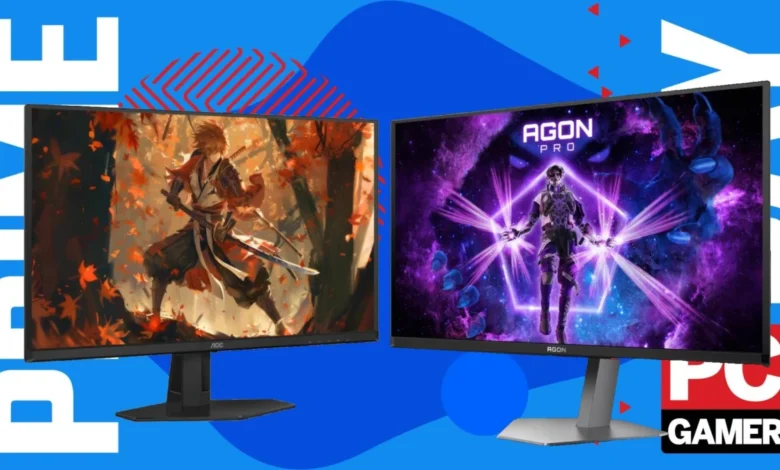
The landscape of PC gaming hardware is currently experiencing a paradoxical shift. While the costs of high-end graphics cards, processors, and specialized memory continue to climb, often reaching record highs, the display market is witnessing a aggressive race to the bottom in terms of pricing. This trend is particularly evident in the rapid commoditization of Organic Light-Emitting Diode (OLED) technology, which has long been considered the premium tier of monitor performance. Recent market entries from manufacturers such as AOC have pushed the entry-level price point for 27-inch 1440p OLED displays below the $300 threshold, signaling a significant shift in accessibility for mainstream consumers.
The Emergence of Entry-Level OLED Technology
The recent listing of the AOC Q27GADE on Amazon for $279.99 represents a milestone in display technology pricing. Historically, OLED monitors were priced as luxury items, often costing well over $800, and were reserved for professional creative work or elite competitive gaming. The Q27GADE, however, utilizes a new generation of QD-OLED (Quantum Dot OLED) panels that prioritize affordability over peak performance metrics.
Industry analysts observe that this specific panel, which appears to be shared across several budget-tier offerings from multiple manufacturers, operates at a 144 Hz refresh rate. While this is lower than the 240 Hz or 360 Hz standards found in professional esports monitors, it remains sufficient for the vast majority of gaming applications. The panel’s specifications suggest a baseline brightness of approximately 200 nits in full-screen mode and 400 nits for High Dynamic Range (HDR) content. While these figures are conservative by current flagship standards, they offer the hallmark benefits of OLED technology: near-infinite contrast ratios, per-pixel lighting, and near-instantaneous 0.03 ms response times that are physically impossible to replicate with traditional IPS or VA liquid crystal displays.
Chronology of the OLED Price Collapse
The decline in monitor prices did not happen overnight; it is the result of a multi-year effort by panel manufacturers, specifically Samsung Display and LG Display, to increase yield rates and scale production.
- Early 2022: The first wave of dedicated OLED gaming monitors hit the market, with prices consistently hovering between $1,000 and $1,500. These were early-adopter products characterized by limited availability and high costs.
- Late 2023: Increased competition between LG’s WOLED and Samsung’s QD-OLED technologies began to exert downward pressure on prices. Prices began to stabilize in the $600 to $800 range.
- Mid-2024: Manufacturers began introducing "value-tier" panels. These displays often utilized lower-refresh-rate substrates to allow for more aggressive pricing.
- Late 2024 (Current): The introduction of sub-$300 models marks the final transition of OLED from a niche luxury to a mass-market product category. This is largely driven by inventory clearing ahead of the holiday season and the maturity of manufacturing lines.
Comparative Analysis: Budget vs. Performance Tiers
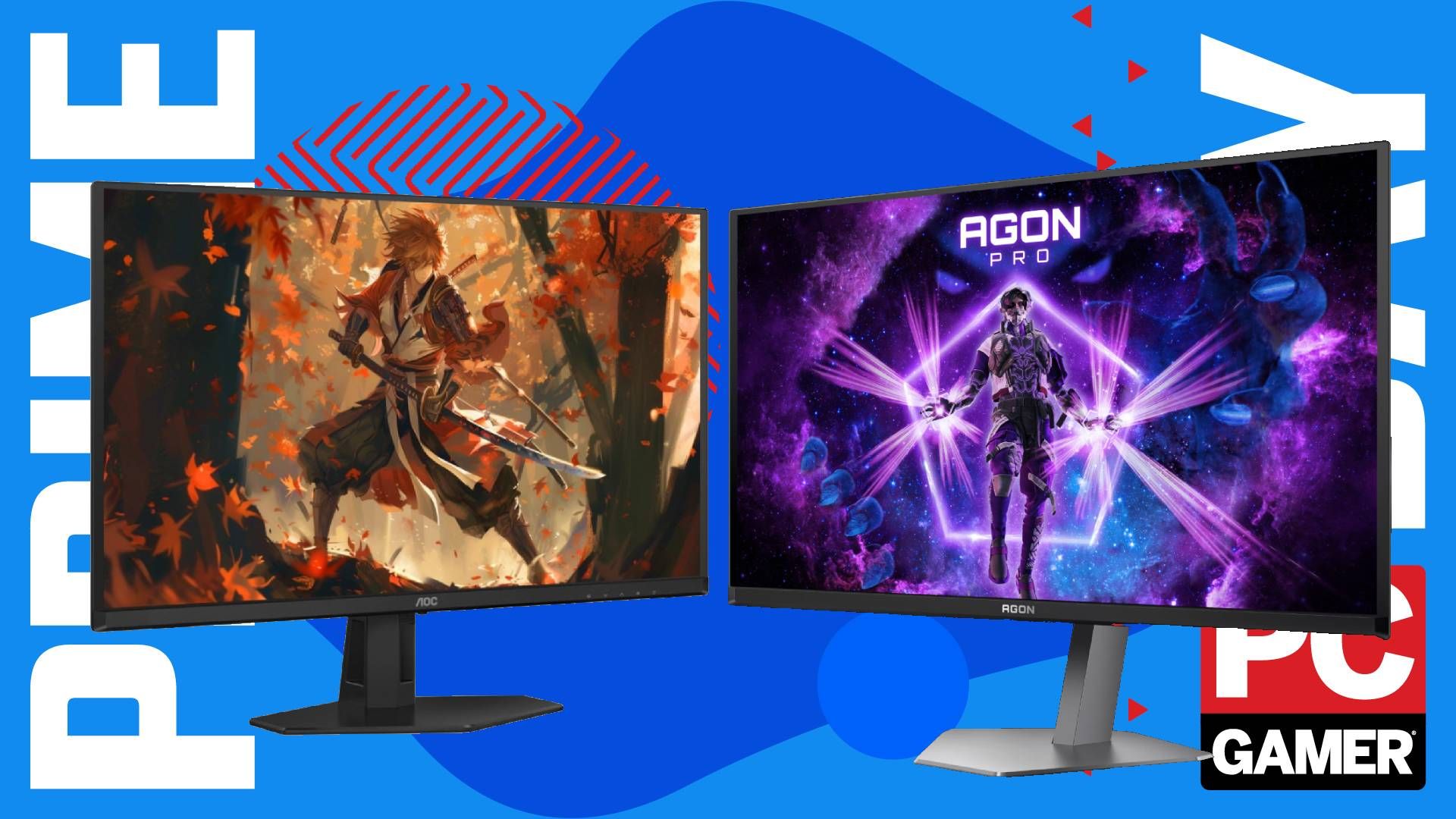
To understand the current market, it is essential to compare the $279.99 AOC Q27GADE against the slightly more premium $332 AOC Agon Pro AG276QZD2. Although the price difference is only $52, the performance divergence is notable. The Agon Pro version features an upgraded panel capable of 240 Hz, which is significantly more fluid for competitive titles such as first-person shooters. Furthermore, the brightness metrics are vastly different; the Agon Pro boasts 240 nits in full-screen operation and can reach a peak of 1,000 nits in HDR environments.
This distinction highlights a critical decision for consumers: whether to prioritize the lowest possible entry price or to invest marginally more for a "full-spec" experience. The 1,000-nit peak brightness is widely considered the threshold for a "true" HDR experience, as it allows for the high-contrast highlights that OLED is famous for, whereas the 400-nit peak of the budget panel provides a more muted HDR effect.
Broader Market Implications
The democratization of OLED technology carries significant implications for the wider PC hardware ecosystem. Firstly, it effectively creates an obsolescence cycle for high-end IPS monitors. For many years, users paid a premium for "Nano-IPS" or "Fast-IPS" panels to achieve high refresh rates and color accuracy. With OLEDs now available at these prices, the value proposition of a high-end IPS monitor is increasingly difficult to justify for pure gaming use cases.
Secondly, this price war exerts pressure on retailers to clear older inventory. Events such as Amazon Prime Day and subsequent holiday sales are expected to feature deeper discounts on OLED hardware as retailers attempt to move legacy stock. However, this also poses a challenge for manufacturers, who must maintain brand prestige while simultaneously participating in a "race to the bottom" to maintain market share.
Technical Limitations and Consumer Considerations
Despite the excitement surrounding these price points, prospective buyers must remain aware of the technical trade-offs inherent in low-cost OLED panels. The primary concern remains image retention, commonly referred to as "burn-in." While modern OLEDs include sophisticated pixel-shifting and refresh algorithms to mitigate this, the lower-end panels may have less robust thermal management systems compared to their premium counterparts.
Additionally, the brightness limitations of the $280 tier mean that these monitors are best suited for dimly lit rooms. In a sun-drenched office or a room with significant ambient light, the 200-nit full-screen brightness may appear dim, leading to a washed-out image—the antithesis of what users expect from OLED technology. Users must weigh the benefits of perfect black levels and motion clarity against these brightness and longevity constraints.
Conclusion: A New Era for Desktop Displays
The arrival of sub-$300 OLED monitors represents a pivotal moment in the evolution of the gaming desktop. While the components inside the PC—the GPU and CPU—continue to increase in complexity and cost, the window through which the user interacts with their games is becoming more affordable and performant.
The current consensus among hardware experts is that the $330-$350 range offers the current "sweet spot" for performance, where users can secure a 240 Hz panel with sufficient HDR brightness. However, for the budget-conscious consumer who simply wants to move away from the limitations of traditional LCD technology, the sub-$300 market now offers a legitimate path to entry. As manufacturing efficiencies continue to improve, it is highly probable that these prices will not only remain the norm but will likely continue to drop throughout the next fiscal year, potentially making 144 Hz OLEDs the default standard for mainstream gaming by the end of 2025.
For the average gamer, the message is clear: the barrier to entry for the highest quality visual experience available today has never been lower. Consumers are advised to monitor these price fluctuations closely, as the competitive landscape suggests that further promotional pricing is likely in the immediate future.
Related posts: