Plants vs Zombies Review A Retrospective Analysis of PopCap Games Definitive Tower Defense Title

The release of Plants vs. Zombies on May 5, 2009, marked a transformative moment in the landscape of digital distribution and the "casual" gaming market. Developed and published by PopCap Games, a studio already renowned for addictive titles such as Bejeweled and Peggle, the game represented a sophisticated evolution of the tower defense genre. Initially priced at $20 and requiring modest hardware—a 1.2GHz CPU and 256MB of RAM—the title quickly transcended its casual label to become a critical and commercial juggernaut. Its success was predicated on a unique blend of accessible mechanics, deep strategic layers, and a whimsical aesthetic that masked a rigorous mathematical balance.
The Genesis of a Horticultural Phenomenon
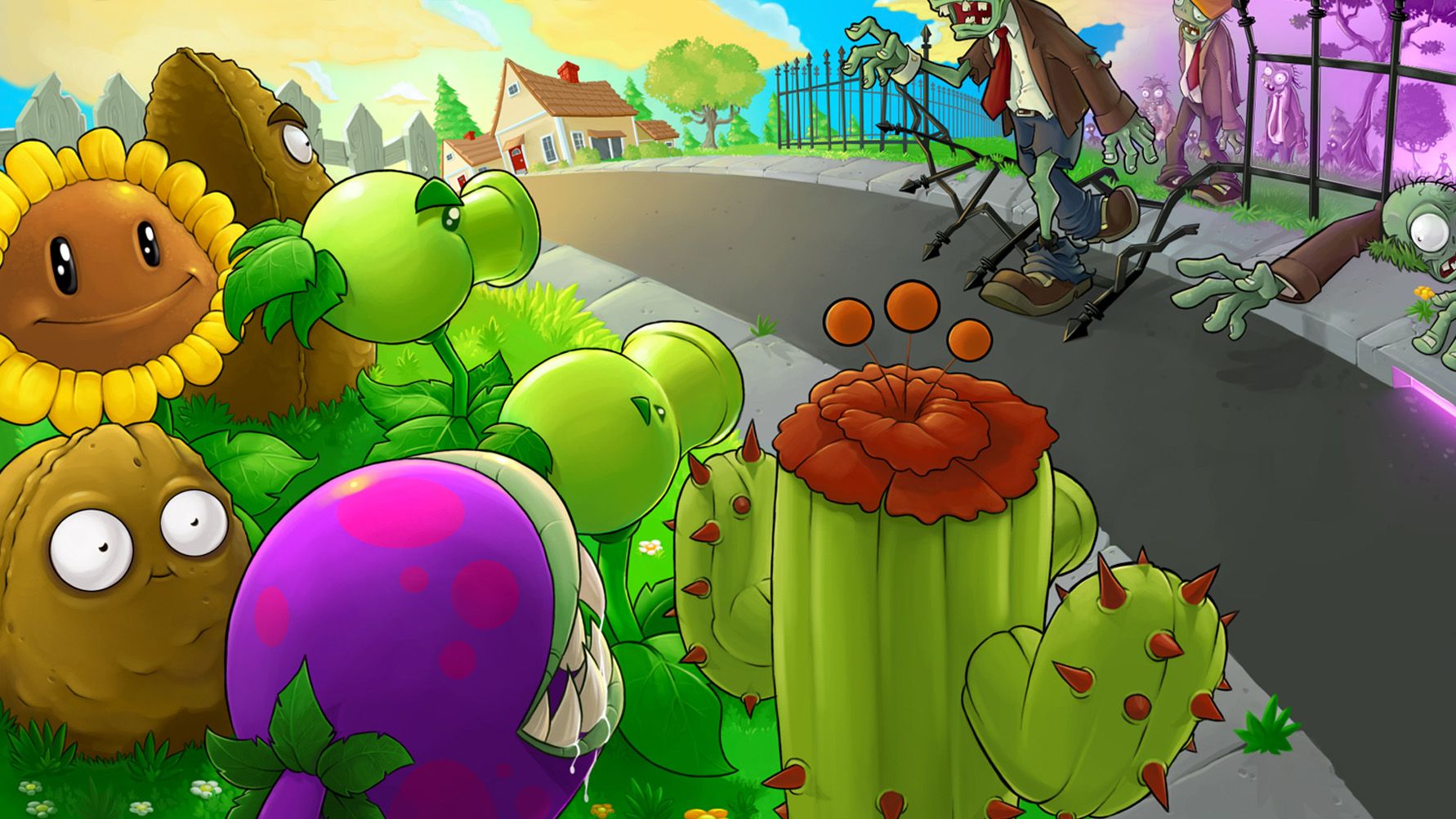
The development of Plants vs. Zombies was led by George Fan, who sought to create a more approachable version of the tower defense games that had gained popularity as mods in titles like Warcraft III. Fan’s background with Insaniquarium influenced the game’s resource management system, specifically the collection of "sun" to fund defensive structures. During the prototype phase, the game was famously titled "Lawn of the Dead," a punning homage to George A. Romero’s 1978 horror classic Dawn of the Dead. However, legal concerns regarding trademark infringement led to the adoption of the more literal title, Plants vs. Zombies.
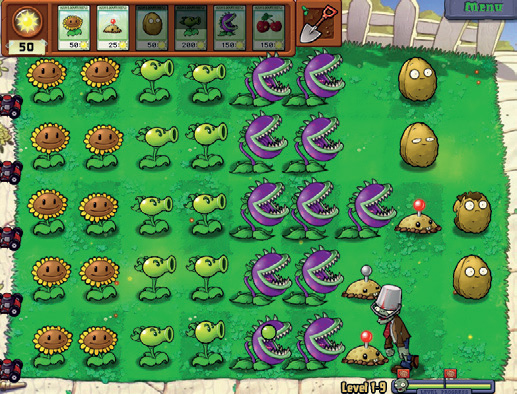
The core premise remains deceptively simple: players must defend a suburban home from an encroaching horde of zombies by planting a variety of genetically modified flora. The battlefield is a grid-based lawn, and the resource economy is driven by sunlight, which falls from the sky during day levels or is generated by Sunflowers and Sun-shrooms. This sun is then spent to deploy offensive, defensive, or utility plants across five or six horizontal lanes.

Strategic Depth and the Sun Economy
The genius of the game’s design lies in its "drip-feed" progression. In the primary Adventure mode, which spans approximately seven to ten hours of gameplay, players are introduced to a new plant type at the conclusion of nearly every level. This gradual expansion of the player’s arsenal allows for a smooth learning curve while constantly revitalizing the strategic possibilities. By the time the player reaches the later stages, they have access to 48 different plant types, though they are limited to a "seed tray" that initially holds only six or seven slots.
This limitation forces a high degree of pre-level planning. Players must scout the incoming zombie types—visible during a brief flyover before the match begins—to determine which plants are essential. For instance, if the scouting report reveals "Ducky Tube Zombies," the player must include Lily Pads to utilize the pool lanes. If "Balloons Zombies" are present, Cactus or Blover plants become mandatory. The tension between choosing high-damage units like the Gatling Pea and utility units like the Magnet-shroom, which strips metallic objects from zombies, creates a compelling tactical loop that rivals traditional hardcore strategy games.
The Bestiary: A Study in Variety and Humor
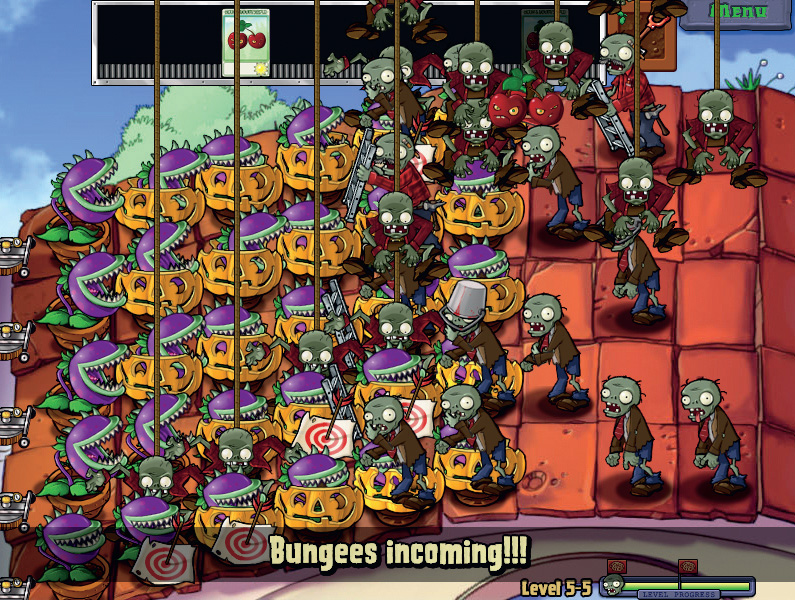
The antagonists of Plants vs. Zombies are as diverse as the flora used to combat them. PopCap’s design team infused the "ambulatory stiffs" with distinct personalities and mechanical gimmicks. The standard "Browncoat" zombie serves as the baseline, but the difficulty escalates with the introduction of specialized units:
- The Buckethead Zombie: A high-durability unit that requires significant firepower or a Magnet-shroom to neutralize.
- The Screen Door Zombie: A unit protected by a shield that is immune to standard pea-shots but vulnerable to "fume" attacks.
- The Bungee Zombie: An aerial threat that can steal plants from the grid, necessitating the use of Umbrella Leaves.
- The Gargantuar: A massive, high-health unit that can crush plants instantly and throws a smaller "Imp" zombie deep into the player’s defenses.
A notable piece of the game’s history involves the "Dancing Zombie," which originally bore a striking resemblance to Michael Jackson as seen in the "Thriller" music video. Following the singer’s death in June 2009, his estate raised objections, leading PopCap to replace the asset with a generic disco-themed dancer in subsequent updates and ports. This transition highlights the game’s long tail and the necessity of maintaining a "live" product even in the pre-service-game era.
Environmental Variation and Level Design
To prevent the gameplay from becoming stagnant, Plants vs. Zombies introduces environmental shifts that fundamentally alter the sun economy and tactical requirements. The game is divided into five primary environments:
- Day: The standard experience where sun falls from the sky.
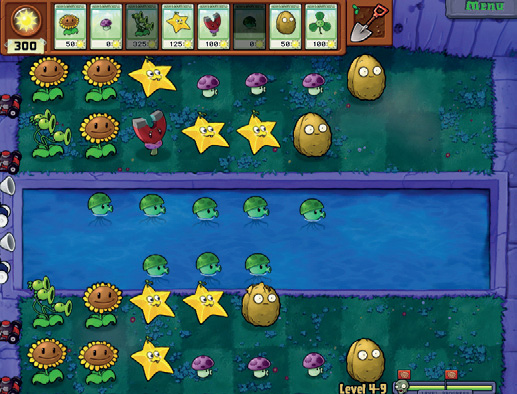
- Night: Sun does not fall naturally, forcing a reliance on low-cost, nocturnal mushrooms that sleep during the day.
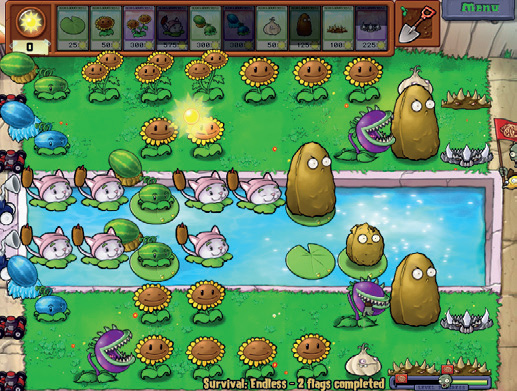
- Pool (Day): Adds two center lanes of water, requiring Lily Pads and aquatic-specific plants like the Tangle Kelp.
- Pool (Fog): A night-time pool level where a thick fog obscures the right side of the screen, hiding incoming zombies.
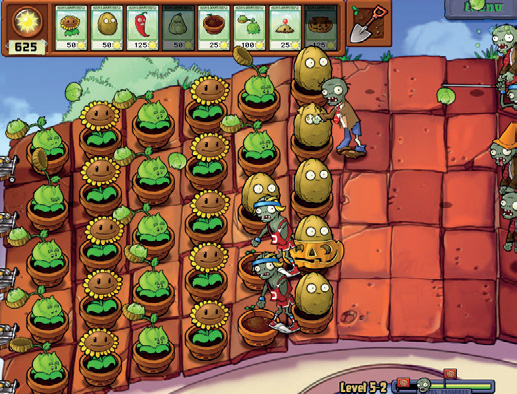
- Roof: The final setting where the slanted terrain prevents straight-shooting plants from hitting targets, necessitating the use of catapult-style plants like Cabbage-pults and Kernel-pults.
These shifts ensure that no single strategy remains dominant throughout the campaign. A player who masters the "Pea Shooter" spam of the early levels will find themselves utterly defeated on the Roof if they fail to adapt to the catapult mechanics and the necessity of Flower Pots.
Beyond Adventure: The Meta-Game and Longevity
While the Adventure mode serves as the narrative backbone, the true longevity of Plants vs. Zombies resides in its ancillary modes. Upon completing the main story, players unlock a vast array of Mini-games, Puzzles, and Survival modes.
"I, Zombie" is perhaps the most celebrated of these, offering a role-reversal where the player spends brains to deploy zombies against a pre-set garden of plants. This puzzle mode requires a deep understanding of plant weaknesses, such as using the Pole Vaulting Zombie to bypass a Wall-nut. Another standout is "Beghouled," a hybrid mode that integrates Bejeweled-style match-three mechanics into the garden defense framework.
The "Zen Garden" provides a non-combative meta-game where players can nurture plants collected during gameplay. This mode acts as a passive income generator, allowing players to earn currency to spend at "Crazy Dave’s Twiddydinkies." This in-game shop offers crucial upgrades, such as the "Twin Sunflower" (which doubles sun production) and the "Cob Cannon" (a plant-based equivalent of a tactical nuke). The integration of this economy ensures that even repetitive play sessions contribute to a larger sense of progression.
Commercial Impact and the EA Acquisition
The financial success of Plants vs. Zombies was immediate. In its first nine days of availability on the App Store in 2010 (following the PC release), the game saw more than 300,000 downloads, generating over $1 million in gross sales. This performance established PopCap as a premier developer in the burgeoning mobile and digital markets.
The industry-wide impact of the title culminated in July 2011, when Electronic Arts (EA) announced the acquisition of PopCap Games for approximately $1.3 billion. Industry analysts at the time noted that EA was specifically targeting PopCap’s expertise in "frictionless" gaming and cross-platform accessibility. While some purists lamented the shift toward more aggressive monetization in later sequels, the original 2009 PC version remains a benchmark for "buy-to-play" value, offering dozens of hours of content for a one-time fee.
Timeline of Major Milestones
- May 5, 2009: Original PC and Mac release.
- February 15, 2010: iOS port launches, becoming a top-grossing app within hours.
- September 8, 2010: Xbox Live Arcade version debuts, introducing co-op and versus modes.
- July 12, 2011: Electronic Arts officially acquires PopCap Games.
- May 2012: The game is released for the PlayStation Vita, showcasing its adaptability to touch and button controls.
- 2020-Present: The original version sees a resurgence on handheld PCs like the Steam Deck, where its low system requirements and grid-based gameplay make it an ideal "on-the-go" title.
Conclusion: A Masterclass in Accessible Design
Plants vs. Zombies stands as a testament to the power of polished, cohesive game design. It successfully bridged the gap between the "hardcore" strategy enthusiast and the "casual" office worker, proving that depth and accessibility are not mutually exclusive. By combining a rigorous mechanical foundation with a humorous, approachable aesthetic, PopCap created a cultural touchstone that influenced a decade of tower defense titles.

Even fifteen years after its initial launch, the game’s core loop remains remarkably resilient. In an era often defined by complex microtransactions and "live service" bloat, the original Plants vs. Zombies serves as a reminder of a time when a $20 investment provided a complete, superb, and endlessly replayable experience. As the industry continues to evolve, the lessons of the Zen Garden—patience, planning, and a touch of whimsy—remain as relevant as ever.
Related posts: