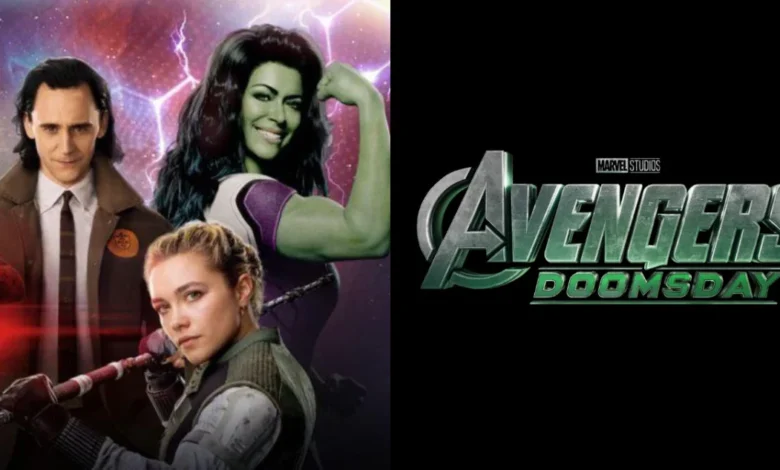
Marvel Studios’ highly anticipated cinematic event, Avengers: Doomsday, is currently undergoing a significant phase of reshoots, a common but crucial part of large-scale film production. This development has brought several prominent actors back to the set, sparking considerable discussion among industry observers and fans alike regarding potential narrative shifts and character developments within the Marvel Cinematic Universe (MCU). The film, slated for a December 2026 release, represents a pivotal installment in the Multiverse Saga, leading directly into the ultimate climax, Avengers: Secret Wars.
The Reshoot Revelation and Key Personnel
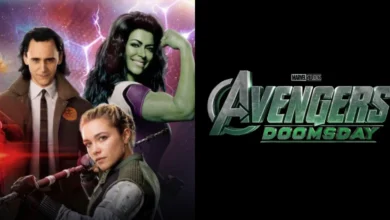
While reshoots are standard practice in Hollywood, particularly for tentpole features, the specifics surrounding Avengers: Doomsday have drawn attention due to the high-profile nature of the returning cast. According to renowned Hollywood insider DanielRPK, four actors are confirmed to be participating in these additional filming sessions: Florence Pugh as Yelena Belova, David Harbour as Red Guardian, Ryan Reynolds as Deadpool, and Hugh Jackman as Wolverine. This roster immediately signals a blend of established MCU characters and key figures from the Fox-acquired X-Men universe, underscoring the film’s ambitions to weave together disparate narrative threads. The presence of Jackman and Reynolds, whose involvement in Avengers: Doomsday has been a subject of intense rumor rather than official confirmation, adds a layer of intrigue to these reshoots.
Strategic Narrative Adjustments and Character Implications
The reported involvement of these actors suggests targeted adjustments to specific plotlines and character arcs. For Ryan Reynolds’ Deadpool and Hugh Jackman’s Wolverine, speculative reports from the rumor mill indicate a dramatic, albeit temporary, demise at the beginning of Avengers: Doomsday, alongside another unnamed prominent hero. This shocking opening would then be followed by their eventual resurrection towards the conclusion of the film, presumably setting the stage for their more substantial roles in Avengers: Secret Wars. If accurate, this narrative strategy could serve to immediately establish high stakes for the Multiverse Saga, demonstrating the grave threats faced by the heroes while simultaneously providing a mechanism for fan-favorite characters to return for the grand finale. It would also signify a bold move by Marvel to integrate these characters with a definitive, impactful introduction rather than a gradual build-up.
Conversely, the roles of Florence Pugh’s Yelena Belova and David Harbour’s Red Guardian in the reshoots appear to be focused on enhancing the emotional depth of their storyline. While specific plot details remain scarce, their characters share a complex familial bond, having operated as a surrogate father-daughter duo within the Red Room program. Their presumed involvement is likely intended to strengthen the emotional resonance of the nascent "New Avengers" storyline, which is expected to feature a new generation of heroes taking up the mantle. This could involve fleshing out their personal journeys, exploring their trauma and evolving relationships, or providing additional connective tissue to other burgeoning character arcs. Given the MCU’s historical success in blending action with heartfelt character moments, these reshoots could be crucial in ensuring that Avengers: Doomsday resonates on an emotional level amidst its large-scale multiversal conflict.
The Broader Context of MCU Reshoots: A Production Standard
Reshoots, or additional photography, are a ubiquitous component of modern blockbuster filmmaking, especially within the Marvel Cinematic Universe. Far from being an indicator of production troubles, they are often a planned part of the filmmaking process, budgeted and scheduled to allow filmmakers the flexibility to refine the narrative, enhance character beats, improve pacing, or adjust scenes based on test screenings and evolving creative visions. For a project as ambitious and complex as Avengers: Doomsday, which is expected to feature an ensemble cast spanning the breadth of the MCU and beyond, the necessity for reshoots is almost a given.
Historically, numerous successful films have undergone extensive reshoots. For example, Rogue One: A Star Wars Story famously underwent significant retooling, resulting in critical and commercial acclaim. Within the MCU, films like Avengers: Endgame and Captain America: Civil War utilized reshoots to perfect pivotal moments and ensure maximum impact. Even Doctor Strange in the Multiverse of Madness saw substantial additional photography, reportedly to refine its multiversal elements and horror aspects. The goal is always to deliver the most polished and impactful final product, and in an interconnected narrative universe like the MCU, ensuring continuity and consistency across multiple projects adds another layer of complexity that reshoots help address.
Historical Precedent and Lessons Learned
The MCU has a well-documented history of employing reshoots to great effect. Early films like Iron Man (2008) utilized reshoots to fine-tune dialogue and action sequences. More recent examples demonstrate a sophisticated approach:
- Captain America: Civil War (2016): Reshoots were used to enhance the emotional weight of key character interactions and refine the climactic battle sequences, ensuring the ideological conflict between Captain America and Iron Man felt earned and impactful.
- Avengers: Endgame (2019): Despite being the culmination of over a decade of storytelling, Endgame also underwent reshoots. These were reportedly used to fine-tune the emotional beats of the ending, adjust the pacing of the time travel sequences, and ensure that the farewells to iconic characters resonated deeply with audiences.
- Doctor Strange in the Multiverse of Madness (2022): This film had significant reshoots, with reports suggesting they were used to add more cameos, enhance visual effects, and clarify multiversal plot points, particularly concerning the Scarlet Witch’s arc.
These instances underscore that reshoots are not merely about fixing problems but about actively improving a film. In the context of Avengers: Doomsday, these additional sessions are likely an opportunity to elevate the narrative stakes, deepen character motivations, and ensure the film seamlessly bridges the gap between the ongoing Multiverse Saga developments and the impending Secret Wars.

Financial and Logistical Considerations
Executing reshoots for a blockbuster of Avengers: Doomsday‘s magnitude is a logistical and financial undertaking of considerable scale. Securing the availability of A-list actors, who often have demanding schedules with multiple projects, requires meticulous planning. Studio resources, including crew, equipment, and locations, must be re-mobilized, often at a premium. The cost of reshoots can range from a few million dollars to tens of millions, adding significantly to an already colossal production budget. However, studios like Marvel understand that this investment is often critical to safeguarding the overall success and reputation of their cinematic universe. The perceived value of delivering a high-quality, fan-satisfying product often outweighs the additional expenditure, especially for a film positioned as a cornerstone of the franchise’s future.
The Multiverse Saga’s Crossroads: A Critical Juncture
Avengers: Doomsday is more than just another MCU film; it is a critical juncture for the entire Multiverse Saga. Following the initial announcement of Avengers: The Kang Dynasty and Secret Wars, the narrative landscape of the MCU has seen significant shifts. The legal issues surrounding actor Jonathan Majors, who portrayed Kang the Conqueror, led to his dismissal from Marvel Studios. This event has undoubtedly prompted a re-evaluation of Kang’s central antagonist role and potentially necessitated significant script revisions and plot adjustments for both Doomsday and Secret Wars. While no official statement has been made regarding a recasting or a new villain, the current reshoots could be directly tied to these overarching narrative adjustments, solidifying the new direction for the saga’s primary antagonist or integrating new threats.
The current state of the MCU also adds weight to Avengers: Doomsday‘s importance. While still commercially successful, recent MCU projects have faced mixed critical reception and some audience fatigue. Doomsday needs to deliver a compelling, high-stakes narrative that reinvigorates fan excitement and demonstrates the full potential of the Multiverse Saga. The inclusion of characters like Deadpool and Wolverine, who bring with them a different tone and a pre-existing fanbase from their Fox iterations, could be a strategic move to broaden the MCU’s appeal and inject fresh energy into the franchise. Their rumored pivotal roles, even if brief initially, highlight Marvel’s commitment to delivering impactful narrative beats.
Character Trajectories and Fan Expectations
The specific involvement of Florence Pugh and David Harbour in reshoots for "emotional resonance" further highlights Marvel’s commitment to character-driven storytelling, even amidst cosmic conflicts. Yelena Belova has steadily grown into a fan-favorite, inheriting the Black Widow mantle and poised to become a central figure in the New Avengers. Her relationship with Red Guardian, Alexei Shostakov, offers a unique blend of humor, pathos, and unresolved trauma. Expanding on their dynamic could solidify their roles as mentor and mentee, or as allies navigating a complex world, enriching the emotional core of the film.
The integration of Deadpool and Wolverine, characters synonymous with a more mature and often R-rated approach to superhero storytelling, into the PG-13 MCU has been a subject of much speculation. Their rumored initial demise and subsequent resurrection in Doomsday could serve multiple purposes:
- Shock Value: Immediately establishing the dire stakes of the Multiverse Saga.
- Multiversal Introduction: Clearly signifying their arrival from another reality without needing extensive origin stories within the main MCU timeline.
- Future Setup: Providing a clear reason for their presence in Secret Wars where multiversal characters are expected to converge.
- Fan Service with a Twist: Delivering on the promise of their MCU debut in a way that is unexpected and memorable.
The very nature of their rumored introduction suggests Marvel is willing to take risks and subvert expectations, a strategy that has often paid off in the past.
Looking Ahead: The Road to December 2026
With Avengers: Doomsday set to hit theaters in December 2026, the ongoing reshoots underscore the intensive creative and logistical effort required to bring such an epic to the screen. The production team, led by director Destin Daniel Cretton (who was initially attached to The Kang Dynasty before a directorial change was rumored due to the Majors situation, though no new director for Doomsday has been officially announced), is working diligently to refine every aspect of the film. The period between now and the release will involve extensive post-production, including visual effects, sound design, and scoring, all of which benefit immensely from a thoroughly polished narrative captured during principal photography and reshoots.
Industry Perspective on Quality Control
In the broader context of the film industry, reshoots are increasingly viewed not as a sign of failure but as a testament to a studio’s commitment to quality control. In an era where blockbuster budgets soar past hundreds of millions of dollars, the additional investment in reshoots is often seen as a necessary safeguard to ensure that the final product meets the high expectations of audiences and critics alike. For Marvel Studios, maintaining the integrity and narrative cohesion of the MCU is paramount, especially as it navigates the complexities of the Multiverse Saga and prepares for its next major crossover event. The decision to bring back key actors for Avengers: Doomsday reshoots is a strong indication that Marvel is dedicated to delivering a cinematic experience that is both grand in scale and deeply resonant, setting the stage effectively for the future of the Marvel Cinematic Universe. As the release date approaches, fans will undoubtedly be scrutinizing every piece of information, eager to see how these adjustments shape the next chapter of the superhero saga.
Related posts: