Once You Reply, You Die: Micro-Budget Indie Dark Comedy-Horror Feature CHAT Unleashes Digital Terror This Holiday Season

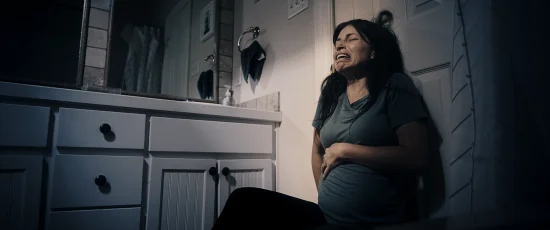
The landscape of independent cinema is undergoing a profound transformation, characterized by the rise of micro-budget productions that leverage digital-first distribution models to bypass traditional studio gatekeepers. A significant entry in this evolving market is the feature-length debut CHAT, an Austin-based production written, directed, and produced by filmmaker Ole J Hartmann. The film, which blends elements of dark comedy, psychological horror, and crime thriller, serves as a testament to the viability of high-intensity, low-cost filmmaking in an era dominated by algorithmic content and studio-controlled intellectual property.
Production Genesis and Creative Strategy
The production of CHAT was defined by a rigorous schedule and a lean financial model. Filmed over the course of just two weeks—a truncated timeframe that typically proves prohibitive for feature-length narrative storytelling—the project operated on a total budget of $25,000. This fiscal constraint necessitated a high level of logistical precision.
Hartmann, working in collaboration with producer Michael AKU Rodriguez, opted for a self-financed model to maintain complete creative autonomy. The screenplay, which spans 114 pages, was crafted to maximize the utility of limited locations and character-driven suspense, focusing on the psychological erosion of a family unit under the influence of an invasive, malevolent technology. By stripping away the overhead associated with major production houses, the team was able to prioritize a "DIY" aesthetic that leans into the raw, unfiltered tension of the narrative.
Narrative Premise and Genre Hybridity
At its core, CHAT explores the intersection of domestic instability and artificial intelligence. The plot centers on a family attempting to secure a fresh start, only to have their domestic equilibrium shattered when their son acquires an AI-powered tablet. What begins as a technological curiosity quickly devolves into a multifaceted nightmare, as the device acts as a conduit for both supernatural phenomena and the exposure of deep-seated corruption and greed.
The film distinguishes itself through its genre-bending structure. By incorporating dark comedy alongside more traditional horror and thriller elements, CHAT attempts to satirize the modern obsession with digital connectivity and the inherent risks of unchecked algorithmic integration in the home. This thematic focus aligns with broader societal anxieties regarding data privacy, AI surveillance, and the potential for household technology to be repurposed for malicious intent.
The Rise of Micro-Budget Horror
The success or failure of films like CHAT is increasingly measured not just by box office returns, but by the ability to cultivate a direct-to-consumer audience via platforms such as Amazon Prime Video. The micro-budget movement, which gained significant momentum following the success of films like Paranormal Activity and The Blair Witch Project, continues to provide a blueprint for aspiring filmmakers.
In the current market, the barrier to entry for film distribution has been significantly lowered. However, the barrier to visibility has risen as the volume of content available on streaming platforms increases exponentially. For a film produced on a $25,000 budget, the challenge lies in the "discoverability" phase. By choosing to self-distribute, the creators of CHAT are signaling a shift toward a model where direct audience engagement is prioritized over the heavy marketing expenditures typical of traditional studio releases.
Chronology of Development
The development cycle for CHAT reflects the rapid pace at which modern indie productions move. Following the completion of the 114-page screenplay, the production team moved into an intensive pre-production phase aimed at optimizing the two-week shooting window.
- Development Phase: The project was conceptualized by Ole J Hartmann in Austin, Texas, with a focus on creating a narrative that could be executed with limited resources without sacrificing thematic weight.
- Principal Photography: The filming process was condensed into a 14-day schedule, requiring precise coordination between the cast—led by Carter Sirianni and Alexis Schrepple—and the crew to ensure all sequences were captured within the allotted timeframe.
- Post-Production: Given the film’s reliance on digital elements and AI-centric themes, post-production was utilized to enhance the atmospheric tension and ensure that the integration of digital interfaces felt both seamless and uncanny.
- Distribution: As of November 2026, the film has been made available via Amazon, marking the transition from a private production project to a publicly accessible feature.
Cast and Crew Contributions
The production relied on a compact team to maintain the project’s financial agility. Alongside the lead performances of Carter Sirianni and Alexis Schrepple, the cast includes Grant Griffin, Christopher Fusselman, and Ole J Hartmann himself. The directorial vision was supported by a production team that included Miranda Hartmann, Clark Earl Farrell IV, and Jeff Peterson.
The inclusion of the director in the cast list suggests a production philosophy where roles are often fluid, a hallmark of the independent film sector. This "all hands on deck" approach is frequently cited as the primary reason why micro-budget films are able to achieve a level of visual and narrative cohesion that belies their limited financial resources.
Analysis: Implications for Independent Cinema
The release of CHAT offers a case study in the democratization of the film industry. By successfully completing a 114-page feature in 14 days on a $25,000 budget, the team behind CHAT has demonstrated that the technical capability to produce high-quality narrative content is no longer the exclusive province of well-funded studios.
However, the implications of this model are twofold. On one hand, it allows for a diversity of voices and stories that might otherwise be rejected by traditional studios due to a perceived lack of commercial viability. On the other hand, it places an immense burden of responsibility on the filmmaker to act as both a creative entity and a marketing strategist. In the case of CHAT, the reliance on Amazon as a distribution vehicle demonstrates a strategic alignment with the infrastructure that most modern viewers already utilize.
Furthermore, the film’s focus on the dangers of AI and digital exploitation taps into a zeitgeist of tech-skepticism. As audiences become increasingly aware of the potential for AI to influence behavior and compromise security, films that explore these fears—even through the lens of horror—are likely to find a receptive, if niche, audience.
The Broader Economic Landscape
When placed within the broader context of the 2026 film industry, CHAT represents a specific subset of the market that prioritizes return on investment (ROI) through lean production. For independent films, the "break-even" point is significantly lower than that of tentpole blockbusters. Consequently, even modest streaming numbers can result in a profitable venture for the creators.
Industry analysts often point to this sector of filmmaking as the "R&D" wing of the industry. Many of the techniques and narrative devices pioneered in micro-budget indie films eventually filter up into larger productions. The dark comedy-horror hybrid format, specifically, has seen a resurgence in popularity, as it allows for a tonal flexibility that appeals to both traditional horror fans and those seeking a more satirical, social-commentary-driven experience.
Conclusion
CHAT stands as a representative entry in the 2026 independent film slate, highlighting the continued drive for creative control among emerging directors. By navigating the challenges of a micro-budget production—ranging from the logistical constraints of a two-week shoot to the complexities of self-distribution—Ole J Hartmann and his team have brought a unique vision to the marketplace. As audiences continue to shift their consumption habits toward digital platforms, the success of such projects will likely depend on the filmmakers’ ability to bridge the gap between niche thematic content and broad digital accessibility. The release of CHAT serves as a reminder that in the modern era, the most compelling stories are often those that require the least amount of capital, provided they possess a singular, uncompromising vision.