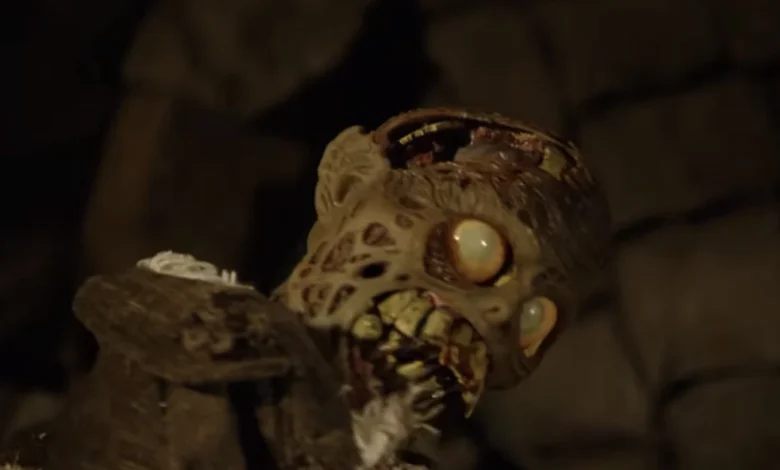
The four-minute short film, which premiered exclusively via Dread Central, represents a significant milestone for the Portland-based studio Puppetcore. Created in a unique partnership with Public Storage, the production serves as a testament to the viability of high-concept, practical-effect-driven horror in an era dominated by digital visual effects. The project, titled Patches, is set to reach a wider audience as part of the inaugural season of Scary Good, a hosted horror anthology series featured on the streaming platform Be Afraid TV.
Production Constraints and Technical Craftsmanship
The creation of Patches was defined by extreme logistical challenges that underscored the filmmakers’ commitment to traditional craft. The project was filmed over a rigorous three-day schedule by a lean, five-person crew. Perhaps most notably, the production team operated entirely off-grid. Due to a total lack of available power outlets at the filming location, the entire production—including lighting, camera equipment, and sound—was powered exclusively by battery arrays.
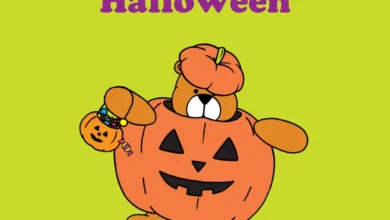
The centerpiece of the film is the custom-built puppet, Teddy. The construction of this character alone required more than 20 hours of labor, reflecting the meticulous attention to detail required to bring a convincing, tactile antagonist to life. The film’s original score, which provides a cohesive atmosphere to the otherwise silent physical puppets, was composed by Michael Richard Plowman.
Jesse Blanchard, the visionary behind Puppetcore, emphasized that the collaboration with Public Storage did not necessitate a compromise in artistic integrity. "Patches was our first sponsored spot, and we decided it had to stay true to what Puppetcore is: puppets, gore, and practical effects," Blanchard stated. He further noted the total absence of computer-generated imagery (CGI), explaining that every drop of blood, every texture, and every movement captured on screen is the result of physical manipulation and practical material design.
The Rise of Practical Effects in Independent Horror
The philosophy driving Patches mirrors a broader industry trend: a return to tangible, tactile horror. While digital effects have become the standard for major studio productions due to cost-efficiency and flexibility, independent filmmakers are increasingly turning to puppetry and animatronics to create a sense of uncanny dread that CGI often fails to replicate.
Historical context suggests that audiences respond favorably to practical effects because of the "uncanny valley" effect. When a viewer knows an object is physically present in the space with the actors—or in this case, inhabiting a physical environment—the psychological impact is heightened. Puppetcore’s reliance on felt, fabric, and synthetic blood provides a visceral, gritty aesthetic that aligns with the "grindhouse" and "monster movie" traditions of the 1980s, while utilizing modern filming techniques to polish the final output.
Financial Models and Creative Independence
The partnership between Puppetcore and Public Storage represents a growing trend in independent media: brand-funded genre content. As traditional funding streams for indie horror become increasingly competitive, filmmakers are seeking unconventional sponsors who are willing to provide capital in exchange for high-quality, shareable content that aligns with the brand’s image.

This financial model has direct implications for the studio’s long-term creative roadmap. Specifically, the capital provided by Public Storage has been instrumental in the development of Puppetcore’s long-gestating feature film project, Frank & Zed. This feature follows the narrative of two monsters whose survival is codependent, exploring themes of companionship and existential horror within a puppet-centric world.
The progress of Frank & Zed has been a point of interest for genre enthusiasts for several years. By leveraging the momentum from smaller shorts like Patches, Puppetcore is successfully building a proof-of-concept portfolio that demonstrates their ability to manage complex creature work on a micro-budget.
Timeline of Puppetcore’s Development
- Initial Concept Phase: Puppetcore establishes its core mission: to revitalize the art of professional-grade, gore-focused puppetry for modern audiences.
- Early Development of Frank & Zed: The studio begins the arduous process of sculpting, casting, and character design for its feature-length production.
- The Public Storage Partnership: A strategic agreement is formed, providing the necessary liquidity to maintain studio operations and advance production on the Frank & Zed project.
- Production of Patches: A three-day intensive shoot takes place, utilizing portable power systems and high-level craftsmanship to meet a tight production schedule.
- Distribution and Premiere: Patches is released to a wider audience, simultaneously securing a placement in the Scary Good anthology on Be Afraid TV, effectively bridging the gap between independent web-shorts and professional television streaming.
Impact on the Genre Ecosystem
The success of projects like Patches sends a clear signal to the independent film community: the "do-it-yourself" spirit, when paired with professional technical skill, remains a powerful force. The choice to avoid CGI entirely in Patches is not merely an aesthetic preference; it is a branding statement. In an era of content saturation, studios like Puppetcore differentiate themselves through the sheer labor-intensiveness of their work.
Furthermore, the integration of these shorts into platforms like Be Afraid TV highlights a shift in how horror is consumed. Streaming platforms are hungry for short-form, high-impact content that can serve as "filler" for anthologies or as standalone viral hits. This allows creators to maintain a consistent output of creative work while they secure the much larger, multi-year funding cycles required for feature-length films.
Analytical Outlook: The Sustainability of Puppet-Horror
As technology continues to democratize, the barrier to entry for high-quality practical effects has lowered. However, the requirement for human labor remains high. Unlike digital animation, which can be iterative and updated with software patches, puppets require constant physical maintenance, specialized puppeteering talent, and precise lighting to hide the mechanisms that bring them to life.
The decision by Blanchard to use a five-person crew for Patches is a case study in efficiency. By limiting the scope of the production to a single location and a single primary puppet, the team avoided the "bloat" that often sinks indie horror productions. This discipline is likely to be the deciding factor in whether the upcoming Frank & Zed feature achieves its goals.
For the horror community, the emergence of Patches is a welcomed development. It validates the efforts of creators who refuse to yield to the ease of digital tools, opting instead for the time-honored, messy, and infinitely more tactile world of puppets. As Scary Good begins its run on Be Afraid TV, Patches stands as a benchmark for how independent studios can navigate the transition from digital obscurity to professional recognition without losing their creative soul.
Ultimately, the trajectory of Puppetcore serves as a template for other independent genre filmmakers. By securing strategic sponsorships, maintaining a lean production model, and adhering to a consistent, high-quality visual identity, they have positioned themselves as significant players in the independent horror space. The industry will be watching closely as they move forward with their feature-length ambitions, providing a case study in how practical artistry can survive and thrive in a digital-first world.