Castles in the Air: A New Tabletop Roleplaying Game Captures the Essence of Gilded Age Coming-of-Age Narratives


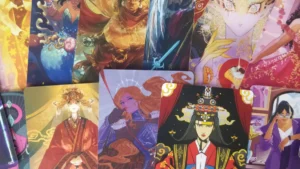
The tabletop roleplaying game landscape is set to expand with the introduction of Castles in the Air, a narrative-focused system designed to emulate the poignant, sweeping arcs of classic coming-of-age literature. Drawing heavy inspiration from iconic works such as Louisa May Alcott’s Little Women and Lucy Maud Montgomery’s Anne of Green Gables, the game invites participants to engage in a multi-generational storytelling experience set against the backdrop of the American Gilded Age. The project, currently seeking funding through a Kickstarter campaign, marks the latest creative endeavor from Storybrewer’s Roleplaying, a studio already recognized for its dedication to literary-inspired gaming mechanics.
Thematic Foundations and Historical Setting
Set during the Gilded Age—a period spanning roughly from the 1870s to the 1890s—Castles in the Air positions players in a transformative era of American history. This epoch was defined by rapid industrialization, unprecedented economic expansion, and significant demographic shifts, including a surge in migration. By placing the narrative within this specific historical window, the game provides a rich, atmospheric stage upon which personal development can unfold.
Unlike traditional RPGs that focus on combat, dungeon crawling, or loot acquisition, Castles in the Air emphasizes the emotional and social architecture of its protagonists. Players begin the campaign as a close-knit group of children. The early gameplay phases are dedicated to the exploration of childhood innocence, focusing on pastoral activities—swimming in local ponds, observing the stars, and navigating the nuances of rural or suburban life. As the narrative progresses, the game mechanics mirror the transition into adolescence and adulthood. This involves the introduction of more complex social dynamics, such as burgeoning romantic interests, professional aspirations, the emergence of rivalries, and the inevitable friction that occurs as individual paths begin to diverge.
Development and Creative Pedigree
The design of Castles in the Air is spearheaded by Melia Carraway, who brings a distinct focus on character-driven storytelling to the project. The game is being published by Storybrewer’s Roleplaying, a studio founded by Vee Hendro and Hayley Gordon. The duo gained significant acclaim within the tabletop community for their previous title, Good Society, which successfully adapted the tone and social complexities of Jane Austen’s novels into a playable format.
The involvement of the Good Society team suggests a high level of expertise in "parlor-style" or "drama-forward" RPG design. By utilizing the lessons learned from their previous work, Carraway and the Storybrewer team have constructed a system that balances structured character archetypes with the fluid, improvisational nature of collaborative storytelling. Players select roles such as the "troublesome scamp" or the "studious bookworm," further layering these identities with specific goals, childhood bonds, and the inclusion of a "bosom enemy"—a key trope in the literature that inspired the project.

Chronology of the Project
The announcement of Castles in the Air follows a trend of increasing interest in "cozy" and narrative-centric RPGs that cater to players seeking emotional depth rather than strategic simulation. The timeline for the project is as follows:
- Early Development: The conceptualization phase, led by Melia Carraway, focused on translating literary pacing into game mechanics.
- Announcement and Community Preview: Storybrewer’s Roleplaying unveiled the game’s themes and mechanics to the public, bolstered by "actual play" videos, such as the A Golden Dawn series, which allowed potential backers to witness the game’s flow in practice.
- Crowdfunding Launch: The Kickstarter campaign opened, providing various tiers for digital and physical access to the game’s core rulebook and supplemental materials.
- Funding Deadline: The campaign is scheduled to conclude on June 9th.
- Projected Fulfillment: Backers are expected to receive their physical copies by March 2025, marking the culmination of the development and production cycle.
Supporting Data and Accessibility
The economic model for the project reflects a growing trend in tabletop publishing, where digital accessibility is prioritized alongside premium physical goods. The campaign offers a digital version of the game for a pledge of AU$ 34 (approximately £18 or $26), ensuring that the game remains accessible to a broad audience. The physical tier, set at AU$ 99 (approximately £52 or $77), targets collectors and those who prefer the tactile experience of a high-quality, printed rulebook.
The reliance on Kickstarter for funding is a common strategy for independent RPG developers. It serves two primary functions: it mitigates the financial risk of printing and shipping physical goods, and it acts as a proof-of-concept metric, gauging the level of consumer interest before large-scale production begins. The success of similar titles from Storybrewer’s Roleplaying suggests that there is a robust market for games that prioritize literary tropes and emotional resonance.
Analysis of Implications in Tabletop Gaming
The rise of Castles in the Air reflects a significant shift in the tabletop industry. For decades, the market was dominated by high-fantasy systems that prioritized combat mechanics and statistical growth. However, the last decade has seen an "indie revolution" characterized by games that favor safety, inclusivity, and emotional exploration.
The implication of such a game is that it broadens the definition of what a "game" is. In Castles in the Air, the "win condition" is not the defeat of an antagonist, but the successful navigation of life’s milestones. This requires a high degree of maturity from the player base and a sophisticated set of social tools to manage the interpersonal dynamics of the group. It also highlights a move toward "literary adaptation" as a legitimate sub-genre of roleplaying, where the goal is to recreate the feeling of a specific aesthetic or period, rather than simply simulating physics or tactical combat.
Furthermore, the game’s focus on the Gilded Age provides an educational dimension, albeit one filtered through a fictionalized lens. By exploring the societal expectations placed upon youth during the late 19th century, players gain a better understanding of the cultural history of the period, including the constraints and freedoms afforded to different classes and genders at the time.

Official Stance and Community Reception
While Storybrewer’s Roleplaying has not released a formal statement regarding the specific demographic data of their backers, their marketing strategy has consistently targeted the literary community, fans of period dramas, and existing tabletop enthusiasts who enjoy character-heavy gameplay. Early feedback from the community, as evidenced by the engagement on the A Golden Dawn actual play videos, suggests a high level of enthusiasm for the game’s thematic depth.
Critics and reviewers have noted that the challenge for such a game will be maintaining player engagement over long-term campaigns. Unlike combat-heavy games, which have clear progression markers, narrative-driven games like Castles in the Air rely on the players’ willingness to lean into the discomfort of growth and the sadness of growing apart. The inclusion of the "bosom enemy" mechanic is a clever design choice, as it introduces an inherent source of conflict that can sustain a narrative without relying on external threats.
Broader Impact on the Industry
The success of projects like Castles in the Air signifies that tabletop roleplaying has reached a level of cultural maturity where it can effectively mirror complex literary works. As the industry continues to move away from the "one size fits all" approach of legacy systems, we are likely to see more specialized games that target specific emotional experiences or historical periods.
By providing the tools to reenact the "wonders and fears" of childhood, Castles in the Air offers a space for players to process their own life experiences through the safety of a fictionalized, historical avatar. This function—the ability to act as a container for emotional expression—is perhaps the most significant contribution that modern RPG design makes to the hobby. As the Kickstarter campaign approaches its June 9th conclusion, the momentum behind the project suggests that the appetite for such deeply personal, collaborative storytelling remains strong and continues to grow among a diverse global audience.