Freak War: A New Hybrid Card Game Blends Trading Card Mechanics with Accessible Party Play

The landscape of tabletop gaming is undergoing a subtle but significant shift as developers look to bridge the gap between the complex, high-barrier-to-entry world of collectible card games (CCGs) and the low-friction accessibility of modern party games. The latest entrant to this emerging category is Freak War, a project developed by cartoonist Nate Galbraith, operating under the studio banner Sheltonshire Games. Designed to emulate the excitement of creature-battling franchises like Pokémon while stripping away the administrative overhead of competitive deck building, the game has successfully surpassed its initial crowdfunding threshold on Kickstarter, signaling a robust market appetite for simplified, high-energy tabletop experiences.
The core premise of Freak War is rooted in an informal observation of childhood play. Galbraith, known for his work as the cartoonist "sketchnate," observed children attempting to facilitate complex, rules-heavy battles using standard Uno cards—a makeshift approach that highlighted a desire for "battle-style" gameplay without the associated learning curve. By integrating the fundamental mechanics of the classic card game War with the "take-that" elements found in titles such as Exploding Kittens, Galbraith has created a hybrid system that favors spontaneous interaction over granular deck optimization.
Mechanical Foundations and Gameplay Modes
At its mechanical heart, Freak War operates on a simple premise: players simultaneously deploy creature cards, with the outcome of each encounter determined by the creature’s attack value. While the game provides the option for players to construct custom decks—a nod to the hobbyist CCG market—it is explicitly designed to function immediately upon opening the box. By splitting a shuffled deck among up to four participants, the game removes the "barrier to entry" typically associated with the genre, where new players often struggle to understand card synergies and meta-game nuances.
The gameplay is split into two primary modes: the high-chaos "War" mode and the more tactically minded "Battle" mode. In "War," the pace is rapid and largely dictated by the luck of the draw, mimicking the speed of its namesake. In "Battle," players have more agency, choosing which creatures to deploy from their hand rather than flipping from the top of the deck. These modes are further augmented by "King of the Hill" and team-based rulesets, providing longevity for players who seek variety beyond the base mechanics.
A key feature of the game is its "evolution" system, which mirrors the progression mechanics seen in major trading card franchises. Players can use specific cards to boost their creature’s strength or apply modifiers that alter the state of play. These modifiers range from equipment cards like the "Super Sword" to disruptive tactics that allow players to swap cards with opponents or engage in coin-flip mechanics to determine the winner of a stalemate.
The Narrative Universe: A Post-Second-Sun World
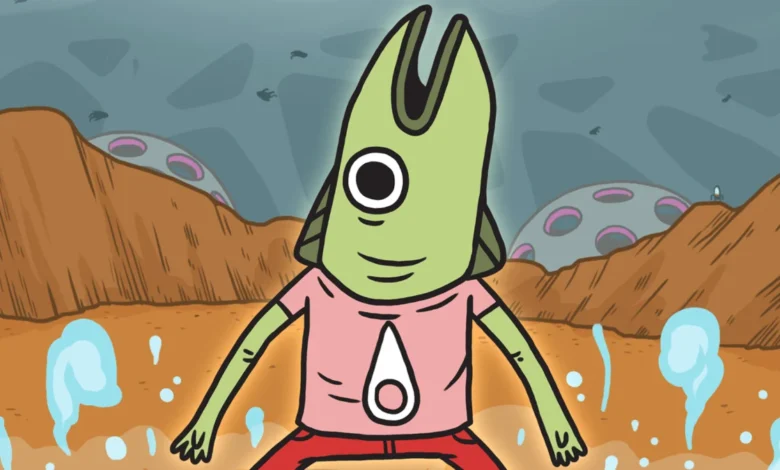
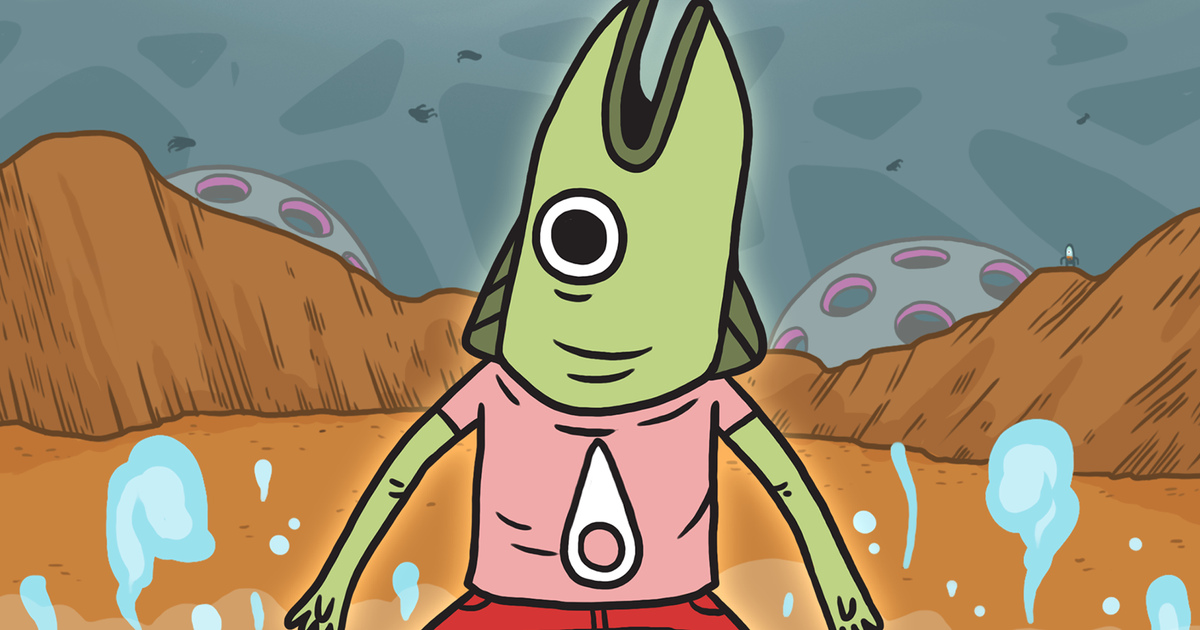
The thematic backdrop of Freak War is as eccentric as its mechanics. The lore posits a world transformed by the appearance of a second sun, which caused biological mutations across the animal kingdom. This narrative framework allows for the inclusion of highly imaginative creature designs, including muscly fishpeople, time-traveling tigers, and "Man Cat"—a character depicted as a human in a feline costume.
This absurdist aesthetic serves a dual purpose: it creates a distinct visual identity for the brand while maintaining a lighthearted tone that avoids the overly serious or gritty tropes often found in traditional fantasy CCGs. The meta-commentary present in certain card effects—such as the "Fly Guy," which gains power based on the proximity of uneaten snacks—aligns the game with modern party-game sensibilities, where humor and player interaction are prioritized over rigid adherence to thematic immersion.
Crowdfunding Performance and Market Context
The project launched on the crowdfunding platform Kickstarter with a funding goal of $10,000. As of mid-May, the campaign has successfully surpassed this target, indicating strong support from the gaming community. The success of the campaign highlights a broader trend in the industry: the rise of "micro-games" and hybrid titles that target casual players who enjoy the art and flavor of trading cards but lack the time or resources to invest in the secondary market of competitive gaming.
The current timeline for the project is as follows:
- May 2024: Active Kickstarter campaign period.
- June 13, 2024: Official close of the crowdfunding campaign.
- June 2025: Projected delivery of physical game units to project backers.
This twelve-month window between the end of the campaign and product delivery is consistent with industry standards for independent tabletop publishers, accounting for final manufacturing runs, quality assurance testing, and international logistics.
Industry Implications: The Shift Toward Accessibility
The emergence of Freak War suggests a growing fatigue among certain segments of the gaming public regarding the "arms race" of competitive card games. For years, the CCG market has been dominated by high-cost, high-complexity titles that often require significant financial and intellectual investment. By pivoting toward a "pick-up-and-play" model, Sheltonshire Games is tapping into a demographic that values social connection over competitive dominance.

Industry analysts note that the success of games like Exploding Kittens and Sushi Go! has demonstrated that board game consumers are increasingly looking for "gateway" experiences—games that are easy to teach, quick to resolve, and physically portable. Freak War fits squarely into this ecosystem, competing not necessarily with high-end CCGs like Magic: The Gathering, but rather with party-centric titles that serve as social lubricants at gatherings.
Furthermore, the game’s pricing strategy—a $20 price point per deck—positions it as an "impulse buy" rather than a significant capital investment. This is a deliberate tactical choice in an economy where disposable income for hobbies is being carefully managed by consumers. By keeping the price low, the developer minimizes the risk for the consumer while maximizing the potential for repeat purchases through future expansion packs.
Future Outlook
While the game is currently in the crowdfunding stage, the interest generated suggests that Sheltonshire Games may be poised to develop a broader franchise. The modular nature of the creature packs—ranging from buff penguins to peculiar gastropods—allows for a "living game" model where new content can be introduced periodically to keep the player base engaged.
However, the challenge for Freak War will be long-term retention. Unlike traditional party games that rely on static mechanics, the "take-that" and evolutionary elements of Freak War necessitate a balanced meta to ensure that no single strategy or card becomes overpowered. Whether the developers can maintain this balance as they release future expansions will be a critical factor in the game’s longevity.
For now, the project stands as a testament to the power of niche creative vision in the age of crowdfunding. By identifying a specific gap—the desire for the "vibe" of a trading card game without the "work" of one—Nate Galbraith has successfully captured the attention of a segment of the market that is ready for something fresh, silly, and, above all, accessible. As the campaign concludes in mid-June, the focus will shift to the transition from digital concept to physical reality, marking the next phase for what is shaping up to be a notable entry in the 2025 tabletop release calendar.
Related posts: