The Road to Armageddon: Captain America #9 Unveils Geopolitical Tensions in Marvel’s Looming Event

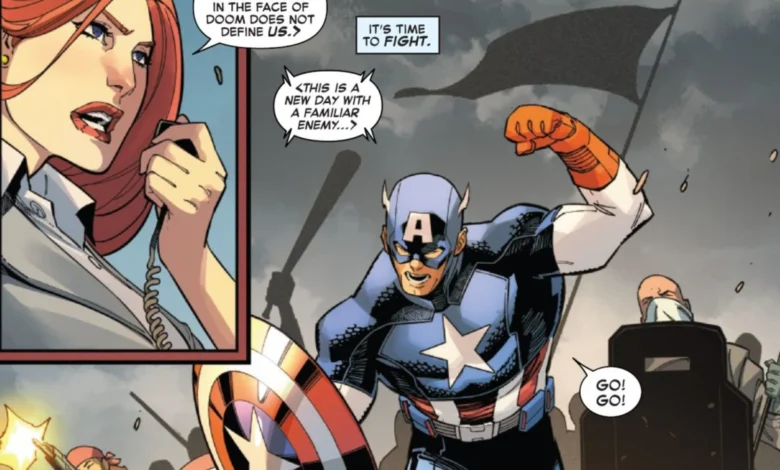
The Marvel Universe is bracing for a significant geopolitical upheaval as the highly anticipated event, Avengers: Armageddon, draws near. Recent developments in Captain America #9, penned by Chip Zdarsky with art by Ton Lima and Jan Bazaldua, provide critical insights into the escalating tensions and fragmented alliances that precede this monumental conflict. The issue meticulously lays the groundwork for what promises to be a complex and multifaceted engagement centered around the sovereign state of Symkaria, a nation historically intertwined with and often overshadowed by its powerful neighbor, Latveria.
The Aftermath of Doctor Doom’s Fall: A Power Vacuum Ignites Conflict
The genesis of Avengers: Armageddon can be traced directly to the events of One World Under Doom, which saw the unprecedented death and subsequent deposition of Doctor Doom, Latveria’s long-reigning monarch and one of the Marvel Universe’s most formidable figures. Doom’s iron-fisted rule, while often tyrannical, had paradoxically maintained a fragile stability within Latveria and, to some extent, in the broader Eastern European region. His removal created a profound power vacuum, destabilizing the political landscape and inviting external interventions.
Symkaria, a smaller, often neutral nation bordering Latveria, has historically served as a critical buffer state and, at times, an unwilling staging ground for proxy conflicts between Latveria and various international powers, most notably the United States. With Doom gone, Symkaria finds itself once again at the epicenter of a brewing storm. The "Battle of Symkaria," as it is being dubbed, is shaping up to be a complex military and ideological confrontation involving a disparate array of forces: the official US Army, Symkarian national defense forces, General Ross’s independently operating "Hulk Soldiers," and the Avengers, whose traditional role as global peacekeepers is increasingly challenged by the intricate web of allegiances and motivations. The central question looming over this impending conflict is a stark one: in this fractured new reality, who truly stands on whose side?
Captain America’s Covert Operations and Moral Dilemmas
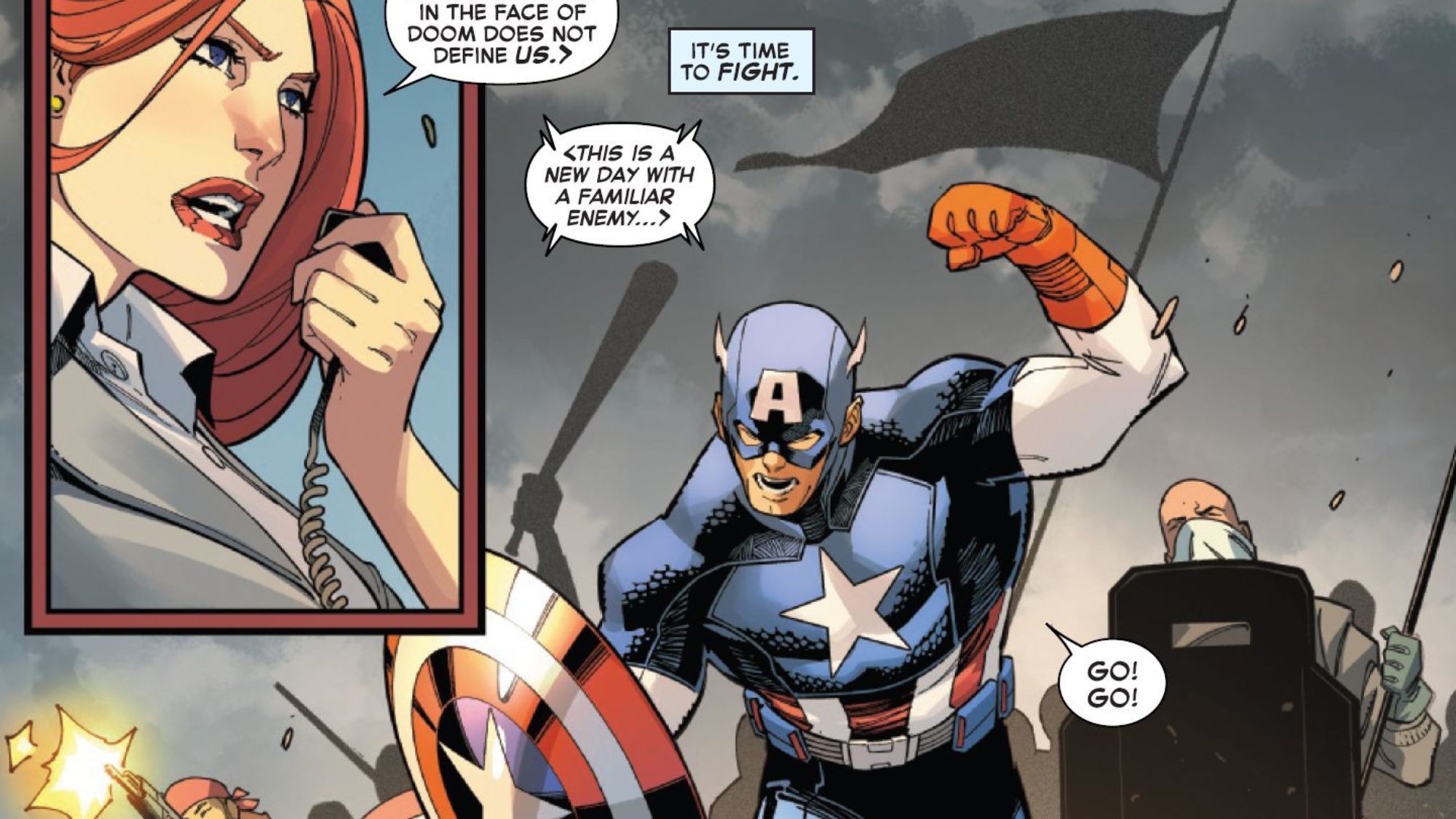
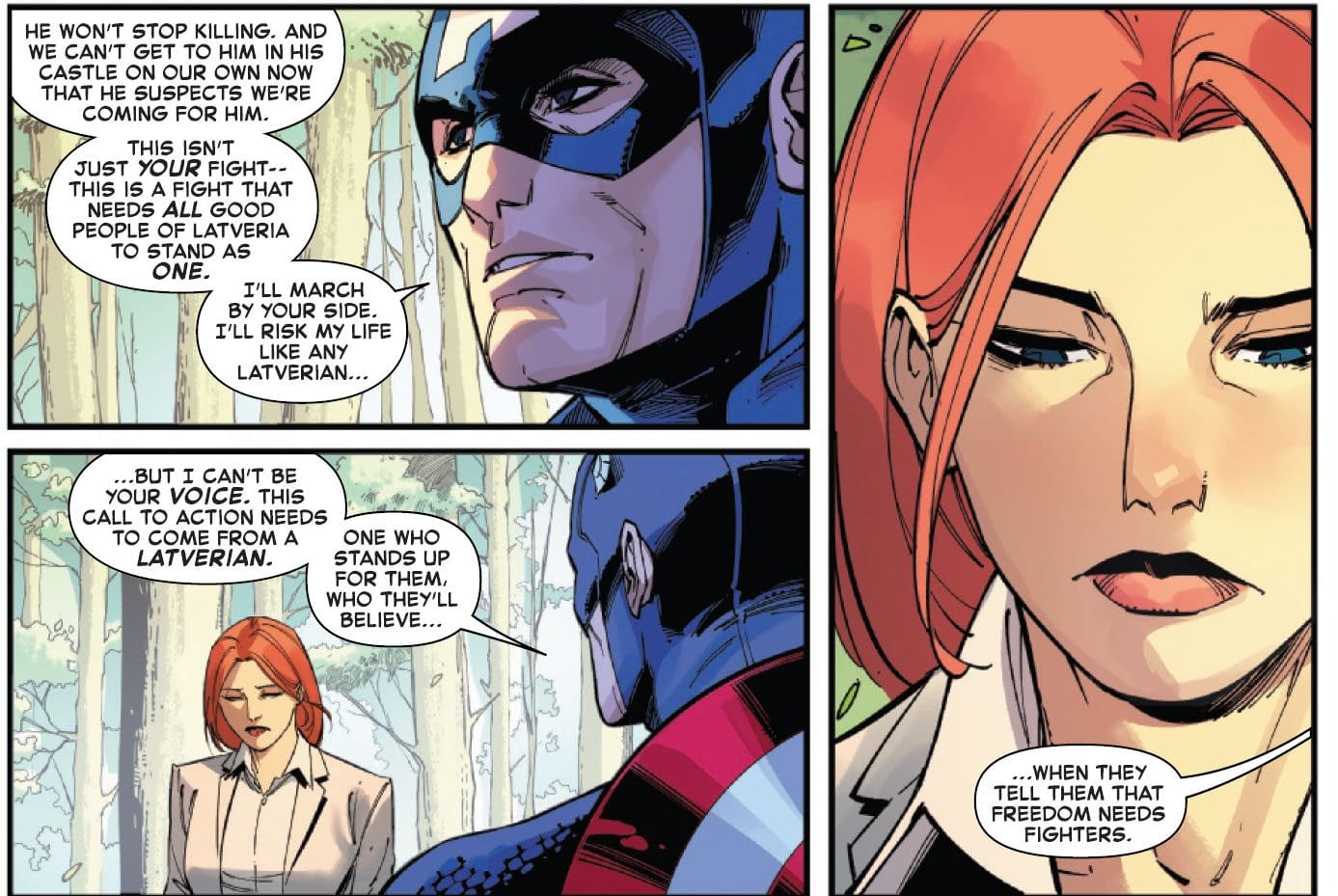
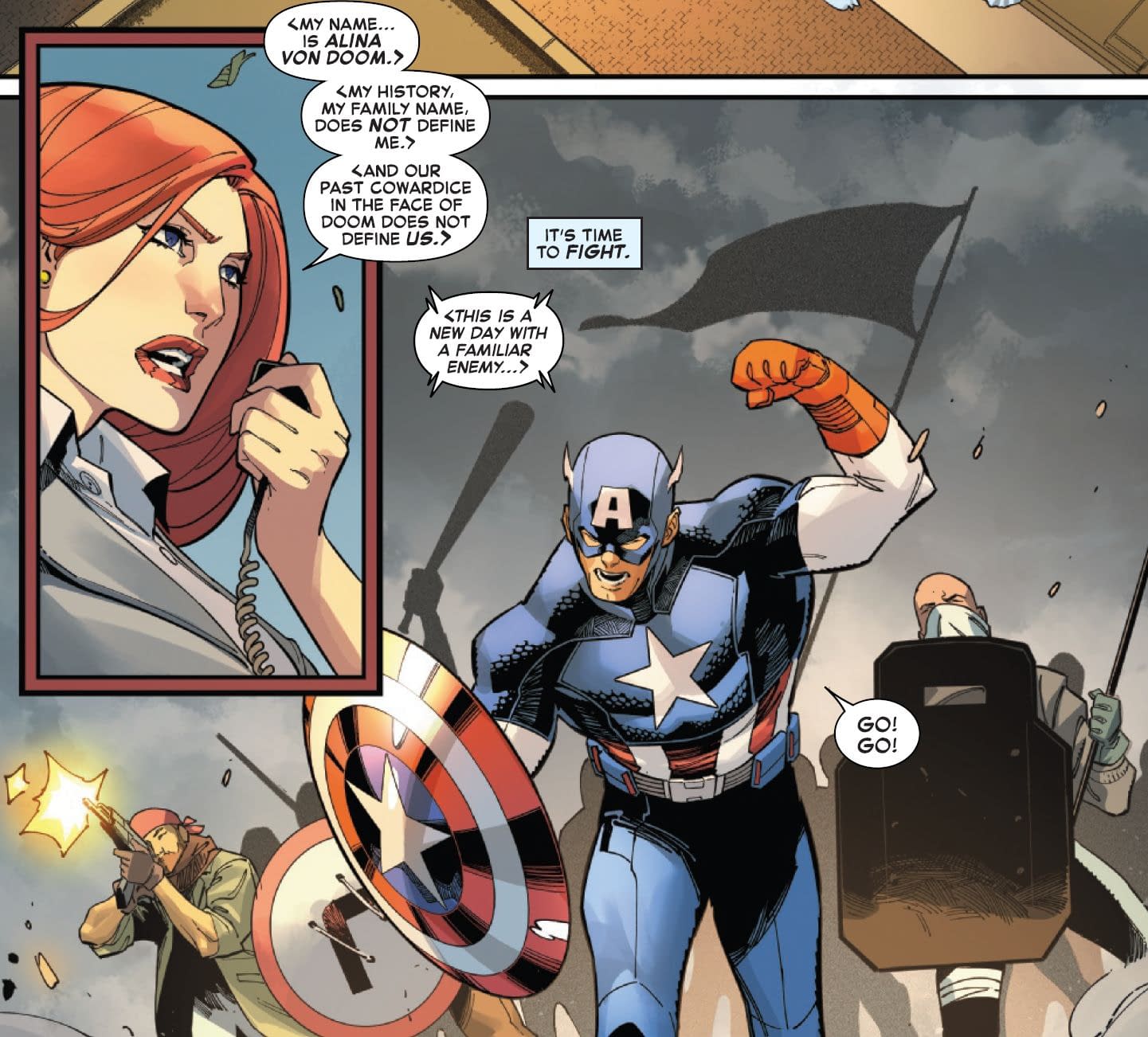
Captain America #9 delves deep into the moral complexities faced by Steve Rogers, who finds himself entangled in the revolutionary fervor sweeping through Latveria post-Doom. Rogers, ever the champion of liberty and self-determination, is depicted fostering a burgeoning rebellion within Latveria. However, in a strategic move that speaks volumes about the delicate nature of international intervention, he "wisely refrains from being the figurehead." This calculated distance allows the Latverian people to genuinely claim ownership of their uprising, preventing it from being perceived as a US-orchestrated regime change, which would undoubtedly complicate future diplomatic relations and potentially undermine the revolution’s legitimacy.
This decision, however, raises profound questions about Captain America’s evolving role. The query posed in the article, "Do you think the ‘A’ on his head stands for Latveria?" is more than rhetorical. It underscores a fundamental tension: is Captain America acting as an agent of American ideals, or has his commitment to universal freedom transcended national boundaries to the point where he might implicitly align with a foreign revolution against US-sanctioned stability, even if that stability was tyrannical? His actions highlight the nuanced and often contradictory nature of heroism in a world where geopolitical realities clash with idealistic principles.
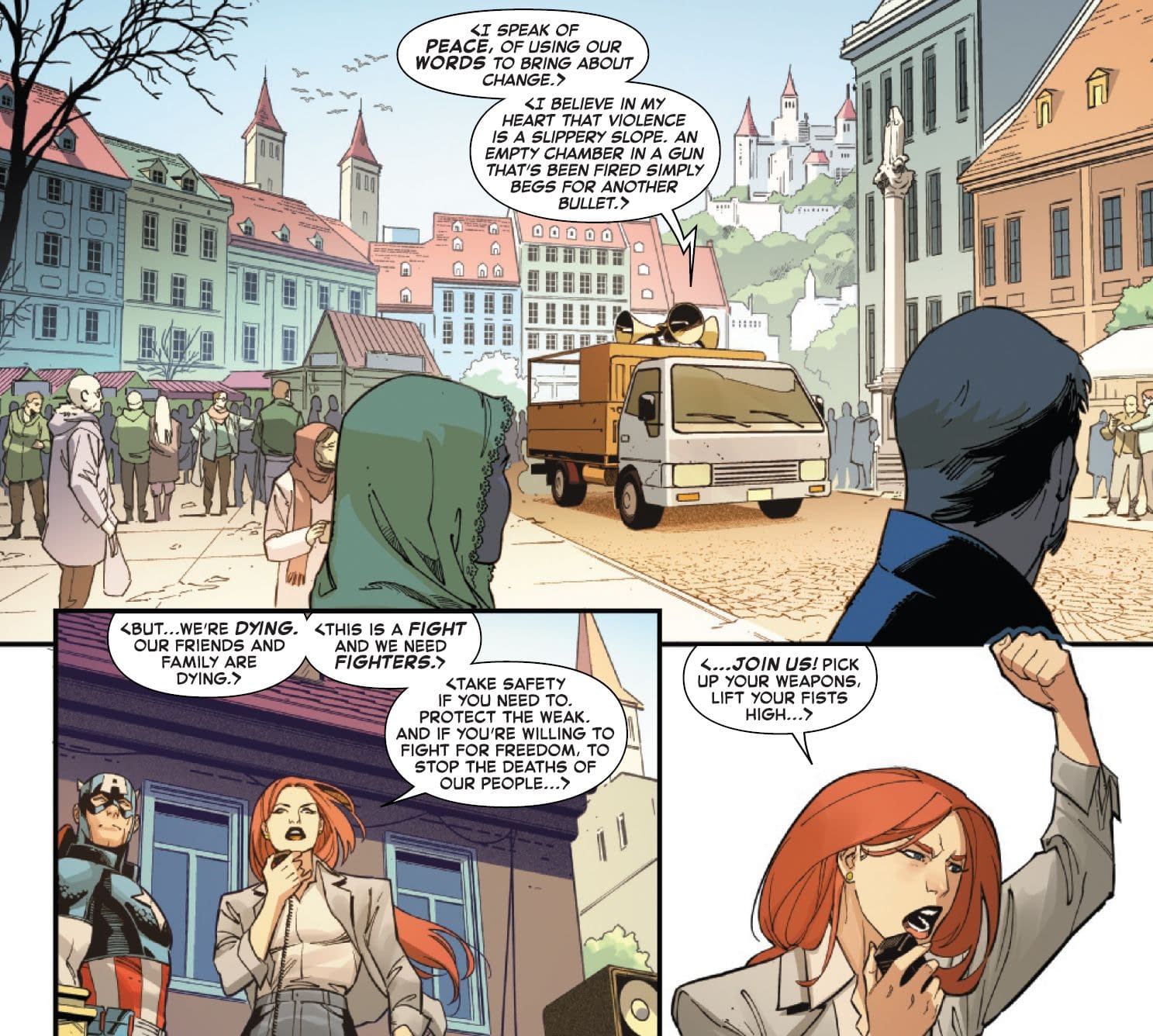
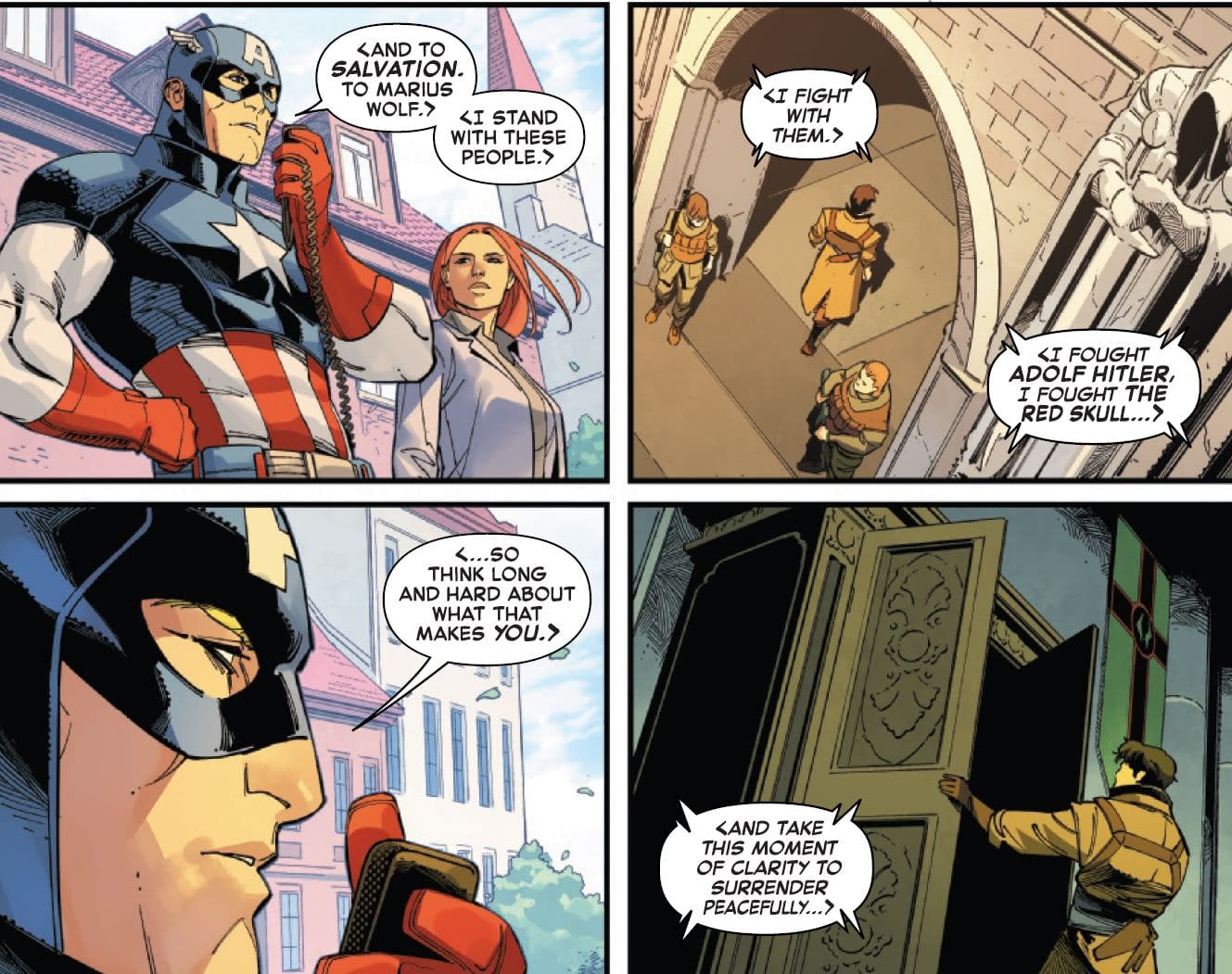
Despite his initial attempts to remain in the shadows, the enduring symbol of Captain America proves too powerful to suppress. Rogers eventually finds himself compelled to "take the mike," stepping into the public spotlight alongside Alina, a key figure in the Latverian resistance. This moment signifies not only his unwavering commitment to the cause but also the inherent difficulty of a living legend remaining an anonymous force. His presence inevitably transforms the revolution, imbuing it with a moral authority and international recognition that few other figures could command. This public endorsement, however, could also be interpreted by external powers as a direct American intervention, further muddling the waters of the impending Symkarian conflict.
The Enigmatic Red Widow and the Calculus of Influence
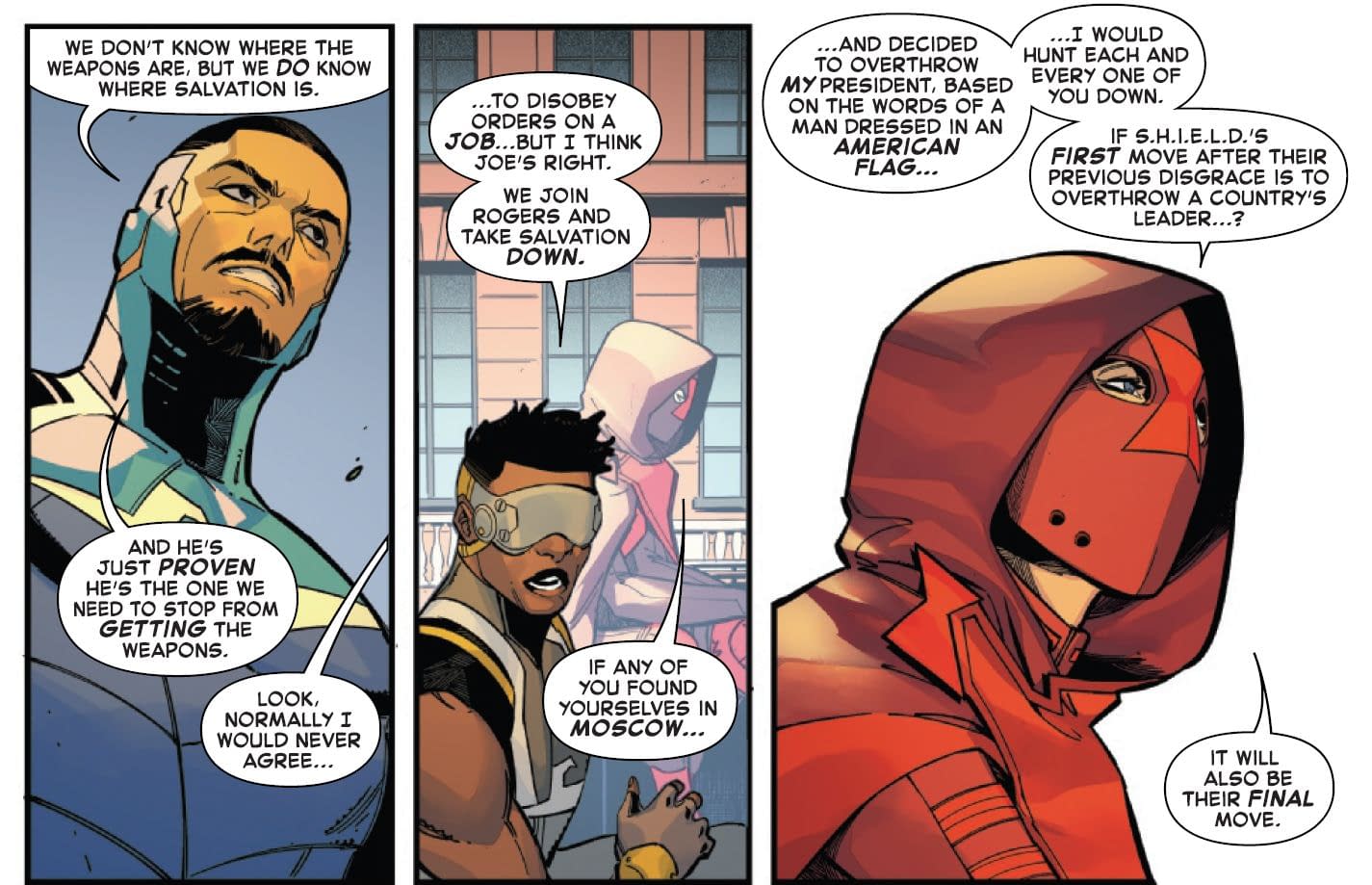
Adding another layer of complexity to the unfolding drama is the involvement of Red Widow. She is shown offering counsel to various US activists, some of whom are eager to directly join the burgeoning revolution. Her advice, delivered with a cynical pragmatism, suggests a deep understanding of international power dynamics and the often-unseen forces at play. The article’s subtle nod to "even when it’s Putin" (likely referring to a fictionalized political analogue within the Marvel narrative) implies Red Widow’s perspective transcends conventional ideological divides, focusing instead on the raw mechanics of power and influence, regardless of the figurehead.
Red Widow’s motivations remain somewhat opaque, but her actions suggest an effort to guide or perhaps manipulate the flow of popular sentiment and grassroots involvement. By advising activists, she might be attempting to channel their energy effectively, prevent counterproductive actions, or even subtly advance an agenda that aligns with her own strategic interests. Her presence indicates that the struggle in Symkaria and Latveria is not merely a military one but also a battle for hearts and minds, where propaganda, information control, and the mobilization of civilian support are crucial elements.
General Ross’s Rogue Ambition: A Separate Front
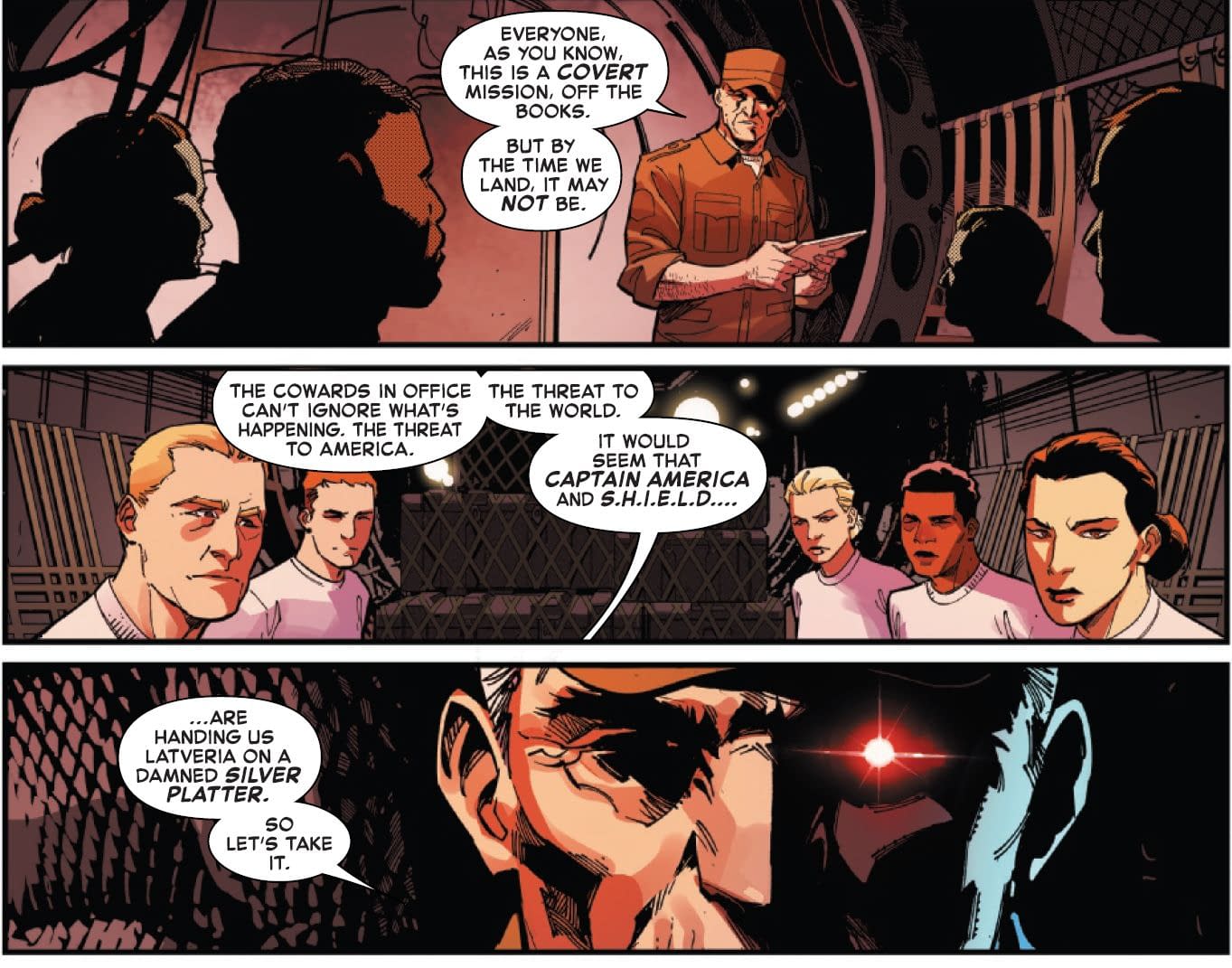
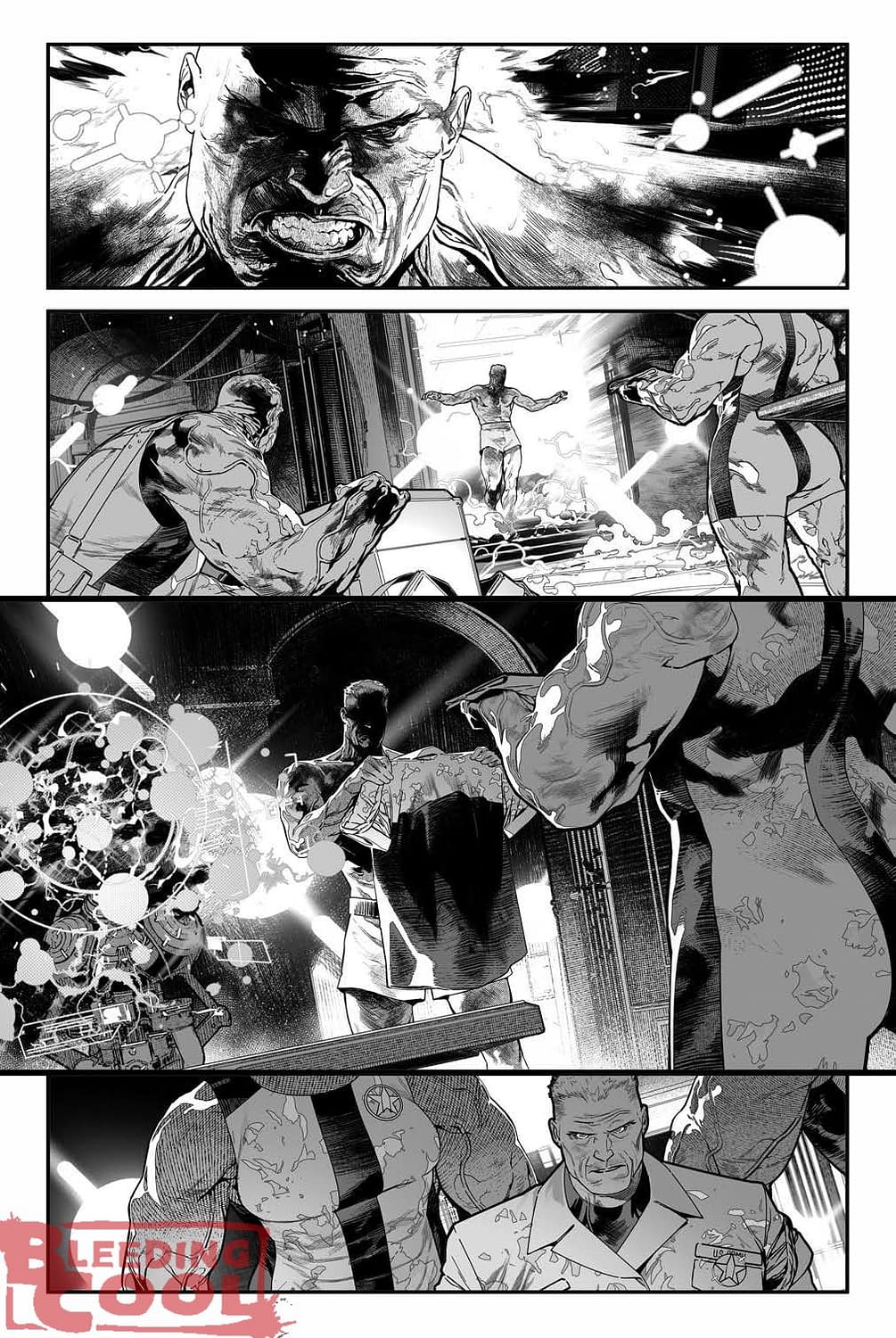
Perhaps the most alarming development detailed in Captain America #9 is the unilateral action taken by General Thaddeus "Thunderbolt" Ross. Historically a complex and often adversarial figure within the Marvel Universe, with a long-standing obsession with the Hulk and a checkered military career, Ross is now leading his "hand-picked un-Hulked soldiers" towards Latveria. Crucially, these forces are explicitly stated to be operating independently, "setting them apart from the United States Of America, SHIELD and Cap."
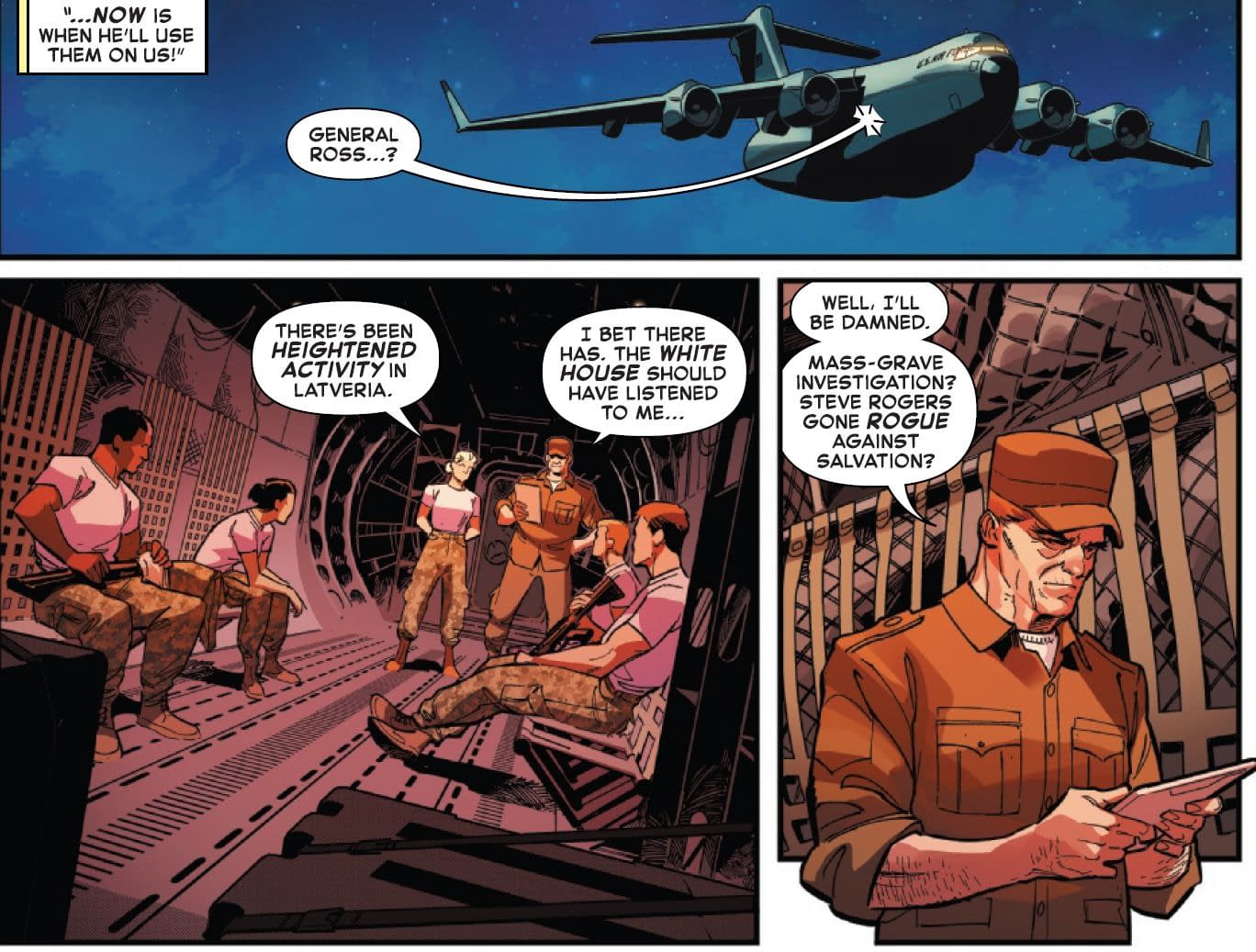
This represents a dangerous escalation and a clear fracturing of official US policy. General Ross is depicted procuring "transforming weapons," hinting at advanced, potentially unstable, or ethically dubious technology that falls outside standard military doctrine. His willingness to operate without official sanction, and his clear intent to seize control or influence in Latveria, signals a rogue element within the US military apparatus. Ross’s actions could easily be interpreted as an unsanctioned invasion by Latveria and the international community, regardless of the true intentions of the US government or the Avengers.
The implications of Ross’s independent expedition are profound. His forces, distinct from the more traditional US Army contingent that may be operating under official diplomatic or UN mandates in Symkaria, introduce an unpredictable and volatile variable. If Ross succeeds in establishing a foothold in Latveria, it could trigger a wider regional conflict, dragging the US into a war it did not officially authorize, and further complicating the Avengers’ mission. His pursuit of "whatever they can get" in terms of transforming weapons suggests a desperate or ruthless ambition, prioritizing power and control over protocol and ethical considerations. This rogue operation could severely undermine Captain America’s efforts to foster a legitimate revolution and could lead to a three-way (or more) conflict in the region.
Chronology Leading to Armageddon:
- Doctor Doom’s Reign: Long-standing, albeit tyrannical, stability in Latveria. Symkaria functions as a buffer state.
- One World Under Doom: Doctor Doom is defeated, leading to his death and deposition. This creates a significant power vacuum and destabilizes the region.
- Rise of Latverian Revolution: Post-Doom, a popular uprising begins in Latveria, with Steve Rogers (Captain America) providing covert support and guidance, aiming for self-determination.
- Captain America #9 Events:
- Steve Rogers helps organize the Latverian revolution but initially avoids being its public face.
- Red Widow provides strategic advice to US activists regarding the situation.
- Captain America eventually steps into a more public leadership role for the revolution, appearing alongside figures like Alina.
- Simultaneously, General Ross assembles an independent force of "un-Hulked soldiers" equipped with "transforming weapons" and moves towards Latveria, operating outside official US/SHIELD/Avengers command.
- Tensions mount as various factions converge on the Symkarian border, setting the stage for imminent conflict.
- Avengers: Armageddon: The culmination of these events, focusing on the "Battle of Symkaria," where the US Army, Symkarian forces, General Ross’s rogue unit, and the Avengers will clash amidst the geopolitical turmoil.
Broader Impact and Implications for the Marvel Universe
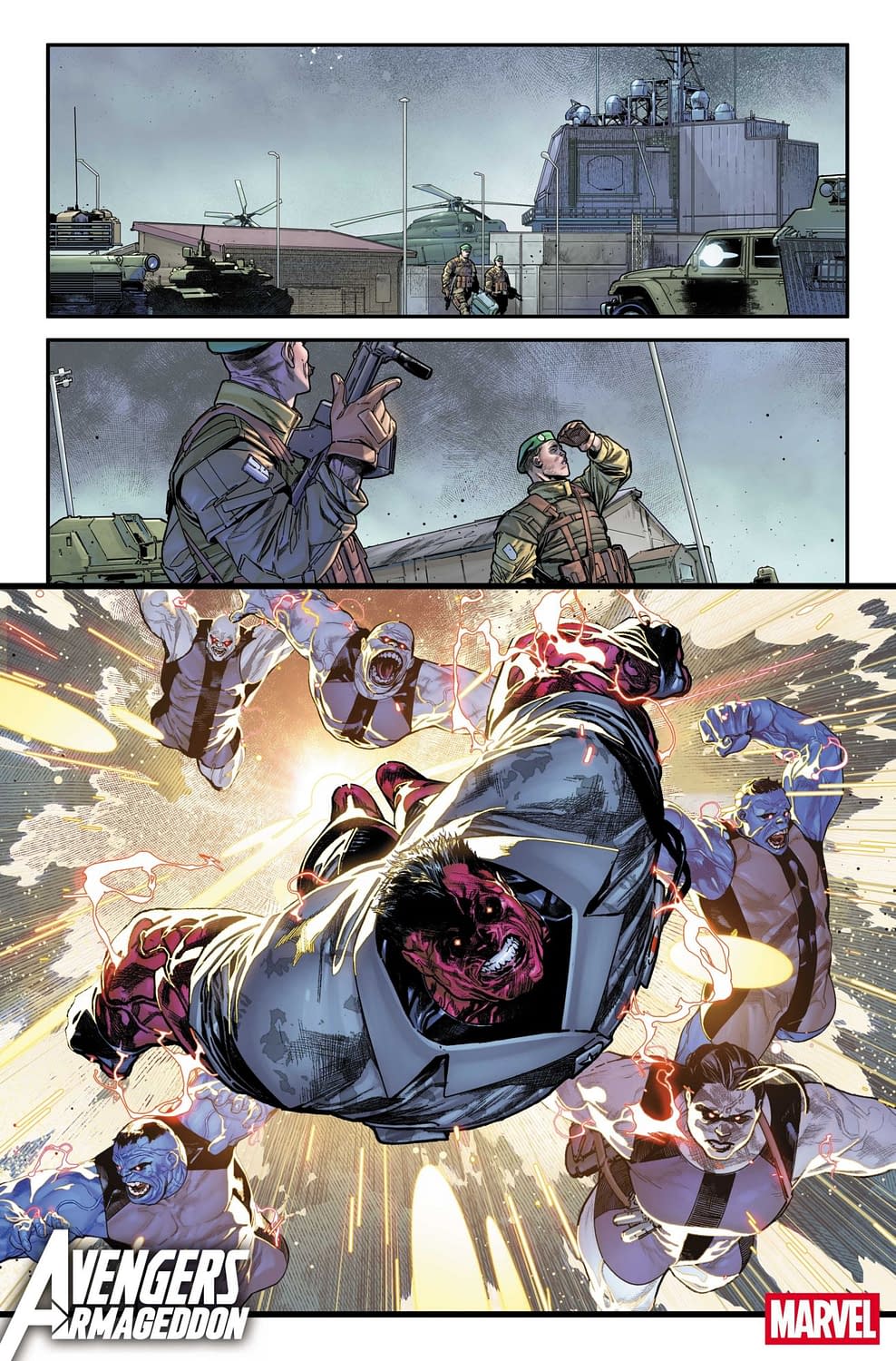
The impending Avengers: Armageddon event, seeded by the intricate narrative of Captain America #9, promises to deliver far-reaching implications for the Marvel Universe. The destabilization of Latveria, a nation historically significant for its advanced technology and powerful leadership, creates a void that will inevitably be filled, either by its own people, by external forces like General Ross, or by a collaborative effort under the Avengers’ purview. The outcome will redefine the regional balance of power.
For the Avengers, this event represents a significant test of their mandate. Are they peacekeepers, or agents of American foreign policy, or simply responders to the most immediate threats? The internal conflict, particularly with General Ross acting independently, challenges the very notion of a unified front for justice and order. Captain America’s willingness to foster a foreign revolution, even if morally justified, could strain his relationship with the US government and SHIELD, forcing him to navigate a treacherous path between loyalty to country and allegiance to universal ideals.
General Ross’s rogue operation, driven by what appears to be a personal agenda and a disregard for established protocols, could lead to a deeper examination of accountability within military structures in the Marvel world. The use of "transforming weapons" also hints at a dangerous arms race, potentially introducing new threats and technologies that could reshape future conflicts.
Ultimately, Avengers: Armageddon is poised to be more than just another superhero brawl. It is a politically charged saga that explores themes of self-determination, the ethics of intervention, the dangers of power vacuums, and the blurred lines between hero and rogue. The question of "who is on whose side?" will undoubtedly reveal surprising alliances and betrayals, forcing characters and readers alike to confront the complex realities of a world teetering on the brink of profound, perhaps irreversible, change. As the previews for Avengers: Armageddon suggest, the stakes are nothing less than the future stability of the Marvel geopolitical landscape, a change that could indeed "change Marvel forever."