Miami-Dade Law Enforcement and the Grand Theft Auto 6 Marketing Blitz: A Study in Civic Tension and Commercial Reality

As the highly anticipated release of Rockstar Games’ Grand Theft Auto 6 approaches, the marketing campaign surrounding the title has collided with the sensibilities of local law enforcement in South Florida. The game, which is set in the fictional state of Leonida—a satirical reflection of Florida—and the iconic metropolis of Vice City, has become the center of a complex debate regarding the intersection of public infrastructure, private enterprise, and the branding of real-world cities.
The tension reached a boiling point in September 2026, when Miami-Dade Sheriff Rosie Cordero-Stutz voiced strong opposition to proposed partnerships involving public assets. The sheriff’s public critique highlighted a fundamental friction: how should a city handle the promotional machinery of a franchise built entirely on the simulation of criminal activity?
The Chronology of a Contentious Campaign
The promotional strategy for Grand Theft Auto 6 has been nothing short of aggressive. As Rockstar Games and Take-Two Interactive prepare for a global launch, they have sought to leverage the game’s inherent connection to Miami’s culture and landscape. Throughout late 2026, various municipal bodies across Florida were approached with proposals to integrate the game’s branding into local tourism and infrastructure.
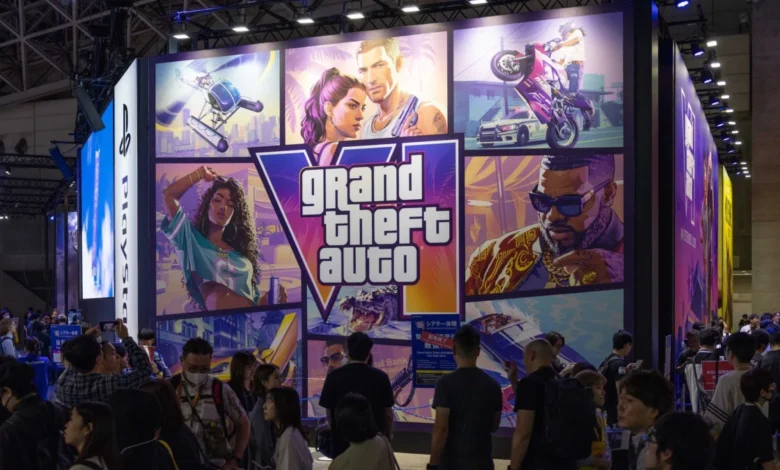
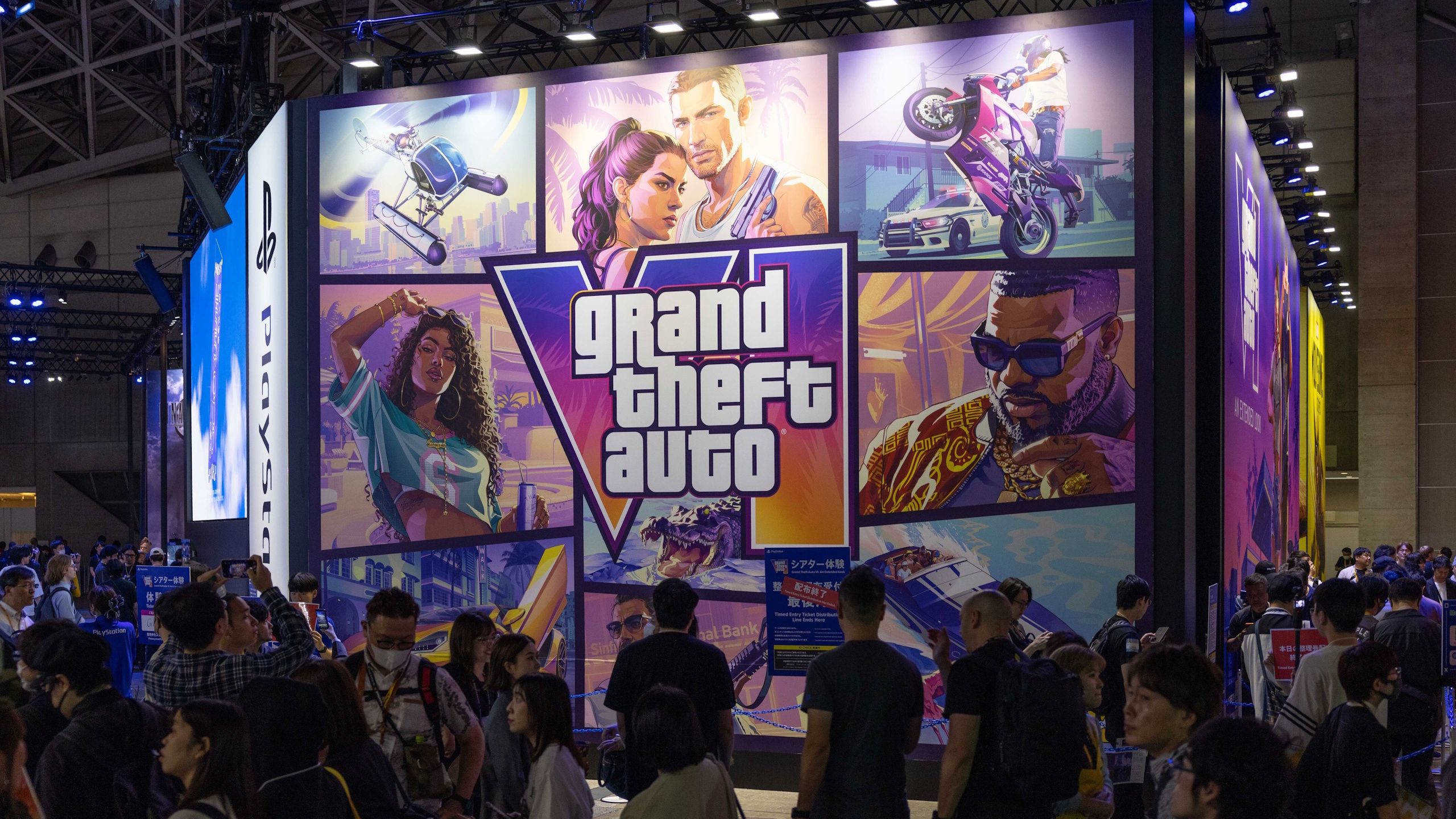
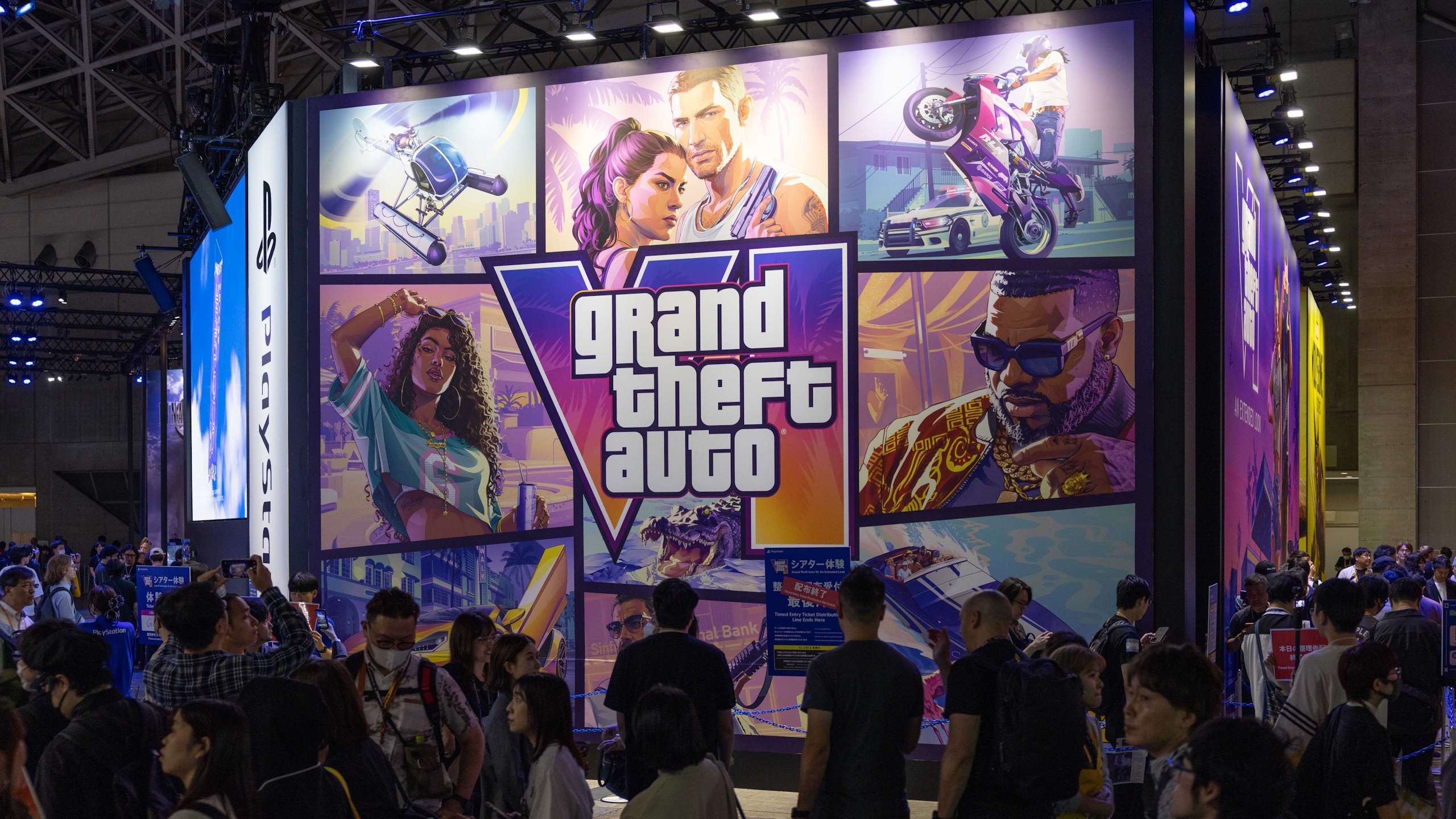
In mid-September 2026, as the industry gathered at the Tokyo Game Show—where the game’s exhibition booth served as a primary highlight of the 30th-anniversary event—local officials in Florida were internally debating the ethical boundaries of these collaborations. Sheriff Cordero-Stutz issued a pointed statement, framing the game’s content as diametrically opposed to the mission of the Miami-Dade Sheriff’s Office. She noted that the franchise’s reliance on themes of murder, robbery, and violence against police officers made it an inappropriate partner for public entities.
However, the opposition was not monolithic. By late September, the City of Miami Beach moved to approve a "discreet" marketing campaign, opting to embrace the cultural cachet of the game while attempting to mitigate the association with its more violent themes. Shortly thereafter, the Kaseya Center in downtown Miami, a hub for high-profile events and the home of the NBA’s Miami Heat, took a bolder, more visible approach. A massive "Welcome to Vice City" banner was draped over the arena’s roof, ensuring visibility for all passengers arriving at or departing from Miami International Airport.
By October, the collaboration deepened. The Miami Heat, one of the most recognizable brands in American sports, launched a "Night in Vice City" promotion, fully integrating the aesthetic of the video game into the team’s branding and arena experience. This shift from tentative municipal discussion to full-scale commercial endorsement marked a significant turning point in the campaign’s trajectory.
Defining the Boundary: Public Assets vs. Private Enterprise
Following the surge in high-profile collaborations, the Miami-Dade Sheriff’s Office issued a clarifying statement to address the perceived contradiction between the sheriff’s initial opposition and the subsequent widespread adoption of the game’s branding.
The department clarified that the sheriff’s original concerns were strictly limited to the use of publicly owned facilities and critical infrastructure, such as transit stations and major international airports. The official stance emphasized that while the Sheriff’s Office retains a duty to protect the reputation and safety of public assets, they do not exert control over the promotional decisions made by private businesses. This distinction suggests a pragmatic realization that in the modern commercial landscape, the line between civic identity and popular culture is becoming increasingly porous.
The Economic and Cultural Context
The scale of the marketing effort reflects the immense financial stakes of the Grand Theft Auto franchise. As one of the most successful media products in history, Grand Theft Auto 6 carries an estimated development and marketing budget that dwarfs many major Hollywood motion pictures. For cities like Miami, which have spent decades rebranding themselves as centers of luxury, art, and high-end tourism, the association with "Vice City" is a double-edged sword.
Economic data from similar gaming-based tourism initiatives suggests that such collaborations can drive significant foot traffic and social media engagement. The "Night in Vice City" event, for instance, generated substantial digital impressions, acting as a force multiplier for the city’s visibility. However, sociologists and urban planners often point to the "commodification of crime" as a potential risk, wherein a city’s reputation for safety and professional civic administration is sidelined for the sake of entertainment-industry synergy.
Historical Precedents and the Evolution of Public Opinion
To understand the current debate, one must look back at the historical relationship between the video game industry and law enforcement. The "Hot Coffee" scandal of the mid-2000s, which involved hidden adult content within Grand Theft Auto: San Andreas, initiated an era of intense moral panic led by figures such as attorney Jack Thompson. During that period, the gaming industry faced legal challenges and public outcry that threatened its viability.
The current atmosphere in Miami represents a stark departure from the era of blanket condemnation. The fact that city officials and professional sports teams are actively competing to host promotional events for a game centered on criminal subculture indicates a broader cultural acceptance of gaming as a legitimate, albeit often edgy, form of art. Even within local law enforcement circles, the alarmism of the past has largely receded. Anecdotal reports from the Miami Beach commission indicate that many individual officers view the game as a harmless piece of fiction, distinct from the realities of street-level policing.
Implications for Future Urban Branding
The "Vice City" controversy serves as a case study for how modern cities navigate the influence of digital culture. As gaming franchises grow to define the aesthetic and cultural identity of real-world locations, city governments will likely be forced to establish clearer policies regarding the use of public space for entertainment promotion.
The current trend favors a "compartmentalization" approach: city governments may prohibit the branding of police vehicles, transit hubs, or government buildings, while allowing—and even encouraging—the use of private arenas, hospitality venues, and public-facing billboards. This allows municipalities to capture the economic benefits of high-profile marketing campaigns without appearing to officially endorse the content of the games themselves.

Furthermore, the involvement of major entities like the Miami Heat demonstrates that the "cool factor" of a global gaming brand often outweighs the traditional reservations of civic leadership. As the line between virtual worlds and physical reality continues to blur, the strategies employed by Miami in the coming months will likely serve as a blueprint for other cities grappling with the integration of digital entertainment into their local landscapes.
In conclusion, while the initial friction between the Miami-Dade Sheriff’s Office and the Grand Theft Auto 6 campaign highlighted a legitimate concern regarding the representation of law enforcement in media, the eventual resolution underscores a shifting reality. The move toward a pragmatic, private-sector-led promotion strategy reflects a broader societal transition where video games are increasingly recognized not as threats to public order, but as significant cultural and economic engines that cities are increasingly eager to harness. As the release date approaches, the synergy between Vice City and its real-world inspiration will likely remain a fixture of the city’s public discourse, proving that even a fictional criminal underworld can become an essential part of a real-world city’s identity.
Related posts: