The Evolving Legacy of Launch Controversies and the Artistic Value of Original Game Visions

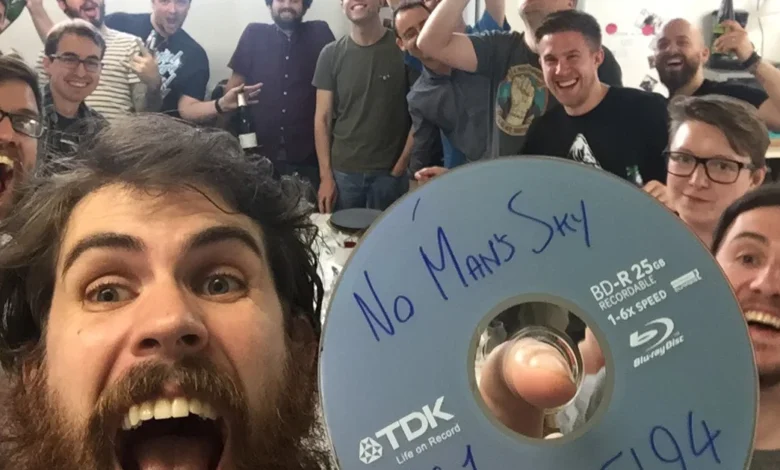
The trajectory of a video game from its initial release to its long-term state often mirrors the turbulent evolution of modern software development. High-profile titles such as Hello Games’ No Man’s Sky and DICE’s Battlefield 2042 serve as quintessential case studies in how industry-standard "fixing" campaigns—characterized by post-launch updates and community-driven overhauls—can fundamentally alter the nature of a product. While these updates frequently satisfy the majority of a disgruntled player base, they simultaneously raise philosophical questions about the preservation of a developer’s original artistic intent and the inherent value of early, unpolished iterations of complex digital experiences.
The 2016 Paradigm: No Man’s Sky and the Crisis of Expectation
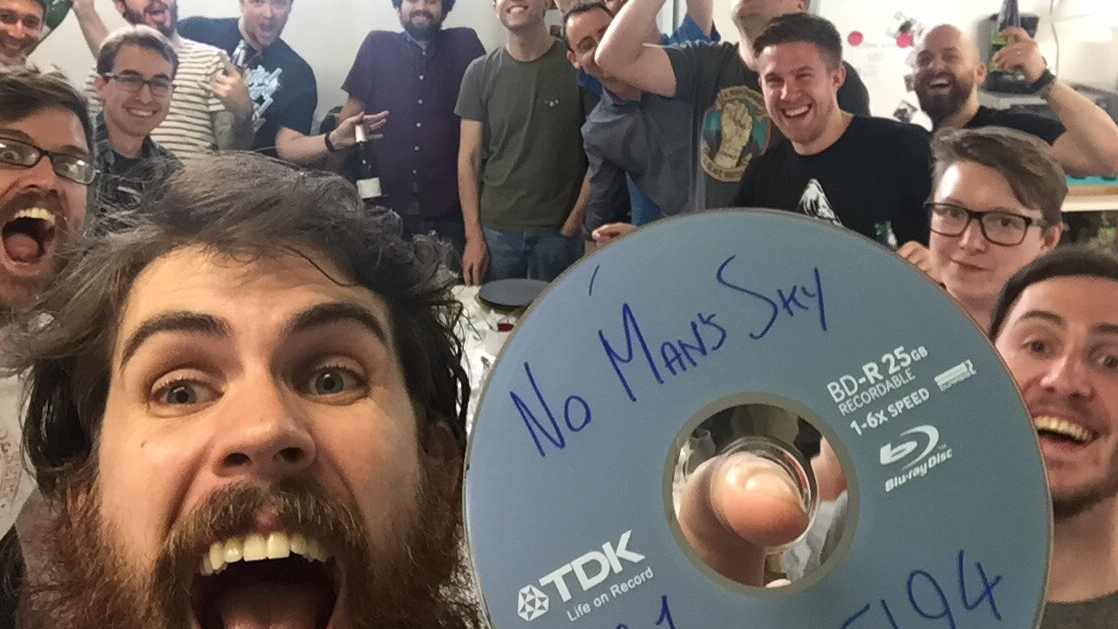
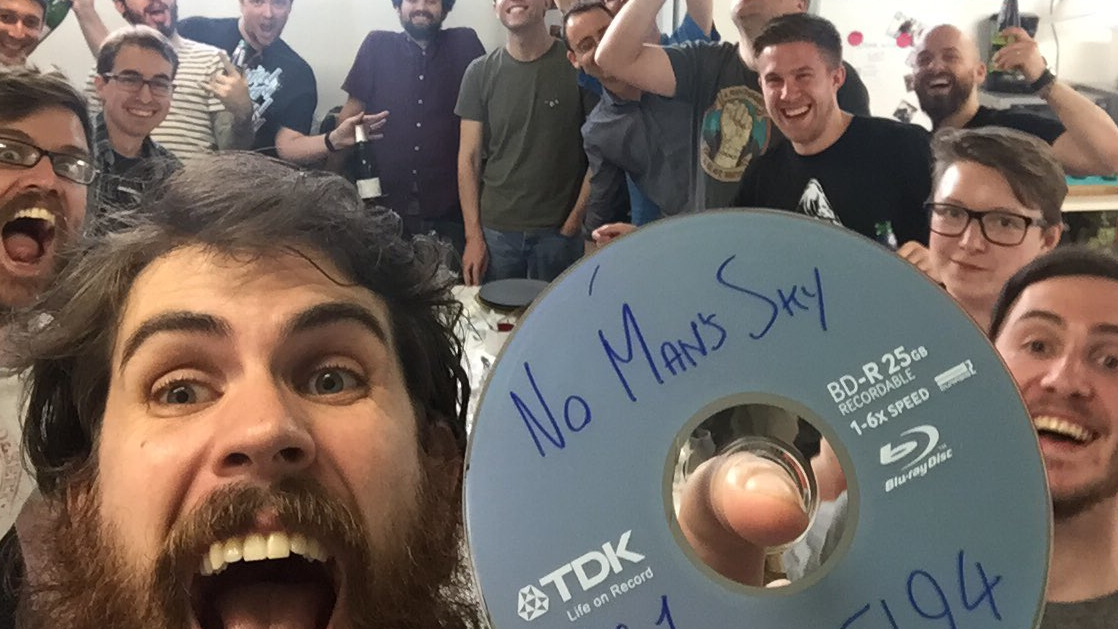
When No Man’s Sky launched on August 9, 2016, it arrived amidst a storm of unprecedented media hype. Developed by a small team at the Guildford-based Hello Games, the procedural space exploration title promised an infinite, shared universe where players could discover unique planets, flora, and fauna. The marketing campaign, led by studio founder Sean Murray, was marked by ambitious promises regarding multiplayer capabilities and environmental depth.
Upon release, the discrepancy between the promotional material and the actual gameplay triggered a significant consumer backlash. Critics and players pointed to a lack of promised features, such as real-time player encounters, and a gameplay loop that many found repetitive. The ensuing controversy became one of the most documented events in gaming history, leading to an investigation by the UK’s Advertising Standards Authority, which eventually cleared the studio of misleading advertising, noting that the procedural nature of the game made universal feature uniformity difficult to guarantee.
Despite the vitriol, a subset of the gaming community found merit in the game’s original, more isolated experience. The 2016 version of No Man’s Sky offered a stark, lonely, and melancholic atmosphere that prioritized the feeling of being a small explorer in a massive, uncaring cosmos. This specific "esoteric" quality, as described by Murray in recent reflections, created a unique experience that was distinct from the feature-rich, multiplayer-focused survival game the title would eventually become.
Battlefield 2042 and the Shift in Mechanical Philosophy
A similar pattern emerged in 2021 with the launch of Electronic Arts’ Battlefield 2042. The game was designed with a focus on massive, 128-player maps, an attempt to capture the chaotic scale of modern warfare. However, the launch was marred by technical performance issues, balance complaints, and a perceived departure from the core "Battlefield" experience.
The community critique focused on the desolation of the large-scale maps, which often left players traversing long distances without meaningful engagement. In response, EA initiated a comprehensive "listening" campaign. Over the subsequent years, the studio overhauled map designs, restricted player counts to 64 in certain modes, and reintroduced traditional class-based structures that had been absent at launch. While these changes were welcomed by the core fanbase, the original vision—the "eerie, lonely moments" of large-scale combat and the "wonky physics" inherent in the franchise’s legacy—were effectively erased from the standard build of the game.
The Timeline of Redemption and Community Reconciliation
The lifecycle of these games follows a predictable, yet historically significant, timeline:
- Phase 1: The Hype Cycle. Pre-launch marketing generates immense public interest, often outpacing the technical reality of the product.
- Phase 2: The Market Correction. Upon release, systemic issues (technical or feature-based) result in negative reviews and calls for refunds.
- Phase 3: The Remediation Period. Developers pivot to a "live service" model, using feedback to systematically rebuild the game. No Man’s Sky famously released major updates like Foundation, Path Finder, and Beyond to add base-building, VR, and multiplayer.
- Phase 4: Institutional Revaluation. The game reaches a state of stability where the public perception shifts from "failure" to "redemption." In 2024, No Man’s Sky fans even crowdfunded a billboard advertisement to thank Hello Games for their dedication, marking a total reversal in public sentiment.
The Philosophical Debate: Fixing versus Altering
A primary point of contention in modern game development is the use of the term "fixed." When a developer updates a game to appease the masses, the narrative is often that the game was "broken" at launch. However, as proponents of the original, unpatched versions argue, a game’s design choices—even if they result in frustration or isolation—can constitute an intentional artistic experience.
In the case of No Man’s Sky, the 2016 version was, by many accounts, a "weirder" game. The absence of traditional multiplayer forced a specific engagement with the procedural generation that was lost once base-building and communal hubs were introduced. When Sean Murray recently admitted that he retains a "soft spot" for the original, unupdated version, he highlighted a critical nuance: the game that was criticized in 2016 remains, in his view, a singular experience that has not been replicated in the subsequent decade of updates.
Broader Industry Implications
The trend of "fixing" games post-launch has shifted the industry’s approach to risk management. Developers are increasingly launching games in "Early Access" or "Beta" states, allowing for a public testing phase that mitigates the risk of a full-scale launch disaster. However, this shift places a heavy burden on the consumer to act as both a tester and a financial backer.
Furthermore, the industry’s reliance on iterative updates means that "finished" games are becoming increasingly rare. This creates a preservation challenge. As developers push servers and updates to current versions, the original builds—the ones that, for better or worse, represented the initial creative spark—are often relegated to obscurity, accessible only through legacy hardware or unofficial archives.
Future Outlook: The Anticipation of Light No Fire
The industry’s respect for the No Man’s Sky redemption arc is evident in the anticipation surrounding Hello Games’ upcoming project, Light No Fire. Despite the lessons learned from the 2016 launch, the level of expectation remains enormous. This suggests that while players appreciate the redemption stories, the industry’s appetite for massive, boundary-pushing ambition has not waned.
The tension between delivering a polished, consensus-driven product and maintaining a singular, risky creative vision remains the defining challenge for developers. As the gaming landscape continues to prioritize long-term engagement through iterative updates, the industry must weigh the benefits of these "fixes" against the loss of the original, unrefined, and often more distinct versions of these digital worlds. The history of No Man’s Sky and Battlefield 2042 serves as a reminder that a game’s value is rarely static, and the "worst" version of a game today may, in some respects, be the most authentic one released tomorrow.