Mass Effect Voice Actors Jennifer Hale and Mark Meer Address BioWare Legacy and Industry Instability Following Studio Challenges

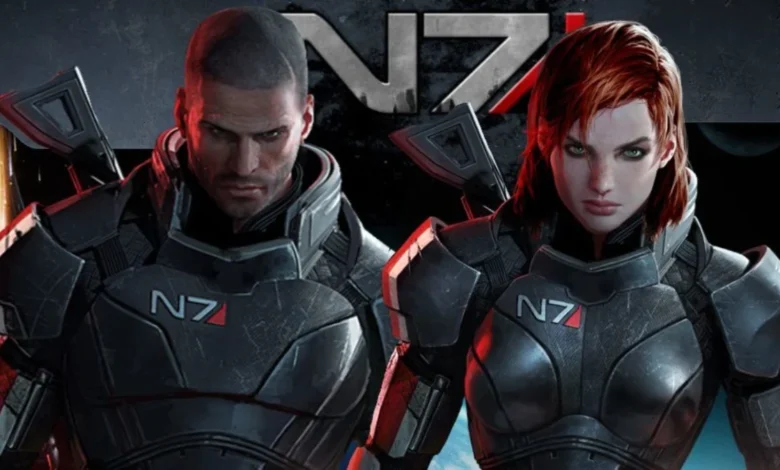
The recent period of uncertainty surrounding the future of BioWare, the legendary developer behind the Mass Effect and Dragon Age franchises, has prompted a rare and poignant response from the faces—and voices—of its most iconic series. Jennifer Hale and Mark Meer, the dual voices of Commander Shepard, addressed the state of the industry and the emotional toll of the studio’s recent restructuring during an Instagram Live session on October 21. Their commentary provides a humanizing lens to a broader crisis currently gripping the video game industry: the rapid consolidation of major studios under profit-driven ownership and the subsequent erosion of long-standing creative institutions.
A Legacy Defined by Edmonton’s Creative Hub
BioWare has long been synonymous with the city of Edmonton, Alberta. Founded in 1995 by Ray Muzyka and Greg Zeschuk, the company grew from a small startup into a pillar of the global RPG genre. For decades, it served as a primary anchor for the Canadian video game industry, fostering a unique culture that blended narrative depth with complex decision-making mechanics.
Mark Meer, whose portrayal of the male Commander Shepard became a cornerstone of gaming culture, emphasized the local significance of the studio. During the discussion, Meer noted that the potential loss of BioWare’s identity is not merely a corporate concern but a cultural one for the region. The studio provided a vital outlet for the local theater and acting community, serving as a beacon for creative talent in the Canadian prairies. The impact of recent layoffs and restructuring is, therefore, felt acutely by those who have viewed BioWare as a stable and innovative home for the better part of three decades.
Industry Consolidation and the Profit Motive
The conversation between Hale and Meer underscored a growing frustration among industry veterans regarding the current trajectory of game development. As major gaming publishers are increasingly acquired by private equity firms or absorbed into massive conglomerates, the focus has shifted toward short-term profit margins rather than the long-term health of creative properties.
Hale pointedly remarked on the disconnect between corporate ownership and the artistic essence of the intellectual properties (IPs) they control. She suggested that current owners, who may lack an intrinsic understanding of what makes a series like Mass Effect resonate with its audience, prioritize fiscal performance over the stewardship of these cultural touchstones. This sentiment aligns with a broader trend of "corporate bloat," where companies expand rapidly through acquisition only to face internal instability when the underlying creative engines—the developers themselves—are marginalized or laid off.
Chronology of BioWare’s Corporate Evolution
To understand the current climate, one must look at the timeline of BioWare’s institutional changes:
- 1995: BioWare is established in Edmonton, Canada.
- 2007: Electronic Arts (EA) acquires BioWare and Pandemic Studios for approximately $860 million.
- 2012: Founders Ray Muzyka and Greg Zeschuk retire from the video game industry, signaling a transition in studio leadership.
- 2017-2021: The release of Mass Effect: Andromeda and Anthem presents significant critical and commercial challenges, leading to internal studio shifts.
- 2023-2024: Broad industry-wide layoffs hit the gaming sector, with BioWare undergoing multiple rounds of restructuring to align with EA’s evolving corporate strategy.
The recent discourse reflects the culmination of these years of pressure. The "implosion" that Hale describes refers to the cycle of hiring and firing that characterizes the current gaming labor market, where creative teams are often discarded in favor of leaner, more "efficient" corporate models that rarely account for the loss of institutional knowledge.

The Power of the Fan Community
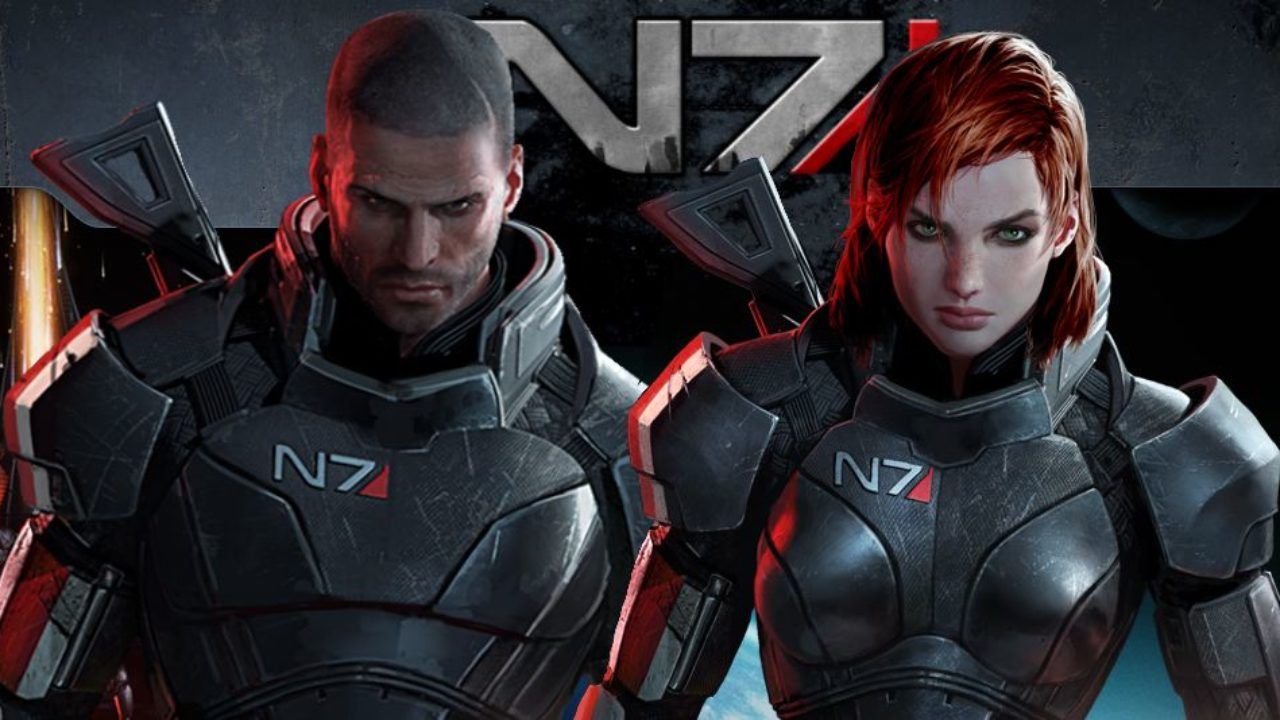
Despite the corporate uncertainty, both actors expressed a firm belief in the endurance of the Mass Effect franchise, citing the strength and loyalty of its fan base. Meer highlighted that, while corporate support may fluctuate, the community’s role in keeping the series alive—through fan art, cosplay, and the annual celebration of "N7 Day"—is the primary force preserving the franchise’s cultural relevance.
With the 20th anniversary of the original Mass Effect fast approaching in 2027, the actors emphasized their commitment to celebrating the milestone, regardless of the status of the studio that birthed it. This highlights a growing paradigm shift: the value of a gaming franchise is increasingly being held by the audience rather than the legal entity that owns the copyright.
Economic and Industry Implications
The broader implications of this situation are significant. The shift toward private equity-led models in gaming is often criticized for stripping studios of the time and resources required to develop high-quality, narrative-driven experiences. When a studio like BioWare is treated as a line item on an balance sheet, the "soul" of the development process is often the first casualty.
Analysis of similar industry events suggests that when companies reach a certain scale, the distance between management and the development floor becomes insurmountable. Critics of the current model point to the "Ultima" example—a foundational series that saw its influence dwindle after years of neglect under corporate stewardship—as a cautionary tale. Without active, visionary leadership, even the most robust IPs risk fading into obscurity.

Future Outlook: A Potential Path Forward?
While Hale speculated on the possibility of a "community-driven" takeover or a shift in ownership, the practical realities of game development remain daunting. Modern AAA titles require hundreds of millions of dollars in investment, making a simple grassroots takeover unlikely. However, the mention of "benevolent" ownership, similar to recent high-profile acquisitions of legacy media outlets like The Onion, suggests that there is a hope for a future where IP owners act as patrons rather than mere extractors of value.
There have even been calls, such as those from various Canadian political figures, for government intervention to help stabilize key tech and creative hubs. While the prospect of state-backed support for a private studio remains a "pipe dream" to many, it reflects the severity with which observers view the potential erosion of Canada’s creative sector.
Ultimately, the dialogue between Hale and Meer serves as a microcosm of the modern gaming industry’s struggle. It is a clash between the legacy of a generation that built the industry through passion and innovation and a contemporary market that demands rapid returns on investment at the cost of the very talent that made these games possible. As the industry moves forward, the question remains whether the "original version" of these studios can ever be reconstituted, or if the future lies in the hands of the fans and the resilient developers who continue to look for ways to create, regardless of the corporate structures surrounding them.
As the industry navigates this period of high-profile consolidation, the voices of those who defined the medium serve as a necessary reminder that games are, at their core, products of human collaboration. When that collaboration is disrupted, the loss is not just commercial, but cultural. The story of BioWare remains a work in progress, one that is being written not just in boardrooms, but by the community that continues to celebrate the worlds it brought to life.