Terminal #1 Blind Bag Spoilers from Skybound and Image Comics as Robert Kirkman does the blind bag promotion better than anyone else

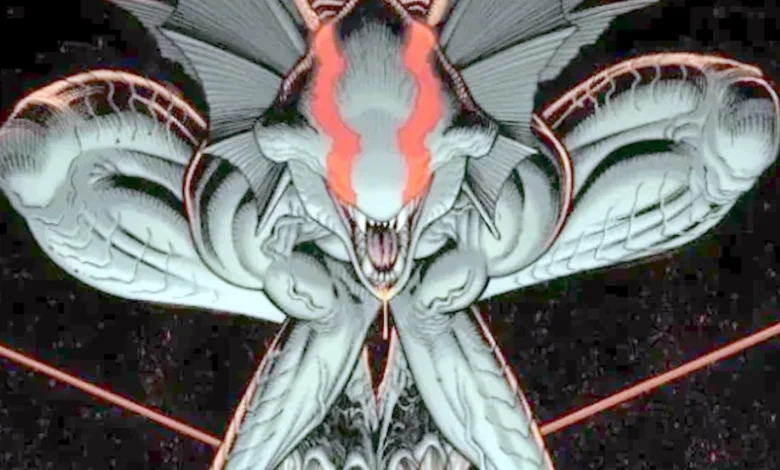
Anticipation for Terminal #1, the ambitious new superhero series from Skybound Entertainment and Image Comics, has been heightened by the premature revelation of its unique blind bag contents. While the official release for the series, spearheaded by an all-star creative team, is imminent, select retailers have already begun opening the mystery packages, leading to spoilers that unveil not just variant covers, but future issues of the series itself. This development underscores Skybound’s innovative, albeit often disruptive, approach to comic book promotions, a strategy pioneered by Robert Kirkman that consistently pushes the boundaries of collector engagement and market hype.
A New Chapter in Blind Bag Innovation: The Terminal #1 Unveiling
Terminal #1 is poised for release, presenting a fresh take on the superhero genre from the combined creative forces of Robert Kirkman and Joe Casey. The series has garnered significant buzz not only for its narrative premise but also for its truly exceptional art team comprising industry titans Andy Kubert, David Finch, and Arthur Adams, with colors by Dave McCaig. Billed as a direct challenge to the traditional superhero narrative, with clear thematic parallels to Marvel’s iconic X-Men, Terminal explores a secret global conflict involving superhumans who defy conventional notions of good and evil. The central plot follows Marilyn Howe as she delves into this clandestine war in search of her missing sister, Alessandra, a journey that promises to unlock her own genetic potential and reshape her understanding of self and power. The official solicitation for Terminal #1 CVR L Blind Bag Var (MR) promises an intense, unpredictable experience, comparing it to fan-favorites like Invincible and X-Men.
However, the true innovation, and the source of the current market stir, lies within the blind bag variant itself. Unlike standard promotions that merely offer different covers, Skybound’s blind bags for Terminal #1 are designed to contain a mix of solicited covers (A-H) at varying degrees of rarity, alongside four exceptionally rare "SURPRISE comics or variants" that are intentionally kept secret from the public until the release date. This strategy builds on Skybound’s established history of pushing the envelope in comic book distribution and marketing, creating a treasure hunt dynamic that captivates collectors and fuels secondary market speculation.
Precedent Set: Skybound’s History of Disruptive Blind Bag Marketing
Robert Kirkman, co-founder of Skybound Entertainment and the creative mind behind global phenomena like The Walking Dead and Invincible, has consistently demonstrated a keen understanding of market dynamics and collector psychology. His previous blind bag promotions have set a high bar, distinguishing Skybound from competitors who often limit their mystery offerings to mere variant covers.
The initial foray into this unconventional marketing strategy came with Invincible: Battle Beast #1. This promotion was revolutionary, not just for offering a variety of variant covers, but for including genuinely unexpected items within the blind bags. Enthusiasts discovered not only a second issue of the Battle Beast series but also a Marvel Team-Up comic, an entirely different title, making the blind bag a true "mystery box" rather than a simple cover lottery. This move immediately captivated the comic book community, turning each purchase into an event.
Skybound further refined this approach with the launch of M.A.S.K. #1. This blind bag promotion similarly contained future issues of the series, specifically M.A.S.K. #2, and a companion M.A.S.K. Origins comic. In an even bolder move, some M.A.S.K. blind bags also included the debut issue of a new Rom comic, effectively cross-promoting a separate, highly anticipated launch within an unrelated series’ promotion. This tactic demonstrated Kirkman’s willingness to leverage the blind bag concept to generate buzz for multiple titles simultaneously, creating an unparalleled sense of discovery for consumers.
These prior successes established Skybound as a leader in innovative comic book promotion, fostering a collector base eager for the next surprise. The strategy is predicated on generating immense hype, driving initial sales, and creating a vibrant secondary market where the rarer blind bag contents become highly sought-after commodities. By including actual future issues or entirely different titles, Skybound offers a tangible, often narrative-critical, reward that goes far beyond aesthetic variations.
The Spoilers Emerge: A Premature Revelation
Despite the best intentions for a controlled reveal, the anticipation surrounding Terminal #1 proved too potent for some. In the days leading up to the official on-sale date, reports began to circulate of retailers prematurely opening the blind bags. The most notable instance involved Jacen Solo’s Collectibles, which reportedly listed some of these early finds on eBay, effectively breaking the intended secrecy surrounding the "surprise comics."
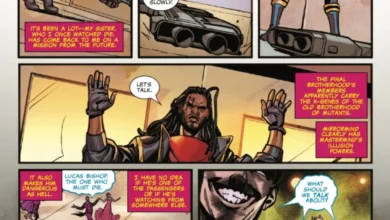
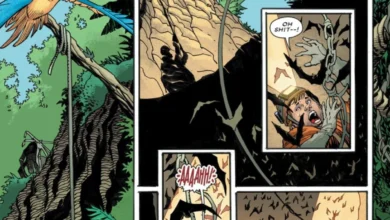
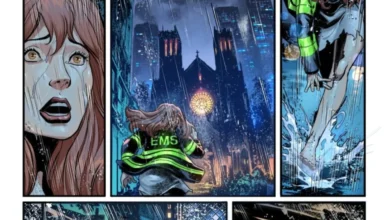
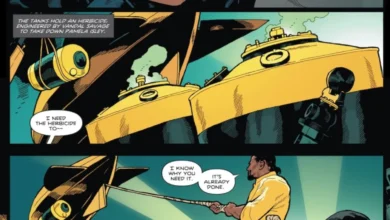
The leaks confirmed that Skybound was once again pushing boundaries, as the Terminal #1 blind bags contained not just the immediate follow-up, Terminal #2, but also significantly later issues: Terminal #7 and Terminal #10. This is a crucial distinction from previous promotions, where typically only the subsequent issue was included. The inclusion of issues #7 and #10, which are slated to launch new storylines under the artistic direction of David Finch and Arthur Adams, respectively, provides an unprecedented glimpse into the series’ future narrative arcs. While efforts were made to censor interiors to mitigate the most extreme spoilers, the mere existence of these future issues in the wild represents a substantial early disclosure of the series’ longevity and creative progression.
The revelation of issues #2, #7, and #10 leaves one of the four promised "surprise comics or variants" still unaccounted for, maintaining a residual layer of mystery even amidst the leaks. This deliberate layering of surprises ensures that the "hunt" aspect remains partially intact, even for those aware of the initial spoilers. However, the early release of such pivotal future issues inevitably alters the intended reader experience and creates challenges for publishers aiming to control the narrative flow.
The Creative Powerhouse Behind Terminal
The decision to launch Terminal with such an elaborate blind bag promotion is undoubtedly a testament to the high expectations placed on the series, driven largely by its extraordinary creative team. Robert Kirkman and Joe Casey, both celebrated for their distinct contributions to the comic book landscape, unite their writing talents for this ambitious project.
Robert Kirkman’s reputation as a master storyteller is undeniable. His work on The Walking Dead revolutionized horror comics and spawned a multimedia empire, while Invincible delivered a nuanced, often brutal, deconstruction of the superhero genre. Kirkman is known for his long-form plotting, character-driven narratives, and willingness to subvert tropes, making him an ideal architect for a complex, X-Men-inspired world. His strategic mind extends beyond storytelling into the business of comics, as evidenced by Skybound’s innovative marketing.
Joe Casey brings a more experimental and often philosophical edge to superhero narratives. Known for titles like Gødland and Automatic Kafka, Casey frequently challenges established conventions, exploring themes of power, identity, and societal structures with intellectual depth. His collaboration with Kirkman promises a compelling blend of accessible, high-stakes action and thought-provoking thematic exploration.

The artistic roster assembled for Terminal is equally formidable. Andy Kubert, a veteran artist with a career spanning decades at Marvel and DC, is synonymous with dynamic superhero action, having lent his distinctive style to iconic runs on titles like X-Men and Batman. His ability to render both epic scale and intimate character moments makes him a foundational pillar of the series’ visual identity.
David Finch is celebrated for his hyper-detailed, powerful artwork, often characterized by strong lines and a sense of raw energy. His work on titles such as Batman and Avengers has cemented his status as a go-to artist for intense, action-packed sequences. His involvement, particularly in helming issue #7, suggests pivotal moments of conflict and character development.
Arthur Adams is revered for his incredibly intricate and vibrant style, instantly recognizable for its meticulous detail and dynamic compositions. A fan-favorite, Adams’s art brings a unique blend of monster design and classic superhero aesthetic, making his turn on issue #10 a highly anticipated event. His presence alone elevates the collector appeal and artistic prestige of Terminal.
Dave McCaig, a highly skilled colorist, is tasked with uniting these diverse artistic visions into a cohesive visual language. His expertise in creating mood, depth, and clarity will be crucial in defining the aesthetic tone of Terminal and enhancing the storytelling. The collective talent of this team signals a deliberate effort to create a superhero series that stands out visually and narratively, justifying the extensive marketing efforts.
Lunar Distribution’s Swift Response: Reinforcing Street Date Integrity
In direct response to the early unbagging and subsequent online sharing of Terminal #1 blind bag contents, Lunar Distribution, a primary distributor for Image Comics and Skybound Entertainment, issued a stern "Important Street Date Policy Reminder" to all comic book stores. This mailer, sent "apropos of nothing" but clearly prompted by the Terminal #1 situation, served as a potent reaffirmation of industry standards and a warning against non-compliance.
The general policy reminder reiterated fundamental rules: retailers are prohibited from providing physical access to any new product before its designated on-sale date and opening time. This includes displaying unapproved images of physical products, including inner content, or descriptions posted on social media or shared in-store. Only content officially available on Lunar’s public site or provided by the publisher is deemed "approved." Furthermore, retailers are explicitly forbidden from shipping new products to customers before the on-sale date.
Crucially, Lunar Distribution added a new, specific "Blind Bags Policy." This policy directly addresses the unique challenges posed by mystery products, stating unequivocally that all blind bag products are strictly subject to their designated on-sale date. Accounts are prohibited from:
- Opening and Displaying Opened Blind Bags for sale, promotion, or preview before the on-sale date.
- Shipping Blind Bags to customers or third parties to be delivered prior to the On Sale Date.
The consequences for violating these policies are severe: any breach will be considered a violation of account terms, resulting in the permanent loss of Early Delivery privileges. This means the offending account will receive product no earlier than the official on-sale date, effectively putting them at a competitive disadvantage. Additionally, such accounts may no longer qualify for future Lunar events. Lunar explicitly stated that this policy is in place to "maintain product integrity, ensure fairness across all accounts, and protect the consumer experience intended by the publisher and creators." This forceful communication underscores the industry’s commitment to protecting the integrity of its release schedules and the carefully crafted marketing strategies of its publishers.
Implications for the Comic Book Industry and Retailers
The Terminal #1 blind bag incident and Lunar’s subsequent policy reinforcement carry significant implications across the comic book ecosystem.
For Publishers (Skybound/Image): While Kirkman’s blind bag strategy is undeniably effective at generating buzz and driving initial sales, it also presents a double-edged sword. The high stakes of including future issues amplify the consequences of street date breaches. Spoilers, even if censored, can dilute the intended impact of future story reveals and potentially frustrate creators who meticulously plan their narrative rollouts. This incident might prompt Skybound and other publishers to re-evaluate the risk-reward ratio of such ambitious blind bag contents or work more closely with distributors to implement even tighter security measures. The incident highlights the ongoing challenge of balancing innovative marketing with maintaining creative control and market integrity.
For Retailers: The Lunar Distribution policy serves as a stark reminder of the contractual obligations and potential repercussions associated with street date violations. In a competitive market, the temptation to gain an early advantage through premature unboxing or online showcasing can be strong. However, the loss of early delivery privileges—a critical operational advantage—can severely impact a store’s ability to compete and serve its customer base effectively. The explicit "Blind Bags Policy" signals a zero-tolerance stance, emphasizing that "mystery" items are subject to the same, if not stricter, rules as standard releases. This incident reinforces the need for retailers to prioritize adherence to distribution policies, recognizing that the integrity of the entire supply chain relies on their compliance.
For Collectors and Readers: The impact on the consumer experience is multifaceted. For some, the early spoilers may diminish the excitement of discovering the blind bag contents firsthand. For others, the leaks might fuel secondary market speculation, driving up prices for particular variants or future issues found within the bags. The "hunt" for the remaining unannounced surprise comic continues, keeping a segment of the collector community engaged. However, the broader effect is a disruption to the controlled narrative experience intended by the creators and publishers. The value of unopened blind bags, particularly those from highly sought-after promotions, is also influenced by such incidents, as the allure of the unknown is partially revealed.
The Future of Blind Bag Promotions: This event will undoubtedly prompt a re-evaluation of how blind bag promotions are managed. While the effectiveness of generating immense hype is clear, the control mechanisms for preventing leaks may need to be enhanced. Publishers might explore alternative methods of securing their products or implement different types of "surprise" content that are less susceptible to premature narrative spoilers. The incident underscores that while innovation is crucial for market vitality, it must be balanced with robust protective measures to maintain trust and ensure a fair, exciting experience for all stakeholders.
Conclusion: A High-Stakes Game of Anticipation and Control
The Terminal #1 blind bag saga epitomizes the high-stakes game played between comic book publishers, distributors, retailers, and collectors in the modern era. Robert Kirkman and Skybound Entertainment continue to lead the charge in innovative promotional strategies, transforming the act of purchasing a comic into a thrilling quest for rare content. However, this ambition comes with inherent risks, as demonstrated by the premature leaking of future issues. Lunar Distribution’s swift and decisive policy reinforcement highlights the industry’s commitment to maintaining order and fairness, ensuring that the carefully constructed anticipation for major releases remains intact. As Terminal #1 prepares for its official launch, the conversation around its blind bag contents has already begun, shaping not only its immediate market performance but also potentially influencing the future of mystery box promotions in the comic book industry. The ultimate impact will be measured not just in sales figures, but in the evolving dynamics of collector culture and the delicate balance between generating excitement and protecting the integrity of creative works.