False Start: Ella Price’s Disturbing Short Film Explores the Allure of the First Kill at Atlanta Film Festival

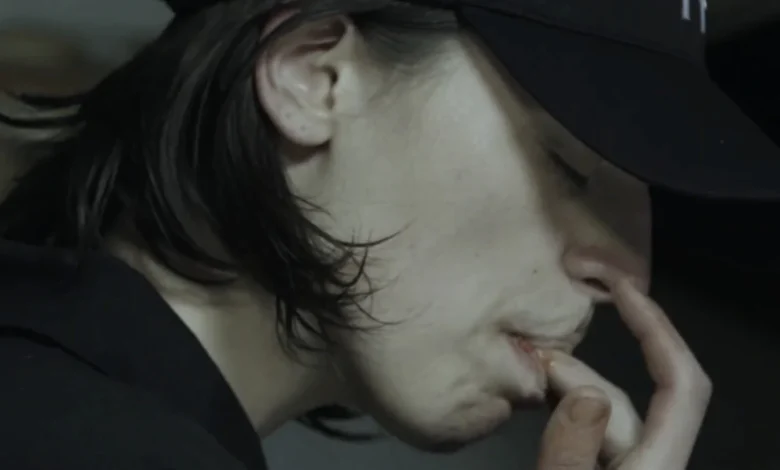
The Atlanta Film Festival (ATLFF) has once again showcased a diverse range of cinematic talent, from lighthearted creature features to more profound explorations of genre. Among the standout selections, Ella Price’s short film False Start has emerged as a particularly potent and unsettling work, leaving audiences both captivated and disturbed. Premiering as part of the festival’s "Dark Fantasies" midnight movie block, the film delves into the psyche of an aspiring serial killer, raising provocative questions about the line between morbid fascination and actual violence.
Premise and Immediate Impact
False Start centers on Shelley (Julia Daigh), a seemingly disaffected pizzeria worker whose obsession with true crime documentaries fuels a chilling desire. The narrative begins with Shelley encountering Betty (Magdalen Silver), a solitary traveler walking home. Shelley offers Betty a ride, embarking on a journey down a secluded, rural road that leads to Shelley’s residence. This seemingly innocuous act sets the stage for a narrative that probes the psychological underpinnings of violence and the allure of the forbidden.
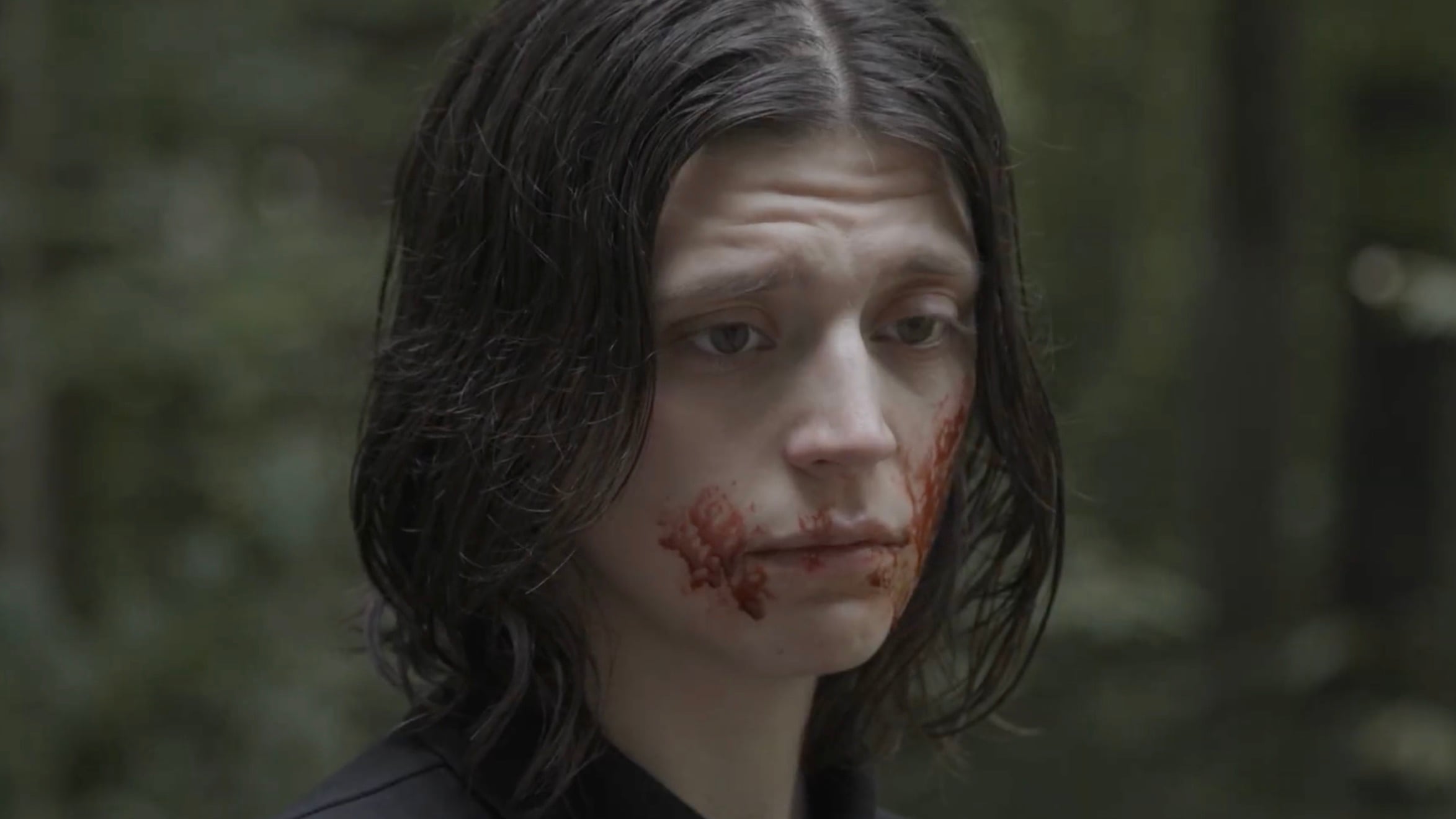
The film’s raw depiction of Shelley’s internal state, including scenes of her deriving pleasure from accounts of gruesome murders, immediately resonated with the festival audience, albeit in a polarized fashion. While some viewers, like the author of the original review, found the film’s exploration of psychosexual themes and the visceral nature of its subject matter compelling, others reacted with palpable discomfort. Reports from the screening indicate that False Start elicited audible gasps and whispers of disbelief, with some audience members even walking out. This strong visceral reaction underscores the film’s success in confronting its audience with uncomfortable truths about human psychology and the darker corners of fascination.
The Allure of True Crime and the "False Start"
The film’s title, False Start, alludes to the central question of whether this is Shelley’s inaugural act of violence. While the ATLFF’s description of Shelley as an "aspiring serial killer" provides context, the film masterfully plays on the ambiguity of her intent. This ambiguity is amplified by Shelley’s solitary ritual of engaging with true crime content, a practice that many viewers can relate to on some level. The film provocatively questions the boundary between passive consumption of macabre narratives and the potential for them to shape real-world actions.
The original review touches upon a common phenomenon: using true crime narratives, such as those narrated by Keith Morrison on Dateline, as a form of auditory comfort or even a sleep aid. This personal anecdote highlights the widespread, yet often superficial, engagement with true crime. False Start pushes beyond this superficiality, suggesting that for some, this fascination may extend to a more dangerous territory. The film’s exploration of Shelley’s psychosexual awakening, intertwined with her morbid interests, presents a complex portrayal of desire and violence. The "slick sensuality inherent to guts," the "carnal messiness of pizza sauce or blood," and the "anticipation of a first kiss that might turn into something darker" are all elements that contribute to the film’s disturbing yet compelling atmosphere.

Julia Daigh’s performance as Shelley is crucial to the film’s success. She navigates the character’s unsettling duality, balancing the perceived awkwardness of a loner steeped in true crime lore with a palpable, almost unnerving, passion. This nuanced portrayal allows the audience to glimpse the internal conflict and burgeoning darkness within Shelley, making her character both repulsive and, in a twisted way, magnetic.
Filmmaker’s Intent and Creative Process
Director Ella Price has articulated that the genesis of False Start stemmed from an earlier script exploring themes of religion and sexual repression. This foundation evolved to incorporate a character with a profound fascination for violence. The decision to set the narrative in 2001 is a deliberate choice, reflecting a societal shift in media consumption and anxieties. Price notes that this era saw a transition in the 24-hour news cycle, moving from crime-focused fear-mongering to anxieties surrounding terrorism. This backdrop adds another layer of sociopolitical commentary to the film’s exploration of darker human impulses.
The concept for False Start also emerged from discussions with filmmaker friends about creating a horror shorts anthology that felt akin to a curated playlist. The iconic Rolling Stones song "(I Can’t Get No) Satisfaction" is cited as an influence, particularly in scenes depicting Shelley’s solitary moments of arousal and subsequent interruption. This connection suggests a thematic exploration of unfulfilled desires and the search for gratification, even in the most disturbing contexts.

Inspiration from Real-Life Villains and Cultural Depictions
Price’s engagement with the tropes of serial killers extends to drawing inspiration from notorious real-life figures. The film’s subtextual narrative involves a complex interplay between Shelley and Betty, with Price drawing parallels to figures like Ted Bundy and Jeffrey Dahmer. Shelley is presented as potentially aspiring to the kind of notoriety associated with Bundy, while Betty exhibits a certain "Bundy energy"—a charming, enigmatic drifter capable of subtly influencing strangers. This dynamic suggests a deeper, almost competitive, undercurrent within their encounter.
The influence of serial killer archetypes is further acknowledged through references to Ed Gein, whose morbid fascination with human remains has permeated horror cinema. Price’s assertion that "the more I work on the feature, the more of that archetype I see" indicates a broader ambition for exploring these themes beyond the short film format.
The film also engages with the cultural landscape of serial killer narratives. The article highlights a recent surge in cinematic and television portrayals of figures like Ed Gein, Jeffrey Dahmer, and Ted Bundy, with actors such as Charlie Hunnam, Evan Peters, Ross Lynch, and Zac Efron taking on these roles. This proliferation of serial killer stories in popular culture, Price suggests, shapes the character’s internal dialogue. She states, "Fictional or fictionalized killers have been very formative, too, because the character is in conversation with cultural depictions more than the real deal." This meta-commentary adds a layer of critical analysis to the film’s subject matter, acknowledging how media representations can influence our understanding and even our fantasies of violence.

Broader Implications and Festival Circuit
The screening of False Start at the ATLFF’s "Dark Fantasies" block, alongside other films addressing difficult themes such as child exploitation (What Are Grandchildren Made Of?), homophobia (Under the Purple Water), and sexual assault (Shaken), places it within a broader context of challenging and provocative cinema. However, False Start‘s ability to elicit such a visceral and divisive reaction suggests a unique capacity to tap into deeply ingrained societal anxieties and personal fascinations.
Price and her co-producer Cait Rowe are currently submitting False Start to additional film festivals, indicating their intention to further disseminate the film and gauge audience reception on a wider scale. The film’s success in generating discussion and controversy at the ATLFF suggests it has the potential to become a significant talking point within the independent horror community.
The article draws parallels between Price’s emergence with False Start and the careers of other prominent horror filmmakers who honed their craft through short films before achieving mainstream recognition. Directors like Chloe Okuno (Watcher), Johannes Roberts (Primate), and Ti West (known for his contributions to the V/H/S anthology series) all leveraged short films as a springboard for their feature-length careers. This historical context suggests that False Start could be an early indicator of Ella Price’s significant future contributions to the horror genre. The film’s ability to disturb, provoke, and engage audiences on such a primal level marks it as a noteworthy achievement and a strong signal of emerging directorial talent. The anticipation for her future work, particularly any feature-length expansions on these themes, is undoubtedly warranted by the impact of this unsettling short.