Assassin’s Creed Black Flag Resynced: A Deep Dive into Ubisoft Singapore’s Ambitious Remake

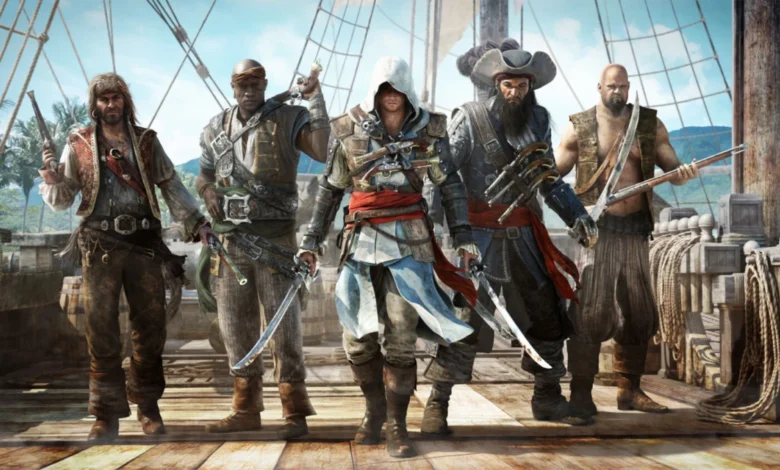
The highly anticipated remake of Ubisoft’s beloved pirate adventure, Assassin’s Creed IV: Black Flag, titled Assassin’s Creed Black Flag Resynced, is set to bring the Golden Age of Piracy back to modern consoles and PCs on July 9, 2026. Developed by Ubisoft Singapore, the studio instrumental in crafting the original game’s groundbreaking naval mechanics, this remake aims to recapture the magic of Edward Kenway’s saga while integrating contemporary gameplay advancements and narrative depth. This in-depth exploration delves into the motivations behind the remake, the challenges faced by the development team, and the specific enhancements players can expect.
The Enduring Legacy of Black Flag
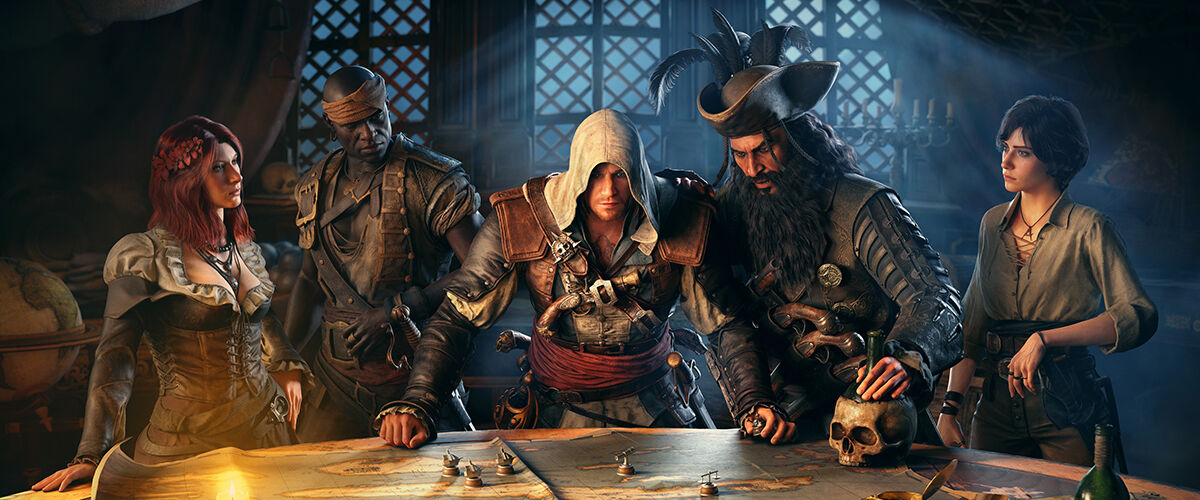
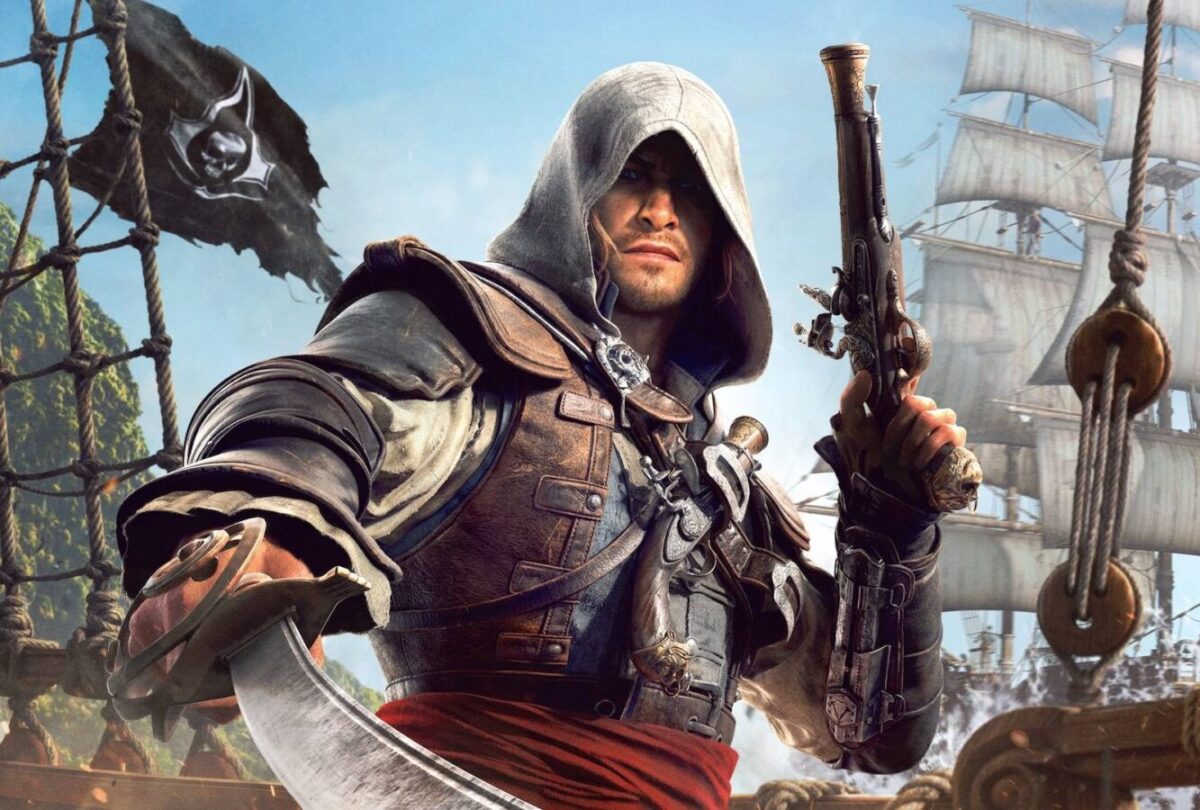
Released in 2013, Assassin’s Creed IV: Black Flag was a pivotal title in the long-running Assassin’s Creed franchise. It transcended its predecessors by seamlessly blending the established stealth-action gameplay with a compelling open-world pirate fantasy. Players stepped into the boots of Edward Kenway, a Welsh privateer turned pirate, navigating the treacherous Caribbean during the height of piracy. The game garnered critical acclaim for its expansive world, engaging narrative, and, most notably, its revolutionary naval combat and exploration systems. It achieved remarkable commercial success, selling over 11 million copies by 2014, solidifying its place not only as a fan favorite but also as one of the most celebrated entries in the series’ history.
While subsequent Assassin’s Creed titles, such as Assassin’s Creed Odyssey (2018) with its Conquest Battles and the upcoming Assassin’s Creed Shadows (2025) featuring dual protagonists, have continued to evolve the franchise’s RPG elements, many long-time fans still hold a special reverence for the era of tightly crafted narratives and iconic protagonists like Altaïr Ibn-La’Ahad, Ezio Auditore da Firenze, and Edward Kenway. Kenway’s journey from a humble pirate to a figure caught between the Assassin Brotherhood and the Templar Order resonated deeply, offering a nuanced exploration of legacy and choice.
Why Black Flag? The Practicality of a Beloved Classic
The decision to remake Black Flag over other fan-favorite titles, such as the critically acclaimed Assassin’s Creed II (2009), was driven by a confluence of factors, primarily centered on development practicality and established expertise. Richard Knight, Game Director for Assassin’s Creed Black Flag Resynced, highlighted these reasons during an interview with Geek Culture at the game’s preview event in Singapore.
"It’s got a great, iconic character in Edward that people love for various reasons, it’s got two different types of gameplay, and then specifically for Ubisoft Singapore, we have all these people that worked on the original game and have the experience with water tech and naval gameplay," Knight explained. "So when you put all this together, it wasn’t a question of, why not do one of these other ones? It was ‘this.’ The answer seems obvious. Let’s do this one."
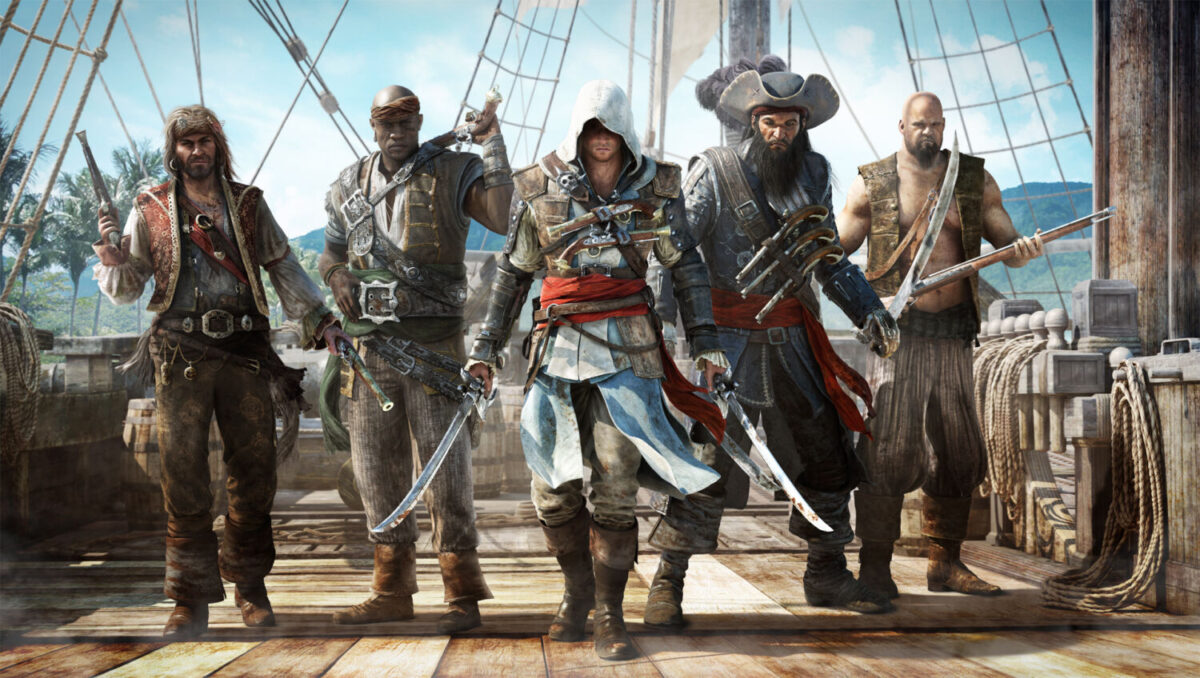
This practical approach underscores a strategic decision to leverage existing strengths and institutional knowledge within Ubisoft Singapore, a studio that was instrumental in defining the franchise’s naval mechanics.
Redefining the Seas: Enhancements to Naval Gameplay
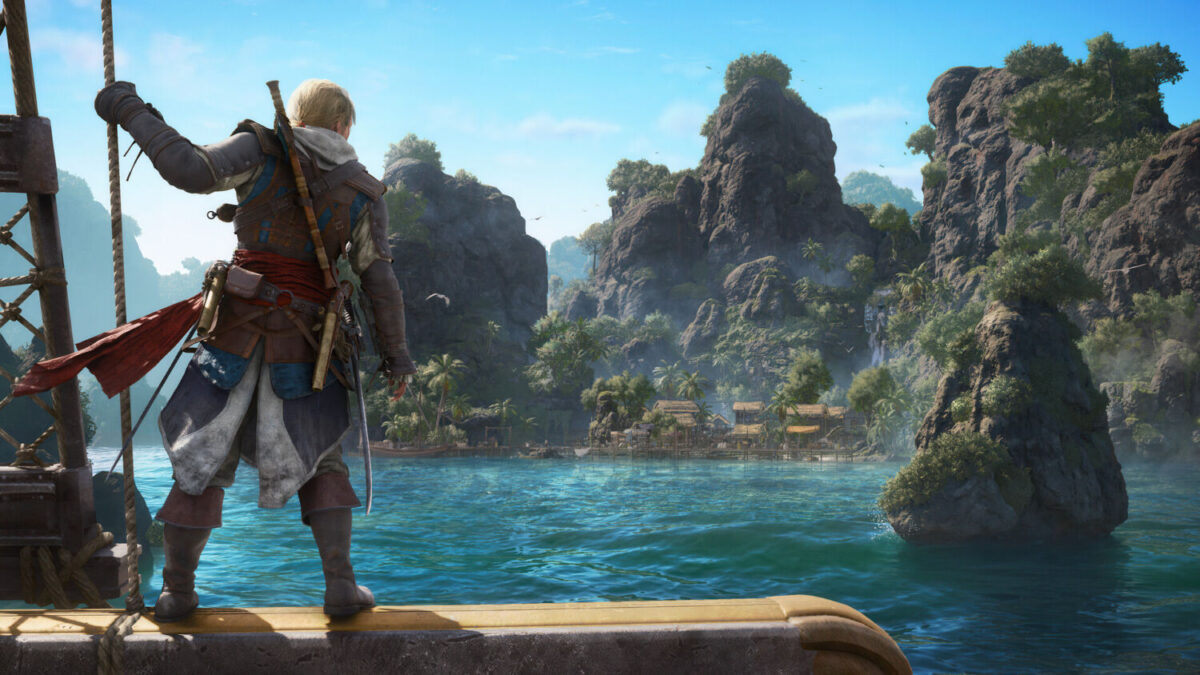
Black Flag’s success was intrinsically linked to its innovative approach to naval gameplay. It offered players the exhilarating fantasy of commanding a pirate ship, the Jackdaw, engaging in ship-to-ship combat, and exploring a vast Caribbean archipelago. This experience was a significant expansion from the rudimentary naval elements introduced in Assassin’s Creed III. Ubisoft Singapore, a relatively small team at the time, took on the monumental task of developing the entire naval component, a challenge they met with remarkable success.
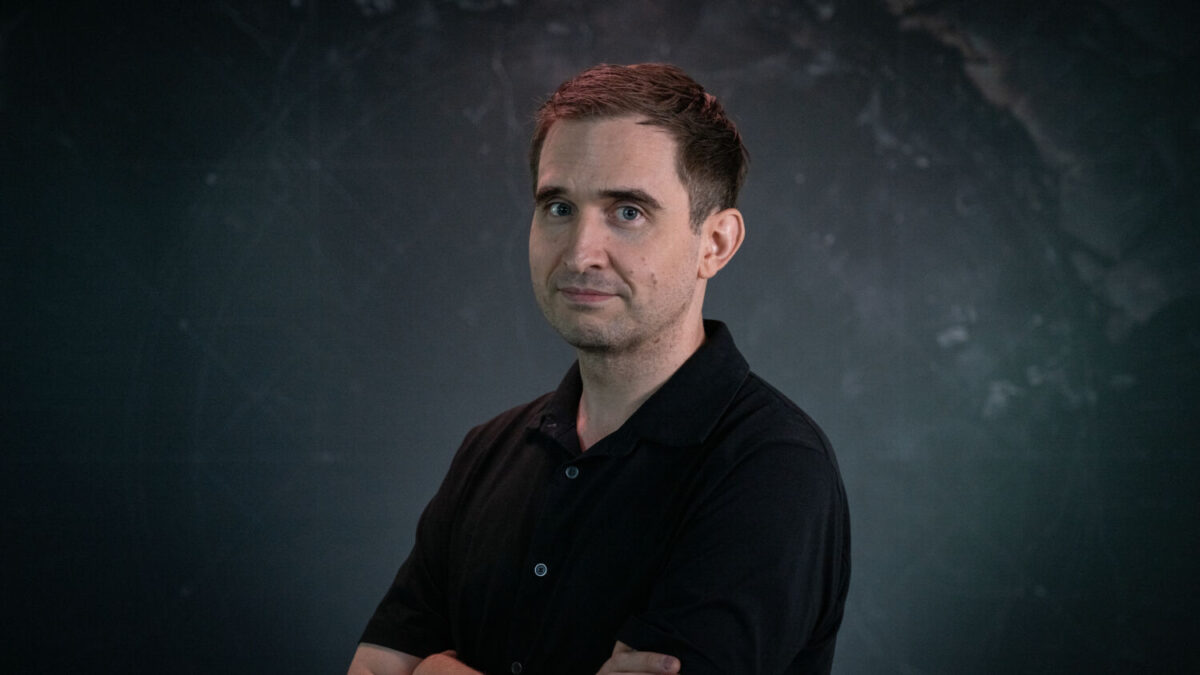
For Assassin’s Creed Black Flag Resynced, the team aims to build upon this foundation. While the core naval experience will remain familiar, players can anticipate significant enhancements. Knight elaborated on the delicate balance between preserving the original’s spirit and modernizing its mechanics: "Whereas something like the naval gameplay, we’ve added a bit onto it, but it should fundamentally still feel like the same Jackdaw as it did back then." This suggests refinements in controls, ship customization, and possibly new naval activities that expand upon the existing framework without alienating the core experience.
Modernizing Combat and Stealth: A Harmonious Evolution
The remake also addresses the evolution of Assassin’s Creed’s core combat and stealth mechanics. Over the years, the franchise has seen considerable changes, with recent titles like Assassin’s Creed Mirage (2023) returning to a more stealth-focused approach and Assassin’s Creed Shadows pushing the boundaries of open-world combat. Knight indicated that Black Flag Resynced seeks to strike a balance, presenting gameplay that feels both familiar and contemporary.
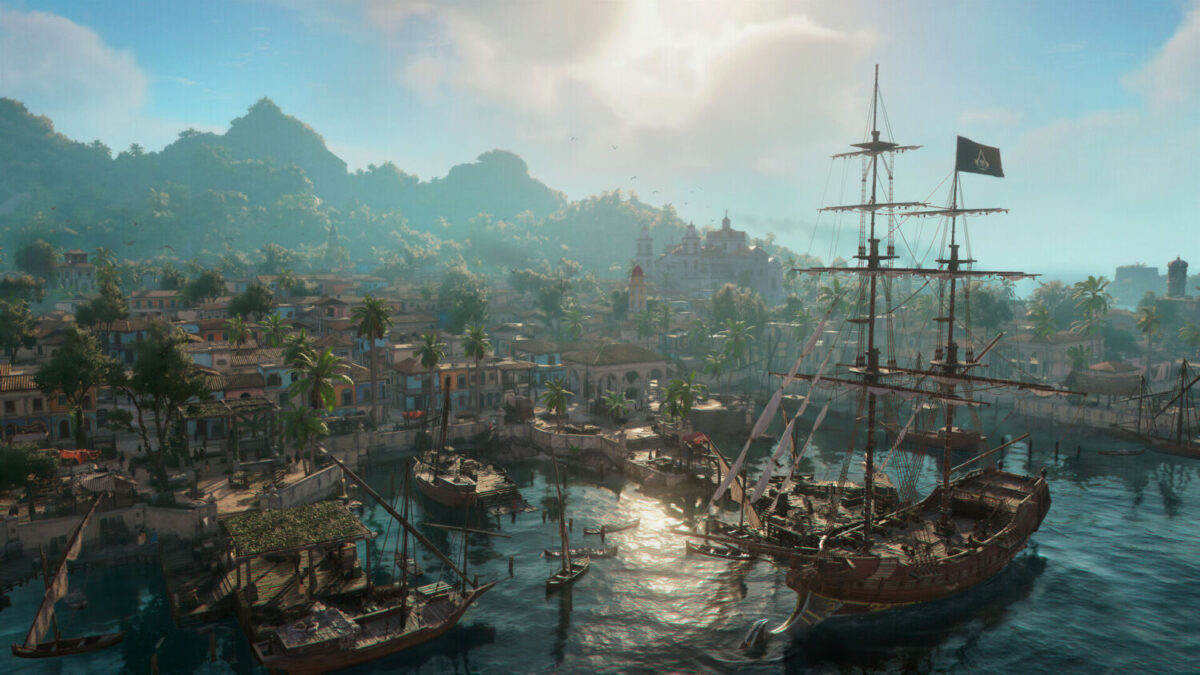
"We totally changed the combat, but we hope it still gives the same spirit of the original, except now with more of a skills expression system," Knight stated. This implies a deeper combat system with more nuanced mechanics, potentially incorporating elements from later titles that allow for greater player agency and skill-based execution.
Stealth mechanics have also undergone scrutiny. A notable addition is a dedicated crouch button, a feature that, while standard in modern stealth games, was absent in the 2013 original. This seemingly minor change can significantly impact player approach and immersion. Furthermore, animations and take-down sequences have been meticulously reviewed to ensure they align with Edward Kenway’s character and the game’s established tone. "There were things we wanted to add from games like Shadows or Mirage that we couldn’t because it didn’t make sense for Edward," Knight clarified. "We didn’t want to make less Black Flag, but a recent Black Flag, and it was important to understand the brand and be nerds about the rest of the games to understand how they all work."
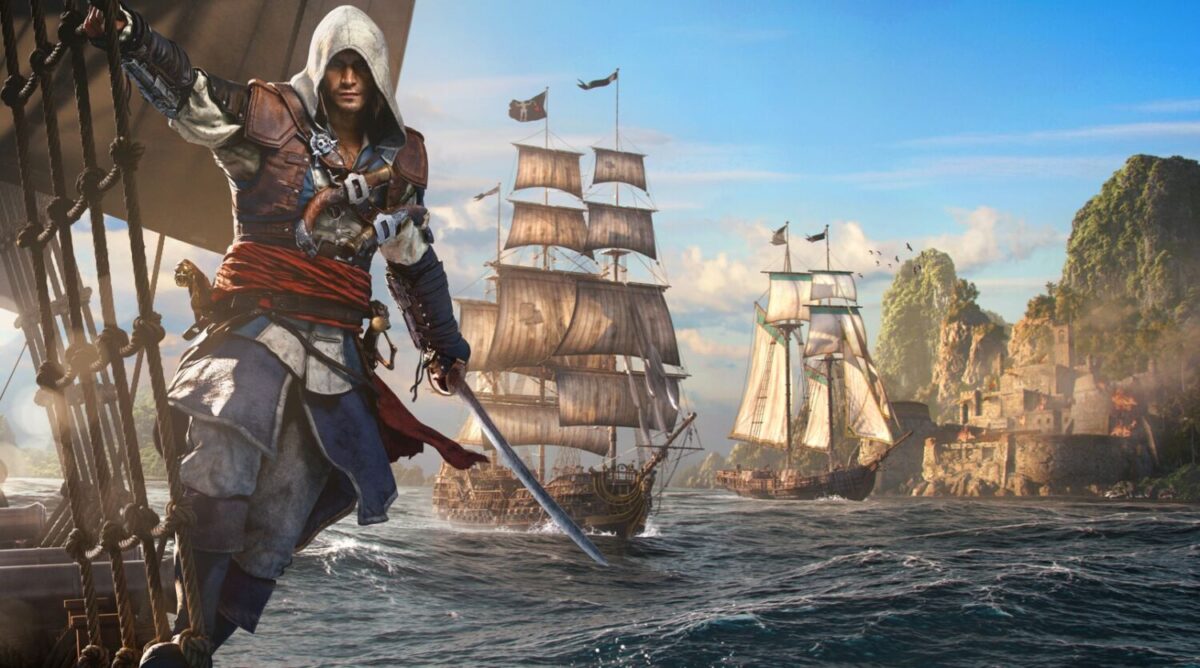
Narrative Enrichment: Expanding on Edward’s Journey
Beyond gameplay refinements, Assassin’s Creed Black Flag Resynced introduces new narrative and gameplay elements designed to deepen the player’s connection to Edward Kenway and his world. A significant addition is the inclusion of three new companion characters, ship officers whom Edward can recruit and interact with throughout his campaign.
"We knew from the beginning that our guiding North Star was Edward himself, and of course, that means we have to retell Edward’s story the same way we did," Knight explained. "And since it’s not an alternate history, and we’re not here to change it, so then what do you do? We looked at the things that were not left completely addressed in the original, such as what happened to certain characters, or the concept of officers, which was what many wanted for a very long time, but we’ve never had a chance to do until now."
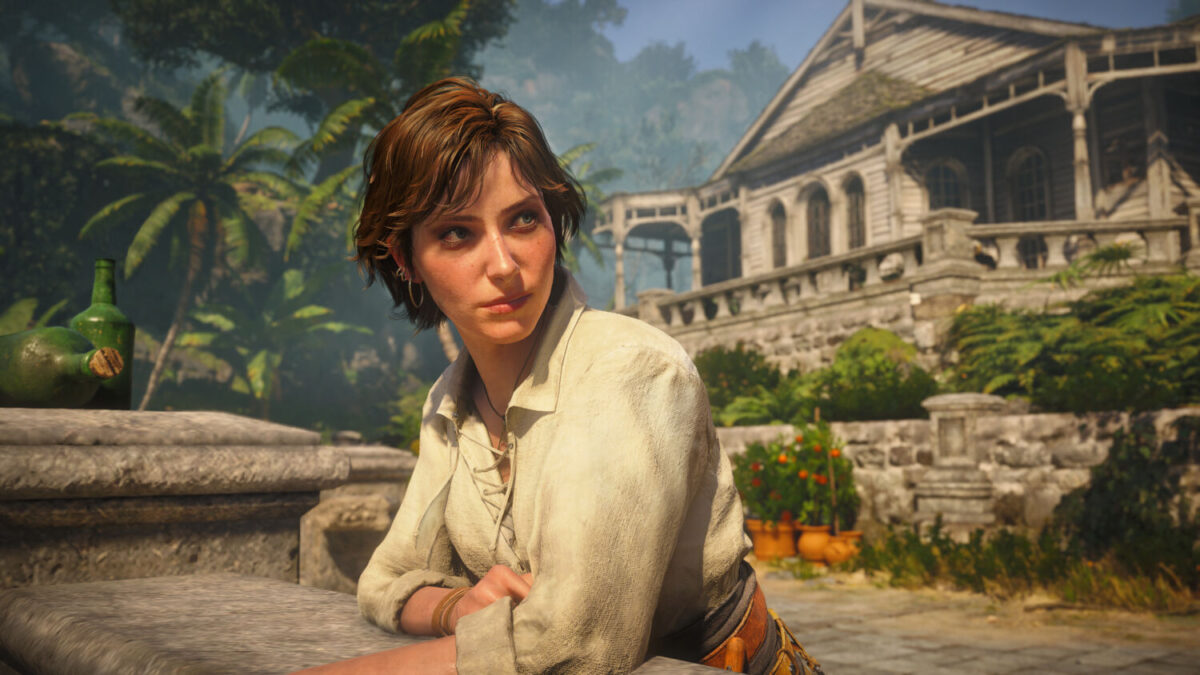
These new character arcs are not intended to overshadow Edward’s central narrative but rather to provide a more comprehensive view of his leadership and personal development. "With the addition of these new characters, it’s not so much about them, but how they reflect on Edward as you do the quests," Knight elaborated. "You now get to see him as a pirate captain who actually has to manage a crew. The original game spent more time on him as an Assassin, and less as a pirate captain, so we hope these additions offer more insight into that aspect." This focus aims to flesh out Edward’s persona as a charismatic pirate captain, a role that was often overshadowed by his burgeoning involvement with the Assassin’s Creed.
Reimagining the Modern-Day Experience
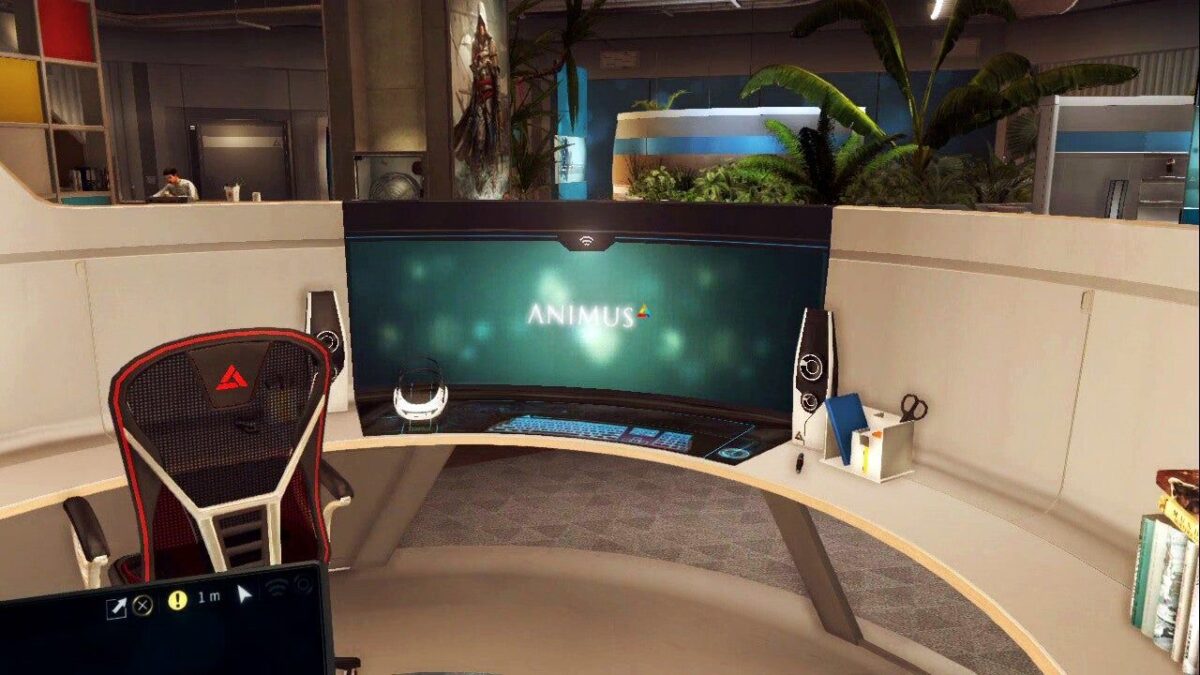
A hallmark of the early Assassin’s Creed titles was their contemporary-set modern-day segments, which served as a narrative bridge and often featured engaging parkour sequences. The original Black Flag introduced a nameless employee within Abstergo Entertainment, utilizing puzzle-based minigames to uncover Templar secrets. While this approach aimed to expand the lore, it was often perceived as less compelling than the more action-oriented modern-day segments of games like Assassin’s Creed III.
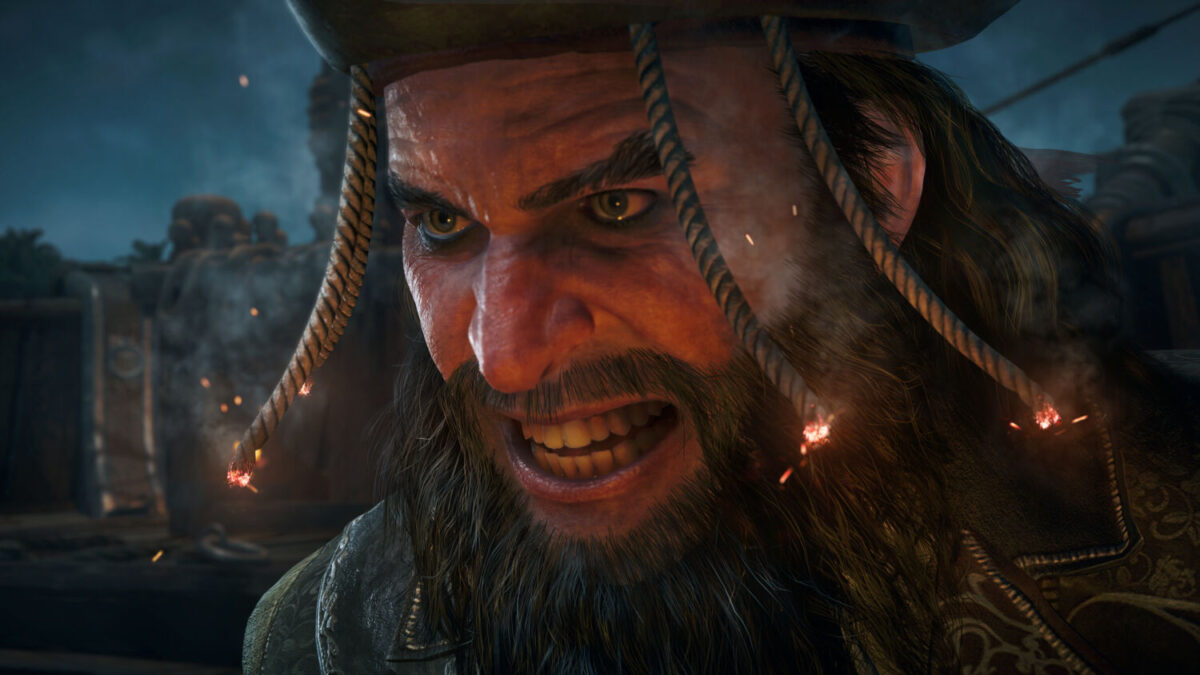
Recognizing this, Ubisoft Singapore has opted to replace these traditional modern-day sequences with "rifts," a concept similar to those seen in Assassin’s Creed Shadows. These "rifts" will explore "what if" scenarios for Edward and his associates, such as Mary Read or Blackbeard, presenting alternate choices and their potential consequences.
"It was one of the things we knew we couldn’t use in the remake, as it didn’t fit the game we were trying to sell," Knight stated. "So instead, we had two goals. One is that we wanted to continue from the rifts seen in Shadows, and the other is that we wanted to tell something that didn’t feel like you’re not playing Black Flag. So these riffs that we have are all telling the ‘what if?’ stories for Edward and some of his friends, like what if Edward, Mary Reed, or Black Beard had made this choice instead of that? So it still feels like you’re connected to the main plot, but you’re not completely doing the same thing either." This innovative approach aims to maintain player engagement with the overarching narrative while offering fresh perspectives and gameplay twists that are thematically consistent with Black Flag’s universe.
The Future of Assassin’s Creed: A Glimpse of What’s Next
The development of Assassin’s Creed Black Flag Resynced marks a significant moment for the franchise, particularly for fans yearning for a return to the series’ action-adventure roots. The success of this remake could indeed influence future development decisions. When asked about the future of the franchise, Knight expressed optimism and a commitment to exploring diverse historical settings.
"I don’t know what the future will bring, but what I can say is that we hope this opens the door a bit," Knight concluded. "The cool thing about Assassin’s Creed is that there are so many different historical periods and characters to choose from, and whichever one we do take, we’ll find something that fits gameplay and story-wise, and that’s why it’s just always exciting to think about what’s next, one way or the other."
This sentiment suggests that Ubisoft remains committed to the franchise’s core identity while being open to innovation and player feedback. The return to a beloved classic, handled by the original architects of its most defining features, signals a thoughtful approach to both preserving legacy and forging a path forward for one of gaming’s most enduring series. Assassin’s Creed Black Flag Resynced promises not just a nostalgic trip, but a revitalized experience that honors the original while embracing the advancements of modern game development.