This Monty Python-esque comedy RPG lets you improv as a band of incompetent and dangerously powerful wizards


The Mechanics of Magical Failure
The core gameplay loop of Hello Wizard I Have a Problem revolves around a rotating system of player responsibility. In most tabletop roleplaying games (TTRPGs), the Game Master (GM) is a static role held by one individual throughout the session. In this game, however, players fluidly transition between the roles of the protagonist and the architect of chaos. During each scene, one player occupies the spotlight as their respective wizard, describing their intended spell. The remaining players assume the collective role of the GM, tasked with determining the specific, often hilarious, ways in which the magic goes awry.
This collaborative approach to failure is supported by an integrated "Problem Generator." According to the documentation provided in the rulebook, this system is capable of producing over 200,000 unique prompts for magical disasters. By utilizing these procedural tables, the game ensures that no two playthroughs are identical, maintaining a fresh comedic tone that echoes the surrealist humor found in British sketch comedies like Monty Python’s Flying Circus or the offbeat, character-driven dynamics of What We Do in the Shadows.
Design Philosophy and Creator Background
Sam Armstrong, the lead designer, brings a distinct history to this project. Known for previous titles such as All Bastard—a satirical take on the "hero’s journey" trope where players embody either the legendary heroes or the "bastards" they have vanquished—Armstrong has established a reputation for subverting standard RPG tropes. This design philosophy continues in Hello Wizard I Have a Problem, which strips away complex mathematical sheets in favor of a lean, accessible ruleset.
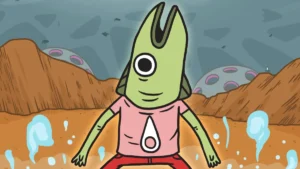
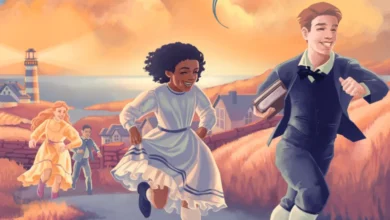
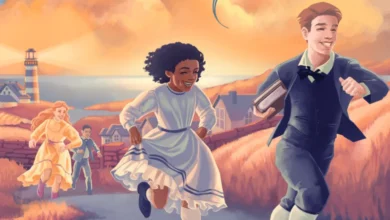
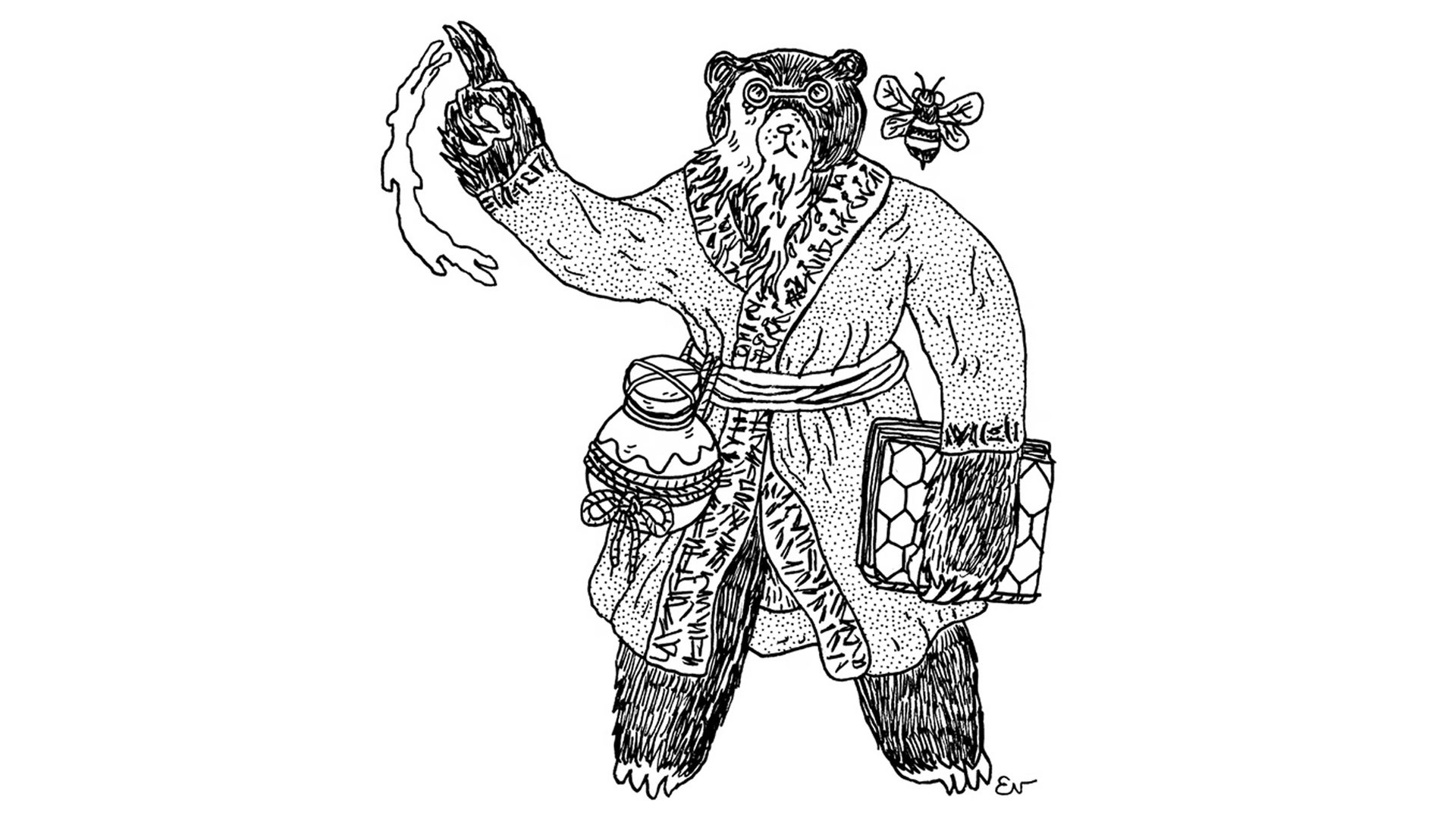
The visual identity of the game is equally vital to its tone. The project features illustrations by Evlyn Moreau, a prominent artist in the indie TTRPG space, known for their work on titles such as Liminal High School. The artwork utilizes a whimsical, vibrant aesthetic that emphasizes the "chaotic" nature of the gameplay, helping to ground the abstract comedy in a recognizable, albeit distorted, fantasy setting.
The Evolution of the Tabletop RPG Market
The emergence of Hello Wizard I Have a Problem occurs within a broader context of rapid growth and diversification in the TTRPG industry. Following the global surge in interest in tabletop games over the past five years—driven by the visibility of actual-play streams and the rising accessibility of indie publishing platforms like Itch.io—the market has shifted away from purely crunchy, rules-heavy simulations.
Data from recent industry reports suggest that modern players are increasingly prioritizing "pick-up-and-play" titles that require minimal preparation time. Hello Wizard I Have a Problem is intentionally engineered for this demographic. By streamlining the onboarding process, Armstrong aims to capture an audience that might otherwise be intimidated by the dense manuals associated with legacy fantasy systems. The focus on short, episodic scenes makes it a viable candidate for "one-shot" gaming sessions, which are becoming the industry standard for time-constrained adult gamers.
Crowdfunding and Commercial Viability
The project launched its crowdfunding campaign via Kickstarter to secure production funds for physical copies of the rulebook. The campaign structure offers a low barrier to entry, with a £4 ($5) PDF tier and an £8 ($10) physical copy tier. These price points are competitively positioned, reflecting the "micro-game" segment of the market where independent designers leverage digital storefronts to reach global audiences without the overhead of traditional distribution networks.
As of the current timeline, the campaign is entering its final hours. Following the conclusion of the crowdfunding period, Armstrong has indicated plans to move the title to their Itch.io storefront. This transition is typical for independent creators who use Kickstarter to validate market interest and fund initial print runs before transitioning to a long-term digital sales strategy.
Analysis: Implications for the Genre
The success of a game like Hello Wizard I Have a Problem suggests a growing appetite for "anti-hero" narratives. In traditional fantasy, the magic-user is often the most powerful entity at the table, capable of warping reality to suit the party’s needs. By inverting this—making the wizard’s power a liability rather than an asset—Armstrong creates a leveling mechanism that keeps the narrative stakes consistently high.
From an analytical standpoint, this game serves as a critique of the "power fantasy" common in the industry. By awarding points based on a loose, improvisational system rather than objective success, the game shifts the focus from "winning" to "participation." This pedagogical shift is crucial: it encourages players who may have social anxiety regarding traditional, rigid RPG systems to engage in creative expression. When failure is the expected outcome, the pressure to perform perfectly is removed, theoretically leading to more organic and creative storytelling.
Future Projections and Community Reception
The reception within the indie TTRPG community has been largely positive, with early adopters praising the game’s simplicity and the versatility of its Problem Generator. The inclusion of optional rules and advice within the rulebook is expected to extend the game’s shelf life, providing veteran players with the tools to "hack" or modify the system to fit longer-form campaigns.

However, the game does face challenges common to niche indie titles. Because it relies heavily on the improvisational chemistry of the players, its success is tethered to the social dynamics of the group. Unlike tactical games that rely on the system to provide the "fun," Hello Wizard I Have a Problem places the burden of entertainment squarely on the players’ ability to riff off one another. Whether this leads to sustained long-term engagement or serves primarily as a "filler" game between longer campaigns remains to be seen.
Conclusion
Hello Wizard I Have a Problem represents a significant entry in the expanding library of narrative-focused tabletop games. By synthesizing a low-barrier, high-output mechanics system with an absurd, comedic thematic premise, Sam Armstrong has developed a project that speaks to the current zeitgeist of independent game design. As the industry continues to prioritize accessibility and social play, titles that embrace the humor of failure—and the collaborative nature of storytelling—are likely to see increased relevance. With its imminent release, the game is positioned to provide a fresh alternative for players looking to explore the lighter, more chaotic side of fantasy roleplaying.
For those interested in the evolution of the genre, the project serves as a prime case study in how small-scale, high-concept designs can effectively challenge the conventions of established, high-budget franchises. As the crowdfunding campaign draws to a close, the focus for the community now shifts to the actualization of the rulebook and the subsequent impact it may have on future game design trends. Whether through its unique "Problem Generator" or its shift toward rotating GM responsibilities, the game offers a blueprint for developers who wish to prioritize player experience over mechanical rigidity.
As of today, the project is finalized for print, with backers expected to receive their copies in June. This timeline marks a rapid turnaround for an independent project, underscoring the efficiency of the modern indie-publishing pipeline. The legacy of Hello Wizard I Have a Problem will likely be defined by its ability to foster spontaneous, group-driven comedy in an increasingly crowded market of tabletop experiences.