Freak War Blends Pokémon Evolution with Exploding Kittens Chaos in a New Hybrid Trading Card Game for All Ages

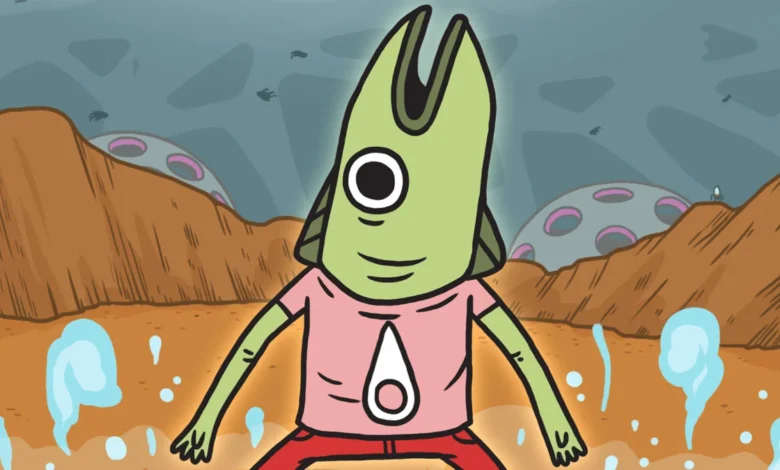
The tabletop gaming industry is witnessing a significant shift toward accessibility and hybrid genres, a trend exemplified by the recent unveiling and successful crowdfunding of Freak War. Developed by cartoonist Nate Galbraith, known professionally as "sketchnate," Freak War is a new trading card game (TCG) that seeks to bridge the gap between the complex, often intimidating world of competitive card games and the high-energy, accessible nature of party games. By synthesizing the evolution mechanics of Pokémon, the unpredictable "take-that" dynamics of Exploding Kittens, and the foundational simplicity of the classic card game War, Galbraith has created a product that aims to capture both seasoned collectors and casual players.
The Genesis of Freak War: From Uno to Evolution
The inspiration for Freak War originated from a grassroots observation of how children interact with card games. Galbraith noted a group of young players attempting to simulate the complex battles of the Pokémon Trading Card Game using a standard deck of Uno cards. Recognizing that the barriers to entry for modern TCGs—such as intricate rulebooks, expensive deck-building requirements, and steep learning curves—often prevent younger or more casual audiences from participating, Galbraith suggested they play the traditional game of War.
This encounter served as the catalyst for Freak War. Galbraith’s objective was to preserve the "clash" mechanic of War, where players simply compare values to determine a winner, while layering on the thematic depth and strategic variety found in more sophisticated titles. The result is a game that can be played immediately with a shuffled deck but offers enough depth for those who wish to engage in custom deck construction.
Core Gameplay Mechanics and Strategic Depth
Freak War distinguishes itself by offering two distinct modes of play: "War" and "Battle." These modes cater to different player preferences regarding luck and strategy.
The War and Battle Modes
In the standard "War" mode, players rely on the luck of the draw, flipping the top card of their deck simultaneously. The player with the highest attack value wins the round and claims the played cards. In the event of a tie, a "face-off" occurs: both players discard a card before playing another creature to determine the ultimate victor. This mode emphasizes speed and chaos, mirroring the frantic pace of popular party games.
The "Battle" mode introduces a layer of hand management and tactical decision-making. Players hold a hand of cards and must choose which creature to commit to the field, allowing for bluffing and resource conservation. This mode transforms the experience into a more traditional TCG environment where timing and card synergy become paramount.
Evolution and Modifiers
To deepen the gameplay, Freak War incorporates an evolution system. Much like the progression seen in the Pokémon franchise, certain creatures can transform into more powerful versions of themselves, significantly boosting their attack power and changing the tide of a match.
Furthermore, the game utilizes a robust "Modifier" system. These cards function as equipment or instant-effect spells. A player might equip a "Super Sword" to their creature to increase its strength or utilize a "Super Duper Sword" for an even greater advantage. Conversely, modifiers can be used defensively or aggressively against opponents, such as cards that force a rival to swap their hand or cancel an active modifier.
Winning Conditions
The game supports up to four players, though team-based rules and "King of the Hill" variants allow for larger groups. The primary objective is total domination: players collect won cards into a victory pile, which is eventually reshuffled back into their main deck. A player wins the game once they have successfully claimed every card from their opponents, effectively eliminating them from the table.
Narrative Lore: The Era of the Second Sun
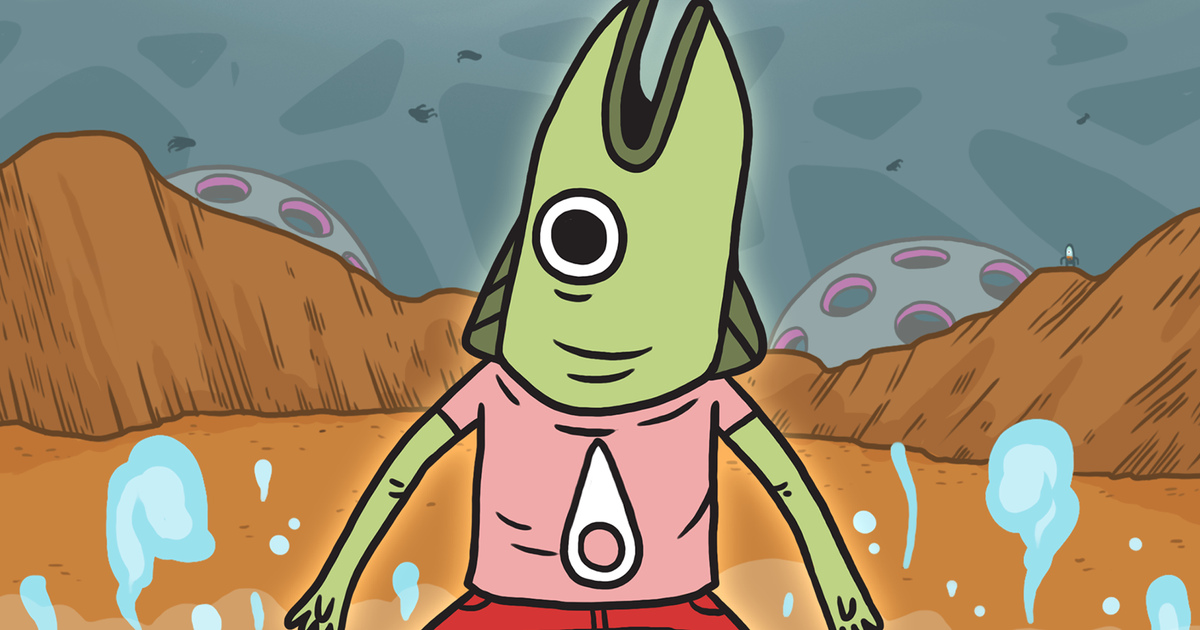
Galbraith has leveraged his background as a cartoonist to provide Freak War with a distinct visual identity and a whimsical narrative backdrop. The game is set in a world transformed by the sudden emergence of a "second sun." This celestial event caused radical mutations across the animal kingdom, leading to the creation of the "Freaks" that give the game its name.
The roster of creatures is intentionally surreal and humorous, designed to stand out in a market often dominated by traditional high-fantasy or sci-fi aesthetics. Notable characters include:
- The Man Cat: A figure that appears to be a human male wearing an unconvincing feline costume.
- The Sad Bee: A melancholic insect whose emotional state is reflected in its abilities.
- The Partying Platypus: A creature designed around social themes.
- Fly Guy: A character that incorporates "meta" gameplay elements, gaining power if there is actual uneaten food near the physical gaming table.
- Time-Traveling Tiger: A high-tier creature that manipulates the sequence of play.
The layout of the cards pays direct homage to the classic Pokémon TCG design of the late 1990s, featuring bold borders, clear energy/attack symbols, and prominent character art. This nostalgic aesthetic is a deliberate choice intended to resonate with adult players who grew up during the initial TCG boom while remaining clear and legible for new players.
Crowdfunding Performance and Production Timeline
Freak War was launched on the crowdfunding platform Kickstarter with a modest initial goal of $10,000. The campaign quickly gained traction, surpassing its funding target within the first few days of the launch. This success indicates a strong market appetite for "lite" TCG experiences that do not require the financial commitment of "blind bag" booster pack models.

Financial and Distribution Details
- Unit Pricing: A standard deck is priced at approximately $20, positioned as an affordable entry point compared to the "starter decks" of major competitors.
- Expansion Packs: Galbraith has planned multiple themed packs, each containing dozens of new creatures, ranging from "buff penguins" to "cute-looking snails," ensuring the game has a roadmap for longevity.
- Campaign Deadline: The Kickstarter campaign is scheduled to conclude on June 13.
- Fulfillment Schedule: Production and shipping are estimated to take approximately one year, with backers expected to receive their copies in June 2025.
Market Analysis: The Rise of the "Party-TCG" Hybrid
The success of Freak War occurs during a transformative period for the tabletop industry. According to market research, the global collectible card game market was valued at approximately $13 billion in 2022 and is projected to grow significantly through 2030. However, much of this growth is driven by high-value collectors and professional players.
Freak War occupies a niche referred to by some analysts as the "Party-TCG." This sub-genre addresses a specific pain point in the market: the "complexity wall." While games like Magic: The Gathering and Disney Lorcana offer deep strategic experiences, they often require a significant time investment to learn. By utilizing the mechanics of War—a game most people learn in early childhood—Freak War lowers the barrier to entry to near zero.
Industry experts suggest that the "take-that" mechanic, popularized by Exploding Kittens (which raised over $8 million on Kickstarter in 2015), is a key driver for social gaming. By integrating these aggressive, high-interaction elements with the collectible nature of a TCG, Freak War positions itself as a social experience first and a competitive game second.
Implications for Independent Game Design
The trajectory of Freak War also highlights the continuing viability of independent creators in a space dominated by multinational corporations like Hasbro and Nintendo. Nate Galbraith’s ability to leverage a social media following and a clear, relatable "hook" demonstrates that there is still room for creator-owned IPs in the tabletop market.
The game’s "meta" elements—such as the Fly Guy’s food-based power boost—represent a trend toward "fourth-wall-breaking" in board games. This design philosophy encourages players to interact with their physical environment, further distinguishing the experience from digital card games like Hearthstone or Marvel Snap.
Summary of Outlook
As the Kickstarter campaign for Freak War nears its conclusion, the focus shifts toward the manufacturing and logistics phase. The challenge for Sheltonshire Games, the entity behind the release, will be to maintain the momentum generated during the funding phase and build a community around the "Freak" lore.
If the game successfully delivers on its promise of "TCG fun without the TCG effort," it could serve as a blueprint for future hybrid titles. By prioritizing humor, accessibility, and fast-paced interaction, Freak War aims to become a staple of game nights, providing a bridge for families and friends to enjoy the thrill of a card battle without the burden of a hundred-page rulebook. With a delivery date set for mid-2025, the tabletop community will soon see if this "partying platypus" and its mutated companions have the staying power to compete with the giants of the industry.
Related posts: