Street Legal Enclosed Scooter
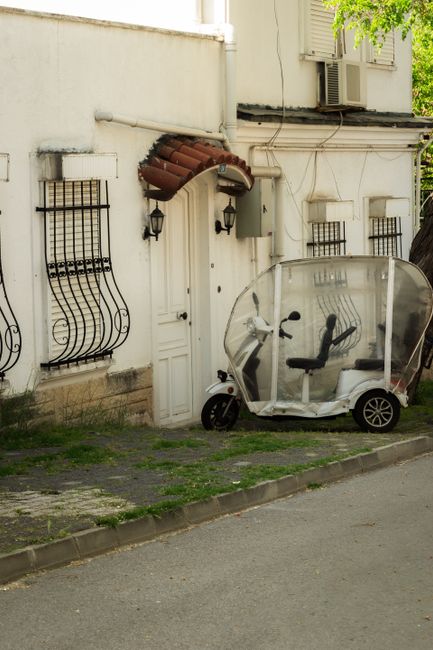
The Ultimate Guide to Street Legal Enclosed Scooters: Everything You Need to Know
Street legal enclosed scooters, often referred to as cabin scooters or mobility pods, represent a transformative shift in urban micro-mobility. These vehicles bridge the gap between traditional bicycles, scooters, and passenger cars, offering a weather-protected, energy-efficient solution for city commuting. Designed with an exterior shell that shields the rider from rain, wind, and debris, these vehicles provide a level of comfort that standard open-frame scooters simply cannot match. As metropolitan areas struggle with increasing traffic congestion and the need for greener transportation, enclosed scooters have emerged as a practical alternative for short-to-medium range travel. Understanding the legal, technical, and practical aspects of these vehicles is essential for anyone considering a transition from public transit or traditional car ownership to a more compact, personal transport format.
Defining Street Legal Status and Classification
The term "street legal" varies significantly depending on the jurisdiction, and this is the most critical hurdle for prospective owners. In most regions, street legal status is dictated by a vehicle’s maximum speed, motor wattage, and safety equipment. Generally, enclosed scooters are classified in one of three ways: as an e-bike, a moped, or a low-speed vehicle (LSV). If a vehicle is categorized as an e-bike, it usually requires a speed cap of 20 to 28 mph and a motor capacity of 750W or less. These vehicles are permitted in bike lanes and do not typically require a driver’s license or registration.
Conversely, if the enclosed scooter is classified as a moped or LSV, it must comply with federal safety standards, which include functional turn signals, brake lights, headlights, side mirrors, and horn capabilities. Owners of these vehicles are often required to register the unit with the DMV, carry insurance, and possess a valid driver’s license. Before purchasing an enclosed scooter, it is imperative to check your local state or municipal codes. A vehicle that is legal in one city might be prohibited from main roads in another, leading to potential fines or the impoundment of your vehicle.
Benefits of Enclosed Scooter Commuting
The primary draw of an enclosed scooter is the "all-weather" capability. Traditional two-wheeled electric scooters leave riders vulnerable to the elements, making them impractical during winter months or rainy seasons. Enclosed models utilize a protective hard shell or high-durability fabric roof that keeps the rider dry and shielded from harsh winds. This allows for year-round commuting, significantly increasing the return on investment for the owner.
Beyond weather protection, these vehicles provide increased security. Many modern enclosed scooters come with locking doors, alarm systems, and steering locks, making them less susceptible to theft than standard e-scooters. From a cost-efficiency standpoint, they are drastically cheaper to operate than internal combustion engine (ICE) vehicles. Charging costs are minimal, maintenance is simplified due to fewer moving parts, and they eliminate the need for expensive fuel, oil changes, or complex engine repairs. For urban dwellers, the compact footprint is a major advantage, as these scooters can often be parked in tighter spaces than a standard car, and in some jurisdictions, they may even qualify for dedicated motorcycle or e-bike parking spots.
Technical Specifications: What to Look For
When shopping for an enclosed scooter, the battery capacity and motor power are the most important technical considerations. Lithium-ion batteries have become the industry standard, offering high energy density and longevity. You should look for a range that exceeds your daily round-trip commute by at least 25% to account for battery degradation over time and environmental factors like hills or cold weather, which can reduce range. A range of 30 to 50 miles per charge is typically sufficient for most urban commuters.
Motor power, measured in watts, determines the scooter’s ability to climb inclines. If your commute involves significant elevation changes, a higher-wattage motor (1000W or greater) is necessary to maintain speed. Braking systems are equally important; hydraulic disc brakes are highly recommended for their stopping power, especially given the increased weight of an enclosed vehicle compared to a standard scooter. Furthermore, pay attention to the suspension system. An enclosed structure can feel stiff, and high-quality independent suspension is necessary to absorb shocks from uneven pavement, potholes, and debris.
Safety Features and Regulatory Compliance
Safety is the most common concern for riders transitioning to the road. Because enclosed scooters are smaller than cars, they can be difficult for other drivers to see. Therefore, high-visibility features are non-negotiable. Look for units that include bright LED headlights, high-intensity brake lights, and reflective decals. Many premium enclosed scooters now come equipped with turn signals that are integrated into the mirrors or the main chassis for maximum visibility.
Internal safety features are also critical. A three-point seatbelt, while not standard on all entry-level models, is highly advisable. Roll bars or reinforced frames protect the operator in the event of a collision or a tip-over. It is also important to consider the vehicle’s stability. Three-wheeled configurations (two in the front, one in the back, or vice versa) provide better balance and cornering stability than two-wheeled versions, which require constant rider input to stay upright at stoplights. Some high-end models feature self-balancing technology, which can prevent the vehicle from tipping during sharp turns.
Maintenance and Battery Care
Maintaining an enclosed scooter is significantly less demanding than maintaining a car, but it is not entirely maintenance-free. The most vital component to monitor is the battery. To maximize the lifespan of your lithium-ion battery, avoid letting it drop to 0% charge whenever possible. Ideally, store the battery in a temperature-controlled environment if the scooter is not going to be used for an extended period.
Tires should be checked for pressure and wear on a bi-weekly basis. Because enclosed scooters are heavier than standard e-scooters, tire pressure is crucial for handling; under-inflated tires can lead to premature wear and reduced range. Brake pads should also be inspected every few months, as the added weight of the cabin shell means the braking system works harder than it would on a standard scooter. Finally, because the exterior shell is exposed to the elements, regular cleaning and waxing can protect the plastic or metal body from UV degradation and oxidation, keeping the vehicle looking new and preventing brittle components from failing prematurely.
Choosing the Right Model for Your Lifestyle
The market for enclosed scooters is diversifying, with options ranging from heavy-duty cargo commuters to lightweight, folding cabin models. For the professional commuter who carries a laptop and needs to arrive at the office in clean clothes, a model with a fully sealed cabin, windshield wipers, and internal heating/cooling ventilation is ideal. These features prevent the rider from arriving at their destination sweaty or wet, which is the primary barrier to using micro-mobility for work.
If you are a recreational rider or someone living in a milder climate, you might opt for a "half-cabin" scooter—one that has a roof but open sides. These are generally more affordable and offer better airflow, which can be beneficial in humid environments. Regardless of the model, always request a test ride. The center of gravity and the weight distribution of an enclosed scooter feel fundamentally different from a standard bicycle or motorcycle, and it is vital to ensure you are comfortable with the handling before committing to a purchase.
The Future of Enclosed Urban Transport
As technology advances, enclosed scooters are becoming smarter. We are seeing the integration of GPS tracking, smartphone connectivity for real-time diagnostics, and regenerative braking systems that capture energy during stops. The rise of "Battery-as-a-Service" (BaaS) models also promises to lower the entry price for consumers, as companies allow users to rent batteries rather than buying them outright, mitigating the risk of battery failure.
Furthermore, as cities continue to design "15-minute neighborhoods" where services and work are located within a short distance of home, the need for large, inefficient vehicles is shrinking. Street legal enclosed scooters occupy a unique space in this future. They offer the dignity and comfort of a private vehicle while respecting the spatial limitations of urban design. By choosing an enclosed scooter, you are not just purchasing a mode of transport; you are participating in a larger movement toward de-congesting city streets and reducing the per-capita carbon footprint of urban commuters.
Final Considerations Before Purchase
Before finalizing your purchase, confirm the warranty terms. A vehicle with an enclosed cabin has more potential failure points than a standard scooter—wipers, door hinges, and window seals require support. Ensure that the manufacturer or the retailer provides access to spare parts. Buying a proprietary, imported scooter without a clear supply chain for replacement parts can turn a useful investment into an expensive piece of lawn art if a minor component breaks.
Lastly, invest in protective gear. Even if your scooter is enclosed, you are still a vulnerable road user. A high-quality helmet, gloves, and protective eyewear (if the windshield design allows for bugs or wind) are essential. When you integrate an enclosed scooter into your daily routine, you will quickly discover that the time saved by bypassing traffic and the money saved on fuel and parking far outweigh the learning curve of navigating a new type of vehicle. By prioritizing safety, understanding your local laws, and maintaining your machine, you can enjoy a superior commuting experience that is both sustainable and undeniably convenient.
