Freak War Merges Pokémon Evolution with Exploding Kittens Chaos in a New Casual Trading Card Game Experience

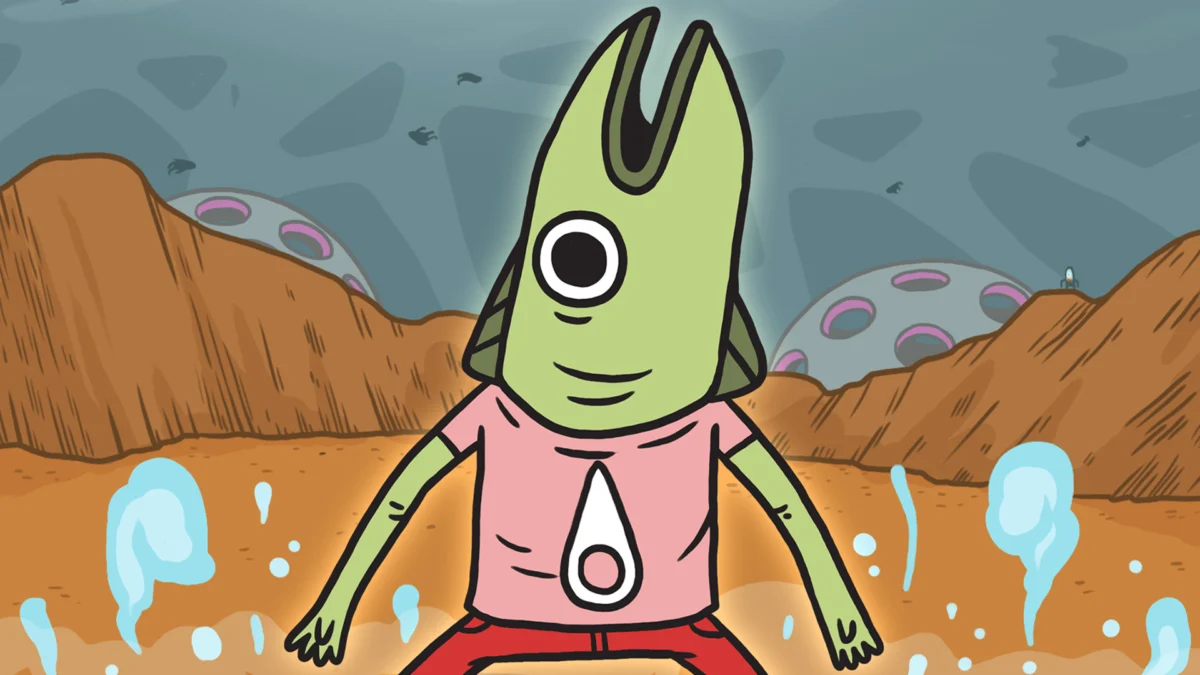
The tabletop gaming industry is witnessing a significant shift toward "gateway" experiences that bridge the gap between complex strategy games and accessible party titles, a trend exemplified by the recent unveiling of Freak War. Developed by cartoonist Nate Galbraith, known professionally as "sketchnate," and published under the Sheltonshire Games banner, Freak War is positioned as a hybrid Trading Card Game (TCG) that strips away the high barrier to entry typically associated with the genre. By combining the evolutionary mechanics of Pokémon with the high-speed, unpredictable nature of party games like Exploding Kittens, the project aims to capture a demographic of players who enjoy the aesthetics of monster-battling but are deterred by the intensive deck-building and rule-learning required by industry titans.
The conceptual origins of Freak War are rooted in a grassroots observation of how younger players interact with traditional card games. Galbraith reportedly conceived the idea after witnessing children attempting to simulate complex Pokémon battles using standard Uno cards. This observation led to a realization: there is a profound desire for creature-based combat that operates on the intuitive logic of classic card games like "War" (also known as "Battle"). By taking the foundational "highest card wins" mechanic and layering it with modern TCG tropes—such as status modifiers, evolution chains, and unique character abilities—Galbraith has developed a system that facilitates immediate play without sacrificing the thematic depth of a collectible universe.
Core Gameplay Mechanics and Dual Modes
At its fundamental level, Freak War operates on a simplified combat system designed to support between two and four players, though the game is scalable for larger groups. The game offers two primary modes of play: "War" and "Battle." In the "War" mode, the gameplay emphasizes chaos and speed, mirroring the classic card game where players flip the top card of their shuffled deck simultaneously. The creature with the highest attack value wins the round, claiming the played cards for the winner’s "win pile." If a tie occurs, players engage in a "face-off," discarding a card before playing a new creature to determine the ultimate victor of the skirmish.
The "Battle" mode introduces a layer of tactical decision-making, allowing players to hold a hand of cards and strategically choose which creature to deploy. This mode appeals to players who prefer a degree of agency over pure randomness. Both modes can be further customized with "King of the Hill" or team-based rules, providing a modular experience that can be adjusted based on the age and skill level of the participants. The ultimate objective remains consistent across all formats: a player wins by successfully depleting their opponents’ decks and claiming all cards in the game.
The Evolution and Modifier System
What distinguishes Freak War from a standard deck of playing cards is its integration of "Take That" mechanics and evolutionary progression. Inspired by the Pokémon franchise, certain creatures in Freak War possess the ability to evolve into more powerful forms. This mechanic allows a player to transform a lower-tier creature into a dominant force on the battlefield, shifting the momentum of a game instantly.
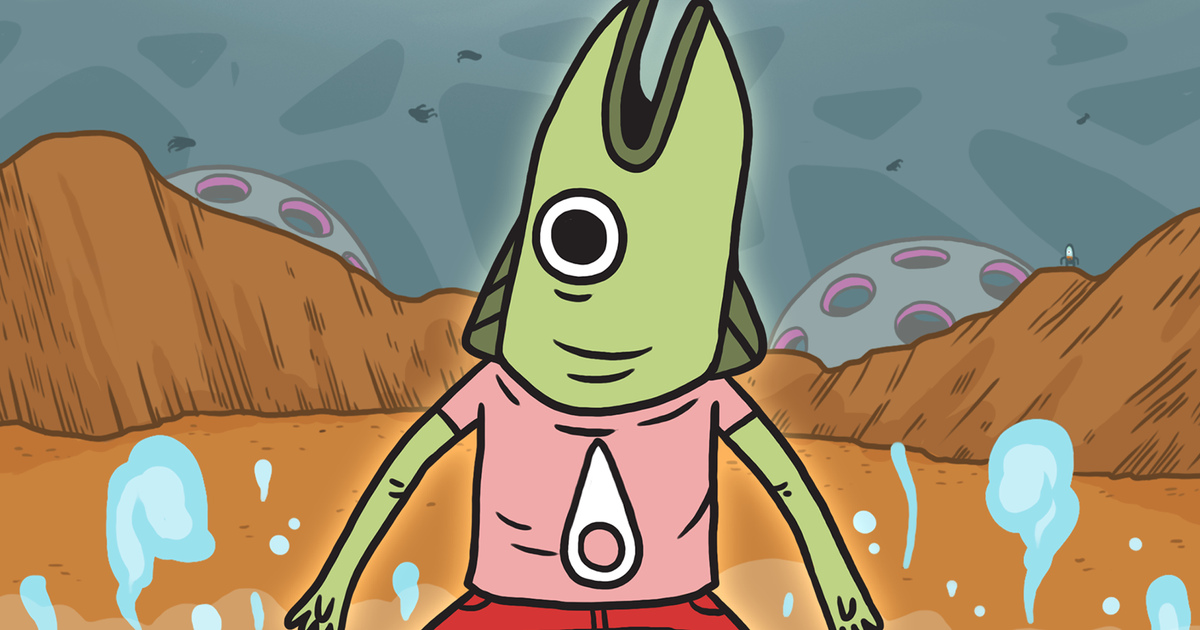
The influence of Exploding Kittens is most visible in the modifier cards. These cards function as interrupts or enhancements that can be played to alter the state of the game. Modifiers range from straightforward power-ups, such as the "Super Sword" and the "Super Duper Sword," to more disruptive effects like forced card swaps, coin-flip gambles for power boosts, and "cancel" cards that negate an opponent’s move. This layer of gameplay ensures that even a player with a numerically inferior creature has a path to victory through clever card management, maintaining a high level of engagement and social interaction throughout the session.
Narrative Background and Character Design
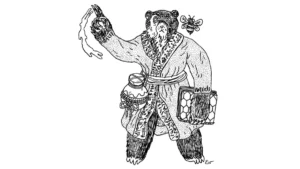
The thematic world of Freak War is centered on a whimsical, post-apocalyptic event involving the emergence of a "second sun." According to the game’s lore, the radiation from this celestial body caused rapid, absurd mutations among Earth’s standard fauna. This narrative framework allows for a diverse and eccentric roster of characters that lean heavily into surreal humor.
Among the "Freaks" featured in the initial sets are:
- Man Cat: A character that appears to be a human male wearing a rudimentary cat costume, serving as a meta-commentary on mascot culture.
- Fly Guy: A scrap-loving mutant that gains power bonuses based on real-world conditions, specifically if there is uneaten food near the players.
- Partying Platypus: A creature designed around social themes and high-energy gameplay.
- Time-Traveling Tiger: A high-tier creature that utilizes temporal themes to influence game outcomes.
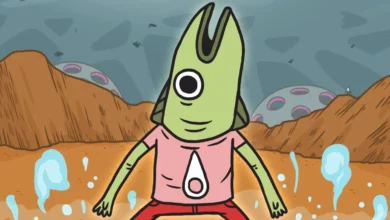
- Dog with a Goldfish Bowl Head: A visual pun that exemplifies the game’s "goofy" artistic direction.
The card layout itself is a deliberate homage to the 1990s TCG aesthetic, featuring bold borders, clear numerical values, and vibrant illustrations that prioritize readability. This design choice is intended to make the game immediately recognizable to those who grew up with first-generation Pokémon cards, while remaining approachable for a new generation of players.
Market Context and the TCG "Gold Rush"
The launch of Freak War comes at a time of unprecedented growth and volatility in the collectible card game market. Since 2020, the industry has seen a massive influx of capital, driven by high-profile releases like Disney Lorcana and Star Wars: Unlimited, as well as a resurgence in interest for Magic: The Gathering and the Pokémon TCG. However, many of these "Premier" TCGs require significant financial investment and a deep understanding of complex "stack" mechanics and keyword interactions.
Industry analysts suggest that there is a growing "complexity fatigue" among casual gamers. While the competitive scene for TCGs is thriving, a secondary market has emerged for "party-style" card games that offer a similar dopamine hit of collecting and battling without the homework. Freak War enters this space as a low-cost alternative. At a price point of approximately $20 per deck, it positions itself as an impulse purchase or a "stocking stuffer" compared to the hundreds of dollars required to build a competitive deck in traditional TCGs.

Crowdfunding Success and Production Timeline
The commercial viability of Freak War has already been validated through its crowdfunding performance. Launched on Kickstarter, the project surpassed its initial $10,000 funding goal shortly after going live. The campaign, which is scheduled to conclude on June 13, has attracted a diverse group of backers, ranging from parents looking for family-friendly activities to TCG collectors interested in the unique art style of "sketchnate."
The production timeline provided by Sheltonshire Games indicates a commitment to a standard manufacturing cycle. Following the conclusion of the Kickstarter campaign and the finalization of the card art and mechanics, the game is expected to move into mass production during the winter months. Fulfillment for backers is currently slated for June of the following year. This timeline suggests that the developers are prioritizing quality control and logistical stability over a rushed release, a common pitfall for independent tabletop projects.
Broader Implications for the Tabletop Industry
The success of Freak War highlights a broader shift in the tabletop industry toward "meta-humor" and "lifestyle" gaming. By including cards like "Fly Guy," which interacts with the physical environment of the players, the game blurs the line between the card game and the social environment. This design philosophy was popularized by titles like Cards Against Humanity, but Freak War attempts to sanitize the experience for a multi-generational audience, avoiding the "gross-out" humor of its predecessors in favor of "weird and wonderful" absurdity.
Furthermore, the project represents the continued empowerment of independent creators in the gaming space. Nate Galbraith’s transition from a digital cartoonist to a game designer via crowdfunding reflects a democratized landscape where niche art styles can find a dedicated audience without the need for major publisher backing. As the TCG market continues to diversify, games like Freak War serve as an entry point, potentially funneling younger players into the broader hobby while providing a standalone experience that satisfies the need for quick, engaging play.
As the campaign enters its final weeks, the focus of the development team has shifted toward expansion content. Plans are already in place for additional card packs featuring new "Freaks," including buff penguins and "cute-looking snails," ensuring that the game has a roadmap for longevity beyond its initial release. For the broader gaming community, Freak War stands as a testament to the enduring appeal of the "War" mechanic when revitalized with modern creativity and a keen understanding of player psychology.
Related posts: