Avengers: Doomsday – The Russo Brothers’ Comments Spark Concerns Over Doctor Doom’s MCU Adaptation

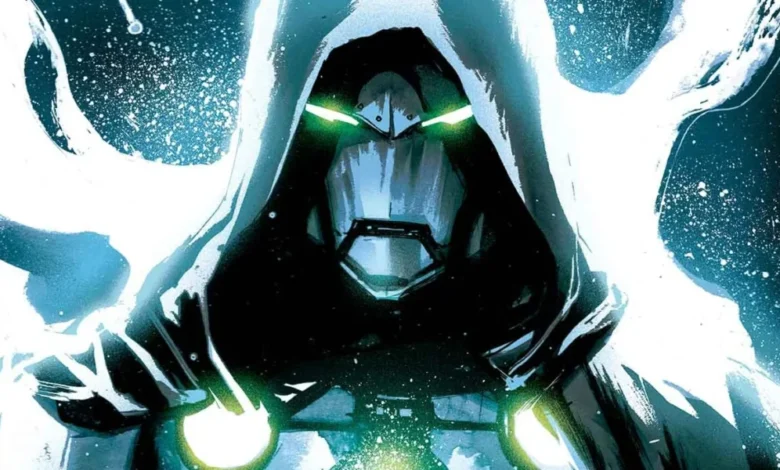
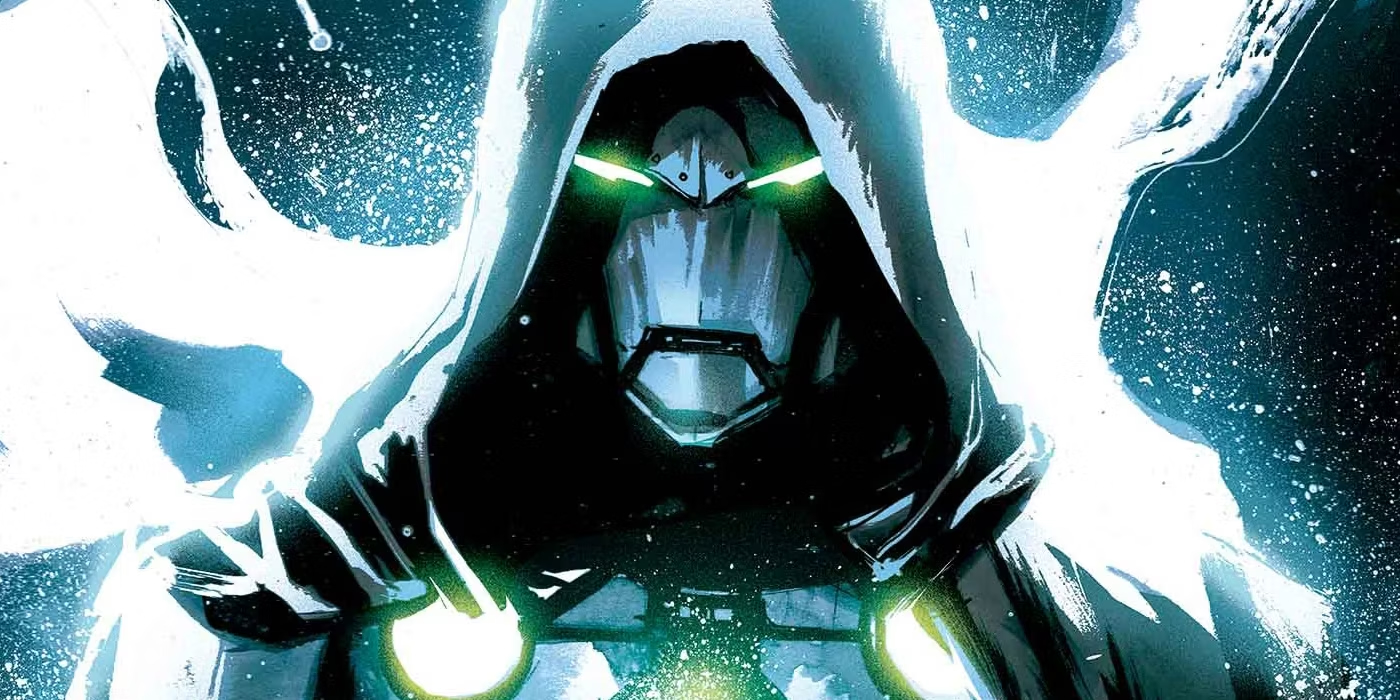
The impending arrival of Avengers: Doomsday has ignited a fresh wave of anticipation and, for some, trepidation, particularly concerning the portrayal of one of Marvel’s most iconic antagonists: Doctor Doom. Recent remarks by the film’s directors, Joe and Anthony Russo, have raised questions about the adaptation’s fidelity to the character’s rich comic book legacy, leading to concerns that this iteration might fall short of fan expectations, echoing past cinematic missteps.
A Villainous Legacy: Doctor Doom’s Comic Book Pedigree
Doctor Doom, born Victor Von Doom, stands as a titan in the pantheon of comic book villains. First introduced in Stan Lee and Jack Kirby’s Fantastic Four #5 in 1962, Doom has consistently been depicted as a character of immense complexity and formidable power. His origins are rooted in a tragic scientific endeavor gone awry, leading to the disfigurement that necessitates his iconic mask and an unyielding vendetta against his former college roommate, Reed Richards.
Beyond his scientific genius, Doom is also a master of sorcery, a potent combination that has allowed him to rule the fictional European nation of Latveria with an iron fist, albeit one often tempered by a paternalistic concern for his subjects. His pronouncements, often delivered in the third person, are characterized by grandiosity and a profound belief in his own intellectual and political superiority. He embodies a unique blend of regal authority, obsessive rivalry, and a surprisingly tender, almost paternalistic, regard for Reed Richards’ daughter, Valeria. This intricate tapestry of motivations and capabilities has cemented his status as a villain far exceeding the scope of a mere megalomaniac; he is a tragic figure, a tyrannical visionary, and a complex antagonist whose motivations are as deeply personal as they are globally ambitious.
Past Portrayals: A History of Cinematic Disappointment
The history of Doctor Doom on the silver screen has been, by most accounts, a challenging one. The 2005 Fantastic Four film, starring Julian McMahon as Victor Von Doom, presented the character as a petulant CEO whose transformation into Doom was driven more by a simplistic power grab than by the deeply ingrained psychological and ideological motivations found in the comics. This interpretation stripped away much of Doom’s gravitas, reducing him to a more conventional, albeit theatrical, antagonist.
The 2015 reboot, Fantastic Four, attempted a grittier, more grounded approach. Toby Kebbell’s portrayal depicted Victor Von Doom as a brooding, introverted figure, a "moody gamer" whose descent into villainy felt underdeveloped and lacked the dramatic flair that defines the character. Both adaptations, in their own ways, failed to capture the operatic scale and nuanced characterization that have made Doctor Doom a compelling figure for generations of readers. These cinematic interpretations have left many fans yearning for a version that embraces the character’s inherent theatricality and his profound intellectual and magical prowess.
The Russo Brothers’ Vision: A Hint of Innovation, A Shadow of Doubt
The Marvel Cinematic Universe (MCU), under the direction of Joe and Anthony Russo, has a proven track record of delivering compelling interpretations of complex comic book characters, most notably with their nuanced take on Thanos in Avengers: Infinity War and Avengers: Endgame. This history has fueled optimism that their upcoming film, Avengers: Doomsday, would finally provide a definitive and satisfying cinematic realization of Doctor Doom.
However, recent comments made by the Russo brothers at SXSW London have introduced an element of uncertainty. Joe Russo stated that their Doctor Doom would occupy "that sweet spot between being very specific and unique to the original story that happens within this film but also delivering on what the most awesome things are about Doom in the comics." While the promise of delivering "the most awesome things about Doom in the comics" is heartening, the emphasis on being "very specific and unique to the original story" has sparked concern.
The brothers elaborated on this philosophy, with Joe Russo asserting, "we always look at it as our job to not tell you a story that you’ve heard before, we’re never translating directly from the comics." He further emphasized that the Doom in Doomsday would incorporate "what we love most about the comics" alongside "what is original to our storytelling, what is brand new." This approach, while aiming for originality, risks deviating too far from the core elements that have made Doctor Doom such an enduring character.
Unanswered Questions and Potential Departures
The primary source of concern stems from the perceived lack of connection to the Fantastic Four in the MCU’s iteration of Doom, a crucial element in his comic book persona. The narrative has already established that Robert Downey Jr., reprising a Marvel role in a new capacity, will portray Doctor Doom. This casting, while generating considerable buzz, has also led to speculation about the character’s integration into the MCU’s existing mythology.
Without a direct antagonistic relationship with Reed Richards and the Fantastic Four, it is unclear how Doom’s core motivations will be translated. His deep-seated rivalry with Richards is a fundamental driving force behind his actions, fueling his ambition to prove his intellectual and technological superiority. Furthermore, the absence of this established conflict raises questions about whether Doom will retain his signature pronouncements in the third person, his philosophical musings on the nature of power and divinity, and his penchant for grand, operatic gestures.
The article highlights specific aspects of Doom’s character that fans hope to see: his third-person speech, his pronouncements about being a god, and his ability to send the Fantastic Four back in time to fight pirates – a nod to his often outlandish and imaginative schemes. If the MCU’s Doom does not embody these quintessential traits, critics argue, the adaptation will fail to capture the essence of the character, risking another cinematic disappointment.
The Broader Implications for the MCU’s Villain Landscape
The success of Doctor Doom in Avengers: Doomsday is not merely a matter of fan satisfaction; it carries significant implications for the future of the MCU’s villain landscape. Doctor Doom represents a unique archetype of villainy – one that blends intellectual prowess, magical might, political acumen, and a deeply personal vendetta. His potential failure to resonate with audiences could signal a hesitance within Marvel Studios to fully embrace the more outlandish and complex aspects of its characters, potentially leading to a homogenization of its antagonists.
The MCU has a history of adapting characters to fit its established tone and narrative conventions. While this has often resulted in accessible and broadly appealing stories, it has also, at times, diluted the distinctiveness of certain characters. Doctor Doom, with his operatic pronouncements and intricate motivations, presents a unique challenge and opportunity. A successful adaptation could pave the way for more complex and unconventional villains in future MCU projects, enriching the universe’s narrative tapestry. Conversely, another misstep with Doom could reinforce a perceived trend towards more conventional, less character-driven antagonists.
A Critical Juncture for Comic Book Adaptations
The upcoming release of Avengers: Doomsday and its portrayal of Doctor Doom stands at a critical juncture for comic book adaptations. The character’s storied history and his status as one of the most compelling villains ever created place immense pressure on the filmmakers to deliver a performance that honors his legacy. The comments from the Russo brothers suggest an intention to innovate and offer a fresh perspective, a commendable goal in the realm of adaptation. However, the line between fresh interpretation and fundamental alteration is a fine one.
Fans and critics alike will be closely watching to see if the MCU’s Doctor Doom can successfully navigate this delicate balance. The character’s potential to be both a unique narrative element within the MCU and a faithful rendition of his comic book persona hinges on the filmmakers’ ability to capture the essence of Victor Von Doom – his intellect, his ambition, his flaws, and his undeniable, albeit villainous, grandeur. The success of Avengers: Doomsday in this regard could redefine the standards for villain portrayal in superhero cinema, or it could, unfortunately, add another chapter to the saga of a character whose cinematic potential has yet to be fully realized.
Avengers: Doomsday is scheduled for release on December 18, 2026.