Resident Evil Official Trailer Revealed for Zach Cregger’s Highly Anticipated Reboot

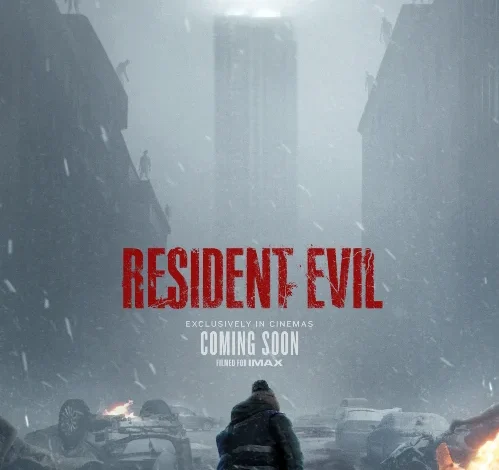
The digital corridors of Sci-Fi Now are abuzz with palpable excitement, a sentiment undoubtedly shared by legions of fans worldwide, as the first official trailer for the new Resident Evil film, helmed by acclaimed director Zach Cregger, has officially dropped. This cinematic unveiling marks a significant moment, positioning Cregger’s vision as one of the most anticipated releases of the year within our offices. The trailer, a tantalizing glimpse into what promises to be a fresh take on the iconic survival horror franchise, is now available for public consumption, igniting further anticipation for its theatrical debut.
Zach Cregger, a filmmaker who has garnered significant critical acclaim for his previous works, including the Oscar-winning short film Weapons and the critically lauded horror feature Barbarian, is now bringing his distinct directorial sensibility to the sprawling universe of the Resident Evil video games. This new cinematic endeavor represents the eighth film in the long-running franchise. However, crucially, this installment is reportedly a standalone narrative, asserting no direct connections to the continuity established by its predecessors, offering a clean slate for both Cregger and the audience.
The Resident Evil film franchise, since its inception, has been a significant force in the action-horror genre. Paul W.S. Anderson, the visionary behind the franchise’s initial foray into filmmaking, directed four of the films and played an instrumental role in producing and writing all entries. The series has been consistently anchored by the commanding presence of Milla Jovovich, who starred in six of the films, contributing to the franchise’s substantial global box office success, which has cumulatively grossed over $1.2 billion worldwide. This new direction, however, signals a departure from this established lineage, inviting a new narrative and potentially a new set of iconic characters.
The upcoming film boasts a promising ensemble cast, featuring Austin Abrams, Zach Cherry, Kali Reis, and Paul Walter Hauser. The screenplay, co-written by Cregger himself and Shay Hatten, suggests a collaborative creative process that aims to imbue the narrative with a fresh perspective. The selection of Abrams, Cherry, Reis, and Hauser hints at a potential focus on a new generation of characters, or perhaps a reimagining of familiar archetypes within the Resident Evil lore.
Cregger’s personal investment in the Resident Evil universe is evident in his prior statements regarding the project. He has expressed his deep familiarity with the video game franchise, having played the games "religiously." Cregger views the source material as "inherently cinematic," a quality he believes has not been fully exploited in previous film adaptations. His admiration for the games stems from their unique structural and pacing elements, which he finds "thrilling." He has articulated a desire to capture the "slow creeping dread" that he believes is intrinsic to the gaming experience.
"There’s something about the structure of those games and the pacing of those games that is so thrilling to me," Cregger stated previously. "I’ve never seen a movie that really leans in to what those games offer. I love the slow creeping dread that these games naturally kind of exist in." This suggests a deliberate shift in tone and atmosphere, potentially moving away from the more action-heavy, less suspenseful elements that characterized some of the earlier films, and embracing the psychological horror that defined the original games.
Cregger further elaborated on his directorial philosophy for the film, stating, "The idea of being able to make a narrative film with the video game structure… I can’t believe it hasn’t happened yet. It feels like this movie should have been made a really long time ago, so I’m kind of excited that I get to do it." This sentiment underscores his belief that the unique gameplay mechanics and narrative progression of Resident Evil are ripe for cinematic translation, and he is eager to be the one to finally achieve it. His excitement about bringing a film structured around the "video game structure" to the screen indicates a potential for innovative storytelling that could resonate deeply with fans of the source material.
Synopsis and Narrative Direction
The official synopsis for the new Resident Evil film paints a compelling picture of a high-stakes survival narrative. From the mind of Zach Cregger, the film promises a "thrilling – and terrifying – reinvention of the Resident Evil franchise." The story centers on Bryan, portrayed by Austin Abrams, a medical courier who finds himself thrust into a desperate fight for survival. A single, fateful, and horrifying night descends into chaos, forcing Bryan into an action-packed, non-stop race against time. This concise synopsis hints at a contained, intense narrative that will likely focus on immediate threats and the unraveling of a catastrophic event. The emphasis on a "medical courier" suggests a protagonist who may be an ordinary individual caught in extraordinary circumstances, a common trope in survival horror that allows for relatable audience immersion.
Chronology of the Resident Evil Film Franchise
The Resident Evil film franchise has a considerable history, marked by distinct eras and creative leadership. Understanding this timeline provides valuable context for the significance of Cregger’s new direction.
- 2002: Resident Evil – The franchise made its cinematic debut with this film, directed by Paul W.S. Anderson, starring Milla Jovovich as Alice. It introduced a new storyline loosely based on the video games, focusing on a group of mercenaries battling the Umbrella Corporation’s bio-weapons.
- 2004: Resident Evil: Apocalypse – Anderson returned as writer and producer, with the directorial reins taken by Alexander Witt. This sequel continued Alice’s story and introduced characters like Jill Valentine and Carlos Oliveira.
- 2007: Resident Evil: Extinction – Russell Mulcahy directed this installment, with Anderson again contributing to the screenplay and producing. The film saw Alice battling hordes of zombies in a post-apocalyptic desert landscape.
- 2010: Resident Evil: Afterlife – Paul W.S. Anderson returned to direct and write, bringing the franchise into 3D. This film focused on Alice’s quest to find survivors and combat the Umbrella Corporation.
- 2012: Resident Evil: Retribution – Anderson directed and wrote this fifth installment, which featured a complex plot involving clones and alternate realities, further expanding the franchise’s mythology.
- 2016: Resident Evil: The Final Chapter – Paul W.S. Anderson directed and wrote what was then billed as the final film in the series, starring Milla Jovovich. It aimed to bring Alice’s story to a conclusive end.
- 2021: Resident Evil: Welcome to Raccoon City – Directed by Johannes Roberts, this film attempted a reboot that was more closely aligned with the lore and characters of the early Resident Evil video games. Despite this effort, it received a mixed critical reception and did not perform strongly at the box office.
Cregger’s upcoming film, scheduled for release on September 18th, arrives as a distinct entity within this established timeline. By eschewing direct connections to previous films, it offers an opportunity to recalibrate the franchise’s narrative and thematic focus, potentially appealing to a new audience while also attempting to win back disillusioned long-time fans. The success of Barbarian has certainly positioned Cregger as a filmmaker capable of delivering suspenseful and unpredictable horror, making his interpretation of Resident Evil a point of considerable intrigue.
Supporting Data and Franchise Performance
The Resident Evil franchise, in its various forms, has consistently demonstrated its commercial viability. The video games themselves, first released in 1996 by Capcom, have sold over 135 million units worldwide, making it one of the best-selling survival horror franchises in history. This strong foundation in interactive entertainment has translated into significant success for its film adaptations, despite varying critical reception.
The six live-action films starring Milla Jovovich collectively grossed over $1.2 billion globally. This figure, while impressive, does not include the revenue generated by the animated films, television series, or the more recent live-action reboot. The enduring appeal of the Resident Evil brand, characterized by its iconic monsters (such as zombies, Lickers, and Tyrant), its clandestine corporate antagonists (Umbrella Corporation), and its themes of viral outbreaks and bio-terrorism, has ensured its continued relevance across different media.
The decision to make Cregger’s film a standalone entry is a strategic one. The mixed reception and performance of Resident Evil: Welcome to Raccoon City, which aimed for a more faithful adaptation of the game’s initial narrative, might have indicated a need for a more radical reimagining. By allowing Cregger creative freedom without the burden of continuity, the studio is signaling a desire for innovation and a potential revitalization of the film series.
Broader Impact and Implications
The appointment of Zach Cregger, a director known for his innovative and critically acclaimed horror, to helm a new Resident Evil film carries significant implications for the franchise and the broader landscape of horror cinema. Cregger’s previous work, particularly Barbarian, demonstrated his ability to subvert expectations, build suspense, and deliver genuinely shocking moments. This directorial prowess, combined with his stated reverence for the Resident Evil games, suggests a potential for a film that is both artistically ambitious and true to the spirit of the source material.
For fans of the games, Cregger’s promise of a narrative structure that embraces the pacing and dread of the video games is particularly exciting. Many have long felt that previous film adaptations have prioritized action over the claustrophobic tension and resource management that define the Resident Evil experience. If Cregger can successfully translate this cinematic vision, his film could be a significant turning point for the franchise on screen, potentially recapturing the essence of what made the games so groundbreaking.
The success of this new direction could also influence how other established video game franchises are adapted for the big screen. A film that genuinely understands and respects the interactive nature of its source material, while also delivering a compelling cinematic narrative, could set a new standard for video game adaptations, moving beyond mere superficial connections to explore the unique storytelling potential inherent in interactive media.
The inclusion of actors like Austin Abrams, Zach Cherry, and Paul Walter Hauser also points towards a potential focus on character development and nuanced performances, which could elevate the film beyond typical genre fare. Their involvement, alongside Cregger’s directorial vision, suggests an attempt to craft a Resident Evil film that is not only a thrilling spectacle but also a character-driven narrative that explores the human cost of survival in a world overrun by biological horrors.
As the release date of September 18th approaches, the anticipation for this new chapter in the Resident Evil saga is likely to intensify. The official trailer has provided the first tangible evidence of Cregger’s interpretation, and its reception will undoubtedly be closely scrutinized by fans and industry observers alike. This reboot represents a significant opportunity for the franchise to redefine itself for a new era of filmmaking and for a new generation of audiences, aiming to deliver a Resident Evil experience that is both terrifyingly familiar and refreshingly new.
Fans eager to stay updated on the latest developments, reviews, and exclusive content related to Resident Evil and other science fiction and fantasy properties are encouraged to visit SciFiNow.