The series, known in English as A Pen, Handcuffs, and a Common-Law Marriage, has been a standout title in Hakusensha’s editorial lineup, blending the gritty atmosphere of a police procedural with the nuanced character development of an unconventional romance. The production by King Records—a company with a storied history in the anime industry, having been involved in landmark titles such as Neon Genesis Evangelion and more recently, popular series like Pop Team Epic and Don’t Toy with Me, Miss Nagatoro—suggests a high level of investment in the project’s success.
Narrative Overview and Character Dynamics
Pen to Wappa to Jijitsukon centers on Eiji Kirisame, a forty-year-old detective whose career has been defined by his pragmatic approach to crime-solving. His life takes an unexpected turn when he encounters Tsugumi Kuchinashi, a high school student who serves as the sole witness to a complex crime. However, Tsugumi is non-verbal, choosing to communicate exclusively through sketches and doodles in a drawing pad.
The core of the narrative revolves around Eiji’s efforts to decipher Tsugumi’s cryptic illustrations to solve the case, a process that requires him to look beyond the surface of the evidence. The professional relationship takes a jarring turn when Tsugumi uses her drawing pad to propose marriage to the detective, leading to a "common-law marriage" arrangement that serves as the series’ titular hook. This blend of "pen" (Tsugumi’s drawings), "handcuffs" (Eiji’s profession), and "common-law marriage" (their domestic arrangement) creates a unique tonal balance between suspense and domestic slice-of-life.
Chronology of the Series Development
The journey of Pen to Wappa to Jijitsukon began in December 2022, when it was first serialized in Hakusensha’s Young Animal. This magazine is historically significant in the manga industry, having served as the home for legendary titles such as Kentaro Miura’s Berserk and Chica Umino’s March Comes in Like a Lion. The inclusion of Sawaragi and Gasuyama’s work in this publication placed the series in a prestigious lineage of seinen manga that prioritizes mature themes and intricate art styles.
Since its inception, the manga has maintained a consistent release schedule. Hakusensha published the sixth tankōbon (collected volume) in October 2025, with the seventh volume currently slated for a release on April 28. The rapid pace of the anime announcement—coming while the manga is still in its relatively early stages of serialization—indicates strong editorial confidence in the story’s longevity and its appeal to a broader television audience.
In the international market, the series has also seen swift movement. Yen Press, a leading North American publisher of manga and light novels, announced its license of the series in August 2025. The first English volume was released to the public on March 24, with the second volume scheduled to hit shelves on September 22. This simultaneous growth in domestic and international markets underscores the global potential of the "mystery-romance" hybrid genre.
Supporting Data and Market Performance
At the time of the anime announcement, Pen to Wappa to Jijitsukon has reached a cumulative circulation of 400,000 copies. While this figure includes both physical and digital sales, it represents a substantial achievement for a series that has been in circulation for less than three years. In the competitive landscape of seinen manga, reaching the 400,000-copy milestone often serves as a primary indicator of "breakout" potential, frequently triggering discussions regarding media mix adaptations such as anime or live-action dramas.
The success of the series can be attributed to its "gap moe" appeal—the contrast between the stern, aging detective and the eccentric, silent high school girl. Furthermore, the mystery elements are handled with a degree of seriousness that appeals to older readers, while the romantic tension provides a hook for fans of character-driven dramas. Data from recent years suggests that "age-gap" romances with a professional or procedural twist are seeing an uptick in engagement among viewers in their 20s and 30s, a demographic that King Records and Hakusensha are likely targeting with this adaptation.
Production Context and Official Responses
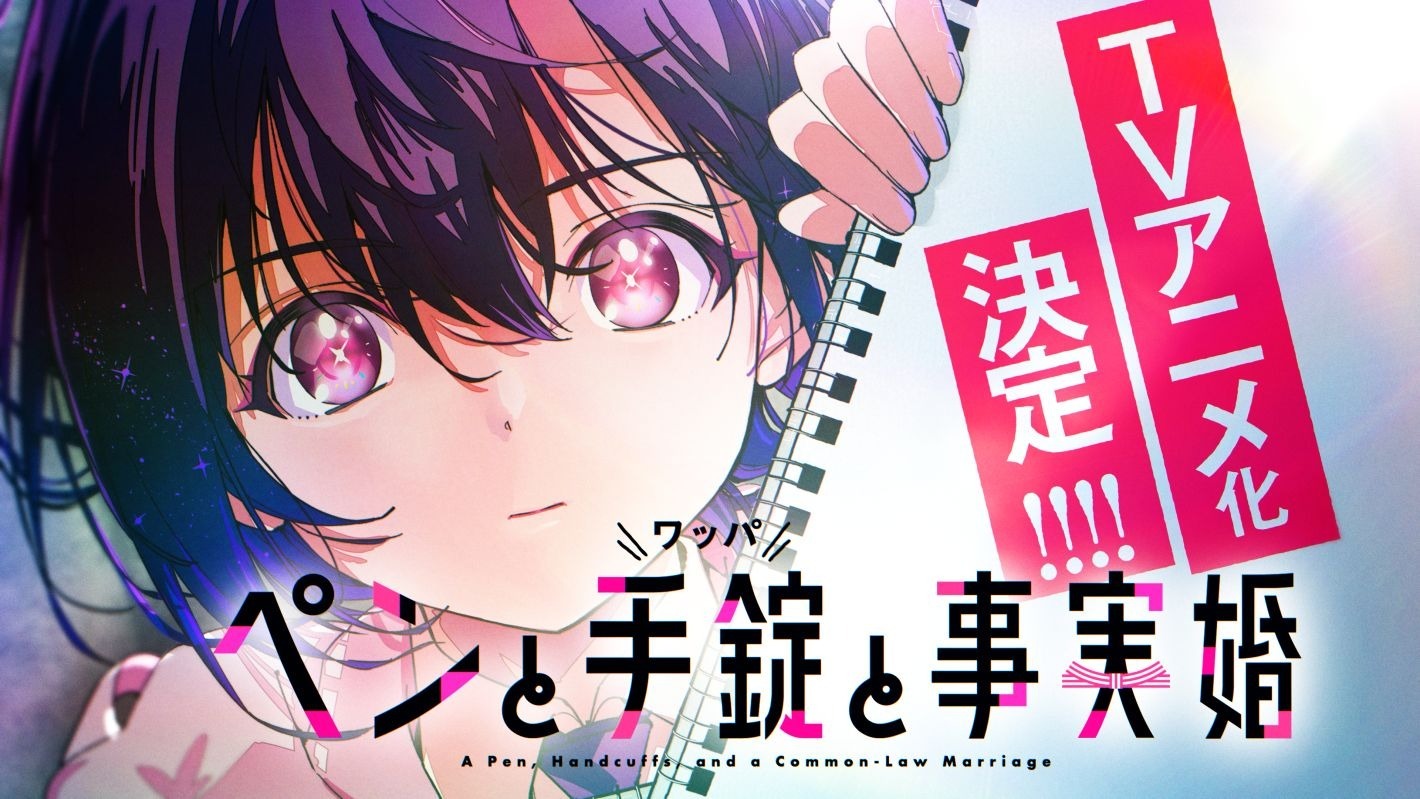
King Records’ decision to open an official website and X (formerly Twitter) account (@pentowappa_PR) serves as the formal commencement of the anime’s promotional campaign. The announcement promotional video, while largely serving as a "teaser" to establish the mood and visual fidelity of the adaptation, showcases the transition of Tank Gasuyama’s detailed character designs into animation.
While specific staff members, such as the director and series composer, have yet to be officially unveiled, the involvement of King Records ensures a certain level of production quality and marketing reach. Historically, King Records-led projects are known for high-quality musical scores and strategic tie-ins with popular voice actors, many of whom are signed to the label’s music division.
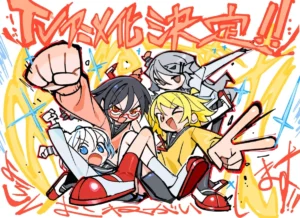
While official statements from the author, Shinichi Sawaragi, have focused on gratitude toward the readers, industry analysts infer that the adaptation is intended to capitalize on the manga’s current sales momentum. A celebratory illustration by Tank Gasuyama was released alongside the news, depicting the lead characters in a style that emphasizes the manga’s unique aesthetic—sharp, modern, and expressive despite the female lead’s lack of dialogue.
Broader Impact and Industry Implications
The announcement of Pen to Wappa to Jijitsukon comes at a time when the anime industry is increasingly looking toward unconventional seinen titles for source material. The traditional "shonen" formula of battle-centric narratives is increasingly being supplemented by "seinen" titles that explore niche professions, complex psychological states, and non-traditional relationships.
The "silent protagonist" trope, utilized here through Tsugumi, presents a unique challenge and opportunity for the animation studio. In a medium where voice acting is a primary draw, a character who communicates through drawings requires a high degree of visual storytelling and creative direction. This could lead to innovative animation techniques where the "doodles" themselves become a secondary layer of the show’s visual language, potentially setting the series apart from standard seasonal offerings.
Furthermore, the involvement of Yen Press so early in the series’ lifecycle suggests a more integrated approach to global releases. As the anime prepares for its broadcast, the availability of the manga in English allows for a synchronized marketing effort that can build a global fanbase simultaneously. This "cross-media" strategy is becoming the gold standard for mid-tier manga titles looking to elevate themselves to "AAA" status within the otaku community.
Future Outlook
As of the current announcement, a specific broadcast window for the Pen to Wappa to Jijitsukon anime has not been disclosed. However, given the publication schedule of the seventh volume in April and the release of the second English volume in September, industry observers speculate a late 2025 or early 2026 premiere.
Fans of the series and newcomers alike are encouraged to monitor the official website (pentowappa-anime.com) for upcoming reveals regarding the voice cast, animation studio, and additional trailers. With 400,000 copies in circulation and a production giant like King Records at the helm, Pen to Wappa to Jijitsukon is positioned to be one of the more intriguing adaptations in the coming year, promising a story where the truth is hidden not just in the evidence, but in the pages of a high school girl’s sketchbook.
The transition of this series to television represents more than just a standard adaptation; it is a testament to the growing appetite for stories that defy easy categorization. By blending the cold reality of criminal investigation with the warmth of an budding, albeit unusual, domestic life, Pen to Wappa to Jijitsukon seeks to capture the complexity of human connection in an increasingly disconnected world. The "handcuffs" may represent the law, but the "pen" represents the voice of a girl who has found a unique way to be heard, and soon, her story will be seen by audiences worldwide.