The literary and artistic landscape has been invigorated by the recent release of "Coffee Monsters," a collection of short stories penned by Ophelia Darkly and brought to vivid, unsettling life through the artwork of Davey Cadaver. This unique collaboration, released on April 18, 2026, delves into the macabre and the surreal, utilizing the ubiquitous beverage of coffee as a central motif for crafting nightmarish yet captivating narratives. The book, categorized under Book Reviews, has garnered significant attention for its innovative approach to horror and dark fantasy.
A Fusion of Literary and Visual Horror
"Coffee Monsters" is not merely a book; it is an immersive experience. Ophelia Darkly, an author with a demonstrated appreciation for the darker facets of human imagination, has meticulously woven tales that juxtapose the comfort and routine associated with coffee consumption against chilling, often grotesque, imagery. The collection is a testament to the power of imagination to transform the mundane into the monstrous. Each story is designed to draw the reader into a subconscious realm, a journey through dimensions both light and shadow, populated by a feverish gathering of unique and often disturbing characters.
The narrative tapestry of "Coffee Monsters" is populated by individuals such as "Wicker Wormwood," "Peter The Parasite," and "The Scarecrow King." These characters, each with their own distinct and compelling story, are central to the book’s appeal. Darkly’s prose is characterized by its descriptive prowess, effectively placing the reader directly within the unfolding events. This immersive quality is a hallmark of her writing, appealing to aficionados of literary horror who appreciate being deeply embedded within a narrative. The tales seamlessly transition between grim and gloomy undertones and more peaceful, albeit still gothic, sentiments, creating a dynamic and engaging reading experience.
Davey Cadaver’s Visual Alchemy
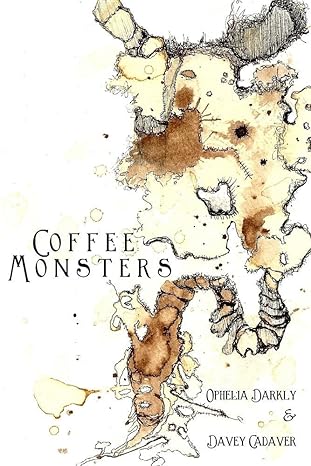
Complementing Darkly’s evocative prose is the distinctive artwork of Davey Cadaver. Cadaver’s contributions are not merely illustrations; they are integral to the narrative’s impact. He masterfully transforms what might otherwise be dismissed as mere coffee stains into tangible, often terrifying, creatures and haunting figures. This artistic interpretation imbues the pages with a visceral energy, making the coffee itself a living, breathing, and often menacing entity. The integration of these visual elements with the textual narratives creates a multi-sensory experience, amplifying the book’s unsettling charm. The effect is such that even the simple act of enjoying a cup of coffee might thereafter be accompanied by a newfound sense of wonder and apprehension.
The Genesis of "Coffee Monsters"
While specific details regarding the initial conception and development timeline of "Coffee Monsters" are not publicly detailed in the provided review, the collaboration between Ophelia Darkly and Davey Cadaver suggests a shared artistic vision. Authors and artists in the horror genre often find inspiration in shared thematic interests and a mutual understanding of aesthetic sensibilities. It is reasonable to infer that the initial concept likely arose from discussions or a mutual appreciation for the darker aspects of visual and literary expression, with coffee emerging as a fertile ground for exploration. The fusion of Darkly’s narrative prowess and Cadaver’s unique artistic style indicates a deliberate and synergistic creative process.
Thematic Resonance and Literary Significance
"Coffee Monsters" occupies a unique niche within the horror and dark fantasy genres. It taps into the universal experience of coffee consumption, a ritual for millions worldwide, and subverts it into a source of dread and wonder. This approach allows the book to resonate with a broad audience, offering a fresh perspective on familiar themes. The book’s ability to balance grim narratives with moments of gothic illusion speaks to a sophisticated understanding of horror as a genre that can encompass a wide spectrum of emotions and atmospheres.
The author’s "eminent grasp for the descriptive" is a key factor in the book’s success. This skill allows readers to visualize the macabre scenes with striking clarity, making the fantastical elements feel almost tangible. The collection’s exploration of "nightmarish imagery fleshed against serene dreamscapes" further highlights its nuanced approach to storytelling. This deliberate contrast between the unsettling and the beautiful creates a compelling tension that keeps readers engaged.
Accessibility and Authorial Presence
For those eager to explore the unsettling world of "Coffee Monsters," Ophelia Darkly maintains a visible online presence. The book can be directly ordered by contacting her via her website, OpheliaDarkly.com. Furthermore, she engages with her audience on Instagram under the handle @opheliadarkly, providing a direct channel for fans to connect with the author and stay updated on her work. This direct engagement fosters a sense of community and accessibility, allowing readers to feel more connected to the creative process and the artist’s vision.
Broader Implications and Genre Evolution
The success and critical reception of "Coffee Monsters" suggest a growing appetite for innovative and cross-disciplinary approaches to horror and dark fantasy. The seamless integration of literary and visual arts in this publication serves as a model for future collaborations. As the horror genre continues to evolve, works like "Coffee Monsters" demonstrate the potential for creators to push boundaries and explore new thematic territories. The book’s ability to blend the everyday with the extraordinary, the comforting with the terrifying, is a testament to its artistic merit and its contribution to the ongoing evolution of dark storytelling.
The "4 very talented sets of claws working on this fantastic read" – a metaphorical reference to the combined talents of Darkly and Cadaver, and potentially other unseen contributors – underscores the collaborative spirit that brought this project to fruition. This collective effort has resulted in a publication that is not only entertaining but also artistically significant.
In conclusion, "Coffee Monsters" stands as a compelling example of how creative partnerships can yield extraordinary results. Ophelia Darkly’s masterful storytelling and Davey Cadaver’s striking artwork combine to create a collection that is both terrifying and beautiful, familiar and alien. The book’s success is a testament to its unique premise, its exceptional execution, and its ability to tap into the collective imagination, offering a fresh and unforgettable experience for fans of the macabre. It is a publication that not only entertains but also inspires a deeper appreciation for the artistry that can be found in the darkest corners of our minds.