Dark House of the Mannequins Set for Summer Release, Promising a Cult Melodrama Infused with ’60s Exploitation Cinema Sensibilities

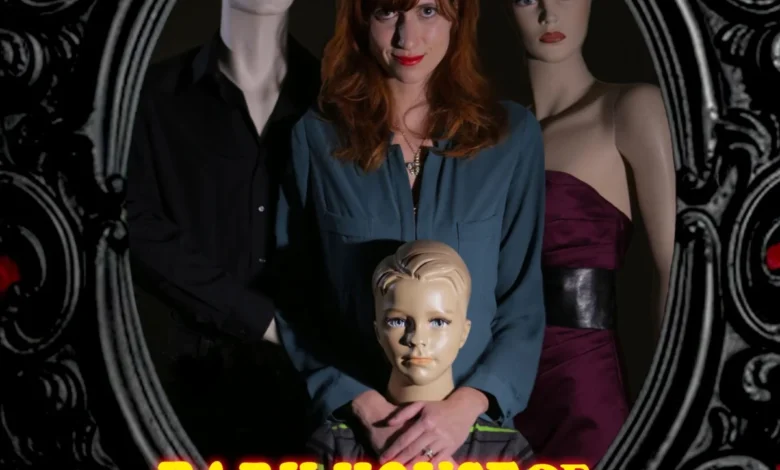
A new independent horror film, Dark House of the Mannequins, is slated for a summer release, poised to captivate audiences with its distinctive blend of cult melodrama and ’60s exploitation cinema aesthetics. Written and directed by Staci Layne Wilson, the film features Arielle Brachfeld in a central role and is set to premiere on major streaming platforms including Prime, Vudu, Tubi, and BloodstreamTV. The announcement arrives with the unveiling of the film’s official trailer and a compelling synopsis that hints at a narrative exploring the unconventional definitions of family and the dark undercurrents of domestic fantasy.
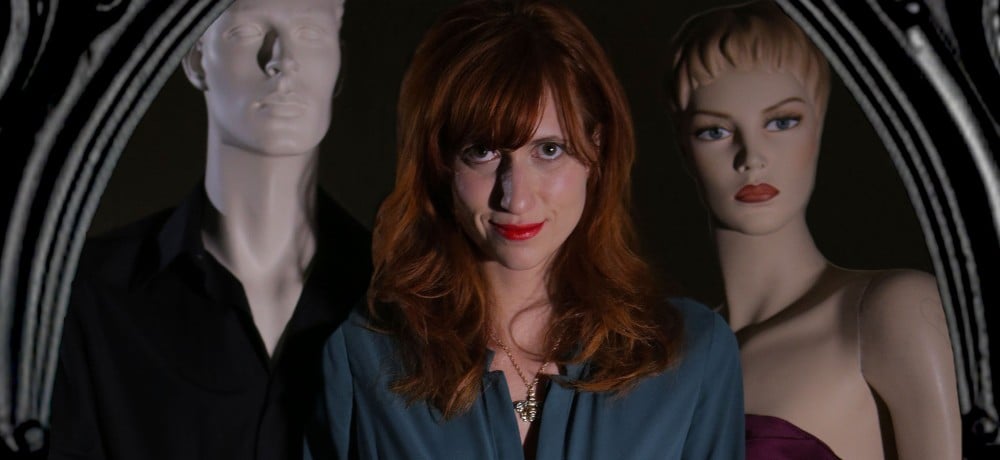
The film’s premise centers on Beatrice, portrayed by Brachfeld, a seemingly content individual whose life is characterized by devotion to her family, artistic pursuits, and a meticulously ordered home. However, this idyllic facade conceals a disquieting reality: her family is not composed of living individuals. The narrative takes a dramatic turn when Beatrice unexpectedly acquires a substantial sum of money. This windfall attracts the attention of a desperate and fractured family, who perceive themselves as having a rightful claim to Beatrice’s newfound wealth. Their opportunistic plan to infiltrate her home and seize the money, however, overlooks the elaborate and potentially sinister world Beatrice has constructed within her residence, and her fierce protectiveness of it.
The ensuing events are described as a "gore-soaked night" that pits two opposing interpretations of "family" against each other, culminating in a darkly humorous examination of which familial construct proves to be the most perilous. The filmmakers have positioned Dark House of the Mannequins as a direct descendant of the "grand tradition of ’60s exploitation cinema," a genre known for its often sensationalized, low-budget, and thematically provocative content. This classification suggests a film that embraces a deliberately stylized and heightened reality, eschewing subtle psychological horror for a more overt and audacious approach to its unsettling themes.
A Cinematic Homage to Exploitation Cinema
The artistic direction of Dark House of the Mannequins appears to draw heavily from the visual and thematic palettes of ’60s exploitation films. These productions, often characterized by their lurid advertising, sensational subject matter, and experimental filmmaking techniques, provided a platform for exploring taboo subjects and pushing the boundaries of mainstream cinema. Films from this era frequently tackled themes of rebellion, sexuality, and social commentary through a lens of heightened drama and often graphic content.
Staci Layne Wilson, as both writer and director, seems to be channeling this spirit into her contemporary work. The film’s description emphasizes an "arch, off-kilter, and gloriously committed to its own warped logic," alongside a "grindhouse soul, a camp heart, and a stylized aesthetic that owes as much to fever dreams as it does to late-night creature features." This suggests a deliberate embrace of the genre’s idiosyncrasies, aiming for a cult following rather than mass appeal. The deliberate artificiality and heightened emotional states are intended to create an atmosphere that is "genuinely unsettling," rather than relying on conventional scares.
The film’s commitment to its unique vision is further underscored by the statement, "This is not a film that winks at the audience. It stares with unblinking eyes." This implies a narrative that fully inhabits its surreal and disturbing world, demanding the audience’s immersion without offering easy outs or meta-commentary.
Arielle Brachfeld’s Pivotal Performance
Arielle Brachfeld’s performance is highlighted as a cornerstone of the film’s impact. Described as "mannequin-still and as volatile as the film itself," her portrayal of Beatrice is central to the film’s exploration of a character who exists in a space between stillness and intense emotional turmoil. Brachfeld’s ability to embody both the static nature of Beatrice’s constructed reality and the latent volatility of her psyche is crucial to the film’s thematic resonance.
The casting of Brachfeld in such a demanding and potentially abstract role speaks to the film’s artistic ambition. Independent cinema often provides fertile ground for actors to explore unconventional characters and push their performative boundaries, and Dark House of the Mannequins appears to be no exception. Her performance is likely to be a key factor in how audiences connect with Beatrice’s motivations and the disturbing logic that underpins her actions.
Thematic Exploration: Redefining "Family"
At its core, Dark House of the Mannequins delves into the multifaceted and often complex nature of family. The synopsis explicitly contrasts Beatrice’s "warmth, order, and quiet contentment" with the "fractured, desperate, decidedly unhappy" state of the family that intrudes upon her life. This juxtaposition serves as the central thematic conflict, prompting viewers to consider what constitutes a family and the lengths to which individuals will go to protect their perceived familial bonds, however unconventional they may be.
The film’s exploration of "domestic fantasy" suggests a narrative that examines the idealized versions of family life that individuals may create, and the potentially disturbing consequences when these fantasies collide with external realities or internal psychological turmoil. The presence of mannequins as a key element in Beatrice’s home further amplifies this theme, suggesting a creation of artificial companionship or a symbolic representation of her perceived family members. This artistic choice contributes to the film’s unsettling atmosphere and its commentary on isolation, creation, and the human need for connection.
Release Strategy and Audience Anticipation
The choice of streaming platforms for the release of Dark House of the Mannequins—Prime, Vudu, Tubi, and BloodstreamTV—indicates a strategic effort to reach a broad audience within the digital realm. These platforms cater to a diverse range of viewers, from those seeking mainstream entertainment to those actively searching for niche and independent productions.
The film’s positioning as a "cult melodrama" suggests that its primary audience will likely be those who appreciate unconventional storytelling, genre-bending narratives, and films that eschew mainstream sensibilities. The description of the film finding its audience "not in multiplex rows but in midnight screenings, cult collections, and the living rooms of people who have always suspected that the weirdest stories are the ones that feel, somehow, most true" reinforces this idea. This strategy is common for films that embrace a distinct artistic vision and aim to cultivate a dedicated following over time.
The anticipation for Dark House of the Mannequins is likely to be driven by its unique premise and its homage to a specific era of filmmaking. For fans of cult cinema, independent horror, and stylized narratives, the film presents a promising prospect. The trailer and synopsis offer a tantalizing glimpse into its world, hinting at a cinematic experience that is both disturbing and thought-provoking.
Background and Context: The ’60s Exploitation Cinema Landscape
To fully appreciate the aspirations of Dark House of the Mannequins, understanding the context of ’60s exploitation cinema is crucial. This era saw a surge in independent filmmaking that often operated outside the strictures of the Hollywood studio system. Directors and producers of exploitation films frequently pushed boundaries, both thematically and visually, to attract audiences who were seeking something beyond the conventional offerings of the time.
Key characteristics of this genre included:
- Sensationalism: Exploitation films often leveraged sensational topics such as sex, violence, drugs, and the supernatural to generate buzz and attract viewers.
- Low Budgets and Creative Solutions: Filmmakers frequently worked with limited financial resources, leading to inventive cinematography, editing, and storytelling techniques.
- Social Commentary (Often Subtextual): While overtly driven by titillation and shock value, many exploitation films contained underlying critiques of societal norms, authority, and cultural anxieties.
- Cult Following: Due to their often unconventional nature and daring themes, many exploitation films developed enduring cult followings, being celebrated for their unique artistic merit and their ability to provoke.
Examples of influential ’60s exploitation films include those by directors like Russ Meyer, known for his provocative and stylized approach to female characters, and Roger Corman, who produced a vast output of genre films that often served as launching pads for talent. The genre laid the groundwork for many subsequent horror and independent film movements, influencing filmmakers for decades to come.
Dark House of the Mannequins, by explicitly referencing this tradition, suggests a film that is not merely derivative but seeks to engage with the spirit and ethos of ’60s exploitation cinema in a contemporary context. This involves adapting its stylistic and thematic elements to resonate with modern audiences while retaining the genre’s inherent audacity and its focus on exploring the darker, more unconventional aspects of human experience.
The Impact of Independent Horror on Streaming Platforms
The release strategy of Dark House of the Mannequins on multiple streaming platforms is indicative of a broader trend in the distribution of independent cinema, particularly within the horror genre. Platforms like Prime Video, Vudu, and Tubi have become crucial avenues for niche films to find their audience, bypassing the traditional theatrical release model that can be challenging for smaller productions to navigate.
This accessibility allows films with unique artistic visions to reach viewers who are actively seeking out diverse and unconventional content. For audiences who may not frequent art-house cinemas or are looking for something beyond mainstream blockbusters, these streaming services offer a gateway to a wider spectrum of filmmaking. The success of independent horror films on these platforms has demonstrated a strong market for genre films that prioritize creative storytelling and distinct aesthetics over broad commercial appeal.
The presence of BloodstreamTV, a platform specifically dedicated to horror content, further signals the film’s targeted approach to reaching its intended audience. This focused distribution channel ensures that the film is presented to viewers who are already invested in the horror genre and are likely to be receptive to its particular brand of storytelling.
Future Implications and Audience Reception
The success of Dark House of the Mannequins will ultimately be measured by its ability to connect with its target audience and to establish itself as a notable entry within the cult cinema landscape. Its ambitious stylistic choices and its exploration of complex themes suggest a film that is likely to spark discussion and generate word-of-mouth buzz within the horror and independent film communities.
The film’s commitment to its "warped logic" and its unblinking gaze at unsettling subjects could lead to it becoming a polarizing but ultimately memorable viewing experience. For those who appreciate daring, unconventional filmmaking, Dark House of the Mannequins promises a journey into a uniquely crafted world, where the boundaries of family, reality, and sanity are tested with unsettling flair. The summer release is poised to deliver a cinematic experience that is both a throwback to a bygone era of filmmaking and a contemporary exploration of enduringly dark human themes.