Japan’s Video Game Rankings April 6-12 Pokémon Pokopia Maintains Top Spot While Starfield Makes PS5 Debut

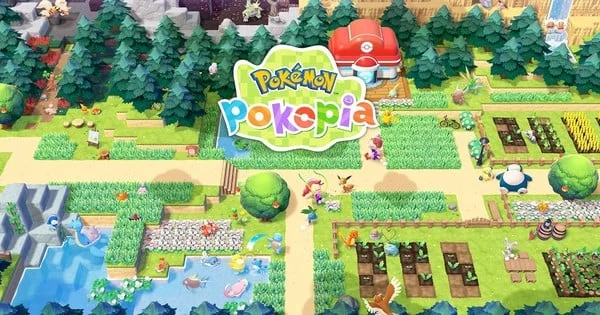
The Japanese video game market continues to show remarkable stability and a clear preference for established franchises as the latest sales data for the week of April 6 to April 12, 2026, reveals a familiar name at the pinnacle of the charts. Pokémon Pokopia, the latest flagship entry in the world-renowned monster-collecting series, has successfully defended its position as the number one selling title for the sixth consecutive week. Released on March 5, 2026, for the Nintendo Switch 2, the title has become a cornerstone of the new hardware’s software library, amassing a total of 890,909 physical units sold to date. This week alone, it moved an additional 23,738 copies, demonstrating a sustained momentum that few titles can match in the competitive Japanese retail landscape.
While Nintendo’s dominance remains the primary narrative, the week was also marked by a significant milestone for Western software. Bethesda Softworks’ epic space-faring RPG, Starfield, officially made its debut on the PlayStation 5 on April 8, 2026. Entering the charts at number three, the title sold 5,368 copies in its opening days. While this figure may appear modest compared to Nintendo’s juggernauts, the arrival of a major Microsoft-owned IP on Sony’s flagship console represents a shifting tide in the industry’s approach to platform exclusivity, particularly in the Japanese market where Western RPGs often face an uphill battle for mainstream visibility.
The Nintendo Switch 2 Transition and Software Dominance
The sales data provided by Famitsu highlights a market in the midst of a generational transition. The "NSw 2" (Nintendo Switch 2) titles are increasingly occupying the top tier of the rankings, while the original Nintendo Switch continues to maintain a robust presence through legacy titles and budget-conscious consumers.
Following closely behind Pokémon Pokopia is Mario Kart World, the successor to the record-breaking Mario Kart 8 Deluxe. Released nearly a year ago in June 2025, Mario Kart World moved 7,238 units this week, bringing its cumulative total to a staggering 2,895,712 copies. The consistent performance of this title underscores Nintendo’s ability to create "evergreen" software that drives hardware sales long after the initial launch window.
The top ten is heavily populated by Nintendo Switch 2 software, including Animal Crossing: New Horizons (a revamped version for the new hardware) at number six and Mario Tennis Fever at number nine. The latter, released in February, has crossed the 100,000-unit milestone, a respectable figure for a sports spin-off in the current climate.
Starfield and the Multi-Platform Strategy
The entry of Starfield at number three is perhaps the most discussed event of the week among industry analysts. After its initial release on Xbox and PC years prior, the PlayStation 5 port was highly anticipated by Japanese players who traditionally favor Sony and Nintendo hardware over Microsoft’s ecosystem.
The 5,368 copies sold reflect a niche but dedicated audience. Analysts suggest that the physical sales for Western titles in Japan often represent only a fraction of their total footprint, as digital adoption for mature-rated RPGs tends to be higher than for family-oriented Nintendo titles. Bethesda Softworks’ decision to bring Starfield to the PS5 suggests a strategic move to recoup development costs and maximize the IP’s value in a region where the Xbox brand has historically struggled to gain a significant foothold.
A Legacy That Refuses to Fade: The Original Switch and Retro Appeal
Despite the rise of the Nintendo Switch 2, the original Nintendo Switch remains a formidable force in the market. Minecraft, a global phenomenon that transcends hardware generations, sits comfortably at number four. Having been released on the platform in 2018, it sold another ,094 units this week, pushing its lifetime physical sales in Japan to over 4.18 million copies.
Similarly, the original version of Animal Crossing: New Horizons continues to chart at number five, with 3,831 copies sold this week. Its total sales of 8,419,664 units make it one of the best-selling pieces of entertainment software in Japanese history. The fact that it continues to outsell its own "New Horizons" successor on the Switch 2 (which sits at number six) suggests a massive install base of original Switch owners who are still discovering the title or purchasing replacements.
A surprising entry in the top ten is the "Download Card" version of Pokémon Fire Red & Leaf Green for the Nintendo Switch, ranking at number seven. Selling 2,757 units this week, this release highlights Nintendo’s successful strategy of leveraging nostalgia. By providing physical retail cards for digital legacy content, Nintendo caters to the Japanese consumer’s preference for physical collectibles while revitalizing classic titles for modern audiences.
Mid-Tier Performers and Third-Party Contributions
Beyond the top five, the rankings show a healthy diversity of genres and publishers. Pearl Abyss’s Crimson Desert maintained a presence in the top ten, ranking at number ten with 2,408 units. The South Korean-developed title has been praised for its technical prowess and has found a steady audience on the PS5, reaching a total of 42,593 copies since its March 20 release.
Capcom also maintains a double presence in the top twenty. Monster Hunter Stories 3: Twisted Reflection (NSw 2) continues to perform well at number twelve, while Resident Evil Requiem (known as Biohazard Requiem in Japan) holds the nineteenth spot. The Resident Evil series remains one of the few Japanese third-party franchises that commands significant physical sales on both Nintendo and Sony platforms.
Chronology of Major Releases and Market Impact
To understand the current state of the April 2026 charts, one must look at the release timeline that shaped this landscape:
- April 2017: Mario Kart 8 Deluxe launches, beginning a decade of dominance.
- June 2018: Minecraft arrives on Nintendo Switch, becoming a permanent fixture in the charts.
- December 2018: Super Smash Bros. Ultimate launches, eventually reaching 5.89 million copies.
- March 2020: Animal Crossing: New Horizons launches, becoming a cultural phenomenon during the global pandemic.
- April 2022: Nintendo Switch Sports launches, maintaining steady sales for four years.
- June 2025: Mario Kart World launches on NSw 2, signaling the start of the next-gen transition.
- October 2025: Pokémon Legends: Z-A launches simultaneously on both generations of hardware, achieving massive cross-gen success.
- January 2026: The updated Animal Crossing: New Horizons launches for NSw 2.
- March 5, 2026: Pokémon Pokopia launches, immediately seizing the #1 spot.
- April 8, 2026: Starfield debuts on PlayStation 5, marking a new era for Bethesda titles in Japan.
Analysis of Market Implications
The data from the week of April 6-12 suggests several key trends for the remainder of the 2026 fiscal year. First, the "Switch 2" is successfully inheriting the momentum of its predecessor. The presence of cross-generation titles like Pokémon Legends: Z-A (ranking at #13 and #14) shows that Nintendo is carefully managing the migration of its user base, ensuring that neither the 140-million-plus original Switch owners nor the early adopters of the new hardware feel neglected.
Second, the Japanese market’s appetite for physical media remains an anomaly in an increasingly digital world. While Western markets have seen a drastic shift toward digital-only sales, the consistent numbers for "Download Cards" and physical legacy titles in Japan indicate that retail presence is still a vital component of a successful software launch in the region.
Third, the entry of Starfield on PS5 indicates a more pragmatic approach to platform exclusivity. As development budgets for "AAA" titles continue to soar, publishers are finding it difficult to ignore the install bases of rival platforms. If Starfield continues to show legs in the Japanese market, it may pave the way for other formerly exclusive titles to make the jump to PlayStation or Nintendo hardware.
Future Outlook
Looking ahead, the industry will be watching to see if Pokémon Pokopia can sustain its lead as it approaches the one-million-unit milestone. With the Golden Week holiday period approaching in late April and early May—a historically high-spending period for Japanese consumers—retailers are expected to bolster their stock of Switch 2 consoles and top-tier software.
Official responses from retail chains suggest optimism. A spokesperson for a major electronics retailer in Akihabara noted, "The demand for Pokémon Pokopia has remained consistent, and we are seeing a steady stream of customers upgrading to the new Switch hardware specifically for this title. The addition of Starfield on PS5 has also brought in a different demographic of older gamers, which is healthy for the overall market."
As the hardware transition continues, the balance of power between the original Switch and its successor will be the primary metric of success for Nintendo. For now, the "Pokémon effect" remains the most powerful force in Japanese gaming, keeping the franchise at the top of the world’s most scrutinized sales chart.