Korea Cartoonists Association to Address Cyberbullying and Mental Health in Upcoming 2026 Webtoon Forum

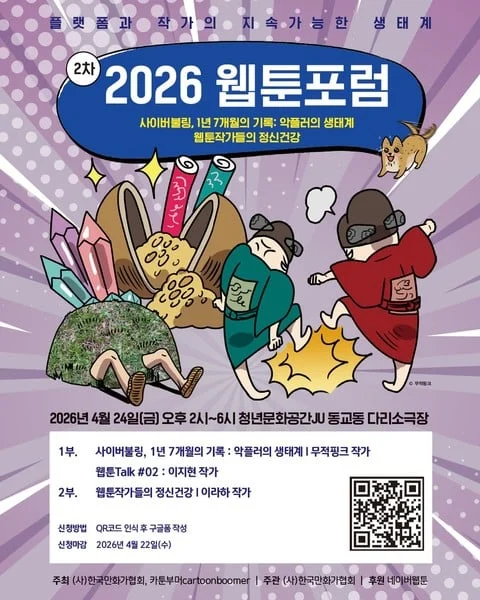
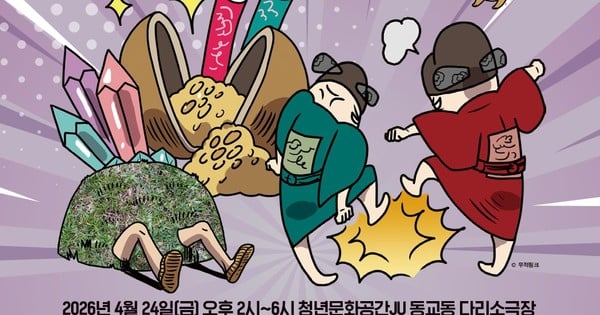
The Korea Cartoonists Association (KCA) has officially announced its second major industry forum of the year, scheduled for April 24, 2026, at the Dariso Theater in Seoul, with a primary focus on the escalating crises of cyberbullying and mental health within the creative community. As the global webtoon market continues its exponential growth, the KCA is shifting its attention toward the human cost of digital success, moving beyond technical and legal discussions to address the psychological and social well-being of the artists who drive the multi-billion dollar industry. This forum arrives at a critical juncture for the South Korean creative sector, which has recently grappled with the tragic consequences of online harassment and the systemic pressures of a high-intensity production environment.
A Strategic Shift: From Technology to Human Welfare
The upcoming April event represents a significant thematic pivot for the KCA. While the association’s first forum of 2026, held on March 13, delved into the complexities of generative artificial intelligence, copyright law, and digital creative tools, the second installment recognizes that the greatest threat to the industry may not be technological, but social and systemic. By hosting the event at the Dariso Theater, a prominent cultural venue in Seoul, the KCA aims to elevate the discourse surrounding artist welfare from a private struggle to a public, industry-wide priority.
Industry observers note that the webtoon sector has undergone a rapid transformation over the last five years. What began as a niche medium has become the foundational source material for global television hits and cinematic franchises. However, this transition has brought heightened scrutiny and unprecedented pressure on creators. The KCA’s decision to frame mental health and harassment as "broader industry issues" rather than individual failures marks a formal acknowledgment that the current webtoon production model may be reaching a breaking point.
Navigating the Digital Frontline: Super Pink on Cyberbullying
The first session of the forum will be led by the prominent webtoon creator Super Pink, the author behind the critically acclaimed series The Chat of Joseon Dynasty. Super Pink’s presentation will focus on the mechanics of cyberbullying and the specific forms of online harassment that target webtoon creators. In the digital age, the direct line of communication between artists and readers via platform comment sections and social media has become a double-edged sword. While it fosters fan engagement, it also leaves creators vulnerable to "coordinated attacks" and "brigading."
In the context of the South Korean webtoon ecosystem, malicious comments (often referred to as ak-ple) have become a systemic issue. Creators often face vitriolic criticism not only for their art or storytelling but for their personal views, social media activity, or perceived political leanings. Super Pink is expected to discuss how these digital environments can become echo chambers of negativity, where minor narrative choices lead to massive, organized campaigns for an artist’s de-platforming or professional ruin. The session will likely explore the psychological "chilling effect" this has on creativity, as artists begin to self-censor to avoid the wrath of online mobs.
The Psychological Cost of Production: Raha Lee on Mental Health
The second session will feature Raha Lee, the creator of Nurse Sheena’s Asylum Diary. Given that Lee’s work specifically deals with themes of psychiatric care and mental health, her perspective is uniquely suited to the forum’s objectives. Lee will address the pervasive mental health challenges that stem from the structural demands of the webtoon industry, including the "crunch culture" that defines modern production schedules.
Most major webtoon platforms require a weekly update cycle, often demanding 60 to 100 high-quality panels per episode. For individual creators or small studio teams, this necessitates working hours that frequently exceed 80 to 90 hours per week. This "always-on" production cycle, combined with the isolation of digital work and the constant pressure of reader rankings, has led to a surge in depression, anxiety, and physical burnout among artists. Lee’s presentation is expected to challenge the industry’s reliance on "individual resilience" and instead call for institutional changes, such as mandatory hiatus periods, standardized production timelines, and platform-funded mental health support systems.
Data and Context: The Scale of the Crisis
The KCA forum is backed by a growing body of data suggesting that the webtoon industry is facing a wellness crisis. According to a 2024-2025 survey conducted by the Korea Creative Content Agency (KOCCA), nearly 30% of webtoon writers reported experiencing symptoms of depression, while over 60% cited excessive work hours as their primary source of stress. Furthermore, a significant percentage of respondents indicated they had considered leaving the industry due to the combination of physical exhaustion and mental strain from negative feedback.
The economic stakes are equally high. The global webtoon market size was valued at approximately USD 7.13 billion in 2023 and is projected to reach USD 60 billion by 2030. South Korea remains the dominant force in this market, but industry leaders fear that a talent drain—caused by burnout and harassment—could undermine the long-term sustainability of the sector. The KCA’s focus on these issues is therefore seen as a proactive attempt to safeguard the human capital that makes the "K-Webtoon" phenomenon possible.
Chronology of the 2026 Forum Series
The April 24 event is part of a structured series of forums designed by the KCA to address the evolving landscape of digital comics.
- March 13, 2026: The inaugural forum focused on "AI and the Future of Copyright." This session addressed the anxieties of creators regarding the use of their work in training large-scale AI models and the legal protections necessary to ensure that generative tools remain an aid to, rather than a replacement for, human creativity.
- April 24, 2026: The current forum shifts to "The Human Factor," prioritizing the mental and social safety of artists.
- Upcoming (TBA): Future forums in the 2026 series are expected to cover international distribution rights, the fair distribution of profits between platforms and creators, and the diversification of webtoon IP into other media formats.
Official Responses and Industry Reactions
While platform giants like Naver Webtoon and Kakao Entertainment have not released official statements regarding the specific KCA forum, their internal policies have come under increasing scrutiny. In recent years, these platforms have introduced features such as AI-driven comment filtering and "artist protection" clauses, but critics argue these measures are largely reactive.
The KCA’s stance is that the platforms must take a more active role in policing harassment. "The responsibility of protecting the creator should not fall solely on the creator’s shoulders," a KCA representative noted in a preliminary briefing. "When a platform provides a space for public commentary, it must also provide a safe environment for the artist to exist in that space."
Creator unions and advocacy groups have expressed support for the forum’s agenda. Many are calling for the "Standard Contract for Webtoon Creators" to be updated with specific provisions for mental health breaks and legal support in cases of severe cyberbullying. The forum is expected to serve as a platform for these groups to voice their demands directly to industry stakeholders.
Broader Implications and Institutional Solutions
The KCA forum is likely to have ripple effects beyond the webtoon industry. South Korea has been at the forefront of global discussions regarding digital ethics and the regulation of online behavior. The issues faced by webtoon artists—harassment, overwork, and the mental health toll of the attention economy—are reflective of broader trends in the digital labor market.
One potential outcome of the forum is a push for legislative action. There is growing momentum in the National Assembly to strengthen laws regarding online defamation and to mandate occupational health standards for freelance digital creators, who often fall through the cracks of traditional labor laws. If the KCA can successfully demonstrate that the current model is unsustainable, it may lead to a landmark shift in how South Korea regulates its "K-Culture" industries.
Furthermore, the forum highlights the need for a cultural shift in reader behavior. The "customer-is-king" mentality that pervades many digital platforms often leads readers to believe they have a right to demand more from creators without regard for their humanity. By featuring high-profile artists like Super Pink and Raha Lee, the KCA is attempting to humanize the faces behind the digital panels, reminding the public that behind every viral webtoon is a person navigating the same mental and emotional complexities as their audience.
As the April 24 date approaches, the industry remains hopeful that the Second Webtoon Forum of 2026 will produce actionable strategies rather than mere rhetoric. The survival of the webtoon as a vibrant, creative medium may well depend on the industry’s ability to protect its most valuable asset: the artists themselves.