The global video game industry has crossed a monumental threshold with the official launch of Grand Theft Auto VI. Following a thirteen-year development cycle marked by intense speculation, high-stakes financial pressures, and agonizing delays, Rockstar Games’ latest open-world epic is now available to players worldwide. Early critical reception from major outlets describes the title as an unprecedented technical achievement and a defining cultural artifact of the modern era. Yet, as the gaming community digests the monumental release of what many considered the most anticipated title in history, attention is rapidly shifting toward the industry’s other white whale: Valve’s long-dormant Half-Life franchise. With whispers of internal projects growing louder, analysts and enthusiasts alike are beginning to ask whether Half-Life 3 could finally step into the spotlight.
The parallels between the two franchises, particularly regarding their prolonged absences from the market, are striking. Both Grand Theft Auto and Half-Life command legendary status among players, having fundamentally shaped the mechanics, narrative ambitions, and commercial viability of interactive entertainment. However, while Rockstar Games has managed to release iterative blockbusters and maintain the GTA brand through online expansions over the last decade, Valve has taken a radically different approach to hardware, digital distribution, and software development, leaving the continuation of Gordon Freeman’s story in perpetual limbo.
A Legacy of Innovation: The Historical Impact of Half-Life
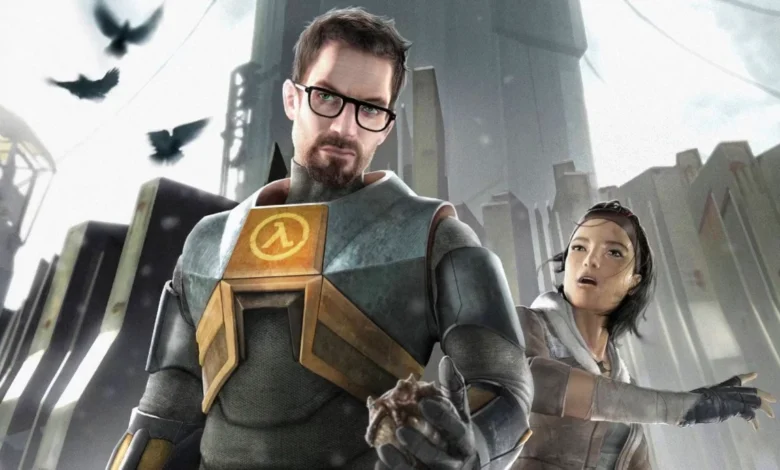
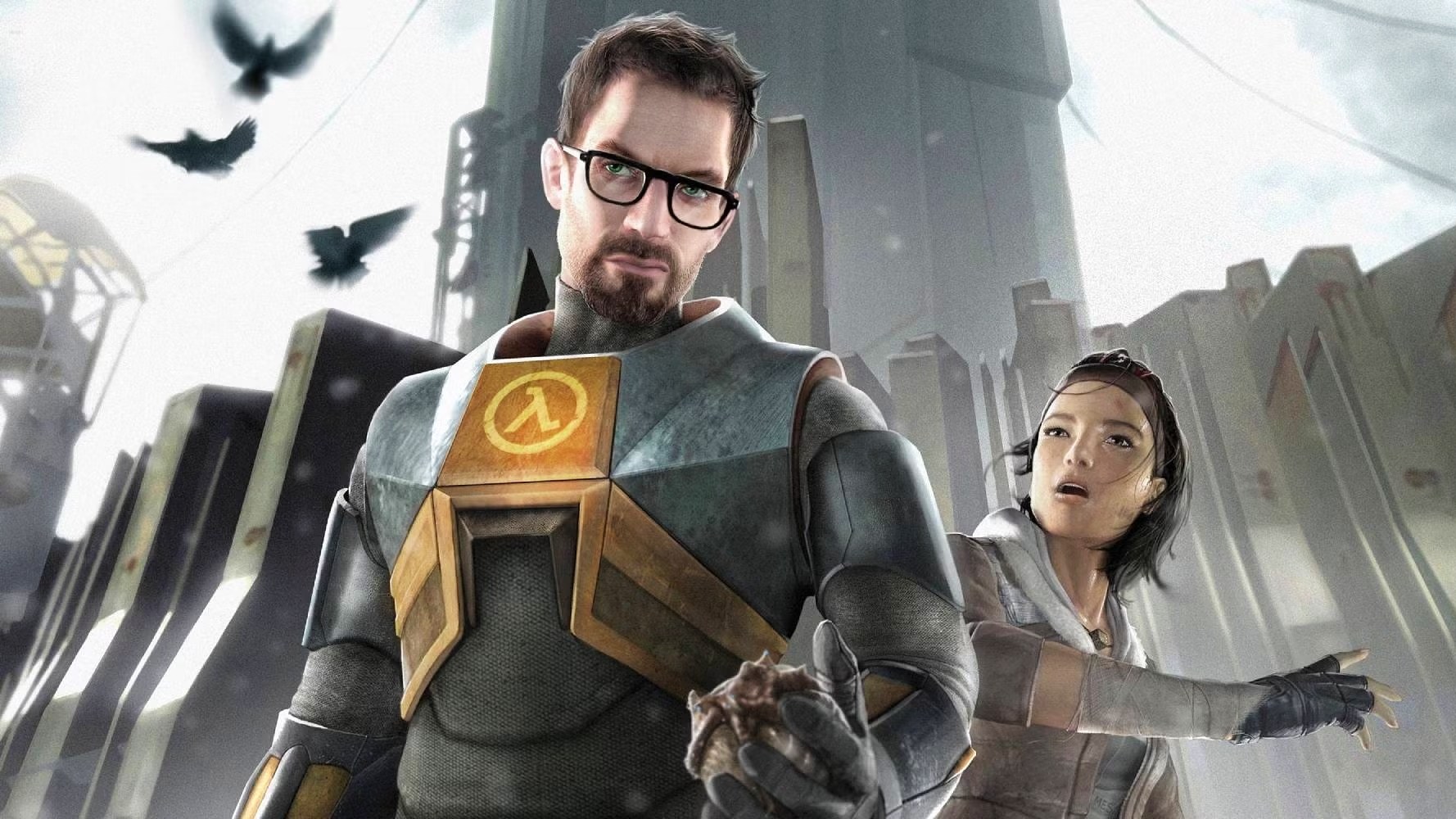
To understand why the prospect of Half-Life 3 commands such relentless fascination, one must examine the profound legacy of Valve’s seminal franchise. Released in 1998, the original Half-Life revolutionized the first-person shooter genre. Eschewing traditional level selection screens and cutscenes in favor of seamless, real-time narrative immersion, the game cast players as theoretical physicist Gordon Freeman navigating the catastrophic aftermath of a teleportation experiment at the Black Mesa Research Facility.
Beyond its cinematic storytelling, Half-Life laid the groundwork for the modern modding ecosystem. User-generated modifications of its proprietary GoldSrc engine birthed cultural phenomena such as Counter-Strike and Team Fortress, both of which would eventually become multi-billion-dollar pillars of competitive gaming under Valve’s direct ownership. The 2004 sequel, Half-Life 2, raised the bar further by introducing the Source engine, state-of-the-art physics simulations via the Havok physics engine, and a dystopian narrative that cemented Gordon Freeman as a silent, iconic protagonist for the ages.
However, the episodic release model that followed—encompassing Half-Life 2: Episode One and Half-Life 2: Episode Two—ultimately stalled. Episode Two concluded on a devastating narrative cliffhanger in 2007 with the tragic death of resistance leader Eli Vance, leaving fans waiting for a definitive resolution that would not materialize for over a decade.
The Chronology of Silence: From Development Hell to Virtual Reality
The timeline of the unreleased third installment is a cautionary tale of shifting technological standards, engine migrations, and creative divergence. In the years immediately following 2007, Valve actively explored concepts for Half-Life 3 or a concluding third episodic installment. However, internal friction mounted as the company prioritized the development of its Source 2 engine—a proprietary software architecture designed to modernize its development pipeline.
By the mid-2010s, internal momentum had largely dissipated. Key creative figures, including long-time franchise writer Marc Laidlaw, departed Valve. In a 2016 interview, Laidlaw noted his desire to step back and allow a new generation of creators to carry the torch, famously publishing an outline of his intended plot for the unproduced third episode—informally dubbed "Epistle 3"—which offered fans a bittersweet semblance of closure. For many, this moment marked the official death of the project, consigning Half-Life 3 to the realm of vaporware alongside Duke Nukem Forever and early iterations of Final Fantasy Versus XIII.
The paradigm shifted unexpectedly in 2020 with the release of Half-Life: Alyx. Developed specifically for virtual reality hardware, the prequel bridged the gap between the original game and Half-Life 2, shifting narrative perspective to ally Alyx Vance. Crucially, the game’s climactic finale fundamentally altered the franchise’s established canon. By introducing time-manipulation mechanics tied to the enigmatic antagonist known as the G-Man, Alyx successfully prevents the death of her father, Eli Vance, though she is subsequently placed in stasis. The post-credits scene reverses the tragedy of Episode Two, explicitly enlisting Gordon Freeman to take up his crowbar once more and track down the G-Man, thereby resurrecting narrative grounds for a true sequel.
Recent Leaks and Insider Disclosures
Speculation surrounding an imminent continuation has intensified significantly following a series of data leaks and inadvertent industry disclosures. In 2024, enthusiastic data miners uncovered references to an unannounced Valve project bearing the internal codename "HLX" within recent game updates and source code repositories. These files suggested a large-scale, non-VR action adventure featuring advanced environmental interaction systems, enemy behaviors, and narrative scripting reminiscent of a mainline franchise entry.
The rumors gained official-sounding credibility in October during a panel at GameSoundCon. Valve composer Mike Morasky inadvertently referenced the "HLX" project during a public presentation, sparking a firestorm across gaming forums and media outlets. While Valve has maintained its characteristic corporate silence regarding the slip, the mention has reinforced widespread industry consensus that a major, traditional single-player Half-Life experience is currently navigating advanced stages of production or prototyping within the Bellevue-based studio.
Market Implications and the Shadow of Grand Theft Auto VI
The release of Grand Theft Auto VI serves as a masterclass in modern blockbuster marketing and technical execution, setting unprecedented benchmarks for production value, consumer engagement, and financial returns. Yet, the simultaneous discussion surrounding Half-Life 3 highlights a stark contrast in development philosophies within the AAA games industry. While Rockstar operates under a publicly traded corporate mandate to deliver gargantuan, cinematic open-world sandboxes at regular intervals, Valve occupies a unique market position. As the proprietor of Steam—the dominant digital storefront for PC gaming—Valve enjoys financial security that insulates it from traditional commercial pressures, allowing its development teams to scrap projects and iterate over decades until technological innovations align with their creative vision.
Should Valve formally announce Half-Life 3 in the wake of GTA VI’s launch, the cultural impact would be seismic. Both titles represent endurance tests for their respective fanbases, having demanded patience spanning roughly thirteen years. However, whereas Grand Theft Auto VI arrives as the evolution of an established, continuously active commercial formula, a hypothetical third Half-Life would represent the resurrection of a sleeping giant—a franchise whose historical DNA underpins a vast percentage of modern game design.
As the industry processes the immediate economic and cultural shockwaves of Rockstar’s latest triumph, the broader implications for software development point toward an era of hyper-extended development cycles. Consumers and publishers alike are demonstrating a willingness to wait well over a decade for intellectual properties of this magnitude, provided the final product justifies the temporal investment. Whether Valve is ultimately prepared to satisfy the world’s highest-stakes gaming prophecy remains to be seen, but the convergence of leaked data, narrative setups, and accidental disclosures suggests that Gordon Freeman’s silent watch may finally be drawing to a close.