Netflix Announces Magic: The Gathering Animated Series Titled Planeswalker for 2027 Release

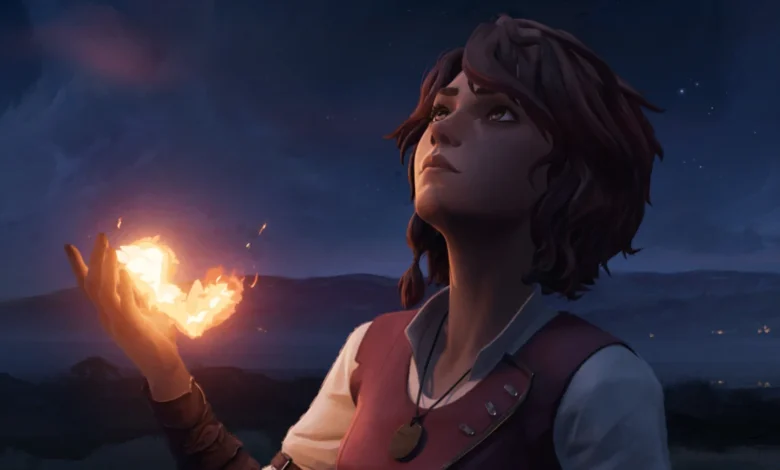
The long-standing skepticism surrounding the multi-media adaptation of Wizards of the Coast’s flagship trading card game finally met its definitive counterweight as Netflix officially unveiled its first-look footage, title, and release window for its upcoming animated project. Titled Planeswalker, the series is scheduled to debut on the streaming platform in 2027. This announcement marks a monumental shift for a franchise that, despite boasting decades of rich lore, a massive global player base, and immense commercial success since its inception in 1993, has historically struggled to successfully transition from cardboard stock to scripted television and film.
The milestone reveal took place during MagicCon Atlanta, where Netflix leveraged the enthusiasm of the fan base to address the collective doubt that has followed the adaptation since its initial announcement in 2024. Addressing skeptics head-on, the promotional video featured a direct nod to a social media comment reading, "I’ll believe it when I see it," before diving into concept art, a detailed synopsis, and confirmation of key creative personnel. The project is spearheaded by co-showrunners Terry Matalas and Cindy Appel, both recognized for their work on VisionQuest.
Narrative Focus and Character Development
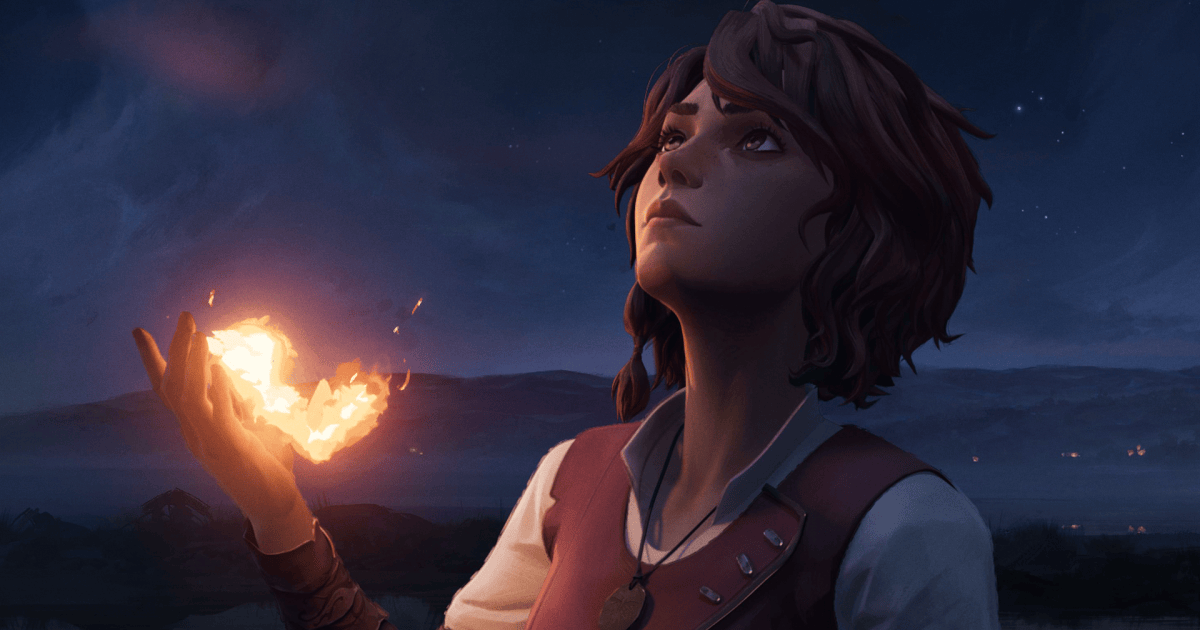
At the core of Planeswalker is Chandra Nalaar, a young, volatile pyromancer whose inclusion is expected to heavily resonate with fans of the card game’s aggressive red archetypes. According to the official synopsis released by Netflix, the narrative follows Chandra as she is hunted for her unique magical gifts while remaining haunted by her past. The storyline broadens to encompass a coalition of iconic Planeswalkers—powerful dimensional mages who represent the player avatars within the game’s expansive multiverse.
Confronted by an insidious, unnamed force, these mages must form treacherous alliances and overcome personal psychological barriers to avert a cataclysmic war. The stakes are framed on a multiversal scale, where a single spark dictates the fate of thousands of worlds. While Netflix has kept the complete roster of supporting characters largely under wraps, the initial sneak-peek footage prominently features Ajani Goldmane, the towering leonin healer and warrior, confirming that fan-favorite characters from across the multiverse will play integral roles in the narrative.
Background Context and Historical Adaptation Challenges
The journey to bring Magic: The Gathering to the screen has been fraught with prolonged development cycles and false starts. Created by mathematician Richard Garfield and published by Wizards of the Coast in 1993, the trading card game established a dense, serialized narrative distributed primarily through flavor text, web fiction, and companion novels. Despite this extensive foundation, corporate attempts to adapt the intellectual property into visual media faced repeated setbacks.
A notable prior attempt at a Netflix animated series, announced in 2019 with directors Anthony and Joe Russo initially attached, suffered from creative differences and prolonged behind-the-scenes restructuring, ultimately leaving fans uncertain whether a screen adaptation would ever materialize. Concurrently, Hasbro and Wizards of the Coast have found greater cinematic success through cousin property Dungeons & Dragons, which successfully transitioned to the silver screen with 2023’s Dungeons & Dragons: Honor Among Thieves.
The announcement of Planeswalker arrives alongside broader transmedia ambitions for the property. Alongside the Netflix animated series, a live-action Magic: The Gathering feature film is moving forward under director Matt Johnson, featuring the recently announced casting of Maya Hawke. This dual-pronged media strategy indicates a concerted corporate effort by Hasbro to elevate its premier tabletop properties into dominant multimedia franchises.
Industry Implications and Strategic Expansion
The greenlighting and active production of Planeswalker signal a strategic pivot for streaming platforms investing heavily in established gaming intellectual properties. Following the critical and commercial triumphs of adaptations like Netflix’s Arcane (based on Riot Games’ League of Legends) and Castlevania, media conglomerates have increasingly recognized the value of translating complex gaming lore into serialized prestige animation.
For Wizards of the Coast and parent company Hasbro, the stakes extend beyond simple entertainment licensing. Transmedia adaptations serve as vital customer acquisition and retention funnels, driving engagement back to physical card sets, digital platforms like Magic: The Gathering Arena, and organized play events. By centering the narrative on Planeswalkers—the literal embodiment of the players themselves—the series taps into the core psychological connection that fans have maintained with the game for over thirty years.
As production continues toward the projected 2027 premiere, the success of Planeswalker will likely dictate the velocity of future cinematic and television explorations within the expansive multiverse. For now, the initial footage has provided the foundational proof of life required to transform decades of fandom skepticism into concentrated anticipation.