The production of The Lord of the Rings: The Rings of Power has reached a pivotal juncture as the cast and creative team, including Charlie Vickers, Jamie Campbell Bower, Robert Aramayo, Cynthia Addai-Robinson, Daniel Weyman, executive producer Charlotte Brändström, and showrunner Patrick McKay, recently participated in a comprehensive discussion regarding the thematic evolution of the series. This conversation, held in the lead-up to the third season, provides significant insight into the narrative direction of J.R.R. Tolkien’s Second Age, a period characterized by political instability, the ascent of dark forces, and the intricate, often fraught interpersonal dynamics of Middle-earth’s most iconic figures. As the series moves forward, the focus shifts from the initial establishment of its expansive world to the psychological and political ramifications of the choices made by its central characters.
Narrative Arc and the Evolution of Middle-earth
The trajectory of The Rings of Power has been marked by an ambitious commitment to adapting the dense lore of the Second Age. The show serves as a prequel to the events of The Hobbit and The Lord of the Rings, focusing on the forging of the Rings of Power, the rise of the Dark Lord Sauron, and the fall of the island kingdom of Númenor.
The recent dialogue involving showrunner Patrick McKay and key cast members highlights an intentional pivot toward the "messier" aspects of character development. While the first season focused on world-building and the introduction of the primary ensembles—Elves, Dwarves, Harfoots, and the denizens of Númenor—subsequent seasons are increasingly centered on the consequences of these interactions. The inclusion of characters like Míriel (Cynthia Addai-Robinson) and Elrond (Robert Aramayo) underscores the series’ commitment to exploring the burden of leadership and the internal conflicts that arise when personal morality clashes with the demands of statecraft.
The Complexity of Sauron’s Transformation
A central topic of the discourse remains the characterization of Sauron, portrayed by Charlie Vickers. The transition of the character from the enigmatic "Halbrand" to his more overt manifestations has been a focal point for both the audience and the creative team. By humanizing the antagonist through complex psychological layering, the showrunners aim to move beyond the traditional archetype of a monochromatic villain.
The "Hot Sauron" phenomenon, a term that gained traction within the series’ fandom, reflects the character’s ability to manipulate those around him through charm and perceived vulnerability. From a narrative standpoint, this is a calculated decision to mirror the source material’s depiction of Sauron as Annatar, the "Lord of Gifts," who deceived the Elven-smiths of Eregion. By presenting Sauron as a character capable of fostering genuine (or seemingly genuine) connections, the series heightens the emotional stakes for the protagonists who are unknowingly complicit in his rise.
Chronology of Production and Development
The timeline of The Rings of Power reflects a significant investment of time and resources. Following the acquisition of the television rights by Amazon Studios in 2017 for approximately $250 million, the production of the first season became the most expensive television endeavor in history, with total costs for the initial run exceeding $465 million.
- 2017: Amazon Studios acquires the global television rights to The Lord of the Rings.
- 2019: Pre-production commences in New Zealand; key cast members are announced.
- 2022: The first season premieres on Prime Video, setting record viewership numbers for the platform.
- 2024: The second season explores the open warfare and the deepening corruption of the rings.
- 2026: Preparations for the third season emphasize character-driven narratives and the escalation of the conflict against Sauron.
This timeline demonstrates the studio’s long-term commitment to the franchise, with a multi-season plan intended to span several years of development and release. The transition into the third season signals a move toward a more concentrated, high-stakes narrative where the scattered plotlines of the initial seasons begin to converge.
Character Perspectives and Thematic Exploration
The cast’s insights offer a glimpse into the internal logic of the series. For instance, the role of Gandalf (portrayed by Daniel Weyman) has been a source of intense speculation. As the character navigates his emergence in Middle-earth, the interplay between his lack of memory and his growing sense of purpose provides a necessary counterpoint to the growing darkness of the Second Age.

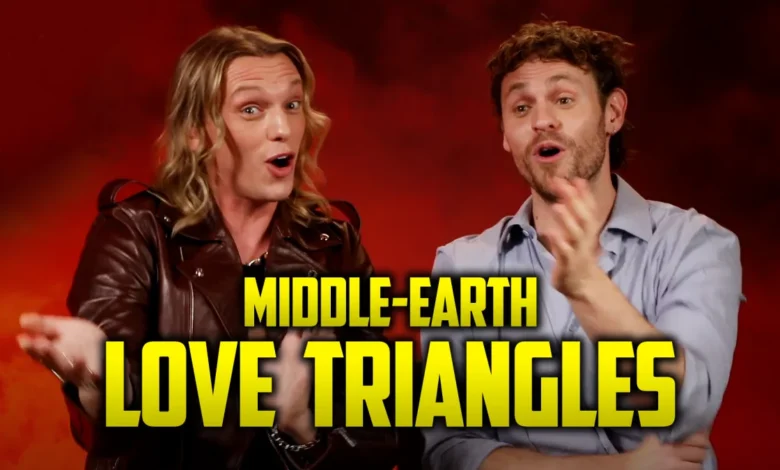
Furthermore, the inclusion of Jamie Campbell Bower (Celeborn) and other key figures suggests that the show is looking to expand its reach into the established history of the Elven realms. The "love triangles" and interpersonal frictions mentioned by the cast are not merely peripheral romantic subplots; they serve as a reflection of the fractured nature of Middle-earth’s societies. In a world where immortality and mortality often collide, the personal stakes for characters like Elrond and Míriel are magnified, leading to the "messy" relationships that define the series’ tone.
Data and Industry Impact
The Rings of Power has fundamentally changed the landscape of high-fantasy television. According to data provided by Nielsen and internal metrics from Prime Video, the show consistently maintains a high level of engagement among the 18–34 demographic, a key metric for streaming platforms. The international reach of the show, bolstered by its global release strategy, has solidified its status as a cornerstone of Amazon’s content portfolio.
However, the production has also faced intense scrutiny regarding its faithfulness to the Tolkien legendarium. The creative team’s approach—often referred to as "filling in the gaps" of the Second Age—has been both praised for its innovation and criticized for its departures from established texts like The Silmarillion. Executive producer Charlotte Brändström has frequently addressed these concerns, noting that the objective is to maintain the spirit of Tolkien’s work while adapting it for a modern visual medium.
Broader Implications for Fantasy Media
The success or failure of the third season of The Rings of Power will likely have long-lasting implications for the fantasy genre on television. As networks and streamers look to replicate the success of epic sagas, the reliance on high-budget, intellectual property-driven content remains the industry standard. The current discourse surrounding the series suggests a shifting focus toward character depth over sheer spectacle.
By allowing actors like Robert Aramayo and Cynthia Addai-Robinson to explore the nuances of their characters, the show is attempting to ground its high-fantasy elements in relatable human experience. This is a critical development, as the endurance of the Tolkien mythos is rooted in its exploration of themes such as power, corruption, and the resilience of the common person against overwhelming odds.
Official Responses and Future Outlook
While specific plot details for the third season remain under strict non-disclosure agreements, the participants in the recent discussions have emphasized that the upcoming episodes will delve deeper into the motivations of the primary antagonists. The collaboration between showrunner Patrick McKay and the production team indicates a steady hand at the helm, focused on delivering a coherent narrative arc that respects the expansive history of Middle-earth.
As the production continues, the focus will likely remain on the tension between the Elves’ desire for preservation and the rising threat of the dark forces. The evolution of the relationship between the characters, combined with the escalating threat of Sauron, positions the third season as the most consequential chapter in the series to date. Whether this narrative strategy will satisfy the diverse expectations of the franchise’s global fanbase remains to be seen, but the commitment to a sophisticated, character-centric approach appears to be the guiding principle for the road ahead.
In conclusion, the discourse surrounding The Rings of Power highlights a production that is cognizant of its own weight within the fantasy genre. By prioritizing the emotional and political complexities of its cast, the series seeks to offer a nuanced perspective on a well-trodden mythos. As the third season approaches, the focus on the "messy" reality of life in Middle-earth suggests a maturation of the show’s storytelling, promising a viewing experience that challenges as much as it entertains.