Secrets And Lies In DC Comics Absolute Universe with Absolute Superman, Absolute Catwoman and Absolute Green Lantern (Spoilers)

Recent releases within DC Comics’ expansive Absolute Universe have continued to lay bare the intricate web of deceit, trauma, and geopolitical maneuvering that defines this alternate continuity. As readers await the comprehensive chronology leading up to the rise of Bruce Wayne as Absolute Batman, a closer inspection of Absolute Superman #25, Absolute Catwoman #4, and Absolute Green Lantern #18-20 reveals profound foundational lore. These landmark issues unpack the harrowing histories of iconic characters, showcasing how decades—and in some cases, centuries—of hidden agendas shape the volatile present-day status quo of the Absolute publishing imprint.

Main Facts and Narrative Revelations
The latest batch of Absolute titles delivers significant world-building updates across multiple series, answering long-standing fan queries while introducing new layers of mystery.

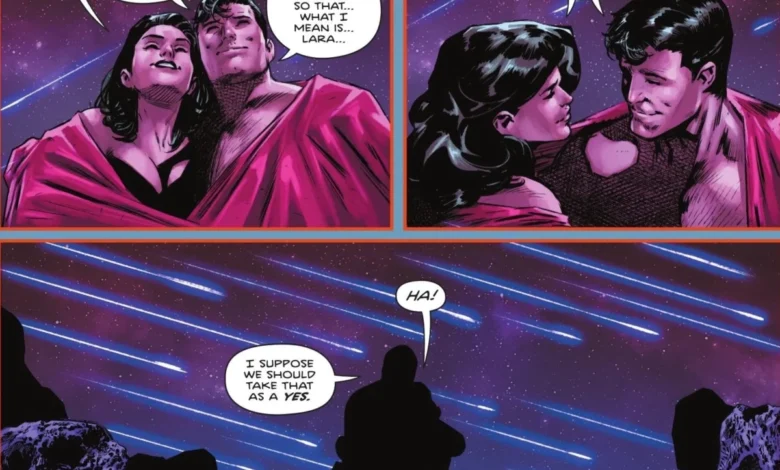
In Absolute Superman #25, written by Jason Aaron with art by Rafa Sandoval, Carmine Di Giandomenico, and Juan Ferreyra, the narrative pulls back the curtain on Kryptonian history. The issue explores the initial meeting between Jor-El and Lara-El, framing their romance against a backdrop of escalating planetary doom. More critically, the story expands on the deep-seated roots of the extraterrestrial menace Brainiac. Continuity clues confirm that Brainiac’s malicious influence and active operations within the Absolute Universe date back at least to the 1930s. This revelation reframes the timeline of cosmic threats facing Earth, proving that the entities shaping the modern era have manipulated human and alien history for nearly a century.

Simultaneously, Absolute Green Lantern #20—crafted by Al Ewing and Sid Kotian—tackles terrestrial and cosmic corruption alike. The issue highlights the machinations of Hector Hammond, who operates in this reality with a distinctively modern brand of egomaniacal self-aggrandizement, frequently misappropriating credit for innovations he never engineered. Hammond’s interactions with the billionaire island proprietor Slade (previously featured in Absolute Green Arrow) underscore the fragile alliances of the Absolute elite. Following Slade’s assassination by the elusive "Green Arrow Killer" and Hammond’s own subsequent demise—marked by a grim hanging—the fallout of their covert operations is brought to light. As investigators exhume Hammond’s legacy (while leaving his remains undisturbed), readers witness the genesis of Task Force X taking shape through these historical power struggles.

Meanwhile, Absolute Catwoman #4, helmed by Scott Snyder, Che Grayson, and Bengal, utilizes a flashback structure set seven years prior to the book’s current timeline. Detailing Selina Kyle’s incarceration in Blackgate Penitentiary—five years before her fateful return to Gotham City and her reunion with an

alternate Bruce Wayne—the issue exposes a surprising institutional connection. Selina’s time behind bars appears to have been subtly sponsored by Black Mask, the primary antagonist of the Party Animals, who served as the inaugural threat faced by Absolute Batman. This revelation tightly knits the criminal underworld of Gotham together, indicating that the trials faced by the city’s vigilantes are symptoms of a coordinated, long-term conspiracy.

Chronological Context and Background History
To fully appreciate the narrative density of the Absolute Universe, literary analysts and comic historians have begun assembling a detailed timeline of events preceding the emergence of Absolute Batman. Unlike the core DC Universe (Earth-Prime), the Absolute continuity thrives on stripped-down, high-stakes origins where traditional privileges, safety nets, and institutional safeguards are entirely absent.

- The 1930s and Extraterrestrial Incursions: Historical records within the imprint establish that Brainiac established a foothold on Earth decades earlier than previously understood, quietly manipulating geopolitical and technological trajectories.
- Kryptonian Antiquity: The courtship and eventual tragic partnership of Jor-El and Lara-El unfold against an increasingly dystopian Krypton, providing the emotional bedrock for the arrival of the last son of El.
- The Seven-Years-Ago Window: Selina Kyle’s imprisonment in Blackgate Penitentiary under the indirect purview of Black Mask establishes a half-decade breeding ground for Gotham’s modern criminal ecosystem, aligning closely with the pre-vigilante underworld.
- The Rise of Corporate and Cosmic Elites: Modern-era manipulations by figures like Hector Hammond and the late billionaire Slade demonstrate how unchecked capitalism and cosmic exploitation converged just prior to the rise of active costumed heroes.
- The Modern Catalyst: The convergence of Lois Lane’s investigative pursuits into Lex Luthor—whose psyche and empire were utterly warped following Brainiac’s assassination of his family—serves as the primary ideological catalyst pushing the Absolute Universe toward a radical new future.
Supporting Data and Creative Collaborations
The structural cohesion of the Absolute line relies heavily on coordinated storytelling across multiple creative teams. DC Comics has strategically deployed high-profile creators to anchor these alternative realities, ensuring distinct visual and thematic identities for each title.

- Absolute Superman #25: Written by Jason Aaron; Art by Rafa Sandoval, Carmine Di Giandomenico, and Juan Ferreyra. This issue stands out for its stylistic shifts, utilizing multiple artists to delineate different eras of Kryptonian history and the psychological trauma inflicted by Brainiac’s surrogate assimilation techniques—drawing thematic parallels to classic psychological trials akin to The Killing Joke.
- Absolute Green Lantern #20: Written by Al Ewing; Art by Sid Kotian. Ewing utilizes hard-hitting political and corporate satire, personified through Hammond’s hubris, to ground a cosmic book in terrestrial socio-economic anxieties.
- Absolute Catwoman #4: Written by Scott Snyder and Che Grayson; Art by Bengal. This creative convergence links the gritty street-level crime noir of Gotham’s past with the overarching metanarrative controlled by Snyder’s broader blueprint for the Absolute line.
Broader Impact and Industry Implications
The ongoing revelations within the Absolute titles carry substantial implications for the direct market and comic book fandom. By deliberately untethering these iterations from decades of traditional continuity baggage, DC Comics has created an accessible yet deeply serialized alternative universe that rewards close reading and chronological tracking.

The integration of complex socio-political commentary—such as corporate grift, institutional corruption, and generational trauma—resonates strongly with contemporary readership. Furthermore, the meticulous cross-pollination between titles like Absolute Superman, Absolute Green Arrow, Absolute Catwoman, and Absolute Green Lantern proves that the imprint is operating under a unified master plan rather than disparate, isolated storytelling. As Lois Lane confronts a radically transformed Lex Luthor, and investigators dig into the literal and figurative graves of the universe’s architects, the stage is set for a systemic paradigm shift. The Absolute Universe is actively rewriting its history to forge a harsher, more uncompromising tomorrow, ensuring that readers will continue scrutinizing every panel for hidden secrets and lies.