One Piece Marks 29th Anniversary, Reflecting on Its Unprecedented Global Impact and Shonen Jump’s Resurgence

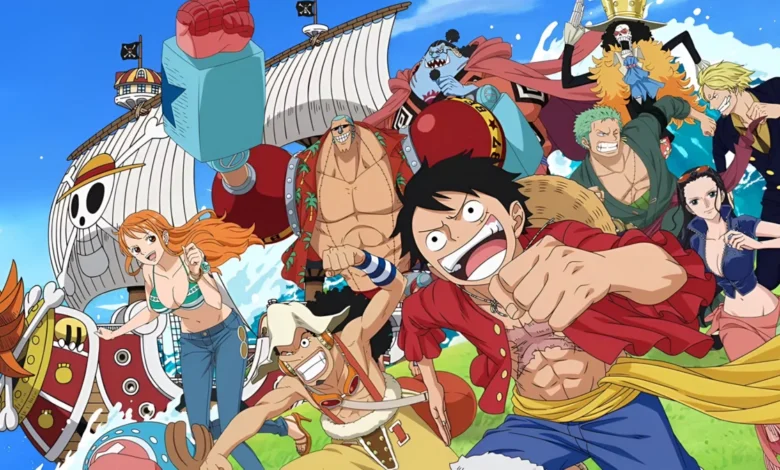
On July 22nd, 1997, Eiichiro Oda’s magnum opus, One Piece, began its serialization in the pages of Weekly Shonen Jump magazine, a date that now marks 29 years since its groundbreaking debut. As the series approaches its monumental 30th anniversary next year, the occasion prompts a reflection on its unprecedented journey from a promising new title to the best-selling manga of all time, fundamentally reshaping the landscape of the manga industry and global popular culture. With over 600 million copies in circulation worldwide, One Piece has not only achieved historic sales milestones but has also become the undeniable face of Shonen Jump, a testament to its enduring legacy and unparalleled success.
The Genesis of a Phenomenon: Rescuing Shonen Jump from "The Dark Age"
The mid-1990s represented a challenging period for Weekly Shonen Jump. Following the conclusions of monumental hits like Akira Toriyama’s Dragon Ball in 1995 and Takehiko Inoue’s Slam Dunk in 1996, the magazine experienced a significant decline in readership and cultural relevance. These two series had been the twin pillars of Shonen Jump for over a decade, consistently driving sales and defining the shonen genre for a generation. Their departure left a substantial void, leading to a period that industry insiders and fans often refer to as Shonen Jump’s "dark age." Sales plummeted from their peak of over 6 million copies per week in the early 1990s, raising concerns about the magazine’s future trajectory despite the broader revolutionary era for anime and manga fans.
It was into this uncertain environment that Eiichiro Oda, a promising young mangaka who had previously worked as an assistant to Nobuhiro Watsuki on Rurouni Kenshin, introduced his vision. Oda’s initial concept, Romance Dawn, a one-shot story featuring a pirate named Luffy, served as the precursor to One Piece. Legend has it that the manga was reportedly rejected multiple times before finally securing a serialization slot, a stark reminder that even the most impactful creations can face initial skepticism. Editors, perhaps wary after the immense success of Dragon Ball and hesitant to gamble on another high-fantasy adventure, initially underestimated the profound impact One Piece would eventually have. Yet, Oda’s persistent vision and unique storytelling convinced them, setting the stage for a revival that few could have predicted.
A Chronology of Unprecedented Success
From its modest beginnings, One Piece steadily built momentum, captivating readers with its expansive world, unique characters, and compelling narrative of freedom and adventure.
- 1997: Serialization begins in Weekly Shonen Jump.
- 1999: The anime adaptation, produced by Toei Animation, premieres, significantly expanding the series’ reach and global fanbase.
- Early 2000s: One Piece firmly establishes itself as a flagship title, quickly becoming one of the "new big three" alongside Naruto and Bleach, though it consistently outperformed its contemporaries in sales and longevity.
- 2005: The manga surpasses 100 million copies in circulation, a significant milestone solidifying its status as a major cultural force.
- 2010: Reaching 200 million copies, One Piece becomes the fastest manga to achieve this feat. The release of the "Marineford Arc" in both manga and anime is widely considered a pivotal moment, garnering immense critical and commercial acclaim.
- 2013: Circulation crosses 300 million copies, further cementing its dominance in the market.
- 2014: One Piece breaks the Guinness World Record for "Most copies published for the same comic book series by a single author," with 320,866,000 copies printed worldwide as of December 2014. This record has been continuously updated and broken by the series itself multiple times since.
- 2016: The manga reaches 400 million copies in circulation globally.
- 2022: Surpassing 500 million copies, One Piece further entrenches its position as the best-selling manga of all time.
- 2023: The highly anticipated live-action adaptation by Netflix premieres to widespread critical acclaim and commercial success, introducing the Straw Hat Pirates to an even broader global audience and breaking streaming records. This marked a significant turning point for live-action manga adaptations, often fraught with difficulty.
- 2024: Circulation exceeds 600 million copies, continuing its relentless climb and setting new benchmarks for the industry. An anime remake, promising a fresh take on the saga with modern animation techniques, is also announced, further demonstrating the franchise’s ongoing vitality.
Throughout these decades, One Piece has consistently topped sales charts, dominated cultural conversations, and set unprecedented standards for narrative depth and longevity in serialized fiction. Its impact extends beyond mere numbers, permeating various forms of media and inspiring countless creators and fans worldwide.
The Pillars of Its Enduring Legacy: Storytelling Beyond Fights
While shonen manga is often associated with intense battles and power-ups, One Piece‘s true strength lies in its profound narrative depth, intricate world-building, and exploration of complex themes. Oda has meticulously crafted an expansive world filled with diverse islands, cultures, and political systems, each with its own history and secrets. The overarching narrative, revolving around the "Void Century," the "Will of D," and the "Ancient Weapons," creates layers of mystery that have kept fans captivated for decades, fostering vibrant online communities dedicated to deciphering its lore.
The series is more than just a collection of fights; it is a sprawling epic that delves into themes of freedom, justice, oppression, prejudice, and the unbreakable bonds of friendship. Luffy’s journey is not merely about becoming the Pirate King but about liberating oppressed peoples, challenging corrupt authorities, and inspiring hope in a world riddled with injustice. Characters like Princess Vivi, Princess Shirahoshi, and countless others, initially encountered as individuals needing saving, become integral allies who admire Luffy’s unwavering spirit and ultimately join his cause, transcending the conventional hero-villain dynamic. This consistent pattern of Luffy earning the loyalty of influential figures despite his status as a pirate highlights the series’ emphasis on moral integrity and charisma over brute force.
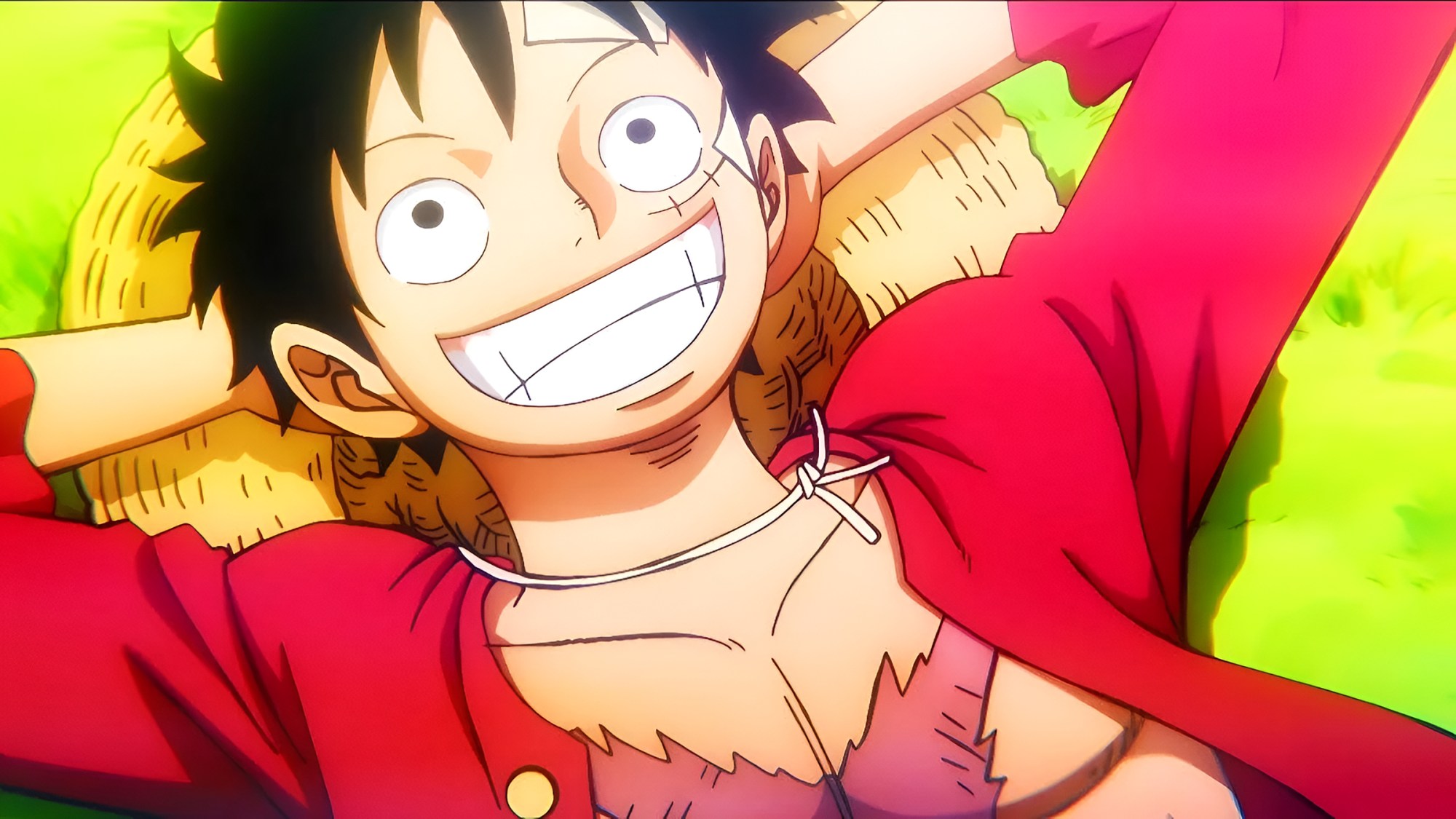
Oda’s storytelling masterclass ensures that even minor characters introduced hundreds of chapters ago often reappear with crucial roles in later arcs, demonstrating an unparalleled level of long-term planning. The emotional resonance of character backstories, often exploring themes of trauma, loss, and resilience, frequently overshadows the action sequences, drawing readers deeper into the personal stakes of the Grand Line.
Statements and Reactions: Voices from the Industry
The success of One Piece has elicited numerous reactions from various stakeholders, reflecting its profound influence:
Eiichiro Oda (Creator): While famously private and dedicated to his work, Oda has occasionally shared insights into his creative process. He has often expressed surprise and gratitude for the series’ global reception, attributing its longevity to his passion for storytelling and his commitment to delivering a fulfilling adventure. "I never imagined it would last this long or become this popular," Oda is often quoted as saying in various interviews, underscoring his humble perspective on his monumental achievement. He has also consistently reiterated his goal of concluding the story on his own terms, aiming for a satisfying finale for his dedicated fanbase. His relentless work ethic, often working over 18 hours a day with minimal breaks, is legendary in the industry and a testament to his dedication.
Shueisha/Weekly Shonen Jump Editors: The editorial team at Shonen Jump, who initially harbored reservations, now view One Piece as an irreplaceable asset. An inferred statement from a Shueisha executive might acknowledge, "Eiichiro Oda’s One Piece didn’t just fill a void; it rebuilt the foundation of Weekly Shonen Jump. Its unparalleled success allowed us to nurture new talents and maintain our position as the leading manga magazine globally. It’s not just a manga; it’s a cultural institution." They consistently highlight Luffy’s presence on magazine covers, not merely as a marketing strategy, but as a symbolic representation of the magazine’s enduring spirit and resilience.
Industry Analysts: Manga and entertainment industry analysts consistently point to One Piece as a case study in successful long-form storytelling and brand management. "Oda’s One Piece set new benchmarks for what a serialized manga could achieve, not just in terms of sales but in global brand recognition," stated one hypothetical analyst. "Its ability to consistently deliver high-quality content across decades, coupled with successful adaptations into anime, films, and most recently, live-action, demonstrates a rare mastery of cross-media synergy that few franchises can replicate." The Netflix live-action series, in particular, is seen as a game-changer, proving that complex, long-running manga can be successfully translated into Western live-action, opening doors for future adaptations.
The Broader Impact and Future Outlook
The impact of One Piece extends far beyond sales figures. It has fostered a vibrant, global community of fans who engage in discussions, theories, fan art, and cosplay. Its themes resonate with diverse audiences, inspiring debates on morality, governance, and the pursuit of dreams. The series has become a significant ambassador for Japanese pop culture, influencing new generations of creators and contributing significantly to the global appreciation of manga and anime.
As One Piece cruises towards its 30th anniversary in 2027, anticipation for future developments is at an all-time high. Major celebrations are undoubtedly being planned by Shueisha, Toei Animation, and Netflix, potentially involving new anime films, video game releases, elaborate merchandise, and large-scale fan events. With Oda having confirmed that the series is in its "Final Saga," fans worldwide are bracing themselves for the epic conclusion to Luffy’s quest for the One Piece and the ultimate revelation of the world’s deepest secrets. The stakes are higher than ever, and the narrative complexity is reaching its peak.
The success of the Netflix live-action adaptation has also set a powerful precedent, demonstrating the potential for other long-running anime and manga franchises to find new life and expanded audiences in different media formats. One Piece has proven that with respect for the source material, a dedicated creative team, and a compelling vision, even the most fantastical narratives can translate successfully.
In essence, One Piece did not just survive the "dark age" of Weekly Shonen Jump; it emerged as its brightest beacon, illuminating a path forward for the magazine and the industry at large. Its 29-year journey is a testament to the power of a singular vision, exceptional storytelling, and the enduring human desire for adventure and freedom. As it sails towards its grand finale, One Piece remains a colossal force in popular culture, its legacy firmly etched into the annals of entertainment history.