Tripwire Interactive Faces Significant Staff Reductions Amid Struggle to Replicate Historical Success

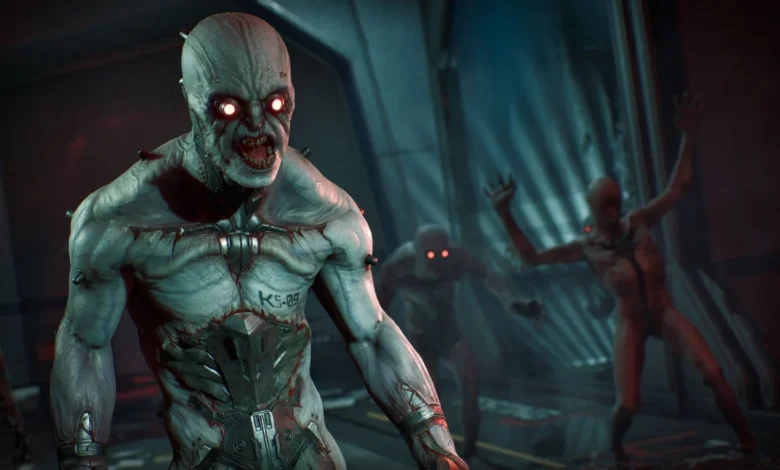
The gaming industry continues to grapple with a prolonged period of instability as Tripwire Interactive, the developer behind the long-standing Killing Floor franchise, has confirmed a workforce reduction of 36 employees. The studio, which has been a staple of the independent development scene for two decades, described the move as a difficult but necessary measure for the organization’s long-term sustainability. The layoffs come at a precarious time for the studio, which is currently navigating the tepid commercial and critical reception of its latest flagship title, Killing Floor 3.
The Scope of the Reduction
The scale of these layoffs represents a significant contraction for the Roswell, Georgia-based company. According to internal sources familiar with the matter, the reduction leaves the studio with a remaining workforce of approximately 40 to 50 employees. For an independent developer that has historically balanced both internal game production and external publishing efforts, this reduction signals a substantial shift in operational capacity.
In a formal statement disseminated via LinkedIn, the company addressed the staff departures directly: "Today we share difficult news: Tripwire has undergone a workforce reduction, affecting 36 talented people across our organization. This was certainly not an easy decision, but unfortunately a necessary one for the organization." The studio further emphasized that it remains committed to its active development pipeline, which includes the highly anticipated sequel Maneater 2, ongoing maintenance for Killing Floor 3, and various publishing initiatives under the Tripwire Presents label.
Chronology of Recent Events
The current turbulence at Tripwire follows a series of high-stakes business decisions that have defined the studio’s trajectory over the last several years:
- 2005-2016: Tripwire establishes its reputation as a powerhouse in the cooperative shooter genre with the release of the original Killing Floor and its highly successful sequel, Killing Floor 2.
- 2020: The studio releases Maneater, an action-RPG that becomes a breakout commercial and critical success, diversifying the studio’s portfolio beyond shooters.
- September 2024: Following years of speculation, Tripwire officially announces Maneater 2, signaling a return to one of its most successful intellectual properties.
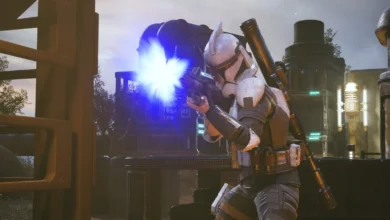
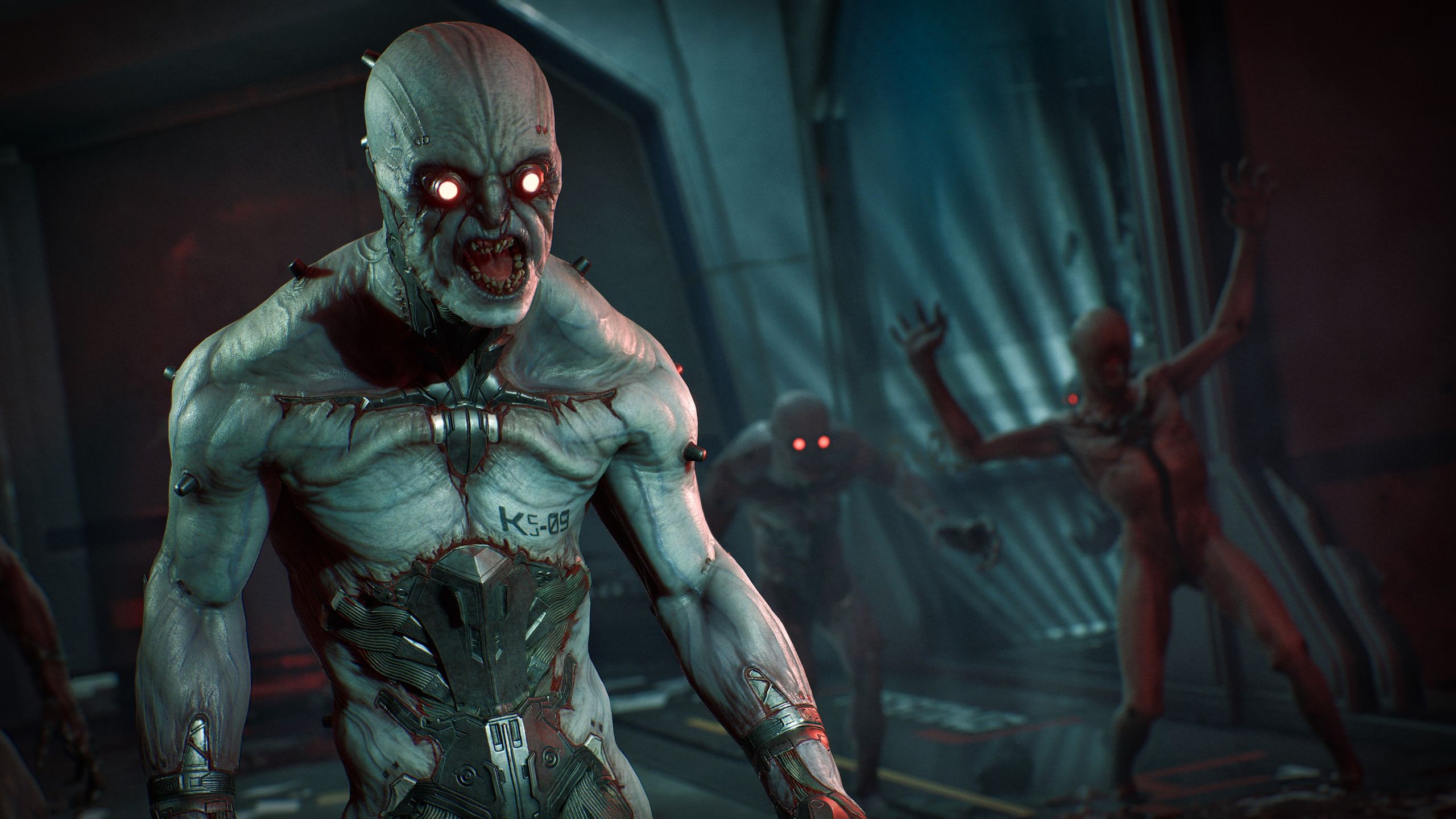
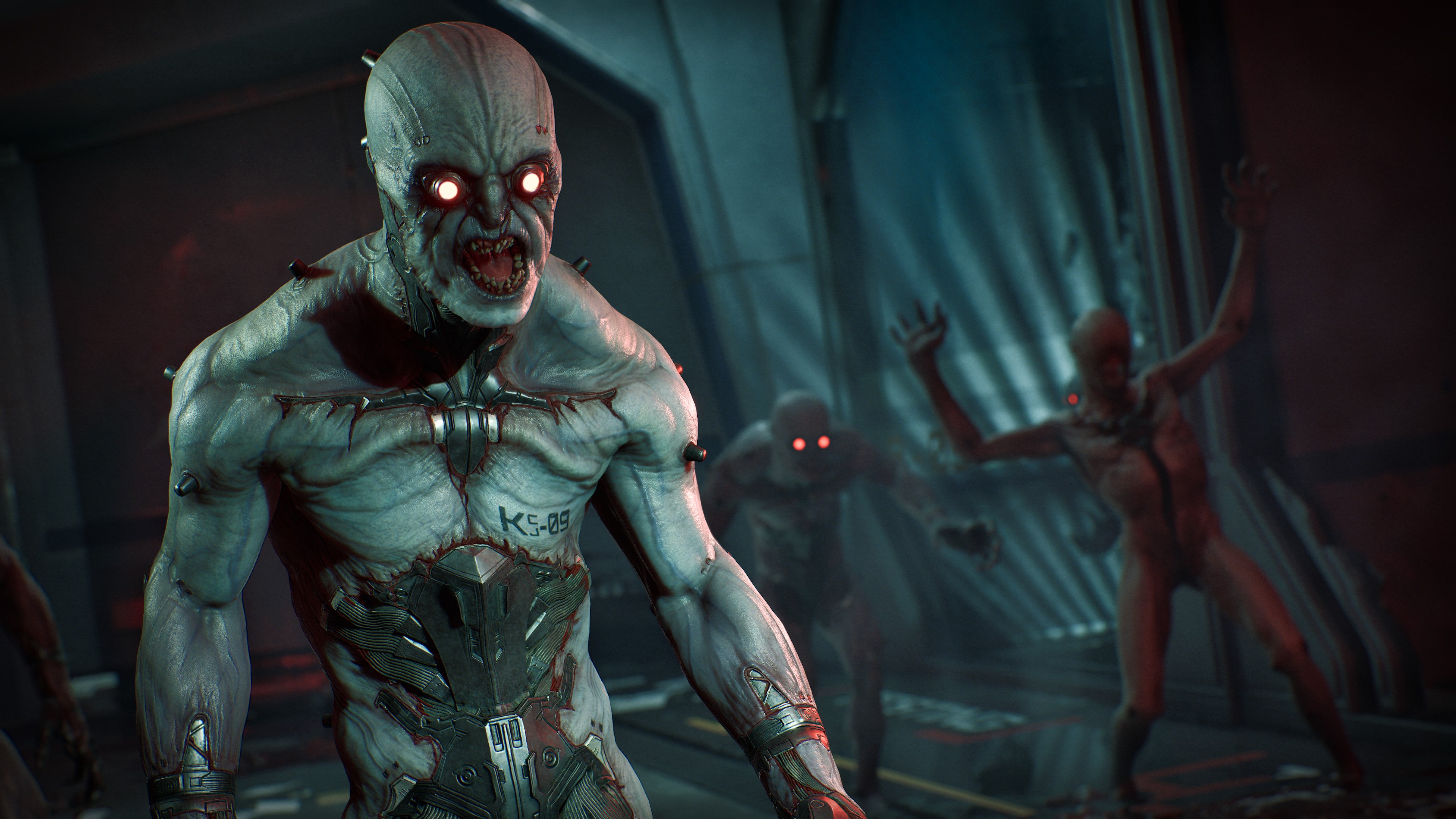
- Early 2025: The studio launches Killing Floor 3. Despite high expectations, the game faces significant headwinds, garnering "mixed" reviews on Steam and failing to capture the same player engagement levels as its predecessors.
- Late 2025: Tripwire announces an expansion of its Tripwire Presents publishing division, intended to offer support for smaller independent developers.
- Present Day: The studio announces the layoff of 36 employees, citing the need for organizational restructuring.
Market Performance and Challenges
The primary catalyst for this restructuring appears to be the underperformance of Killing Floor 3. While the franchise was once a dominant force in the "horde shooter" sub-genre, the 2025 release has struggled to resonate with modern audiences. Data from Steam suggests a stark decline in engagement; the concurrent player count for the third installment is a mere fraction of what Killing Floor 2 achieved following its 2016 release.
Market analysts suggest that the "horde shooter" space has become increasingly crowded and competitive. Where once Tripwire enjoyed a relatively uncontested position, they now compete against live-service juggernauts and modern shooters that prioritize seasonal content models and aggressive monetization. The failure of Killing Floor 3 to establish a robust long-term player base has likely put immense pressure on the company’s revenue projections, forcing the leadership to cut costs to preserve capital for ongoing projects like Maneater 2.
The Paradox of Publishing Expansion
Perhaps the most notable aspect of the recent news is the timing of the layoffs in relation to the company’s business development strategy. Less than one week before the announcement of the job cuts, Tripwire had publically detailed an ambitious expansion of its "Tripwire Presents" publishing arm.
The initiative was designed to provide "scaled publishing support" for smaller independent developers. Bryan West, the director of publishing at Tripwire, characterized the target partners as "scrappy developers" who require assistance with specific operational pillars—such as marketing, QA, or community management—rather than full-scale production funding.
The juxtaposition of expanding a service-oriented business division while simultaneously slashing the core workforce has raised questions among industry observers. Some analysts suggest that this shift reflects a move toward a leaner, more agile business model where Tripwire attempts to leverage its existing infrastructure and brand reputation to generate revenue through publishing, rather than relying exclusively on the high-risk, high-cost development of large-scale internal titles.
Industry Context: The "New Normal"
The news from Tripwire is the latest in a relentless wave of workforce reductions that have swept across the interactive entertainment industry since early 2023. Major publishers and independent studios alike have cited a variety of reasons for these layoffs, including post-pandemic market corrections, the rising costs of game development, and a shift in investor sentiment away from growth at all costs toward sustainable profitability.
In the case of Tripwire, the challenges are twofold: the pressure to maintain legacy titles and the necessity of finding a new hit in a market that has grown increasingly difficult for mid-sized studios. The "mixed" reception of their latest title highlights the difficulty of maintaining a studio’s identity while attempting to modernize gameplay for a new generation of players.
Looking Ahead
Despite the internal turmoil, the management at Tripwire maintains that the studio’s core roadmap remains intact. The commitment to supporting current players of the Killing Floor franchise suggests that the developers are not abandoning the title, even if the team responsible for that support has been significantly downsized.
For the employees remaining at the studio, the coming months will likely be defined by a focus on "doing more with less." The success of Maneater 2 will be a critical bellwether for the studio’s future. Having established the brand as a successful and unique IP, the pressure to deliver a sequel that can recapture the excitement of the original is immense.
The industry will be watching closely to see whether this restructuring will lead to a more sustainable, streamlined operation or if the loss of such a significant portion of the workforce will hamper the quality and output of future projects. As Tripwire attempts to pivot toward its new publishing-focused strategy while managing its existing portfolio, the studio serves as a poignant case study of the volatility currently facing independent game developers in the mid-market tier. The company’s ability to navigate this transition will be a testament to its resilience in an era that has proven unforgiving to even the most established veterans of the gaming world.