Jagex officially cements its partnership with Games by Malcs for the development of Melvor Idle 2 as a branded RuneScape adventure

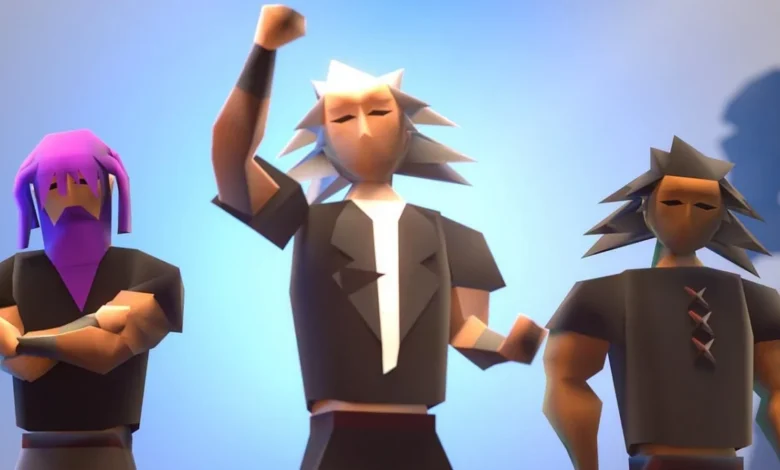
The landscape of modern gaming is often defined by complex narratives and high-fidelity graphics, yet a distinct subset of the industry thrives on the meditative, rhythmic satisfaction of incremental progression. For years, the RuneScape franchise—a titan of the MMORPG genre—has epitomized this "number-go-up" philosophy. Now, that essence is being distilled further through an expanded partnership between Jagex, the publisher behind the long-running RuneScape series, and independent developer Games by Malcs. The two entities have officially announced the production of Melvor Idle 2, a title that carries the "RuneScape Adventure" branding, signaling a deeper strategic alignment between the two studios.
This development marks a significant milestone in a collaborative relationship that began five years ago. While the original Melvor Idle was a sleeper hit that captured the hearts of RuneScape veterans by translating the MMO’s signature skill-grinding loop into a streamlined, idle-focused experience, the sequel aims to elevate the concept. By officially bringing the title under the RuneScape banner, Jagex is betting on the enduring appeal of its intellectual property while allowing a third-party developer to iterate on the mechanics that made the original a cult classic.
A Chronology of Collaboration
The journey toward this partnership began in 2019, when Games by Malcs first launched the original Melvor Idle. At the time, the game was a modest project that paid homage to the RuneScape skill system, which tasks players with leveling up various attributes through repetitive but rewarding tasks such as Woodcutting, Fishing, and Mining. The game’s design resonated with players who desired the progress associated with RuneScape without the time-intensive demands of a traditional 3D MMO.
By 2021, Jagex recognized the potential in the project and moved to publish the game. This was a notable departure for the Cambridge-based developer, which historically kept its intellectual property closely guarded. Over the subsequent years, the game received multiple content updates, including the "Throne of the Herald" expansion, which further integrated themes familiar to the RuneScape community.
In late 2024, the announcement of Melvor Idle 2 signaled a transition from a simple publishing agreement to a more integrated branding strategy. Unlike its predecessor, the sequel will be marketed explicitly as a RuneScape Adventure, despite the confirmation that the game will not take place within the established geography of Gielinor, the primary setting of Jagex’s flagship MMOs.
Core Features and Technical Evolution
According to the official statements released by Jagex and Games by Malcs, Melvor Idle 2 is not merely an incremental update but a complete overhaul of the original’s foundation. The development team has committed to a significant visual upgrade, moving away from the minimalist aesthetic of the first game toward a more refined interface that aims to maintain readability while enhancing player engagement.
One of the most requested features by the community—an increased level cap—has been confirmed. The new cap of 120 represents a substantial increase, providing veteran players with a longer runway for progression and deeper resource management loops.
Crucially, the development team has addressed a common point of contention in modern gaming: monetization. In an era where many mobile-adjacent titles rely heavily on microtransactions and "pay-to-win" mechanics, the announcement blog explicitly states that Melvor Idle 2 will feature no microtransactions. This commitment serves to preserve the integrity of the core loop, ensuring that progression remains a result of player strategy and time investment rather than financial expenditure. This stance is likely a response to historical skepticism from the RuneScape community, which has previously voiced concerns regarding Jagex’s monetization strategies within its own live-service titles.

Strategic Implications for Jagex
The decision to brand an external, idle-focused game as a "RuneScape Adventure" highlights a shift in Jagex’s growth strategy. For decades, the company’s revenue was almost entirely dependent on the subscription and membership models of RuneScape and Old School RuneScape. By diversifying its portfolio through branded spin-offs, Jagex is effectively leveraging its brand equity to capture a wider demographic—specifically those who appreciate the franchise’s mechanics but lack the time for active, real-time gameplay.
From an industry analysis perspective, this move mitigates the risks associated with developing a new, large-scale title in-house. By partnering with an established indie developer who has already proven their proficiency with the game’s engine and community, Jagex minimizes development overhead while expanding its reach into the casual and idle-game market.
Furthermore, the "RuneScape Adventure" label provides a degree of legitimacy to the project. It suggests that while the game is not a traditional MMO, it is considered a canonical part of the broader franchise experience. This creates a cross-pollination of player bases, where fans of the MMO might migrate to the idle title during their downtime, keeping them within the Jagex ecosystem even when they are away from their computers.
Community Reception and Market Context
The reception of this partnership has been largely positive, though not without the skepticism inherent in any major franchise expansion. Historically, the relationship between Jagex and its player base has been complex, characterized by deep loyalty interspersed with criticism over perceived shifts in corporate direction. When the initial partnership for the first Melvor Idle was announced, community members on platforms like Reddit expressed concern that Jagex might force unwanted monetization or intrusive systems into the game.
However, the reality of the last five years has largely assuaged those fears. Melvor Idle has maintained a reputation for being a respectful adaptation of the RuneScape experience. By maintaining the "no microtransactions" pledge for the sequel, the developers are signaling that they understand the importance of community trust.
In the broader market, Melvor Idle 2 enters a space that is increasingly crowded with "clicker" and idle RPGs. However, few of these titles possess the cultural weight of the RuneScape name. By leaning into the nostalgia and mechanical depth of a game that has existed for over two decades, Jagex and Games by Malcs have created a unique value proposition. They are not competing on high-end graphics or cinematic storytelling; they are competing on the satisfaction of long-term goal-setting and the comfort of familiar systems.
Future Outlook
As the development of Melvor Idle 2 progresses, the industry will be watching to see how Jagex manages the balance between its traditional brand identity and the independent, agile nature of Games by Malcs. The success of this project could serve as a blueprint for other legacy MMO studios looking to expand their footprint into the mobile and casual gaming markets without alienating their core, high-investment user base.
The exclusion of Gielinor as a setting is a particularly interesting design choice. It allows the developers to experiment with new lore and mechanics that might not fit within the strict confines of the established RuneScape timeline, while still utilizing the familiar skill icons, item systems, and progression logic that players find comforting. It effectively allows for a "RuneScape-lite" experience that is both accessible to newcomers and deeply familiar to long-time fans.
Ultimately, the collaboration underscores a fundamental truth about the modern gaming industry: the value of an intellectual property is not just in its world, but in its mechanics. By recognizing that the "RuneScape feel" is a product of its progression systems, Jagex has successfully empowered an independent developer to capture that magic in a new format. As players look toward the release of the sequel, the focus remains on whether the game can maintain the purity of the grind while providing the depth required to sustain a modern, long-term gaming experience. With no microtransactions and a clear commitment to the established community, the project appears to be a calculated and respectful evolution of the idle genre.
Related posts: