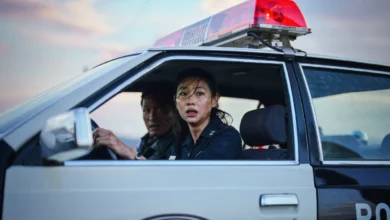
The release of Lionsgate’s creature feature Beware Boiúna marks a calculated and gritty revitalization of the nature-amok subgenre, trading the over-the-top camp of 1990s monster movies for a grounded, high-tension survival thriller. Directed by Mike P. Nelson and penned by screenwriter Alan McElroy, the 104-minute feature shifts away from lighthearted thrills to deliver a severe, atmosphere-heavy narrative set deep within the Colombian jungle.
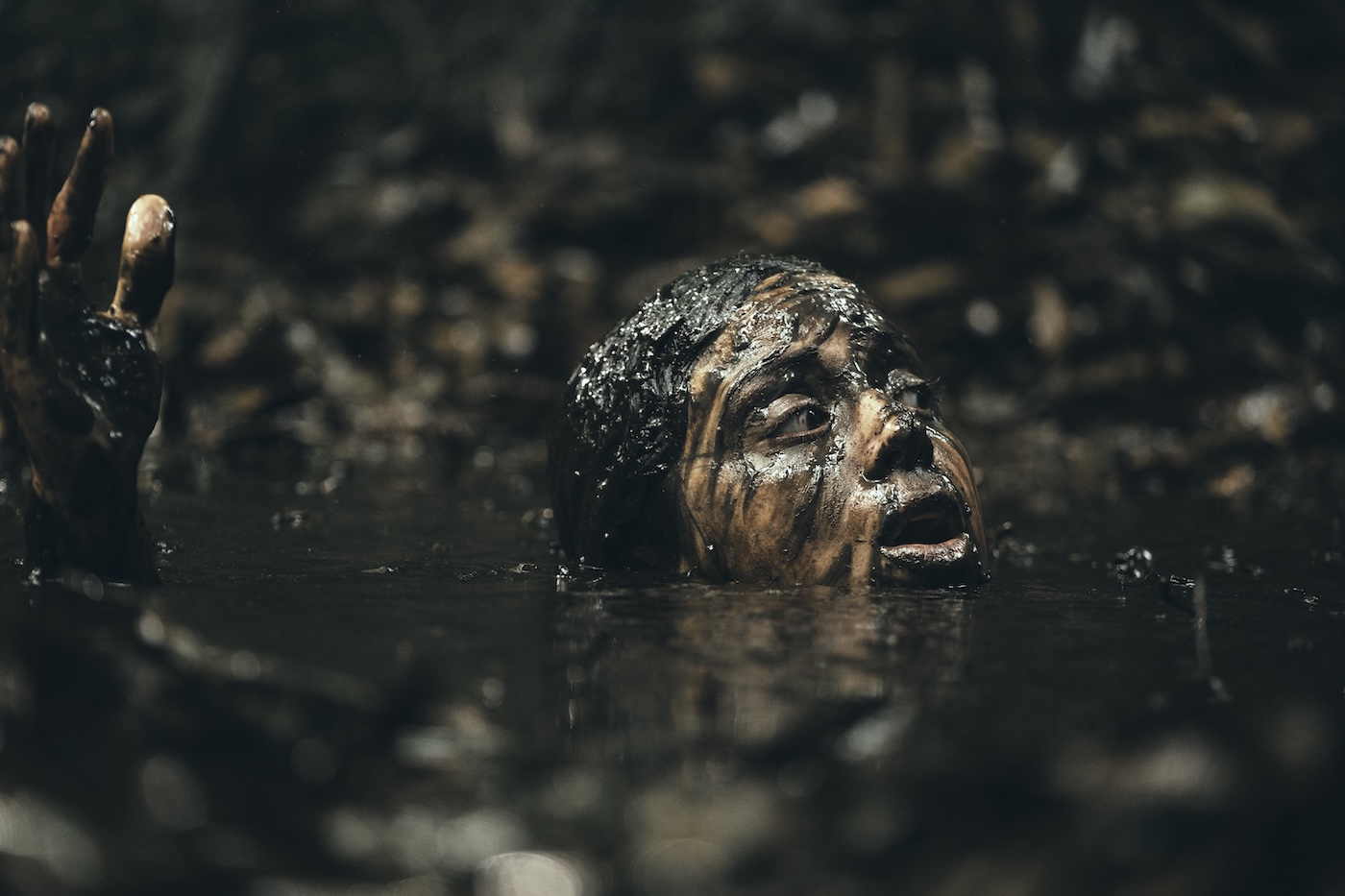
Anchored by a recognizable ensemble cast that includes Kiana Madeira, Jessica Rothe, and Logan Marshall-Green, the film adopts a serious cinematic tone. Supported by Nick Junkersfeld’s harsh, gritty cinematography and practical effects work, the production manages to sustain dramatic stakes even during the extensive runtime leading up to the full reveal of its titular titanic serpent.
Narrative Framework and Character Dynamics
Beware Boiúna opens with a found-footage prologue depicting a violent disruption at an illegal gold-mining camp in the Colombian jungle, orchestrated by a colossal serpentine entity rooted in local folklore. The narrative then shifts to the R.R. Hermes, a river vessel carrying a medical crew with humanitarian objectives intended to support indigenous communities along the riverbanks.

The ship’s complement includes leader Miguel, portrayed by Juan Pablo Shuk; zealous physician Alli, played by Jessica Rothe; and nervous doctor Callum, played by Will Close. The crew is rounded out by mechanic Lena, played by Kiana Madeira, who harbors a personal agenda to locate her missing brother, and Jaime Newball as captain Raúl.
The humanitarian mission is complicated by the intrusion of predatory colonizers led by Brennan, played by Logan Marshall-Green. Rather than relying solely on a conventional good-versus-evil dichotomy, McElroy’s script establishes a nuanced conflict. The initial escalation is driven not just by Brennan’s antagonism, but by Alli’s impetuous and ill-advised actions. This catalyst draws the characters further into the territory of the Boiúna—described by Lena as the "Mother of the Waters"—initiating a relentless cat-and-mouse dynamic across the river basin.

Production and Directional Approach
Director Mike P. Nelson, whose prior credits include genre updates such as Wrong Turn and Silent Night, Deadly Night, approaches Beware Boiúna as a spiritual successor to classic giant-snake features like Anaconda. However, Nelson departs significantly from the camp aesthetics of past blockbusters, choosing instead to emphasize environmental realism and psychological tension.
The film relies heavily on environmental dread, utilizing subtle teasers of the creature’s immense scale—such as glimpses of scaly coils shifting beneath dock boards—before deploying full-scale reveals. Special effects coordination, supervised by Nicholas Seal, blends practical gross-out elements—including jungle-insect extractions and wildlife dissections—with computer-generated imagery. While the titular serpent is predominantly visualized through rapid edits and close-up angles to maximize jump-scares, the filmmakers prioritize character-driven stakes over continuous creature exposure.

Background and Context of the Creature-Feature Subgenre
The nature-amok subgenre has experienced cyclical renaissances since the release of early cinematic explorations of animal terror. Throughout the late 20th century, films featuring oversized fauna typically balanced creature spectacle with self-aware humor. In contrast, contemporary horror productions in the 2020s have increasingly favored grounded realism, gritty environmental aesthetics, and socio-political subtexts regarding ecological exploitation.
Beware Boiúna fits directly into this modern wave of elevated creature features. By situating the horror against the backdrop of real-world environmental concerns—such as illegal mining operations, indigenous displacement, and the exploitation of South American river ecosystems—the film mirrors broader trends in horror cinema that utilize natural settings to explore human hubris. The inclusion of corporate and criminal interlopers alongside a humanitarian crew introduces thematic layers concerning resource extraction and ecological consequence.

Chronology and Pacing Analysis
The structural pacing of Beware Boiúna is defined by a slow-burn escalation that prioritizes interpersonal conflict over immediate monster attacks.
-
Phase One: Exposition and Introduction
The film opens with the found-footage prologue establishing the lethal presence of the Boiúna in an unauthorized mining encampment. This is followed by the introduction of the R.R. Hermes crew and their medical mission.
-
Phase Two: Inciting Incident
An encounter with Brennan’s crew of exploiters leads to a volatile confrontation, catalyzed by Alli’s rash decisions. This forces the Hermes crew to flee deeper into uncharted river territory. -
Phase Three: Escalation and Survival
As the characters navigate increasingly isolated waters, psychological fractures emerge within the group. The environment itself poses constant threats, highlighted by practical effects sequences involving jungle hazards.
-
Phase Four: Climax
The titular serpent makes its full-scale presence known through a series of rapid, high-tension attacks, culminating in survival trials that subvert traditional character survival tropes through unexpected narrative twists.
Critical Reception and Industry Implications
Initial critical responses to Beware Boiúna highlight its effectiveness in rejuvenating a tired subgenre through serious-minded execution. Reviewers have noted that while the extended runtime before the creature’s full reveal tests the patience of conventional monster-movie audiences, the strong performances by Madeira, Rothe, and Marshall-Green maintain narrative momentum.

The film’s performance at the box office and via streaming distribution channels is viewed by industry analysts as a bellwether for mid-budget, R-rated horror distributed by major studios like Lionsgate. By avoiding excessive reliance on CGI spectacle in favor of atmosphere, sound design, and character investment, Beware Boiúna demonstrates the commercial viability of grounded genre storytelling.
Broader Impact on Modern Horror
The release of Beware Boiúna reflects a broader industry shift toward treating traditional B-movie premises with A-list production values and serious dramatic framing. As studios continue to mine classic creature-feature catalogues for fresh intellectual property, directors like Nelson are proving that audiences respond favorably when nostalgic premises are updated with contemporary sensibilities, robust cinematography, and character-first writing.

Ultimately, the film stands as a functional example of how to modernize legacy subgenres without resorting to hollow pastiche, offering both genre enthusiasts and casual viewers a tightly wound survival narrative set against a hostile and atmospheric natural landscape.