Marvel’s Wolverine Conquers September US Video Game Sales Despite Mixed Critical Reception

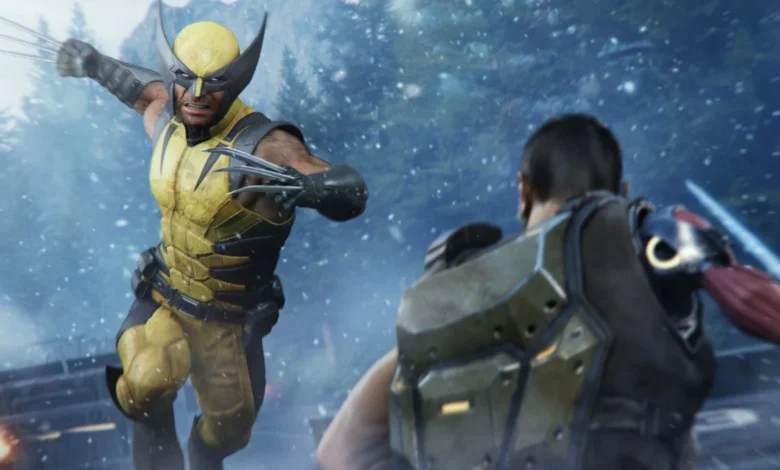
Insomniac Games and Sony Interactive Entertainment have secured a major commercial victory with the September release of Marvel’s Wolverine, which defied mixed critical reviews to capture the top spot in US video game sales for the month. According to market intelligence data released by Circana, the action-adventure title achieved this feat despite launching precisely halfway through the month, capturing consumer attention through a combination of strong physical retail sales and robust digital storefront performance.

The title’s commercial momentum underscores the enduring market appeal of Marvel intellectual properties when paired with high-profile development studios. Insomniac Games, which previously established a formidable reputation with its critically acclaimed Marvel’s Spider-Man franchise, managed to translate brand recognition into immediate consumer uptake. Industry analysts note that while critical reception across major outlets varied—citing pacing issues and narrative constraints—the general gaming public demonstrated an appetite for the visceral combat style and cinematic presentation characteristic of the developer’s output.
Circana analyst Mat Piscatella highlighted the scale of the launch, noting that Marvel’s Wolverine generated the highest launch-month dollar sales for a Sony-published title since the cross-platform phenomenon Helldivers 2 debuted in February 2024. Contextualizing these figures requires examining the structural differences between the two releases. Helldivers 2 launched simultaneously on both PC and PlayStation 5 at a budget-friendly price point of $40, facilitating a wider initial adoption funnel. In contrast, Marvel’s Wolverine launched strictly as a PlayStation 5 exclusive with a premium price tag of $70. Consequently, while Helldivers 2 likely moved a higher raw volume of individual units during its comparable window, Wolverine’s gross dollar revenue reflects a potent financial return on a more restricted hardware base.

Hardware Impact and Platform Performance
The release of Marvel’s Wolverine served as a significant catalyst for PlayStation 5 hardware adoption during September. Sony’s flagship console experienced a remarkable 43 percent year-over-year increase in dollar sales compared to the same period in the previous year. While analysts point out that recent structural price hikes implemented by Sony for the standard PS5, PS5 Pro, and PlayStation Portal naturally inflated overall dollar metrics, unit sales also grew robustly, rising 22 percent year-over-year.

Consequently, the PlayStation 5 dominated the hardware market in September, leading both unit and dollar sales across all major console ecosystems. The broader hardware landscape, however, revealed divergent trends among competing manufacturers. Nintendo’s successor platform, the Switch 2, experienced a 14 percent decline in unit sales compared to the previous year’s corresponding month. Meanwhile, Microsoft’s Xbox ecosystem encountered a more severe contraction, with unit sales dropping 27 percent year-over-year. According to Circana’s historical tracking, this downturn pushed Xbox hardware sales to their lowest point ever recorded for the month of September, eclipsing the previous low set just the year prior.
A Crowded September Release Calendar

September proved to be one of the most densely populated months of the calendar year for interactive entertainment releases, resulting in a fiercely competitive marketplace. This congestion was vividly reflected in Circana’s top-ten sales chart, which welcomed eight entirely new market entrants.
Among the high-profile debuts was The Blood of Dawnwalker, a dark fantasy action RPG that drew significant interest from core gamers, alongside Onimusha: Way of the Sword, which marked a nostalgic yet modern return for Capcom’s classic samurai action franchise. Flight simulation enthusiasts drove sales for Ace Combat 8: Wings of Theve, while Nintendo fortified its platform exclusivity strategy with Fire Emblem: Fortune’s Weave, a tactical role-playing release tethered exclusively to the Switch 2 hardware ecosystem. PC gamers received their own dedicated tentpole with the tactical shooter Wardogs.

Sports simulation juggernaut NBA 2K27 also secured a prominent position within the monthly rankings. Despite falling short of capturing the absolute top spot in September, the annual sports title pulled off a surprise market feat by overtaking Resident Evil Requiem to become the best-selling video game of 2026 thus far. Industry observers emphasize, however, that NBA 2K27’s tenure at the summit of the yearly charts is expected to be brief, given the looming arrival of Rockstar Games’ Grand Theft Auto 6 later in the autumn.
Broader Industry Implications and Future Outlook

The financial success of Marvel’s Wolverine and the intense competition witnessed throughout September set a high-stakes precedent for the remainder of the 2026 release calendar. As the industry transitions into the final fiscal quarters, publishers and platform holders are positioning their premier intellectual properties to capture discretionary consumer spending ahead of the critical holiday shopping window.
Market analysts are closely monitoring the upcoming retail data reports, anticipating that October and November will yield historic revenue figures. October marks the commercial debut of Call of Duty: Modern Warfare 4, traditionally the most reliable multi-platform sales driver in the Western market. More importantly, November will see the long-awaited global launch of Grand Theft Auto 6, an entertainment event expected to shatter existing industry sales records and fundamentally alter hardware and software consumption patterns across the globe.

In this hyper-competitive environment, Insomniac Games’ ability to launch a single-platform, full-price narrative adventure that commands the top of the sales charts demonstrates that polished AAA single-player experiences retain strong commercial viability. As Sony continues to navigate the complexities of hardware pricing strategies and shifting consumer habits, the early financial returns of Marvel’s Wolverine provide a vital pillar of support for the company’s fiscal year, validating continued investment in high-end, cinematic character-action franchises.
Related posts: