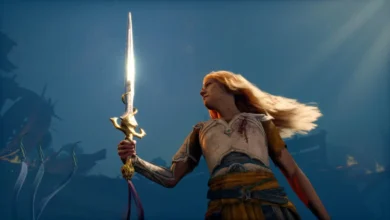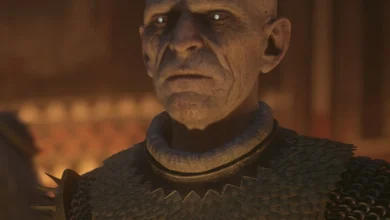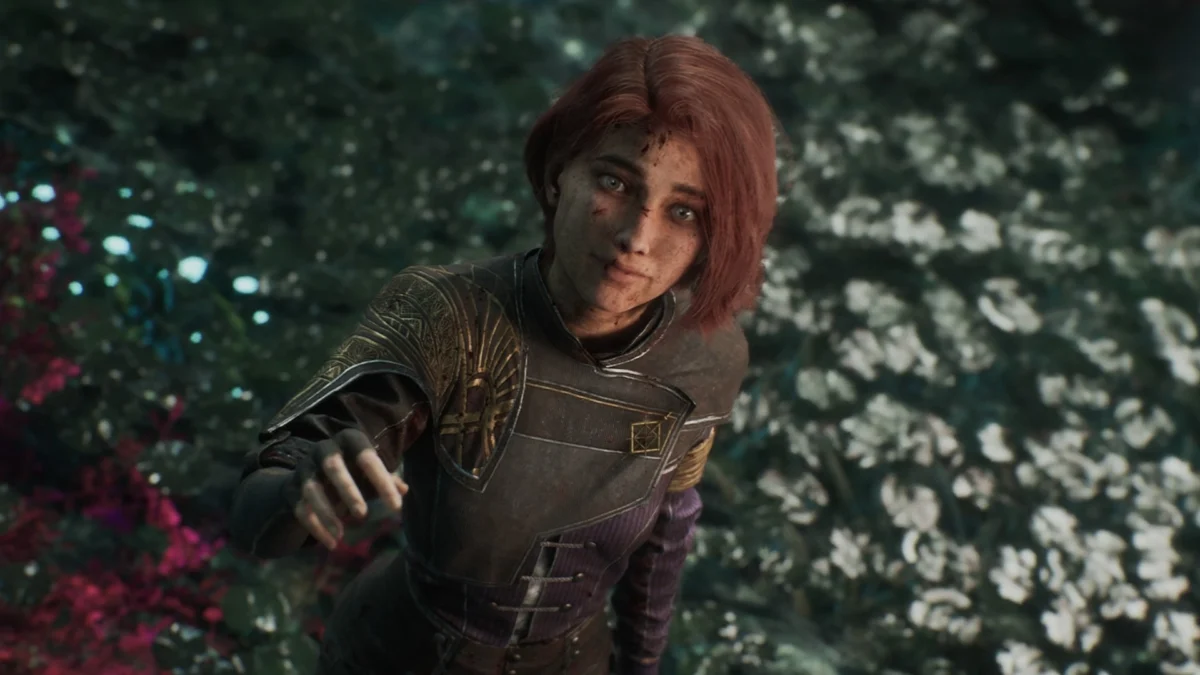
Sandfall Interactive’s turn-based role-playing epic, Clair Obscur: Expedition 33, solidified its status as a modern masterpiece by securing the prestigious Best Game title at the 2026 BAFTA Games Awards. In a ceremony that celebrated both technical innovation and narrative depth, the French development studio emerged as one of the night’s most decorated entities, taking home three awards from its staggering 12 nominations. The victory marks a significant milestone for Sandfall Interactive, highlighting the global gaming industry’s shift toward high-fidelity, turn-based experiences that blend traditional mechanics with cutting-edge visual storytelling.
The 2026 ceremony, held at the Queen Elizabeth Hall in London, saw a diverse array of titles vying for the industry’s highest honors. While Clair Obscur: Expedition 33 claimed the top prize, it shared the spotlight with AdHoc Studio’s Dispatch, which also secured three wins. Other major winners included Sucker Punch Productions’ Ghost of Yotei, which garnered two awards, and the long-anticipated Death Stranding 2, which was recognized for its artistic direction. The evening served as a testament to the health of the industry, showcasing a balance between established franchises and bold new intellectual properties.
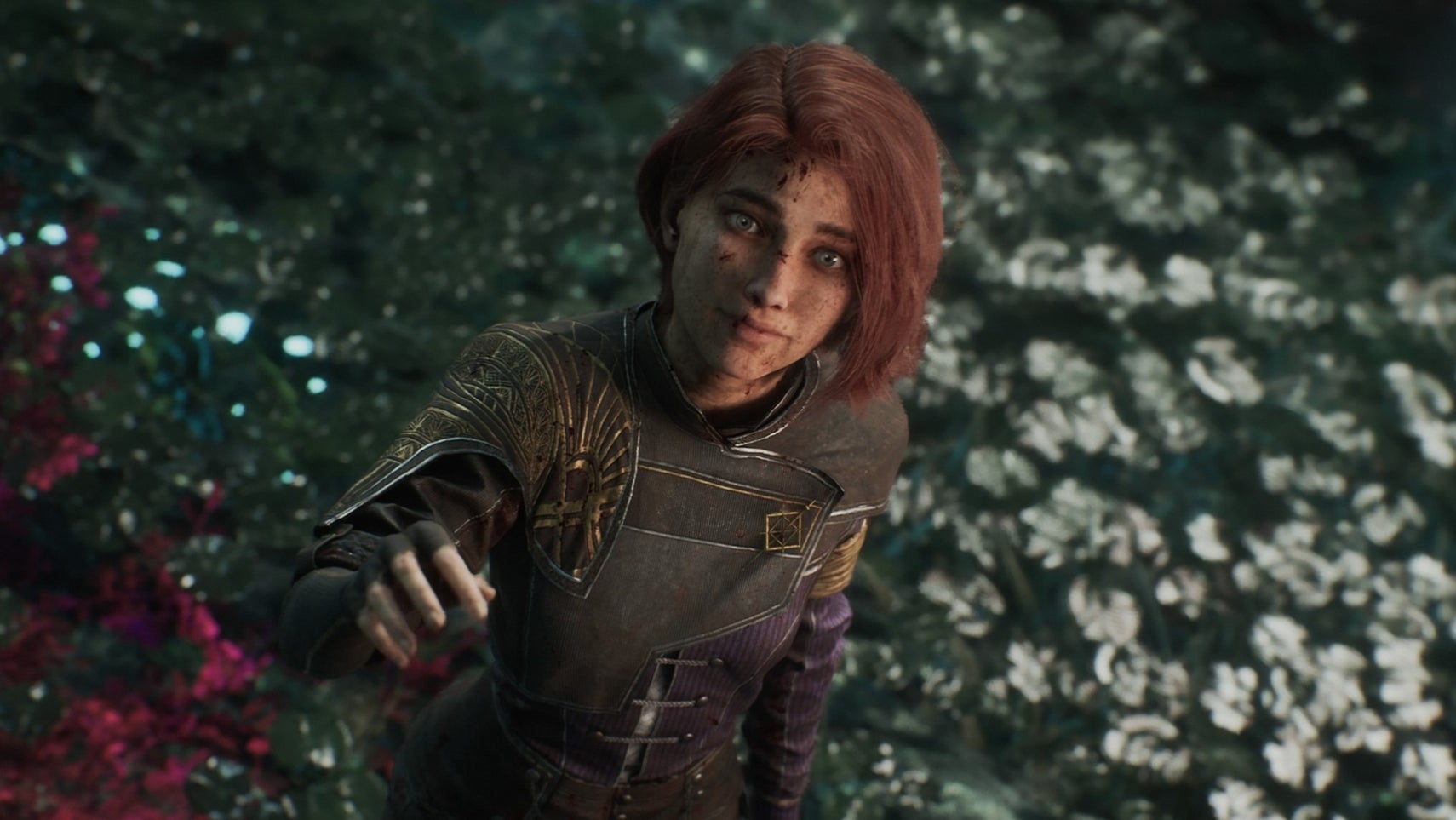
Sandfall Interactive’s Triple Victory
Clair Obscur: Expedition 33 arrived at the 2026 BAFTAs as a heavy favorite, having dominated critical discussions since its launch. The game’s victory in the Best Game category was bolstered by its success in the Debut Game and Performer in a Leading Role categories. Jennifer English, who provided the voice and performance capture for the game’s protagonist, was honored for her nuanced portrayal, marking a consecutive period of success for the actress following her previous acclaimed roles in the RPG genre.
The "Debut Game" win is particularly notable for Sandfall Interactive. As a relatively new studio based in Montpellier, France, the team’s ability to deliver a triple-A quality experience on their first outing has been compared to the rise of other major European powerhouses. Industry analysts suggest that the success of Expedition 33 will likely encourage more investment in mid-to-large-scale European RPGs, moving away from the saturation of open-world action titles that characterized the previous decade.

The Success of Dispatch and Ghost of Yotei
While Sandfall Interactive took the top honor, AdHoc Studio’s Dispatch proved to be the evening’s other major force. The game, which focuses on high-stakes communication and narrative tension, won for Animation, Audio Achievement, and Performer in a Supporting Role. The latter was awarded to Jeffery Wright, whose performance was cited by the jury for its "gravitas and emotional resonance," further bridging the gap between traditional cinema and interactive media. The triple win for Dispatch underscores the BAFTA jury’s continued appreciation for narrative-driven, experimental titles that push the boundaries of how stories are told through sound and motion.
Sucker Punch Productions also maintained its reputation for excellence with Ghost of Yotei. The sequel to the 2020 hit Ghost of Tsushima took home awards for Music and Technical Achievement. The game’s score was praised for its authentic instrumentation and atmospheric depth, while its technical win highlighted the studio’s mastery of hardware-pushing environments and lighting effects. The recognition suggests that Sucker Punch has successfully navigated the transition to a new protagonist and setting, maintaining the series’ high standards for historical immersion.

Category Highlights and Notable Winners
The 2026 awards reflected a year of significant variety across the industry. Death Stranding 2: On the Beach secured the Artistic Achievement award, a testament to Hideo Kojima’s uncompromising vision and the technical prowess of Kojima Productions. In the Narrative category, Kingdom Come Deliverance 2 was honored for its intricate historical storytelling and player agency, edging out stiff competition from more traditional fantasy epics.
The British Game category was won by Atomfall, developed by Rebellion. The title, which explores a post-apocalyptic version of Northern England, was praised for its unique "British-ness" and atmospheric world-building. Meanwhile, South of Midnight, developed by Compulsion Games, took home the award for New IP, signaling a successful launch for the Southern Gothic-inspired adventure.

Other significant winners included:
- No Man’s Sky (Evolving Game): Hello Games continued its unprecedented streak of support, winning yet another award for its constant updates and community engagement a decade after its initial release.
- Lego Party! (Family): Recognized for its accessibility and creative multiplayer modes that appeal to all ages.
- Despelote (Game Beyond Entertainment): Honored for its poignant depiction of youth, culture, and football in 1990s Ecuador, showcasing the medium’s ability to explore social and personal histories.
- Blue Prince (Game Design): A win for the intricate, puzzle-heavy architecture of its gameplay.
- Arc Raiders (Multiplayer): Acknowledged for its tight cooperative mechanics and evolving tactical landscape.
The Fellowship Award: Iikka Pannanen
The highest individual honor of the night, the BAFTA Fellowship, was bestowed upon Iikka Pannanen, the co-founder and CEO of Supercell. Pannanen was recognized for his transformative impact on the mobile gaming sector and his unique "cell-based" management philosophy, which has produced some of the world’s most played games, including Clash of Clans and Brawl Stars.

In his acceptance speech, Pannanen emphasized the importance of small, empowered teams and the need for the industry to take risks on new ideas. His recognition marks a moment of maturation for the mobile sector within the BAFTAs, acknowledging that high-engagement mobile titles are as integral to the gaming landscape as traditional console blockbusters.
Chronology of the 2026 Awards Season
The road to the 2026 BAFTA Games Awards began in early January with the longlist announcement, which featured over 60 titles across 17 categories. The official nominations were revealed in March, with Clair Obscur: Expedition 33 and Dispatch leading the pack.

The ceremony itself took place on April 2, 2026. The event followed a week of industry workshops and public "Game Beyond Entertainment" showcases held across London. Following the announcement of the winners, a post-awards gala was held, where developers from Sandfall Interactive and AdHoc Studio discussed the future of their respective franchises.
Industry Analysis and Implications
The results of the 2026 BAFTAs suggest several emerging trends in the gaming landscape. First, the dominance of Clair Obscur: Expedition 33 confirms that there is a massive appetite for high-budget, turn-based RPGs. For years, the industry had moved toward real-time action, but Sandfall Interactive’s success proves that strategic depth combined with cinematic presentation can achieve both critical and commercial success.

Secondly, the "Evolving Game" win for No Man’s Sky highlights a shift in how the industry views the longevity of a product. In 2026, the distinction between a "new release" and a "live service" has blurred, with the BAFTAs increasingly rewarding developers who maintain a long-term commitment to their player base.
Finally, the success of New IP like South of Midnight and Blue Prince offers a counter-narrative to the idea that the industry is solely reliant on sequels and remakes. While Ghost of Yotei and Death Stranding 2 performed well, the breadth of awards given to original concepts indicates a healthy ecosystem where innovation is still highly valued by peers and critics alike.

Broader Impact on the Global Market
The recognition of a French studio for the top prize also underscores the decentralized nature of modern game development. With Sandfall Interactive (France), AdHoc Studio (USA), and Rebellion (UK) all taking home major awards, the 2026 BAFTAs reflected a truly global industry.
As the industry looks toward 2027, the 2026 winners will likely serve as blueprints for upcoming projects. The emphasis on high-quality performance capture, as seen in Jennifer English’s win, and the focus on unique audio landscapes, as seen in Dispatch, set new benchmarks for immersive storytelling. For Sandfall Interactive, the Best Game win is more than just a trophy; it is a validation of their ambitious "Expedition" and a clear sign that they are now among the elite circle of world-class developers.

The 2026 BAFTA Games Awards have once again demonstrated that the medium is in a state of constant evolution, balancing the comfort of established franchises with the thrill of new, experimental voices. As the curtain closes on this year’s ceremony, the focus shifts to how these winners will influence the next generation of interactive entertainment.
Related posts: