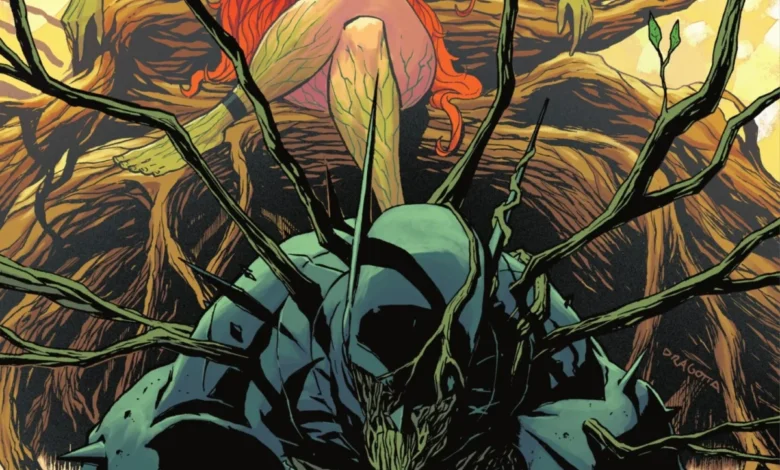
The Emergence of the Green Catastrophe
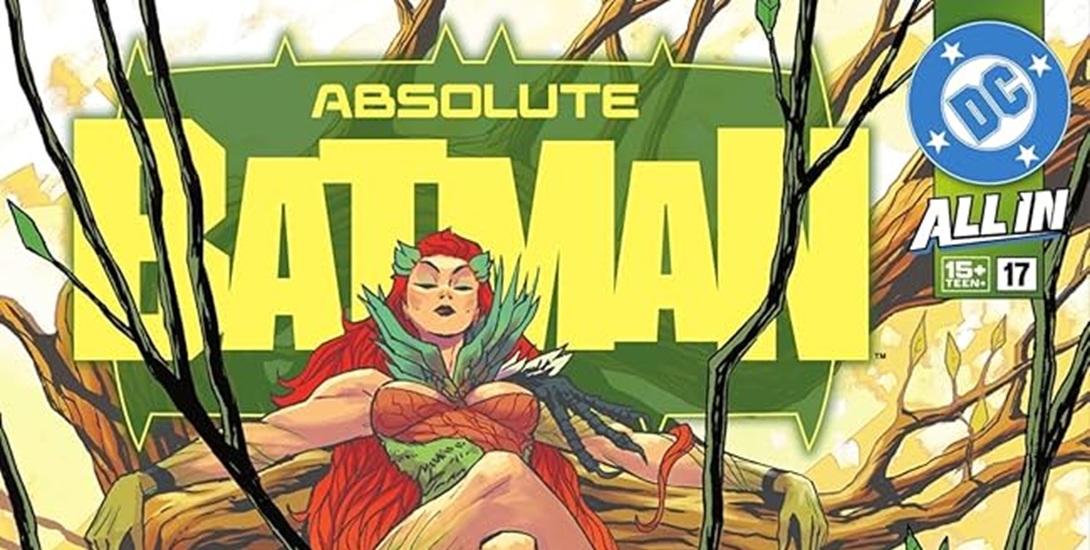
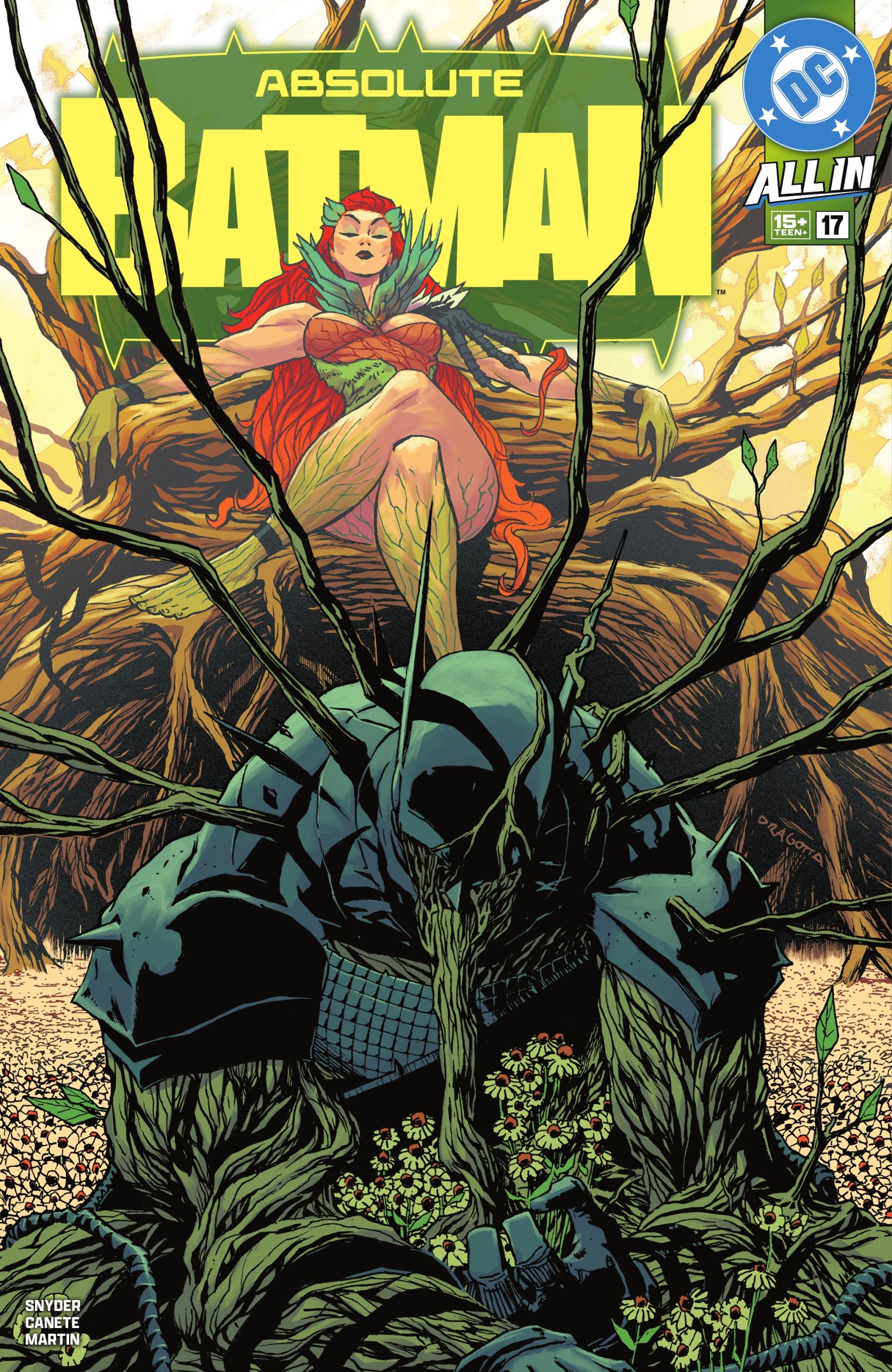
The core conflict of the seventeenth issue centers on the sudden transformation of Gotham City’s central district into a dense, predatory forest. This is not merely an act of environmental reclamation; it is a weaponized manifestation of the power wielded by Dr. Pamela Isley. According to the internal timeline of the Absolute Universe, this event follows a period of mounting tension regarding Gotham’s infrastructure and the failure of traditional law enforcement to contain the city’s shifting criminal landscape.
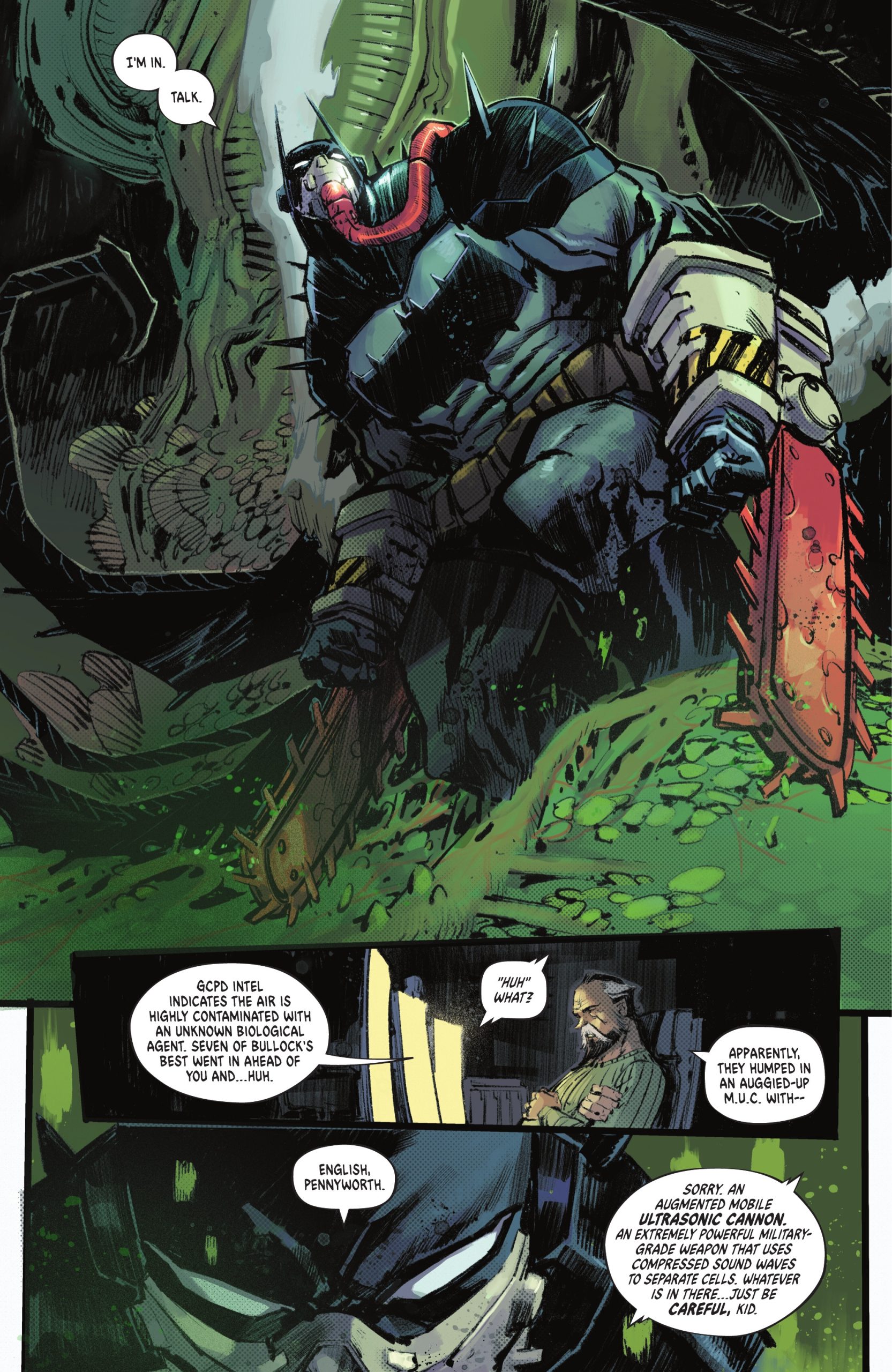
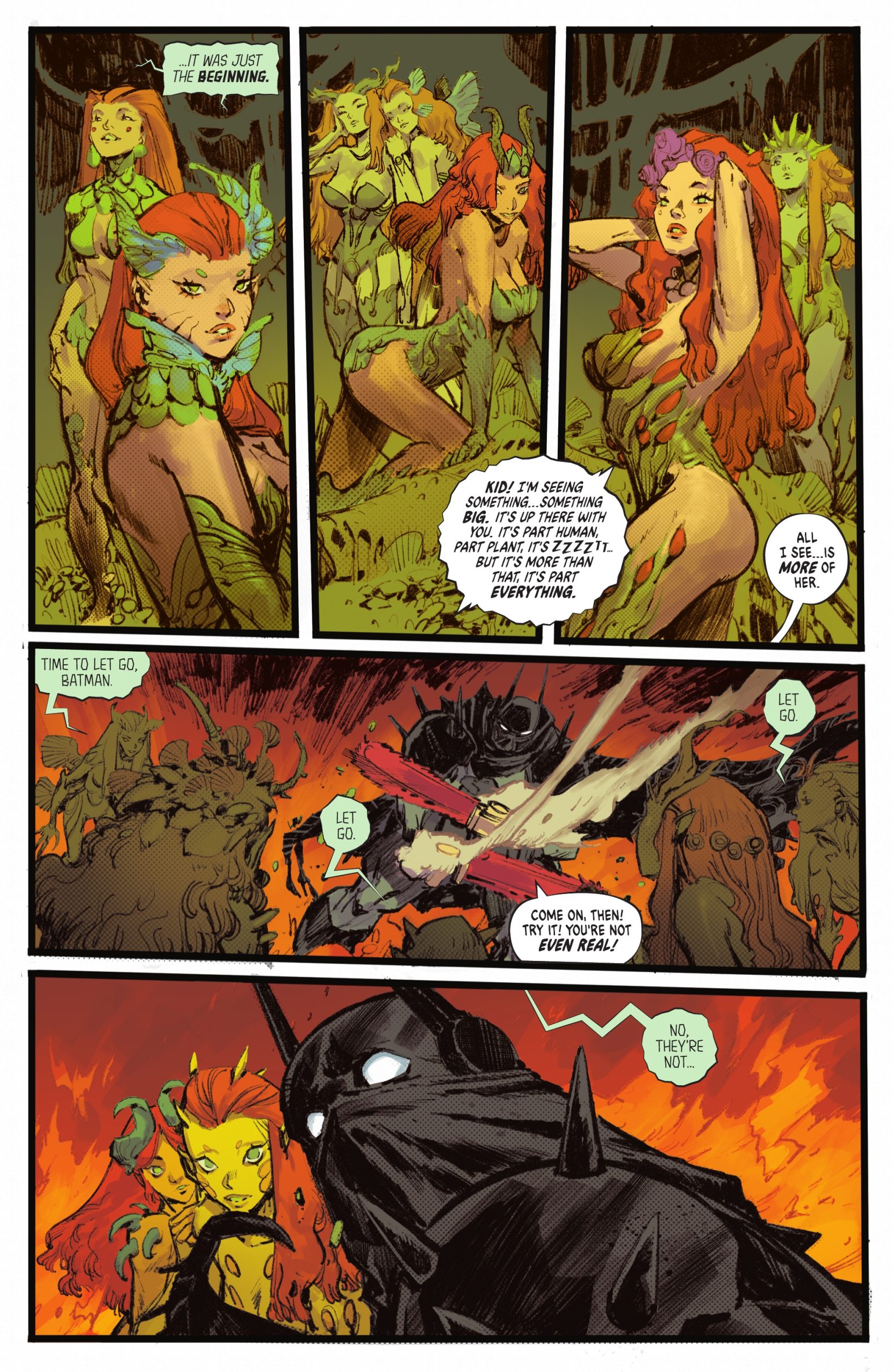
The police force, traditionally the first line of defense, has been rendered ineffective. In a tactical maneuver that defies conventional military strategy, the personnel stationed in the affected sector have been assimilated into a foliage-based collective. The narrative confirms that these individuals have undergone a biological transition, rendering them no longer human. This creates an immediate ethical and tactical crisis for Batman, who is forced to engage with these former officers as hostile entities. The guidance provided by Alfred Pennyworth—emphasizing the irreversible nature of this transformation—serves as a grim indicator of the stakes involved: Batman is operating in a zone where the line between civilian and combatant has been erased by botanical integration.
Tactical Analysis and Character Dynamics
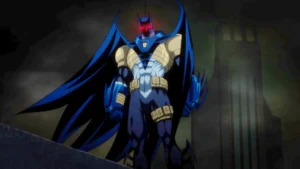
Batman’s approach to the situation is characterized by heavy industrial weaponry, specifically the use of high-output buzzsaws integrated into his forearms. This choice of gear highlights the physical nature of the threat. Unlike previous encounters where gadgets focused on incapacitation or surveillance, the environment of the "Seventh Kingdom" requires destructive force to navigate.
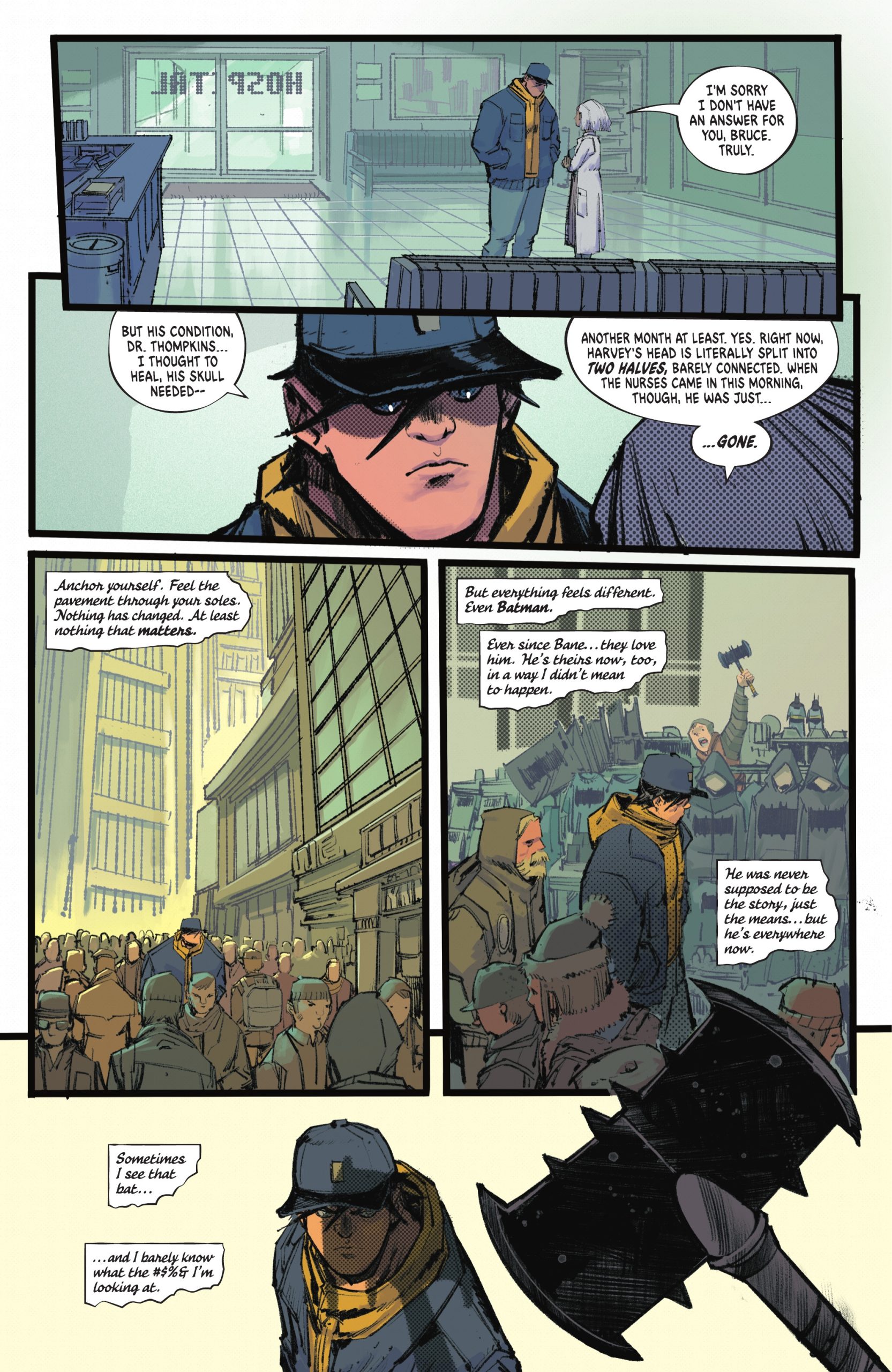
The issue features a series of psychological distractions, as Ivy projects various idealized versions of herself to impede Batman’s progress. The narrative indicates that these manifestations are calculated to exploit human cognitive vulnerabilities. Batman’s refusal to engage with these projections highlights his shift toward a purely mission-oriented mindset. This cold, tactical detachment is a stark contrast to his parallel efforts to resolve personal conflicts with former associates, including Oswald Cobblepot, Harvey Dent, Edward Nygma, and Waylon Jones.
Historical Context and Interpersonal Fallout
The current friction between Bruce Wayne and his former inner circle is rooted in the aftermath of their collective failure against the antagonist known as Bane. The chronology of these events establishes that the group holds Bruce Wayne directly responsible for the strategic errors that led to their current precarious positions. Despite Wayne’s documented attempts at mediation and restitution, these efforts have been met with total rejection.
From an analytical standpoint, this subplot serves a dual purpose. It isolates Bruce Wayne, stripping him of his traditional support network just as he faces an external threat of unprecedented scale. Furthermore, it creates a vacuum that is ripe for exploitation. Observers of the ongoing conflict suggest that the psychological instability of these former allies makes them prime targets for manipulation by other figures in the Gotham underworld, most notably The Joker. The implication is that while Batman focuses on the immediate biological threat posed by Poison Ivy, his past failures are coalescing into a secondary, potentially more lethal, internal threat.
Artistic Direction and Visual Narrative
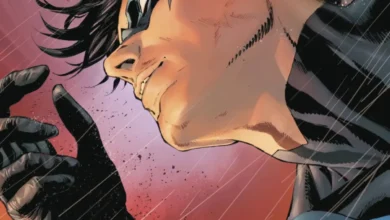
The visual storytelling provided by Eric Canete, complemented by Frank Martin’s color palette, is integral to the issue’s reception. The decision to portray Poison Ivy not merely as a human antagonist but as a human-plant hybrid underscores the evolution of the Absolute Universe’s lore. This transformation signifies a move away from the "villain of the week" trope toward a more permanent, systemic shift in the city’s ecology. The imagery of the "foliage of horrors" acts as a structural element, confining Batman within a claustrophobic space that forces a direct confrontation rather than a methodical investigation.
Broader Implications for the Absolute Universe
The conclusion of this issue suggests that the narrative arc of the Seventh Kingdom is only beginning. The revelation regarding Martha Wayne’s status and her role in the evolving story adds a layer of familial complexity that has yet to be fully unpacked. For the broader continuity of the Absolute Batman series, this issue represents a "point of no return." By forcing the protagonist to combat his own police force and navigate a lethal, mutated ecosystem, the series is accelerating the deterioration of Gotham’s social order.
Furthermore, the lack of resolution in the interpersonal conflict between Bruce and his former friends suggests that the series is building toward a multi-front war. If the antagonists—specifically The Joker—choose to weaponize the resentment held by Cobblepot, Dent, Nygma, and Jones, the tactical burden on Batman will likely exceed his current capacity.
Expert Perspectives and Narrative Progression
Industry analysts have noted that the pacing of this arc reflects a deliberate attempt to heighten the stakes for the character. By removing the safety nets of the Gotham Police Department and personal social reconciliation, the creative team has effectively reset the status quo. The "Seventh Kingdom" is not just a location; it is a manifestation of the chaos that the Absolute Universe is designed to explore.
The inclusion of detailed backstories for Dr. Isley provides a necessary foundation for her current radicalization. It reframes her not as a criminal seeking profit or territory, but as a force of nature acting upon a perceived grievance. This motivation makes her a more unpredictable adversary, as she is not constrained by traditional criminal logic or fear of incarceration.

Future Outlook
As the series moves toward the next installment, several key questions remain:
- The Nature of the Hybridization: Can the biological assimilation of the police force be reversed, or does this represent a permanent change to the city’s population?
- The Joker’s Influence: To what extent is the current crisis being facilitated or observed by The Joker, and how will he capitalize on the isolation of Bruce Wayne?
- The Martha Wayne Variable: How will the revelation involving Martha Wayne alter the established power dynamics within the Wayne family legacy?
The trajectory of the story indicates that the conflict with Poison Ivy will serve as a catalyst for a larger systemic collapse. The thematic focus on "making amends" vs. "facing consequences" appears to be the central pillar upon which the remainder of the arc will be built. With the introduction of the Seventh Kingdom, the series has moved into a phase of heightened physical and psychological danger, ensuring that the stakes for the protagonist remain at an all-time high. The combination of high-stakes combat, internal emotional turmoil, and the unraveling of long-standing mysteries positions this arc as a definitive turning point for the Absolute Batman narrative.